
Épernay Architecture Walking Tour: 2025 Guide
Book an Épernay architecture walking tour to see Avenue de Champagne and Art Deco gems. Start your 2025 French heritage journey today!
On this page
Welcome to Épernay, the historic heart of the famous Champagne region in Northern France. This beautiful city offers much more than just world-class sparkling wine for visiting tourists. An Épernay architecture walking tour reveals a stunning blend of historic and modern styles. Discover grand mansions and unique industrial designs during your next trip in 2025.
The city serves as a living museum of French architectural history and local wealth. You can see everything from medieval portals to sleek and decorative Art Deco facades. Walking through these streets allows you to appreciate the craftsmanship of many different eras. This guide will help you plan the perfect route through this incredible French destination.
Grand Mansions of Avenue de Champagne
Start your journey on the most luxurious street found anywhere in the French countryside. This grand boulevard stretches for nearly one kilometer through the heart of the city. You will see incredible mansions that belonged to wealthy champagne merchants from the past. Each structure reflects the high social status of the families who built them here.
Notice the intricate stone carvings and the grand gates on these beautiful residential facades. Many houses use the white limestone that is very common across this northern region. You can explore Avenue de Champagne architecture to understand these specific designs. Every balcony and window frame tells a story of local prestige and history.
Moët & Chandon stands as a major highlight for everyone visiting this famous historic street. Its neoclassical style presents a formal and very symmetrical look to all passing visitors. Many people stop to admire the bronze statue of Dom Pérignon near the entrance. The estate includes beautiful private gardens and a very grand stone courtyard area.
Stop by the Pol Roger mansion for a completely different view of local design. This structure shows the constant evolution of French residential architecture during the nineteenth century. It combines classic elegance with very functional spaces for hosting many important international guests. The ironwork on the surrounding fences is particularly impressive and very well maintained.
The Perrier-Jouët estate offers another glimpse into the luxury of the Belle Epoque era. This building features elegant lines and a very welcoming entrance for all curious travelers. You will find that many of these mansions are now part of UNESCO heritage. They represent the peak of residential design during the golden age of the region.
Epernay Art Deco Buildings and City Hall
The city of Épernay faced significant damage during the two major world wars. Local architects used the 1920s to rebuild many important city structures and private homes. This effort resulted in several beautiful Epernay Art Deco buildings around the center. Look for geometric patterns and stylized floral motifs on the concrete walls.
The Epernay City Hall is a true masterpiece of this specific architectural era. It was originally built as a private mansion for a very successful wine merchant. Later, it became the administrative heart of the town for all local residents. The building sits within a lush public park that is perfect for relaxing.
Walk inside the City Hall to see the ornate stained glass windows on display. These artistic pieces showcase local history and many different agricultural traditions of the area. The grand staircase features elegant railings and very detailed plasterwork on the high ceilings. It remains a top spot for local photography and architectural study in 2025.
Nearby streets offer many more examples of these unique post-war architectural styles and designs. You will see colorful brickwork mixed with decorative cement panels on many local houses. These homes represent the strength and resilience of the local community after the war. Exploring these side streets reveals many hidden design treasures for your walking tour.
Pay attention to the rooflines and the unique shapes of the local corner buildings. Many architects experimented with new materials while maintaining a sense of classic French style. You can find beautiful tile work and metal decorations on many of the smaller shops. These details make the city center a very interesting place for a stroll.
The Church of Notre Dame of Epernay
The Church of Notre Dame of Epernay dominates the local skyline with its height. This massive building was reconstructed in the early part of the twentieth century. It replaced an older medieval structure that had stood on this site for centuries. The final design blends Gothic elements with many modern and durable construction techniques.
Pay very close attention to the massive rose window located directly above the entrance. The interior features very high vaulted ceilings and many detailed altars made of stone. Natural light fills the entire space through many tall and narrow glass windows. It provides a very peaceful break during your busy architectural walking tour today.
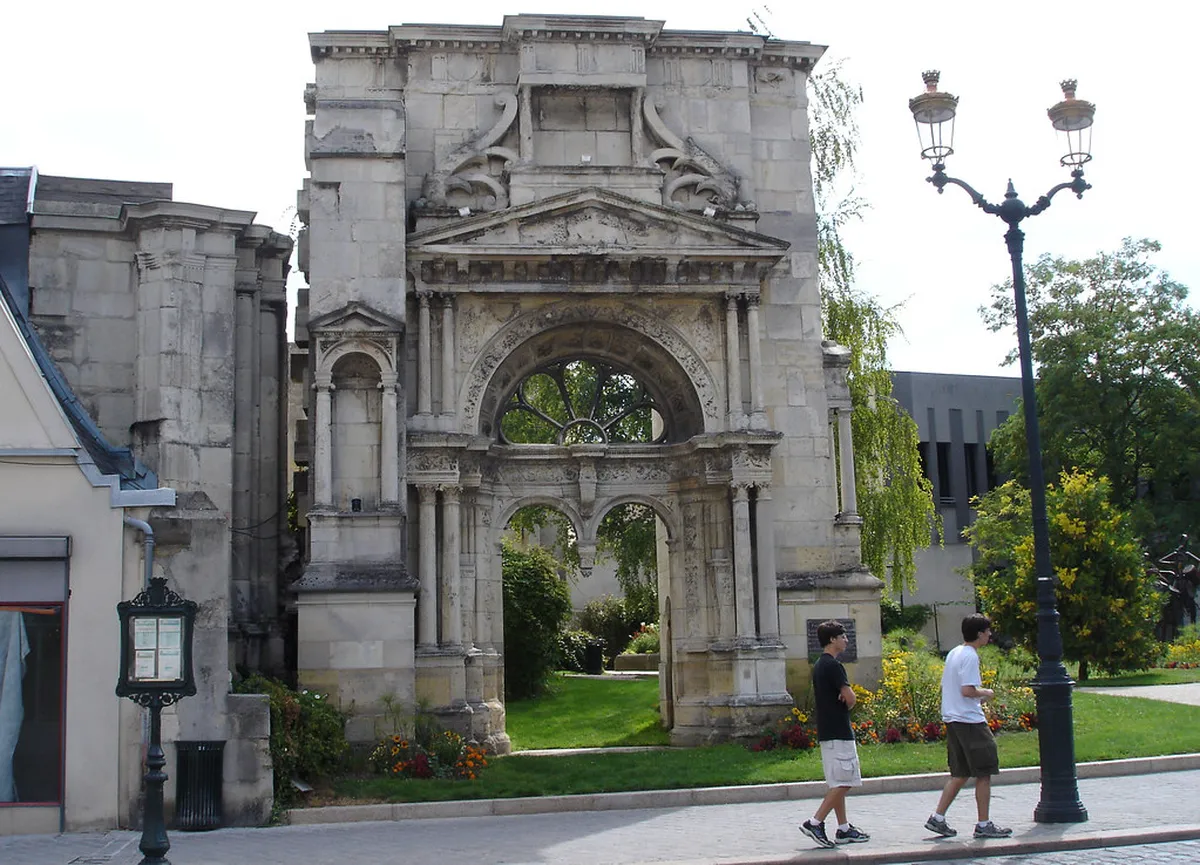
Search for the historic Portal of Saint Martin located in the town center area. This is the oldest architectural relic that still exists in the entire modern city. It dates back to the mid-sixteenth century during the famous French Renaissance period. The portal is all that remains of an ancient church destroyed long ago.
Examine the weathered stone carvings found on this very historic and important stone gate. You can clearly see mythical figures and many intricate leaf patterns in the rock. It serves as a constant reminder of the very long history of this town. This site is free to visit and very easy to find nearby.
The church also houses a very impressive organ that is famous throughout the region. Visitors can often hear music rehearsals during the quiet afternoon hours in the week. The acoustics inside the stone walls are perfect for traditional and religious choral music. Take a moment to sit and enjoy the grand scale of this building.
Maison Belle Epoque Architecture and Towers
The Tour de Castellane is a very recognizable landmark for anyone visiting the city. This tall tower originally served as a decorative water tank for the local area. It features vibrant red and white brick patterns that stand out from far away. You can climb to the very top for amazing panoramic views of rooftops.
Nearby, you will find the stunning Maison Belle Epoque architecture of the Perrier-Jouët house. This historic house features the famous anemone flower designs on its many windows. These floral motifs are central to the global Art Nouveau movement of the time. The entire building looks like a beautiful piece of living and functional art.
The estate houses one of the largest private collections of French Art Nouveau furniture. You can see incredible pieces designed by famous artists like the legendary Emile Majorelle. Every room showcases organic shapes and very flowing lines in the wood and glass. It is a must-visit for any serious design enthusiasts visiting France in 2025.
These grand estates often require advanced booking for any interior tours of the rooms. Entry prices for these experiences usually range from twenty to fifty euros per person. This cost often includes a guided walk and a tasting of local sparkling wines. Always check their official websites for the most current and updated opening hours.
The combination of industrial function and artistic beauty is a theme throughout the town. Many buildings served a dual purpose as both a home and a workplace. This led to unique floor plans that you will not see in other cities. It makes the architectural landscape of this city very diverse and interesting.
Underground Architecture of Champagne Cellars
Much of the city's architectural wonder lies directly beneath your feet in the ground. Over one hundred kilometers of tunnels wind under the busy streets of the town. These were carved directly into the natural chalk soil many hundreds of years ago. This underground architecture of Champagne cellars is truly unique and very impressive.
The temperature inside these tunnels stays at a very constant ten degrees Celsius year-round. This cool climate is perfect for aging millions of wine bottles for long periods. Architects designed these spaces for both safe storage and easy transport of heavy goods. You will see long galleries and many massive vaulted chambers made of chalk.
Some older cellars feature decorative carvings made directly in the soft white chalk walls. These bas-reliefs depict many scenes from the annual harvest and the local winemaking process. The scale of these underground cathedrals is truly breathtaking for most first-time visitors. They represent a massive engineering feat from the middle of the nineteenth century era.
Wear very comfortable shoes and a light jacket for this part of your tour. Walking tours of the dark cellars can often last for over one hour. Guided tours provide deep insights into the difficult construction methods used by the workers. It is a vital part of the city's structural and historical heritage.
The ventilation shafts are another interesting architectural feature to look for from above. You will see small chimneys popping up in parks and on street corners. These allow the underground world to breathe while keeping the temperature very stable. This system shows the incredible foresight of the original builders and local engineers.
Practical Tips for Your Walking Tour
Start your morning walk at the local tourism office located near the train station. They provide free maps that highlight all the key heritage buildings and monuments. Most sites are within easy walking distance of each other in the center. Plan for at least four hours to see everything on your list today.
The best light for photography usually occurs in the very early morning hours here. This is when the sun hits the facades on the Avenue de Champagne. You will avoid the largest crowds by starting your tour by 9:00 AM. Many local shops and cafes will close for lunch around noon daily.
Wear very sturdy walking shoes for the many cobblestone streets in the old town. Some areas have uneven pavement that can be quite slippery when it is wet. Public restrooms are available near the City Hall and inside the main station. Keep some small change for public facilities or for small tips at cafes.
Consider visiting during the famous Habits de Lumière festival held every single December. The city illuminates its best buildings with incredible light shows and artistic projections. This festive event brings the local architecture to life in a new way. It is a magical experience for visitors of all ages in 2025.
Most architectural sites are best enjoyed on foot to see the smaller facade details. You can stop at various bakeries along the way for a quick snack. The city is very safe and easy to navigate for solo international travelers. Enjoy the unique atmosphere of this historical French jewel during your holiday.
Frequently Asked Questions
What is the best time for an Épernay architecture walking tour?
The best time to visit for architecture is during spring or early autumn. These seasons offer mild weather and the best natural light for taking photos. Most historical sites have regular opening hours during these pleasant months of the year.
Are the historical buildings in Épernay accessible for tourists?
Many of the major mansions offer guided tours of their public rooms and cellars. Some private residences on the Avenue de Champagne can only be viewed from the street. The City Hall and local churches are usually open to the public daily.
How long does a full architecture tour take?
A comprehensive walking tour typically takes between three and five hours to complete fully. This allows time to admire facades and visit at least one underground cellar. You should leave extra time if you plan to enjoy a local lunch.
Is it possible to take a self-guided tour of the city?
Yes, you can easily create your own route using a free heritage map. Most buildings have small plaques that explain their history in French and English. This is a great way to explore the city at your own pace.
Exploring the streets of this city offers a deep look into French heritage and style. From grand nineteenth-century mansions to Art Deco treasures, the diversity of design is amazing. Plan your Épernay architecture walking tour for 2025 to experience these wonders in person. You will leave with a new appreciation for the history of this region.
Key Takeaways
- Visit Avenue de Champagne for grand 19th-century residential architecture.
- Explore the City Hall to see beautiful Art Deco interior designs.
- Climb the Tour de Castellane for the best views of the skyline.
- Book a cellar tour to see unique underground chalk gallery construction.
- Check the Portal of Saint Martin to see the city's oldest relic.
Related reads: architecturebycity.com, architecture in epernay.