
Tour de Castellane Architecture in Épernay Guide
Plan your 2025 trip to Épernay to see Tour de Castellane architecture. Discover the history and design of this iconic champagne tower today! Book your visit.
On this page
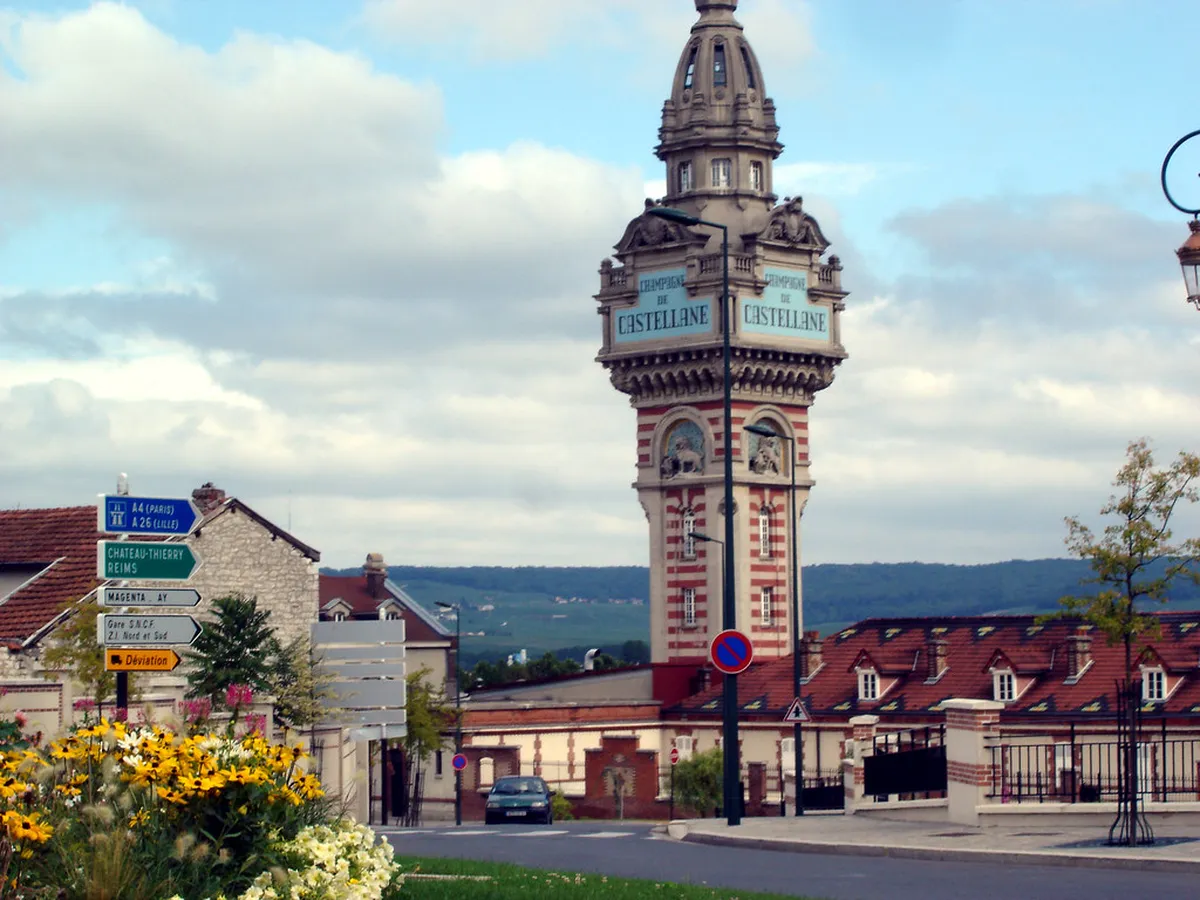
The Tour de Castellane architecture stands as a powerful beacon within the city of Épernay. This monument defines the majestic skyline of the world-famous Champagne region of northern France. Visitors flock here to witness its unique brickwork and grand design during the summer months. It serves as a lasting symbol of the prestigious and historic Castellane Champagne house today.
Construction of this tower took place at the very beginning of the twentieth century. It was designed to impress travelers arriving by train from Paris or eastern France. The tower represents the peak of industrial wealth and artistic flair in the local area. You will find it located at the very start of the famous Avenue de Champagne.
The History of the Castellane Tower
The history of this site begins with the vision of the bold Marius de Castellane. He wanted a structure that symbolized the prestige and the growth of his family name. Construction started at the end of the nineteenth century within the heart of the city. It was a massive project for the local workers living in the region at that time.
Architects used local materials to ensure the tower would last for many centuries into the future. They selected high-quality clay for the millions of bricks required for this huge project. The foundation was dug deep into the solid white chalk of the famous Champagne region. This stability allows the sixty-six meter tower to stand firm against the strongest winter winds.
By 1905 the tower was finally ready for its grand and festive opening ceremony celebrations. It served as the central headquarters for the famous and growing Castellane champagne brand. The tower helped the company establish a very strong visual identity across the nation. It quickly became a major point of pride for the entire local community in Épernay.
Today the tower is a listed historical monument located within the sunny Champagne province. It represents the industrial heritage of the late nineteenth and early twentieth centuries quite well. You can see how this fits into the wider Avenue de Champagne architecture scene today. It remains a focal point for tourists visiting the busy city center in 2025.
Features of Tour de Castellane Architecture
The Tour de Castellane architecture features vibrant red and white bricks that catch the sunlight. These materials create a striking contrast against the rolling green hills of the French countryside. The tower stands sixty-six meters tall above the rich and chalky soil of the region. Its unique design blends industrial utility with elegant decorative flair and early twentieth-century charm.
The top of the tower includes many intricate stone carvings and various beautiful floral motifs. These small details showcase the immense craftsmanship of the early and very prosperous twentieth century. Many modern visitors notice the large clock faces situated on each side of the tower. These clocks served both the winery workers and the citizens of the busy city below.
The base of the tower connects directly to the vast and ancient champagne cellars nearby. These underground tunnels are absolutely essential to the layout of the entire historic estate. You can explore the underground architecture of champagne cellars during your guided visit. This connection highlights the harmony between the surface structures and the deep chalky soil.
Ornate ironwork can be seen on the windows and the balconies of the high tower. This metalwork adds an extra layer of elegance to the functional and sturdy brick structure. The architects clearly wanted to prove that industrial buildings could also be works of art. Every corner of the building reveals a new detail for the sharp-eyed visitor to enjoy.
Industrial Design as a Water Reservoir
Many modern visitors do not know the original purpose of this beautiful brick tower. It functioned primarily as a necessary water reservoir for the large and busy winery. The clever design allowed gravity to provide water pressure for the daily champagne production. This smart use of space proves the genius of the engineers working in 1900.
The tower once held many thousands of liters of clean water for essential cleaning tasks. This was necessary for maintaining high hygiene standards in the large and damp cellars. The industrial architecture of champagne towers often combined art with very practical functions. Castellane remains the finest example of this hybrid style found anywhere in the region.
Engineers integrated the water tank into the upper sections of the tall brick structure. This placement ensured that water could flow easily to every part of the estate. The weight of the water required thick walls and very strong internal support beams. You can still see some of these iron supports when you visit the tower today.
The transition from a functional water tower to a brand monument was very successful. It allowed the Castellane family to maximize their investment in the local urban landscape. Even as technology changed the tower remained useful as a landmark for the brand. It shows how industrial buildings can adapt and survive through many different eras.
Climbing for Views in Épernay
Visitors in 2025 can climb the two hundred and thirty-seven steps to the top. The ascent provides a very close look at the inner structure of the tower. You will see the massive iron supports that hold the floors in place today. Each level reveals more about the construction techniques used by the original builders.
The observation deck offers a complete three hundred and sixty degree view of the city. You can spot the endless vineyards stretching toward the horizon in every direction. This perspective is perfect for photographers and for people who love the natural world. It is a highlight of any Épernay architecture walking tour through this famous region.
From the top you can see the Marne River winding through the valley below. The view includes the roofs of other famous champagne houses on the main avenue. You will gain a new appreciation for the scale of the local wine industry. The climb is worth every step once you reach the fresh air at the top.
Safety railings and modern lighting have been added to the staircase for your comfort. The stairs are made of sturdy wood and stone that have lasted for decades. Take your time during the climb to enjoy the small windows along the way. Each window offers a unique frame of the beautiful French landscape outside.
The Museum and Estate Layout
The museum at the base of the tower explains the entire wine-making process. It displays many vintage tools used by several generations of local cellar masters. The Castellane museum architectural layout guides you through history very logically. You will see how the brand evolved over many decades of hard work.
Each room features artifacts that tell a very specific story about the winery. You can view original advertisements and many rare bottle labels from the past. The layout ensures a smooth flow for all types of visitors and tourists. This makes the entire experience both highly educational and also very relaxing.
The estate grounds are kept in perfect condition for visitors to enjoy every day. You can walk through the courtyard to see the tower from different angles. This space allows you to appreciate the sheer scale of the brick masonry work. The courtyard is a peaceful place to sit before starting your cellar tour.
The gift shop is located near the exit of the museum for your convenience. Here you can purchase bottles of champagne and other local souvenirs from the region. The staff are very knowledgeable about the history of the tower and the wine. They are happy to answer any questions about the architecture of the site.
Frequently Asked Questions
How many steps are in the Tour de Castellane?
The tower features exactly two hundred and thirty-seven steps to reach the top. There is no elevator available for visitors to use during their visit. Most people find the climb quite manageable with a few short breaks. The view from the top makes the effort completely worth it.
What are the opening hours for the Castellane tower in 2025?
The tower is usually open from ten in the morning until six in the evening. These hours can vary slightly depending on the specific season of the year. It is best to check the official website before you plan your trip. Booking in advance is highly recommended for all weekend visits.
How much does it cost to visit the tower and museum?
A standard ticket for the museum and the tower climb costs fifteen Euros. This price often includes a small tasting of champagne at the very end. Discounts are available for students and for large groups of ten people. Children under the age of twelve can usually enter the site for free.
Visiting the Tour de Castellane is a highlight of any trip to the city. Its unique architectural style captures the spirit of the early and vibrant twentieth century. Make sure to book your tour in advance for your 2025 holiday. Enjoy the stunning views and the rich history of this amazing monument today.
Key Takeaways
- The tower was built between 1895 and 1905 as a landmark.
- It stands 66 meters tall and features 237 steps to the top.
- The building served as both a water tower and a brand symbol.
Related reads: architecturebycity.com.