
Ange-Jacques Gabriel Neoclassical Additions: Fontainebleau Guide
Discover the Ange-Jacques Gabriel neoclassical additions in Fontainebleau. Explore 18th-century French architecture and plan your visit for 2025 today!
On this page
Ange-Jacques Gabriel served as the premier architect for King Louis XV during the eighteenth century. He introduced stunning Ange-Jacques Gabriel neoclassical additions to the royal Chateau de Fontainebleau during his tenure. These changes brought a new sense of order and elegance to the sprawling palace complex. Today, visitors in 2025 still marvel at these refined architectural achievements and their timeless beauty.
Gabriel successfully transitioned the palace from the ornate Baroque style to the clean Neoclassical aesthetic. His work focused on symmetry, proportion, and the use of classical Greek and Roman elements. This transformation helped solidify the palace as a symbol of French royal power and sophistication. You can see his influence in many of the most iconic wings of the castle.
The Transformation of the Gros Pavillon
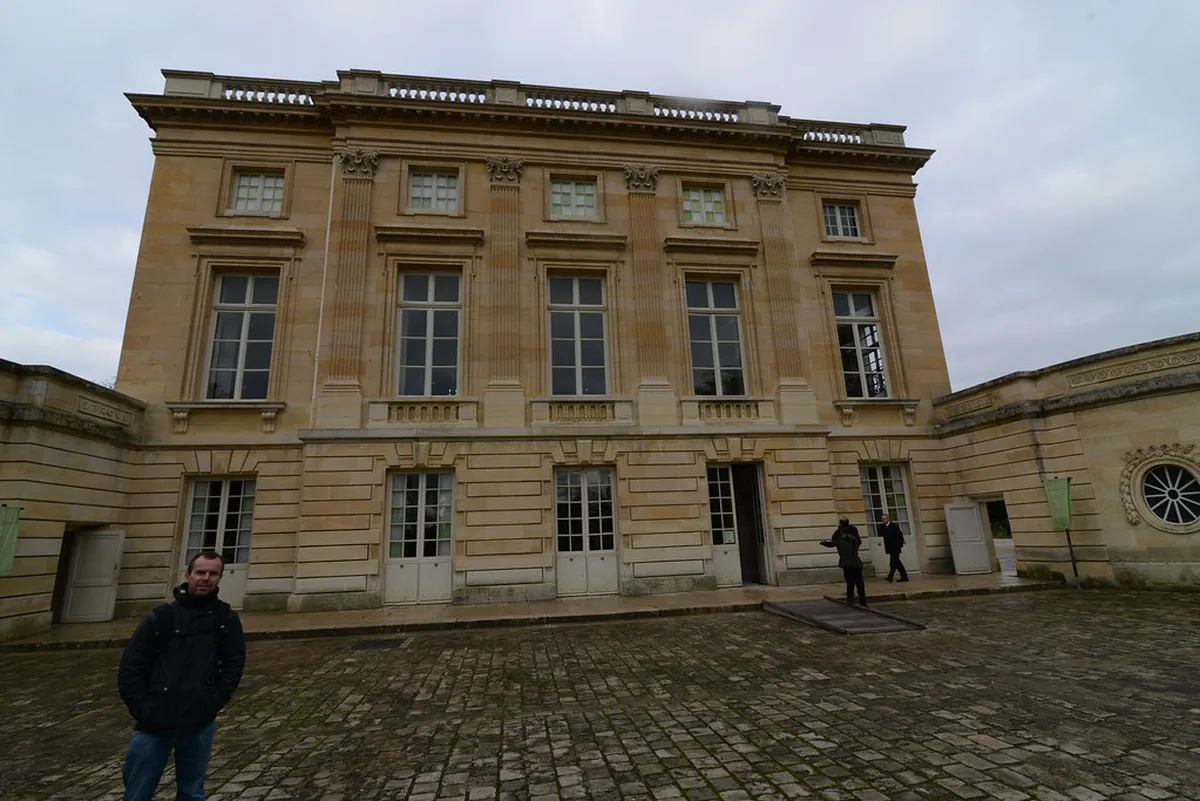
The Gros Pavillon remains one of the most prominent features of Gabriel's work today. Construction began in 1750 to provide modern housing for the French royal court members. Its facade displays a stark contrast to the earlier Renaissance designs found nearby on site. The design uses monumental columns and pediments to create a sense of royal power.
Gabriel replaced the old, decaying buildings with this massive structure during the late 1750s. The interior of the pavillon featured high ceilings and large windows to let in light. These spaces were much more comfortable than the cramped quarters of the medieval sections. The architect ensured that the new wing integrated perfectly with the surrounding historic courtyard.
Visitors can explore the exterior of this building to see the precise masonry work. The stone was carefully selected to match the existing palette of the royal chateau walls. This project demonstrated how the notable architects of Fontainebleau balanced tradition and innovation. The Gros Pavillon stands as a testament to the longevity of eighteenth-century French design.
Redefining the Court of the Fountain
The Court of the Fountain underwent significant changes under the direction of the royal architect. Gabriel removed irregular features to create a more balanced courtyard experience for his royal guests. He designed new facades that emphasized horizontal lines and repeating patterns across the long walls. This approach created a sense of calm and order within the busy palace grounds.
The neoclassical style allowed for a more organized flow between the various wings of the castle. Gabriel added sculptural elements that celebrated the king's achievements and the French monarchy's long history. These decorations were often more restrained than the previous decorative styles found in the palace. The result was a sophisticated space that felt modern for the eighteenth-century era.
Walking through this courtyard allows you to appreciate the subtle details in the stone carvings. The architect used rusticated stone on the lower levels to provide a strong visual foundation. Large arched windows on the upper floors provided views of the gardens and the lake. This area perfectly illustrates the shift in Chateau de Fontainebleau architectural styles during this period.
The Creation of the Salle de Spectacle
Gabriel was also responsible for creating a dedicated space for court entertainment and theater performances. The Salle de Spectacle was designed to be both functional and visually stunning for the court. He used advanced acoustics and seating arrangements to improve the experience for the royal audience. This theater became a central hub for social life at Fontainebleau during the 1700s.
The interior decoration featured fine woodwork and elegant gilding that shimmered under the many candles. Gabriel selected a color palette that complemented the soft lighting of the evening theater events. His focus on comfort and visibility was a major improvement over the older temporary stages. The theater showcased the architect's ability to design complex spaces for specific social functions.
While many parts of the theater have changed, the original footprint remains a historical highlight. It served as a model for other royal theaters built across France in later years. The site reflects the growing importance of the arts in French court culture at Fontainebleau. Today, it remains an essential stop for those interested in the history of performing arts.
Neoclassical Interior Renovations
Gabriel did not just work on the exteriors; he also transformed several royal apartments. He introduced the Petit Appartement for the king to provide a more private living space. These rooms featured delicate wood paneling known as boiseries that displayed intricate neoclassical motifs. The designs often included flowers, musical instruments, and geometric patterns in the woodwork.
The use of light colors and mirrors helped make the smaller rooms feel more spacious. Gabriel focused on creating a harmonious environment that was both luxurious and comfortable for daily life. These renovations represented a move away from the heavy, dark interiors of the previous centuries. The king appreciated the modern convenience and the refined aesthetic of these updated rooms.
Visitors today can see how these interior choices influenced later design trends in French homes. The attention to detail in the hardware and fireplaces is particularly impressive to see. Every element was chosen to create a unified and elegant look for the royal family. These spaces remain some of the most intimate areas to explore within the chateau.
Practical Tips for Visiting in 2025
Planning a trip to see these architectural wonders requires some preparation for the best experience. The Chateau de Fontainebleau is open daily except for Tuesdays and specific national French holidays. Tickets for adults usually cost around 14 euros for the main circuit of the palace. It is wise to book your entry time online to avoid long waiting lines.
Allow at least three to four hours to explore the palace and the extensive gardens. The morning hours are often the quietest time to view the Ange-Jacques Gabriel neoclassical additions. Guided tours are available in several languages and provide deep historical context for the architecture. Wearing comfortable shoes is essential as you will walk several miles through the large complex.
The town of Fontainebleau also offers many charming cafes for a lunch break after your tour. You can reach the castle easily by taking a train from the Gare de Lyon. The journey takes about forty minutes followed by a short bus ride to the gate. Spring and fall offer the best weather for enjoying the outdoor architectural details on site.
Frequently Asked Questions
What are the most famous Ange-Jacques Gabriel neoclassical additions?
The most famous additions include the Gros Pavillon and the facades around the Court of the Fountain. Gabriel also designed the beautiful Salle de Spectacle theater for the royal court's entertainment. These structures define the neoclassical era at the chateau.
Why did Louis XV choose Ange-Jacques Gabriel for the project?
Gabriel was the Premier Architect to the King and a master of the neoclassical style. The king wanted to modernize the palace and bring more order to the old buildings. Gabriel's reputation for elegance made him the perfect choice for this royal task.
When were the neoclassical changes made to Fontainebleau?
Most of the major neoclassical additions were constructed between 1750 and 1774. This period marked the height of Gabriel's influence on the French royal architectural landscape. The work continued until the end of King Louis XV's long reign.
Can I see Gabriel's work on a self-guided tour?
Yes, you can see many of Gabriel's exterior and interior works with a standard ticket. The Gros Pavillon and the Courtyard of the Fountain are visible to all palace visitors. Some specific private apartments may require a special guided tour for access.
The Ange-Jacques Gabriel neoclassical additions transformed Fontainebleau into a modern palace for the eighteenth century. His focus on symmetry and classical beauty created a lasting legacy that we still enjoy. Exploring these structures offers a unique glimpse into the artistic vision of the French monarchy. Plan your visit soon to experience this incredible architecture in Fontainebleau for yourself.
Key Takeaways
- Gabriel introduced the Neoclassical style to Fontainebleau during the 1750s.
- The Gros Pavillon is the most significant structural addition from this period.
- Symmetry and classical proportions are key features of Gabriel's architectural work.
- Visitors should book tickets in advance for the best experience in 2025.
Related reads: architecturebycity.com, philibert delorme works in fontainebleau.