
Monastic Ruins in the Forest of Fontainebleau
Explore hidden monastic ruins in the Forest of Fontainebleau. Discover peaceful history and religious architecture in 2025. Plan your spiritual hike today!
On this page
The vast Forest of Fontainebleau hides many fascinating historic secrets within its very dense woods. These ancient trees surround the famous French town of Fontainebleau and its legendary royal palace. Deep within the greenery, you will discover several stunning monastic ruins dating back many centuries. These weathered stone remains showcase a long and complex history of spiritual life in France.
Exploring these ancient ruins is a major highlight of 2025 travel for many forest visitors. Travelers often seek out these quiet spots for personal reflection and peace of mind today. The forest provides a perfect backdrop for the study of Fontainebleau religious architecture styles. This comprehensive guide helps you find these hidden gems quite easily during your next trip.
History of Monastic Ruins in the Forest of Fontainebleau
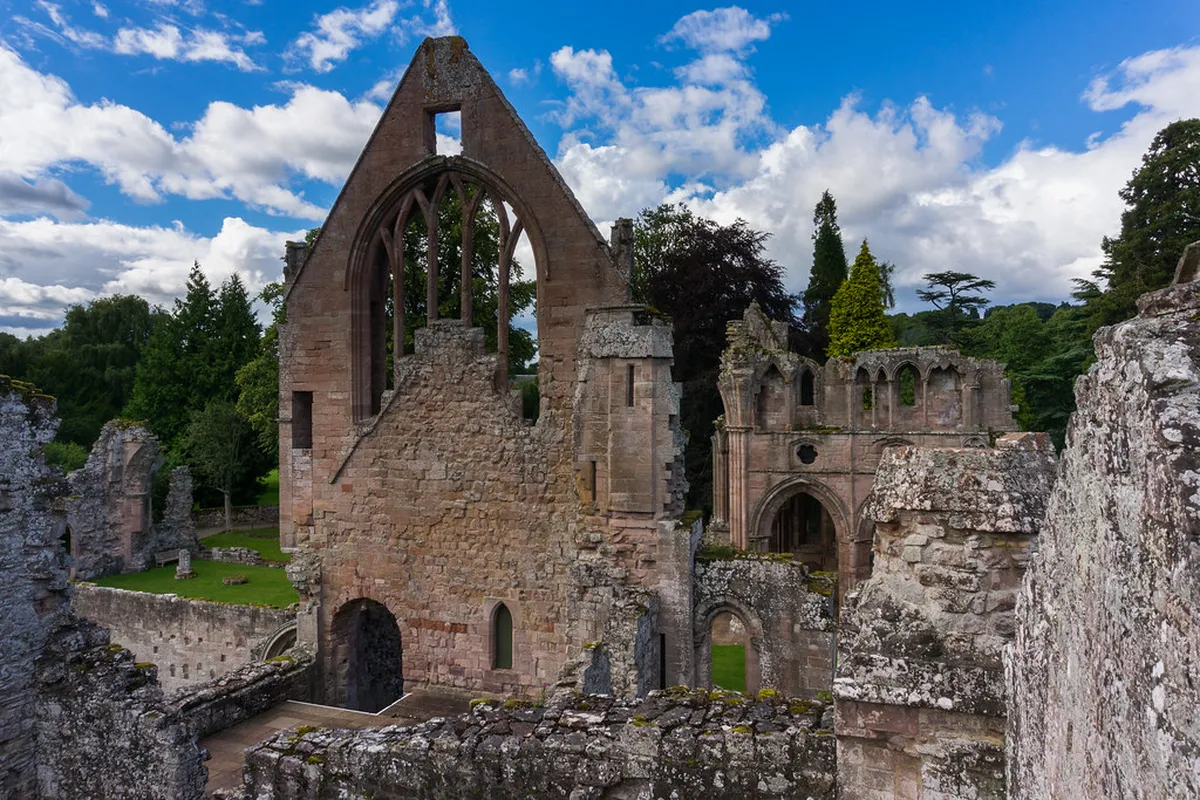
Many monks lived in this quiet forest during the long and difficult medieval era. They built simple stone structures intended for daily prayer and very hard manual labor. These buildings now stand as weathered ruins among the tall oaks and beech trees. They tell a powerful story of quiet devotion and isolation from the modern world.
The most famous site is the historic Priory of Franchard located deep in the woods. It was founded in the twelfth century by the powerful French King Philip Augustus. This site once served as a safe sanctuary for hermits seeking a lonely life. Today, the ruins remind every visitor of this ancient and truly significant religious past.
Many monastic sites suffered significant damage during the chaotic French Revolution of late 1789. Stone from these buildings was often reused to build local houses and farm walls. Despite this historical loss, the foundations remain clearly visible to modern forest hikers today. These traces provide a fascinating glimpse into the very early medieval building styles used.
Exploring the Priory of Franchard Ruins
The Priory of Franchard is the forest's oldest and most significant monastic site to visit. You can find it located near the very popular Gorges de Franchard hiking area. The site features a small historic chapel and several large surrounding stone walls today. Visitors enjoy the incredibly calm atmosphere found near these truly ancient and silent structures.
Access to these historic ruins is free for all visitors throughout the entire year. The trails are well-marked starting from the main parking areas near the forest road. You should wear sturdy boots because the forest terrain is often quite rocky here. The hike takes about thirty minutes if you start from the nearest designated parking.
Look for the informational signs placed near the main entrance of the old site. These boards explain the unique architectural history of the priory in great detail for guests. You will learn about the daily life of the monks who once lived here. The ruins are especially beautiful when viewed in the soft light of early morning.
Fontainebleau Religious Architecture in the Forest
The style of these ruins clearly reflects the simple beauty of early Romanesque design. Most structures used local sandstone gathered directly from the rugged and sandy forest floor. Builders crafted very thick walls to withstand the harsh forest elements over many years. These ruins are key examples of architecture in Fontainebleau from the middle ages.
Small windows were very common in these old monastic stone cells and prayer rooms. This specific design kept the interiors cool during the hot and humid summer months. It also helped the monks focus on their prayers without any outside visual distractions. You can still see several of these original window openings in the stone today.
The layout of these sites often followed a very simple and efficient rectangular plan. Foundations show where the living quarters and the small chapel once stood for monks. These ruins offer a sharp contrast to the grand royal palace located nearby in town. They represent a more humble and spiritual side of the local regional history.
Tips for Hiking to Forest Ruins in 2025
Planning your visit to the ruins requires some careful preparation and a good map. The forest covers a massive area of twenty-five thousand hectares of wild natural land. Always carry a physical map or a reliable digital GPS device during your walk. This ensures you find the monastic sites without getting lost in the deep woods.
Pack plenty of fresh water for your forest walk during the warm 2025 season. There are very few facilities once you leave the main town of Fontainebleau itself. Bringing a light picnic allows you to rest comfortably near the old stone ruins. Please remember to take all your trash back with you to protect nature.
Summer is the best time for exploring these sites under the green forest canopy. The trees provide excellent shade during the warmest and sunniest parts of the day. Spring also offers beautiful wildflowers that grow near the old and weathered stones. Autumn colors make for incredible photography of the ruins against the bright orange leaves.
Frequently Asked Questions
Where exactly are the monastic ruins located within this large and beautiful French forest?
Most ruins are located near the famous Gorges de Franchard area of the forest. This popular spot is a short and pleasant drive from the main Fontainebleau town. You can follow the yellow trail markers to find these sites very easily today.
Can I visit these historic monastic ruins for free during the year 2025?
Yes, visiting these historic forest ruins is completely free for all members of the public. The National Forests Office maintains the trails so that everyone can enjoy the nature. You do not need a ticket or a reservation to explore these stone structures.
Is the hike to the monastic ruins difficult for most regular forest visitors?
The forest trails are mostly flat but can occasionally be quite rocky and uneven. Most people with a basic level of fitness can reach the sites without trouble. You should allow about one hour for a relaxed round trip through the woods.
Discovering monastic ruins in the Forest of Fontainebleau is a deeply rewarding travel experience. These sites offer a peaceful break from the noise of modern city life in France. You will gain a deep appreciation for the rich local heritage of this region. Start your journey into Fontainebleau's architectural history during your next visit this year.
Key Takeaways
- Visit the Priory of Franchard for the best example of monastic ruins in the forest.
- Wear sturdy hiking boots to safely navigate the rocky trails leading to the sites.
- Bring your own water and food as there are no shops inside the forest.
- Follow the yellow trail markers to stay on the correct path to the ruins.
Related reads: architecturebycity.com.