
Explore Lille 1920s Architectural Heritage
Discover the stunning Lille 1920s architectural heritage. Explore Art Deco landmarks and historic facades in 2025 with our expert guide. Plan your trip now.
On this page
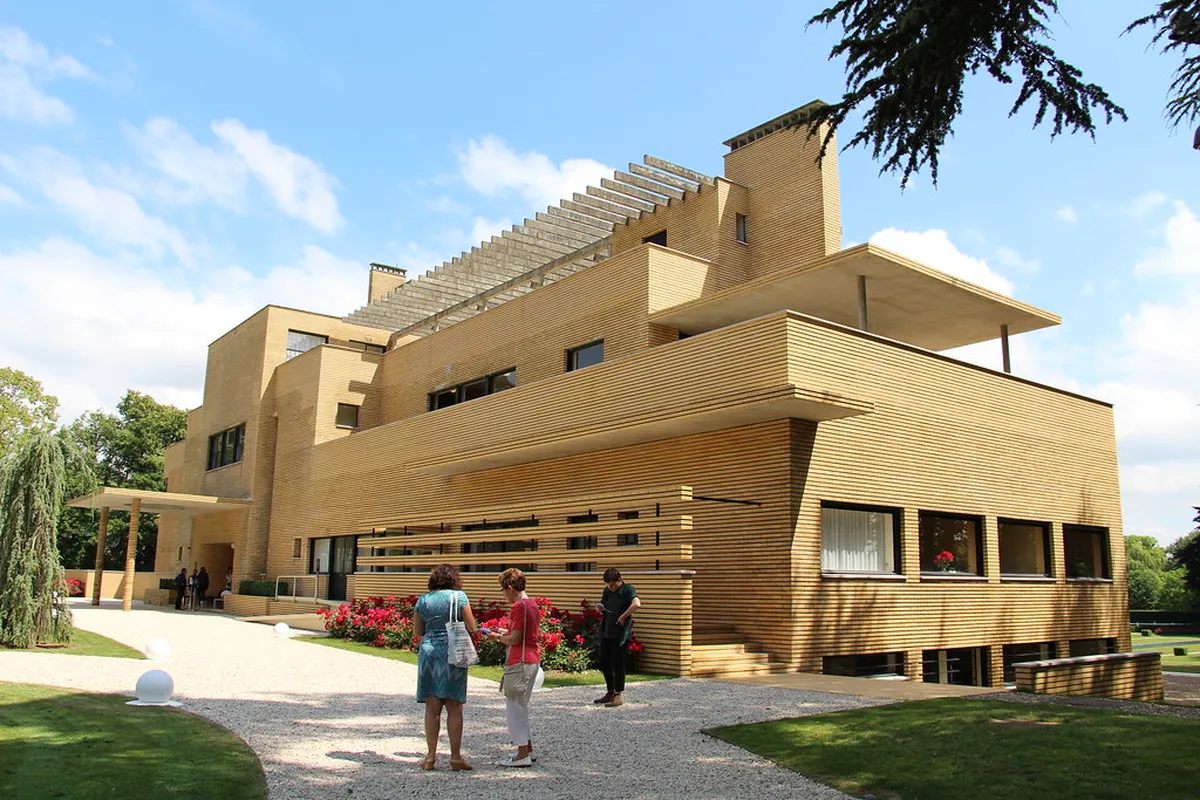
Lille underwent a massive and necessary transformation after the First World War ended in late 1918. Architects embraced modern styles to replace structures lost during the heavy shelling of the Great War. This period birthed the unique Lille 1920s architectural heritage that visitors admire across the city today. Exploring these streets reveals a fascinating transition from traditional Flemish styles to bold and modern designs.
The city serves as a living museum for fans of early twentieth-century urban planning and decorative arts. Many historic buildings have been beautifully restored for the upcoming 2025 travel season for international visitors. You can easily walk between the major landmarks located within the compact city center of Northern France. This guide highlights the most significant structures that define the aesthetic of the roaring twenties in Lille.
The Rise of Art Deco in Lille
The reconstruction era allowed local architects to experiment with the emerging and popular Art Deco movement. They moved away from the ornate curves of Art Nouveau toward cleaner lines and geometric shapes. This shift reflected a desire for modernity and progress during the industrial boom of the early twenties. Many commercial buildings and department stores adopted this sleek aesthetic to attract new and wealthy customers.
Lille became a hub for innovative construction techniques using reinforced concrete and high-quality decorative ceramics. These materials allowed for taller structures with large windows that let in plenty of natural northern light. Builders often decorated these facades with stylized floral patterns and sharp linear motifs that symbolized the future. You will notice these details on many street corners throughout the central shopping districts of the city.
Wealthy textile merchants funded many of these projects to showcase their success in the post-war global economy. Their investment created a dense collection of Art Deco buildings in Lille that still stand today. These structures provide a unique contrast to the red brick Flemish houses found in older neighborhoods. Walking through these areas feels like a journey through the evolution of French urban design history.
Today, these buildings house modern boutiques and cozy cafes that keep the historic spirit of Lille alive. Most of these landmarks are free to view from the street during a casual afternoon walk. Local heritage groups offer specialized tours that explain the social history behind these impressive 1920s facades. We recommend visiting during the spring or fall to enjoy the best light for architectural photography.
Iconic Landmarks of the 1920s Era
The Grand Place hosts the most famous example of the interwar building boom in Northern France. The La Voix du Nord building stands as a testament to regional pride and modern design. It features a striking stepped gable that honors traditional Flemish styles while using modern Art Deco lines. The facade is adorned with three golden statues representing the historic provinces of the northern region.
This massive structure was completed in the mid-1930s but its design roots remain firmly in the 1920s. The interior reflects the grandeur of the era with high ceilings and intricate decorative metalwork throughout. Visitors often gather in the square to admire the building while enjoying a local craft beer. It remains one of the most photographed sites in the city for fans of historical architecture.
Another significant site is the Belfry of the City Hall which was inaugurated during this golden period. It rises over one hundred meters into the sky and offers panoramic views of the entire urban area. The tower combines classic regional brickwork with the bold and vertical geometry of the Art Deco style. Climbing the stairs costs approximately seven Euros and is well worth the effort for the view.
The surrounding administrative buildings also showcase the civic pride that defined the reconstruction efforts of the 1920s. Massive hallways and elegant staircases demonstrate the craftsmanship available to builders during this prosperous economic time. These public spaces remain functional today and continue to serve the people of Lille with dignity. You can visit the lobby during regular business hours to see the preserved interior details.
Rue de Bethune and Commercial Splendor
Walking down Rue de Bethune feels like stepping back into the glamour of the roaring twenties era. This pedestrian street showcases several impressive commercial facades with intricate geometric patterns and bold decorative elements. You can see colorful mosaics and stylized ironwork decorating the upper levels of these historic structures. It serves as the primary shopping artery for locals and tourists visiting the city center.
Many of the storefronts retain their original proportions despite housing contemporary international fashion brands and boutiques. Look upward to see the beautiful bas-reliefs that depict scenes of industry and modern life from 1925. These artistic details were meant to inspire shoppers and celebrate the technological progress of the time. The street is particularly lively during the afternoon when the light hits the decorative glasswork.
A Vieux Lille architectural walking tour often starts near this area to show the style transition. You will see how architects blended modern 1920s aesthetics with the traditional narrow plots of the city. This clever use of space allowed Lille to modernize without losing its intimate and historic charm. It remains a prime example of successful urban integration from the early twentieth century.
Several historic cinemas along this route still feature their original Art Deco entrances and glowing neon signs. These venues were the height of luxury for residents seeking entertainment during the interwar years of prosperity. While some have been converted into shops, their architectural heritage remains protected by local preservation laws. Take a moment to appreciate the symmetry and balance of these beautiful historic buildings.
Materials and Decorative Techniques
Architects in the 1920s experimented with reinforced concrete to create larger and more open urban spaces. They decorated these sturdy structures with elegant ceramics and stylized floral motifs typical of the period. These materials allowed for taller buildings that changed the skyline of Lille throughout the mid-twenties significantly. The use of vibrant colors in the brickwork added a new dimension to the city streets.
Wrought iron became a popular choice for balconies and door frames during this influential architectural decade. Craftsmen created complex designs that featured zigzags, sunbursts, and other popular symbols of the modern age. These iron elements were often painted in dark tones to provide a sharp contrast against light stone. You can find many original examples still intact on the residential streets near the center.
Stained glass also played a vital role in the interior decoration of 1920s Lille townhouses and offices. Geometric windows allowed soft light to filter into the deep rooms of these narrow urban buildings. Many of these glass pieces were inspired by the cubist movement which was popular in France then. They represent the high level of artistic collaboration between architects and local glass artisans during that era.
Terrazzo flooring was another staple of the 1920s Lille architectural heritage found in many grand entryways. This durable material featured colorful marble chips set in cement to create beautiful and lasting patterns. It provided a sense of luxury for the middle class who were moving into new apartments. Many of these floors have been carefully polished and preserved for modern residents to enjoy today.
Frequently Asked Questions
What is the best way to see Art Deco in Lille?
The best way to see Art Deco is by taking a self-guided walking tour through the city center. Start at the Grand Place and walk toward the Rue de Bethune for the best examples. Most of the impressive facades are visible from the public sidewalk for free at any time.
Which building is the most iconic for 1920s style in Lille?
The La Voix du Nord building is widely considered the most iconic structure from this specific era. Its unique stepped gable and golden statues perfectly capture the spirit of the 1920s in Lille. It is located directly on the main square for easy access by all visitors.
Are there guided architecture tours available in 2025?
Yes, several local companies offer specialized guided tours focusing on the 1920s architectural heritage of the city. These tours typically last two hours and provide deep historical context for the major landmarks. Prices usually range from fifteen to twenty-five Euros per person for a group tour.
The Lille 1920s architectural heritage remains a vital part of the cultural identity of Northern France today. Visitors in 2025 will find a city that cherishes its history while embracing a modern and vibrant future. Take the time to look up and admire the details that make these buildings so unique. Plan your visit to this architectural gem and experience the elegance of the roaring twenties yourself.
Key Takeaways
- Visit the Grand Place to see the iconic La Voix du Nord building.
- Walk along Rue de Bethune to find the best commercial Art Deco facades.
- Look for geometric patterns and stylized floral motifs on historic 1920s structures.
- Climb the City Hall Belfry for a panoramic view of the interwar architecture.
Related reads: architecturebycity.com, architecture in lille.