
Vieux Lille Architectural Walking Tour Guide 2025
Take our self-guided Vieux Lille architectural walking tour in 2025. Explore stunning Flemish designs and historic landmarks today. Learn more here!
On this page
This guide helps you explore the best sites during your Vieux Lille architectural walking tour in the year 2025. You will find that Lille combines rich history with a modern atmosphere that appeals to all types of travelers. Walking through these cobbled streets allows you to appreciate the intricate details found on every old stone building facade. Make sure you wear comfortable shoes as you navigate the narrow pathways throughout this beautiful and historic French district.
Lille remains a stunning gem in northern France that showcases many beautiful historic buildings for visitors to explore today. You will discover various architectural styles that range from the Middle Ages to the bold modern era during your visit. This self-guided journey provides the best way to see the most famous landmarks at your own very relaxed pace. Prepare your camera to capture the unique colors and patterns that define the traditional local heritage of this region.
Starting at Grand Place and La Vieille Bourse
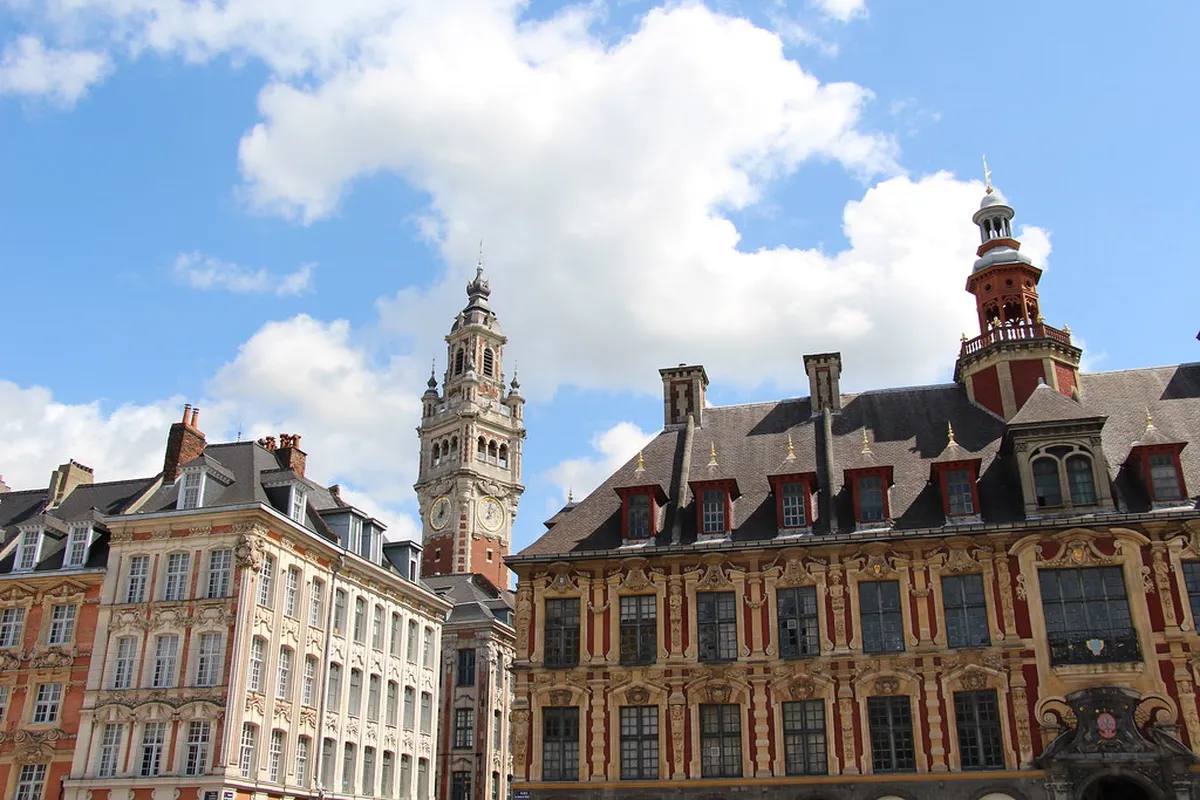
The Grand Place serves as the perfect starting point for your Vieux Lille architectural walking tour this current year. This bustling square features impressive buildings that display a unique blend of French and Flemish design styles for everyone. You will find the iconic Goddess Column standing proudly in the center of this historic public space right now. Many locals gather here to enjoy the vibrant atmosphere and admire the surrounding ornate facades during the sunny day.
On one side of the square stands the magnificent Old Stock Exchange building which dates back to the seventeenth century. This structure represents the peak of local prosperity and features four identical wings surrounding a very quiet inner courtyard. You should take a moment to admire the La Vieille Bourse design analysis to understand the intricate carvings. The building displays a stunning array of colors and gold decorations that shimmer beautifully under the afternoon northern sun.
The courtyard often hosts second-hand book sellers where you can browse through old volumes and unique vintage prints for hours. You will feel transported back in time as you walk through the arched entrances of this legendary commercial hub today. The architecture uses heavy stone and brick to create a sense of permanence and wealth for the local merchant class. It remains one of the most photographed spots in the city due to its incredible symmetry and historical importance.
Looking up at the roof reveals many small windows and decorative elements that tell stories of the city's trading past. Each facade tells a different story through its statues and symbols that represent various trades and important local historical figures. The Grand Place is always active and provides a great introduction to the architectural journey that lies ahead of you. Take some time to sit at a local cafe and watch the world go by before you start walking.
The square connects the old town with the modern shopping districts located just a few short blocks to the south. You will notice the contrast between the historic stone carvings and the modern shop windows that line the busy streets. This area acts as the heart of Lille and pulses with energy from both tourists and the local student population. Enjoy the view of the Opera House and the Chamber of Commerce belfry from this central and convenient location.
Masterpieces of Flemish Baroque Architecture
Walking north from the square leads you directly into the heart of the district to see many historic Flemish buildings. This area is famous for its narrow houses that feature stepped gables and very colorful brickwork on every single street. You can easily spot the influence of Flemish Baroque architecture in Lille through the highly decorative window frames. These structures were built by wealthy merchants who wanted to show off their success through grand and very detailed homes.
The use of red and yellow bricks creates a warm and inviting atmosphere even on a cloudy day in France. You will see how the architects used different patterns of brick to create visual interest on the flat building walls. Many of these houses have survived for centuries and have been carefully preserved to maintain their original charm and character. Look for the small stone plaques above the doors that often indicate the original use or the building's name.
The streets in this section are mostly pedestrian zones which makes it very easy for you to walk and look. You should pay attention to the ornate doorways that often feature heavy wood and intricate ironwork from the past eras. These details provide a glimpse into the craftsmanship that was common in the region during the seventeenth and eighteenth centuries. The harmony of the streetscape is one of the main reasons why this district is so popular with visitors.
You will find that many of these historic buildings now house boutique shops and cozy cafes for you to enjoy. This blend of historic preservation and modern use keeps the district alive and relevant for people living in the city. Stopping for a local waffle or a coffee allows you to appreciate the interior architecture of these very old houses. The high ceilings and exposed wooden beams create a unique environment that is both historic and very comfortable today.
Take your time to wander through the side streets where the architecture is less grand but still very visually interesting. These smaller houses show the daily life of the past and provide a different perspective on the local building traditions. You will notice how the streets curve and twist which creates new views and surprises around every single corner. This part of the tour highlights the domestic beauty and the structural ingenuity of the early modern European period.
Exploring the Historic Rue de la Monnaie
Rue de la Monnaie is one of the oldest and most beautiful streets you will encounter on your walking tour. This historic thoroughfare was once the main road leading into the city and still retains its grand and noble character. You will see large townhouses that once belonged to the most powerful families in the region during the old days. The architecture here is more varied and includes elements from several different centuries of French and Flemish history today.
One of the highlights of this street is the Hospice Comtesse which now serves as a fascinating local history museum. This former hospital features a mix of styles including a beautiful brick facade and a peaceful inner garden for visitors. You can walk through the arched gateway to see the traditional layout of a medieval healthcare facility in northern France. The courtyard offers a quiet escape from the busy street and showcases the simple beauty of functional historic design.
Further down the street you will find the Place du Concert which is surrounded by elegant neoclassical buildings and trees. This square hosts a lively market on certain days of the week where you can buy fresh local food products. The architecture here is more restrained and formal compared to the decorative styles found in the heart of the town. It provides a nice contrast and shows how the city expanded and changed its style during the later centuries.
Many of the buildings on Rue de la Monnaie have been restored to their former glory with vibrant and authentic colors. You will see shades of ochre and pink and blue that make the street feel like a living painting today. The ground floors are filled with high-end shops that display their goods behind large and very modern glass windows. This intersection of the old and the new is a defining characteristic of the current identity of the city.
Make sure to look at the rooflines to see the different types of tiles and chimneys used in the past. These functional elements often have decorative touches that show the pride the builders took in their work every single day. The street is wide enough to allow for a good view of the upper floors without having to strain. It is a perfect place to practice your architectural photography and capture the essence of the historic French urban landscape.
Discovering the Hidden Courtyards of Old Lille
One of the best kept secrets of the area is the network of hidden courtyards of old Lille. Many of the large houses have private gardens and plazas that are tucked away behind heavy and very old doors. If you are lucky you might find an open gate that allows you to peek into these secret spaces. These courtyards provide a peaceful oasis away from the noise and the crowds of the main tourist walking streets.
The design of these spaces often focuses on symmetry and uses natural materials like stone and wood and green plants. You will find small fountains and benches where residents can relax in the shade during the warm summer months today. The walls of the courtyards are often covered in ivy which adds to the romantic and historic feel of the. These spaces show the private side of life in the old city and offer a different architectural experience for you.
Some of these courtyards are now part of public buildings or restaurants so you can visit them very easily now. They often feature large windows that look out onto the greenery and provide natural light for the interior rooms nearby. The transition from the narrow cobbled street to the open and green courtyard is always a very pleasant surprise. You should look for small passageways that seem to lead nowhere but often open up into these beautiful areas.
The architecture of the courtyards is often simpler than the street-facing facades but still displays great skill and care. You will see how the builders maximized space in the crowded city while still creating a sense of openness today. This clever use of urban space is a hallmark of European town planning from the late Middle Ages onwards. It reflects a desire for privacy and community within the heart of a busy and growing commercial city center.
Walking through these spaces helps you understand the scale and the density of the historic district in a new way. You can see the back of the houses and the different layers of construction that have been added over time. This architectural depth is what makes the old town so fascinating for those who love history and old buildings. Keep your eyes open for these hidden gems as you continue your self-guided journey through the narrow streets.
The Dramatic Restoration History of Vieux Lille
The beautiful district you see today was not always in such good condition during the middle of the last century. You should learn about the Vieux Lille restoration history to appreciate the effort required to save these buildings. In the 1960s many of the structures were in danger of being demolished to make way for modern developments. Local activists fought hard to protect the heritage and ensure that the historic character of the town was preserved.
The restoration process involved cleaning the brickwork and repairing the ornate stone carvings on hundreds of different historic houses. You can see the results of this work in the vibrant and clean appearance of the district in 2025. Many buildings had to be reinforced with modern materials while keeping their original appearance to meet new safety standards. This delicate balance between preservation and modernization is a key part of the success of the local urban planning.
Today the district is a protected heritage site which means that any new construction must follow very strict design guidelines. This ensures that the architectural harmony of the area remains intact for future generations of visitors and residents alike. You will notice that even the new buildings in the area try to match the scale and material of. The success of the restoration has turned the district into one of the most desirable places to live.
As you walk you can see plaques that honor the people and the organizations that helped save the old town. These markers provide a sense of the community pride that exists in the city regarding its unique architectural history. The transformation from a neglected area to a prime destination is a testament to the power of historic preservation. It serves as an inspiration for other cities around the world that are facing similar challenges with their heritage.
Understanding this history adds another layer of meaning to your walking tour and the buildings that you see today. You are not just looking at old stones but at the result of a passionate and successful community effort. This background makes every restored window and every painted door feel even more special as you pass them by. Enjoy the fruits of this labor as you explore the most beautiful parts of this historic French border city.
Practical Tips for Your Vieux Lille Architectural Walking Tour
Planning your Vieux Lille architectural walking tour requires a little bit of preparation to ensure you have the best experience. The best time to start your walk is in the early morning when the light is soft and beautiful. You will avoid the largest crowds and have more space to take photos of the many stunning historic buildings. Most of the attractions are located close together so you can easily see everything on foot in three hours.
You should consider looking for the best Lille architecture photography spots to capture the most iconic views. Bringing a wide-angle lens will help you fit the tall and narrow houses into your frame as you walk. Make sure to check the weather forecast because rain can make the old cobbles a bit slippery for your feet. Wearing sturdy and comfortable shoes is essential for navigating the uneven streets of the old town throughout the day.
There are many public benches where you can take a break and study your map or a guide book. You might want to download an offline map of the city to help you find the smaller side streets. Many of the local shops and museums close for a short lunch break between noon and two in the. Planning your meals around these times will help you maximize your exploration time during the rest of the day.
The cost of this self-guided tour is very low since you are mostly looking at the exteriors of buildings. You only need to pay for museum entries or any food and drinks you decide to enjoy along the. Most people find that the best part of the experience is simply wandering and discovering things for themselves today. Enjoy the freedom of a self-guided itinerary and let your curiosity lead you to the most interesting spots.
Lille is a very safe city but you should always be aware of your surroundings in crowded tourist areas. Keep your belongings secure and be mindful of other people as you stop to take your many travel photos. The local people are generally very friendly and happy to help if you get lost or need some directions. Following these simple tips will ensure that your architectural journey through the old town is a complete success.
Frequently Asked Questions
How long does the Vieux Lille architectural walking tour take?
A comprehensive walk through the old town usually takes about two to three hours at a relaxed pace. This allows you enough time to stop and admire the details and take many photos of the. You might want to spend more time if you decide to visit the museums or have lunch.
Is the Vieux Lille district easy to walk for everyone?
The district is mostly flat but the streets are made of historic cobbles that can be quite uneven today. You should wear comfortable shoes with good support to avoid any foot pain during your long walking tour. Most of the main areas are pedestrian zones which makes walking very safe and very enjoyable for.
What is the best time of year to visit Lille for architecture?
Spring and fall offer the best weather for walking tours with mild temperatures and very beautiful natural light today. Summer is also great but it can be more crowded with tourists from all over the world in. Winter brings a festive atmosphere but you should be prepared for colder temperatures and occasional rain showers.
Are there any costs for a self-guided architectural tour?
The walking tour itself is free since you are exploring the public streets and the building exteriors today. You only need to pay for entrance fees if you decide to go inside the museums or. This makes it a very budget-friendly way to see the best of the city's unique cultural heritage.
Your Vieux Lille architectural walking tour will leave you with a deep appreciation for this unique French and Flemish city. You have seen how history and modern life coexist in the beautiful streets and the hidden courtyards today. Lille offers a rich visual experience that is perfect for any traveler who loves design and historic urban. We hope this guide helps you discover the many secrets of this stunning and well-preserved European destination.
Key Takeaways
- Start your tour at the Grand Place to see the iconic Goddess Column and the Old Stock Exchange.
- Look for the distinct Flemish Baroque style with its colorful brickwork and ornate stepped gables.
- Visit the Rue de la Monnaie and the Hospice Comtesse for a look at medieval and neoclassical styles.
- Wear comfortable walking shoes to navigate the historic cobbled streets of the old town district safely.
- Use the early morning light to capture the best architectural photos without the large tourist crowds.
Related reads: architecturebycity.com, architecture in lille, art deco buildings in lille.