
Red Brick and Stone Facades in Lille: A 2025 Guide
Explore the historic red brick and stone facades in Lille. Discover Flemish Baroque architecture with our 2025 travel guide. Plan your visit today!
On this page
Lille offers a unique visual experience that blends French style with classic Flemish traditions in 2025. Travelers often stop to admire the stunning red brick and stone facades in Lille during their visits. This city serves as a living museum where different European cultures meet and create beautiful art. You will find that the masonry tells a story of trade and artistic growth through the centuries.
The mixture of materials creates a warm atmosphere that is very different from the stone of Paris. Walking through the streets feels like stepping back into a time of wealthy merchants and master craftsmen. Every corner reveals a new detail that highlights the creative spirit of the historic Northern French region. This guide will help you find the best examples of this architectural style during your next trip.
The History of Flemish Baroque Style
The seventeenth century marked a significant shift in how architects designed buildings throughout the vibrant city of Lille. This era introduced the popular Flemish Baroque architecture in Lille to the local urban landscape. Master builders focused on creating highly decorative surfaces that displayed the wealth of the growing merchant class. They used contrasting colors to make the buildings stand out against the often grey and cloudy northern skies.
Baroque design in this region is famous for its use of scrolls and ornate fruit-themed carvings. You will see many pediments that feature intricate shapes and symbols representing the history of the local owners. These designs were meant to impress visitors and demonstrate the social standing of the families living inside. The style remains a core part of the identity that makes the city center so visually appealing.
Architects successfully combined the strength of stone with the versatility of locally produced deep red clay bricks. This structural choice allowed for both durability and artistic expression on the exterior of these grand private homes. Most of these structures have survived for hundreds of years due to the quality of the original masonry. Today, they provide a colorful backdrop for the modern shops and cafes that occupy the ground floors.
The influence of neighboring regions like Belgium is very clear when you look at the rooflines. Stepped gables and tall chimneys create a jagged silhouette that defines the skyline of the historic old town. These features were practical for the climate while also adding a sense of verticality to the narrow streets. You can spend hours simply looking up at the rooftops to find unique carvings and decorative finials.
Exploring the Vieille Bourse Masterpiece
The Vieille Bourse is arguably the most impressive example of masonry work you will find in Northern France. Built in the middle of the seventeenth century, it consists of twenty-four identical houses around a quiet courtyard. The red brick and stone facades in Lille reach their peak of beauty within this specific historic monument. Each window frame is surrounded by detailed carvings that show different types of plants and mythological figures.
Visitors can enter the courtyard for free to admire the symmetrical design from the inside of the square. The contrast between the bright red bricks and the golden-toned stone creates a very rich visual texture. You will notice that no two carvings are exactly the same if you look closely at the pillars. It serves as a testament to the skill of the laborers who built this trading hub long ago.
The building originally served as a stock exchange for the wealthy traders who lived and worked in Lille. Today, it hosts a daily market where you can buy old books and watch locals play chess matches. The atmosphere remains peaceful despite the busy city life that happens just outside the large wooden entry gates. It is a perfect place to take photos of the complex patterns and colors of the era.
Look for the small sculptures of lions and other symbols that decorate the upper levels of the facade. These details were often painted in bright colors in the past to make them even more visible. While the paint has faded, the quality of the stone carving still allows the details to remain sharp. The Vieille Bourse is a must-visit site for anyone who loves European history and classical design.
The Role of Local Building Materials
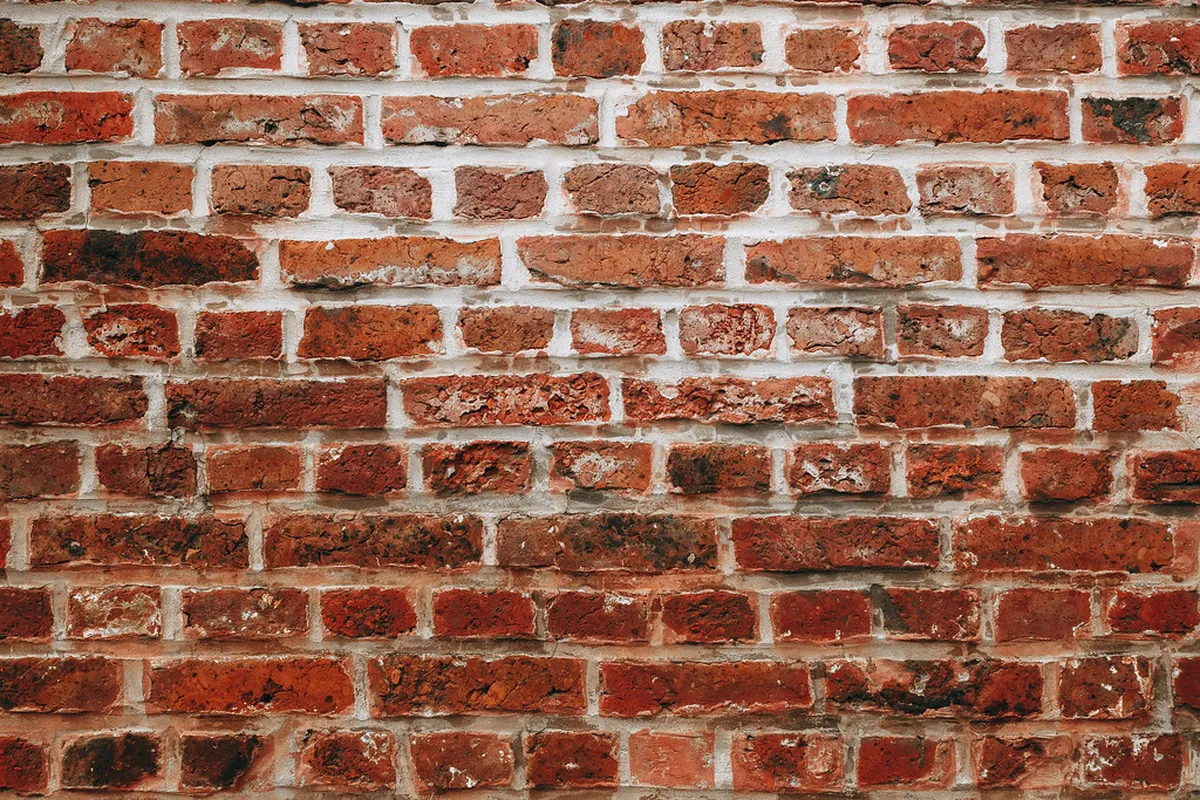
The specific look of the city comes from the geological resources available to builders in the surrounding countryside. Red clay was abundant in the river valleys near the city and provided the base for the bricks. These bricks were fired in local kilns to produce a range of colors from orange to deep purple. This natural variation adds depth and character to the walls of both small houses and large public buildings.
White limestone was brought in from nearby quarries to provide a sharp contrast to the dark red brickwork. Architects used this softer stone for the more delicate parts of the design like cornices and window surrounds. The limestone allowed artists to carve very fine details that would be impossible to achieve with standard bricks. This combination of materials is a signature look that identifies the architectural heritage of the entire region.
Maintaining these historic facades requires specialized knowledge and traditional techniques to ensure they last for future generations. Modern restoration projects in 2025 use lime-based mortars that allow the old bricks to breathe and stay dry. You might see scaffolding on various streets as workers carefully clean the stone and replace any damaged bricks. These efforts help to keep the city looking beautiful and preserve the unique atmosphere of the old town.
The durability of these materials has allowed the city to maintain its historic charm despite centuries of urban growth. Brick is excellent at resisting the damp climate of the north while providing good insulation for the buildings. You will find that many newer structures in the city also use these materials to honor local history. This continuity helps to create a cohesive look across different neighborhoods and eras of construction.
Notable Houses in the Vieux Lille District
The best way to see these styles is to take a Vieux Lille architectural walking tour through the cobblestone streets. Rue de la Monnaie and Rue Royale contain some of the finest examples of private mansions from the 1600s. Many of these homes feature large carriage entrances and internal courtyards that are hidden from the main street. You can see how the red brick and stone facades in Lille changed as fashions evolved over time.
Some houses incorporate more French influence with flatter facades and less ornamentation on the upper levels of the walls. Others remain strictly Flemish with highly decorated gables that face the street to show off their wealth and style. The mix of these two traditions is what makes the architecture of Lille so fascinating for modern visitors. Every building tells a slightly different story about the family that originally commissioned its construction centuries ago.
Keep an eye out for the Maison de Gilles de la Boë which sits near the old harbor. This house is famous for its exceptionally rich decorations and perfectly preserved stone carvings on the exterior walls. It serves as a prime example of how the elite lived during the peak of the trading boom. The proportions of the building show a mastery of classical design and local building traditions combined.
Many of these historic buildings now house luxury boutiques and high-end restaurants that welcome visitors from around the world. You can enjoy a meal inside a dining room that still features original wooden beams and thick masonry. Exploring the interiors of these shops is a great way to see the structure of the houses. This blend of history and modern commerce keeps the district lively and relevant for everyone today.
Tips for 2025 Architectural Sightseeing
Planning your visit during the spring or autumn will give you the best light for seeing the building details. The low sun in these seasons casts long shadows that emphasize the depth of the stone carvings and patterns. You should also consider visiting the Lille architecture photography spots early in the morning. Fewer crowds will be present, allowing you to capture clear shots of the most famous facades and squares.
Wear comfortable shoes because the best way to see the architecture is by walking through the pedestrian-only zones. Many of the streets are paved with original cobblestones that can be quite uneven and difficult for some footwear. Take time to stop at a local cafe and sit outside to truly appreciate the surrounding streetscape views. This allows you to notice the small details that you might miss while you are walking quickly.
Check the local tourism office for special guided tours that focus specifically on the history of the masonry work. These tours often grant access to private courtyards that are usually closed to the general public during the week. Learning about the specific symbols in the carvings will make your visit much more meaningful and interesting for you. You will gain a deeper appreciation for the effort required to build such beautiful and lasting structures.
Consider visiting during the annual Heritage Days in September when many historic buildings open their doors to everyone. This is a rare chance to see the grand staircases and decorated rooms inside the most famous facades. Expect some lines at the most popular sites, but the experience is well worth the wait for fans. The city truly comes alive during this time with many cultural events and special architectural exhibitions.
Frequently Asked Questions
What is the best street to see red brick houses in Lille?
Rue de la Monnaie is widely considered the best street for viewing historic red brick and stone facades. It features many well-preserved buildings that showcase the classic Flemish Baroque style from the seventeenth century. You can walk from the Grand Place to the hospice Comtesse to see the best examples easily.
Why did architects use both brick and stone in Lille?
Architects used brick because it was a cheap and abundant local material found in the nearby northern plains. They added stone for the structural corners and window frames because it allowed for more intricate and durable carvings. This combination created a distinctive look that became the standard for high-end construction in the city.
Are the historic buildings in Lille open to the public?
Most of the historic facades belong to private homes or shops that you can only view from the street. However, public buildings like the Vieille Bourse and local museums allow visitors to explore their courtyards and interiors. Many shops in Vieux Lille occupy these buildings, so you can enter them while browsing for local goods.
Lille remains a premier destination for anyone who appreciates historic and colorful European building styles in 2025. The red brick and stone facades in Lille create a unique urban environment that is both grand and welcoming. You will find endless beauty in the details of the Flemish Baroque architecture found throughout the old city. Plan your visit to Northern France today to see these incredible structures with your own eyes.
Key Takeaways
- Visit the Vieille Bourse for the most detailed examples of local stone carving work.
- Explore the streets of Vieux Lille on foot to discover hidden courtyards and ornate gables.
- Look for the contrast between red brick and white limestone which defines the regional style.
- Plan your photography for the early morning or late afternoon to get the best lighting.
Related reads: architecturebycity.com, architecture in lille, lille renaissance style characteristics.