
Backstage Tours of Opera Nouvel: 2025 Guide
Explore the secrets of Lyon with backstage tours of Opera Nouvel. See the Jean Nouvel design and book your 2025 visit today for an unforgettable trip.
On this page
Discover the hidden magic of France by booking backstage tours of Opera Nouvel during your next visit to Lyon. This architectural masterpiece stands as a symbol of how the city combines historic charm with very modern artistic visions. Visitors can now explore the restricted areas where world-class performers prepare for their grand evening shows and musical events.
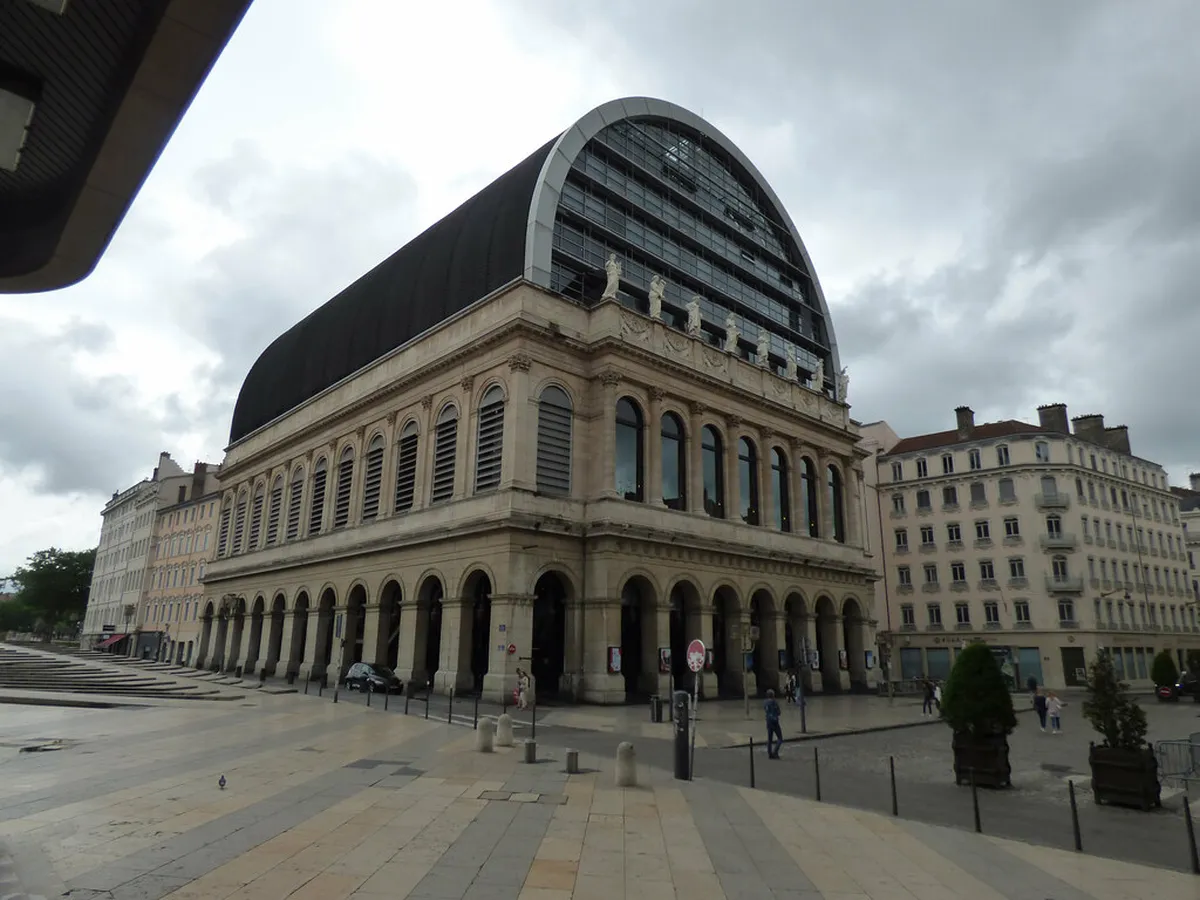
The building represents a unique blend of nineteenth-century style and bold contemporary features designed by the famous architect Jean Nouvel. You will walk through the corridors that connect the past to the future of French theater and operatic culture. These tours offer a rare chance to see the inner workings of a major international venue in the year 2025.
The History of Jean Nouvel Opera House Lyon Design
The story of this building begins with the original structure built in 1831 by architects Chenavard and Pollet. Jean Nouvel won a major competition in 1986 to modernize the aging theater for a growing urban population. He decided to keep the historic stone facades while completely transforming the interior and the roof of the building. This creative approach created the world-famous Jean Nouvel Opera House Lyon design that we see today.
Nouvel expanded the total volume of the theater by digging deep into the ground and building high above the walls. This radical change allowed the house to host larger productions and more audience members than ever before in history. The project remains one of the most significant examples of architecture in Lyon from the late twentieth century. It perfectly demonstrates how old cities can evolve without losing their unique historical identity and heritage.
The interior design uses a dark color palette to focus all attention on the performers and the music. Black walls and red lights create a mysterious atmosphere that prepares the audience for a magical evening of art. Every material used inside the building was chosen to enhance the acoustic quality of the grand main performance hall. You will learn about these specific design choices during your guided walk through the different levels of the house.
Critics initially questioned the bold glass dome that sits on top of the original neoclassical stone base of the building. However, the structure quickly became a beloved landmark that defines the skyline of the city in a modern way. It serves as a bridge between the tradition of the past and the innovation of the current digital age. Seeing this contrast up close is a highlight for any traveler interested in international art and design.
The renovation was finally completed in 1993 and immediately received praise for its technical brilliance and aesthetic daring. It continues to inspire architects and students who visit the city to study modern urban development and creative restoration. Your tour will explain the engineering challenges faced by the team during the construction of the underground stage areas. This history makes every step through the building feel like a journey through time and human creative effort.
Exploring the Technical Wonders of the Backstage Areas
Walking into the backstage areas feels like entering a complex machine designed to produce high-quality art and sound. You will see the massive stage elevators that move heavy sets between the different levels of the theater basement. These technical systems allow the opera to change scenery quickly between acts of a long and complex performance. The sheer scale of the machinery hidden from the audience is truly impressive to see in person.
The tour takes you into the costume workshops where talented artists create beautiful outfits for every new production. You can observe the detailed work that goes into making historical dresses and modern costumes for the various dancers. These professionals work for months to ensure that every singer looks perfect under the bright lights of the stage. It is a quiet world of craft that supports the loud world of the performing arts.
Guides will also show you the rehearsal studios where the ballet dancers practice their difficult routines every single morning. These rooms feature large windows that offer natural light and views of the surrounding streets of the city center. You will understand the physical dedication required to perform at the highest level of international dance and musical theater. This perspective gives you a deeper appreciation for the shows you might watch later that same evening.
The technical control rooms are another fascinating stop on the route of the professional backstage tours of Opera Nouvel. Here, experts manage the complex lighting and sound systems that bring every story on the stage to vibrant life. You will see the rows of monitors and control boards that synchronize every movement during a live opera show. It is a perfect example of how technology supports the traditional arts in the twenty-first century.
Finally, you will stand in the wings of the stage and look out into the empty grand auditorium seats. This view allows you to experience the building from the perspective of the famous artists who perform here regularly. The silence of the empty hall is powerful and gives you time to reflect on the beauty of design. It is a moment of peace before the energy of a live performance takes over the entire house.
Viewing the Iconic Opera de Lyon Glass Dome Architecture
The most striking feature of the entire building is undoubtedly the massive glass vault that sits on the roof. This structure houses the rehearsal spaces for the ballet and offers incredible views of the city of Lyon below. The Opera de Lyon glass dome architecture provides a bright contrast to the dark and moody performance halls. It serves as a reminder of the transparency and openness that modern French culture values so much today.
Natural light floods into the top levels of the building through the curved glass panels of the giant dome. This design choice reduces the need for artificial lighting during the day and creates a pleasant workspace for staff. You can see the historic rooftops of the Presqu'ile district from this high point in the city center. The dome glows like a lantern at night and guides people toward the cultural heart of the town.
Engineering this dome required precise calculations to support the weight of the glass and the steel framework used here. It sits perfectly on top of the original stone walls without damaging the structural integrity of the old theater building. This integration of new materials into old structures is a key theme of the entire architectural tour experience. You will learn about the specialized glass used to regulate temperature inside the rehearsal rooms during the summer.
The dome also serves as a public space where visitors can enjoy the atmosphere of the city from above. It has become one of the most photographed spots in Lyon for tourists and architecture lovers from around the world. Being inside the vault allows you to feel the scale of the sky while remaining protected from the weather. It is a masterclass in how to use light as a primary building material in modern design.
During the tour, your guide will explain how the dome was constructed without disrupting the busy life of the city. Workers used giant cranes to lift the steel beams into place over the course of several difficult months. This achievement helped Jean Nouvel win the Pritzker Prize, which is the highest honor in the field of architecture. The glass dome remains his most famous contribution to the urban landscape of this historic French city.
Tips for Planning Your Visit to the Opera in 2025
Booking your tickets for backstage tours of Opera Nouvel should be done several weeks in advance for the year 2025. These tours are very popular and often sell out during the peak tourist seasons in spring and summer. You can find the latest schedule and prices on the official website of the Opera de Lyon theater. Group sizes are kept small to ensure that everyone can hear the guide and move through the corridors.
The tours usually last about ninety minutes and involve a significant amount of walking and climbing many narrow stairs. Wear comfortable shoes and bring a small bottle of water to stay hydrated during your journey through the building. Please note that large bags and backpacks are not permitted inside the backstage areas for safety and security reasons. Lockers are available in the main lobby for you to store your personal items during the guided tour.
Photography is generally allowed in most parts of the building, but you must turn off your flash for others. Your guide will inform you if there are specific areas where cameras are restricted due to ongoing rehearsals or sets. Capturing the contrast between the black walls and the glowing red lights makes for excellent social media photos. Be respectful of the artists who may be working in the studios as you pass through their space.
The Opera House is located at Place de la Comedie, which is very easy to reach using public transport. Take the Metro Line A to the Hotel de Ville station and walk for just two short minutes. This central location means you are close to many excellent restaurants and cafes for a meal after your tour. You can also explore the nearby Fine Arts Museum or the City Hall building on the same afternoon.
Check the weather forecast before you visit, as the glass dome can get quite warm on very sunny days. The interior of the theater is climate-controlled, but some backstage areas might feel a bit cooler than the lobby. Plan to arrive at least fifteen minutes before your scheduled start time to check in at the welcome desk. Following these simple tips will ensure that your visit is smooth and enjoyable for your whole travel group.
The Impact of Architecture in Lyon Urban Planning
The Opera Nouvel project served as a catalyst for the total revitalization of the center of the city of Lyon. It showed that modern architecture could live in harmony with the rich history of a UNESCO World Heritage site. This success encouraged the city to invest in other bold projects in the Confluence and Part-Dieu districts recently. The building acts as a focal point for the cultural identity of the people living in the region.
By using the existing facade, Jean Nouvel respected the collective memory of the citizens while offering them something new. This approach to urban planning is now studied by city leaders from all across the globe and other countries. It proves that we do not have to destroy the past to make room for a functional modern future. The Opera House stands as a proud testament to this philosophy of sustainable and respectful urban development.
The building also creates a vibrant public space that attracts thousands of visitors to the city center every single month. This increased foot traffic supports local businesses like shops, hotels, and traditional French bistros located in the area. It demonstrates the economic power of investing in high-quality architecture and the performing arts for a growing city. You will feel the energy of the neighborhood as soon as you step out onto the square.
As you walk around the exterior, notice how the building reflects the lights of the city in its glass. This visual connection makes the Opera feel like it is a living part of the streets of Lyon itself. It does not sit apart from the city but rather embraces it through its transparent and reflective modern surfaces. This design choice helps the public feel like the building belongs to everyone who lives in the community.
In the year 2025, the Opera House remains a vital part of the urban fabric and the local social life. It hosts a wide variety of events that go beyond traditional opera and classical music for all age groups. From hip-hop dance to modern jazz, the space adapts to the changing tastes of the modern French audience. This flexibility is the true mark of a successful and enduring architectural design for the future.
Frequently Asked Questions
How long do the backstage tours of Opera Nouvel last?
The standard backstage tours of Opera Nouvel typically last for approximately ninety minutes from start to finish. This time allows you to explore multiple levels and see the technical areas without feeling rushed. Your guide will provide plenty of detailed information about the history and the modern design of the building.
Are the backstage tours accessible for people with limited mobility?
The backstage tours involve climbing many stairs and walking through narrow corridors that may be difficult for some guests. However, the Opera House does offer specific tours that are adapted for visitors with limited mobility upon request. It is best to contact the ticket office in advance to discuss your specific needs for the visit.
Can I buy tickets for the tour on the day of my visit?
While some tickets might be available at the desk, it is highly recommended to book your spot online in advance. These tours are very popular and frequently sell out several days before the scheduled date in the year 2025. Booking early ensures that you can choose the specific time that fits best with your travel itinerary.
Is the tour available in languages other than French?
The Opera de Lyon offers backstage tours in several languages, including English and Spanish, on specific days of the month. You should check the official calendar on their website to see which dates offer tours in your preferred language. Audio guides might also be available for some parts of the experience to help with translation.
Is there a minimum age requirement for children on the tour?
Children are welcome on the backstage tours, but the experience is generally recommended for those aged eight and older. Younger children might find the long walk and technical explanations difficult to follow during the ninety-minute session. Family tickets are often available at a discounted rate to make the visit more affordable for everyone.
The backstage tours of Opera Nouvel offer a deep dive into the heart of French creativity and modern engineering. You will leave with a new understanding of how Jean Nouvel transformed a historic building into a world-class venue. This experience is a must for anyone visiting Lyon who loves art, history, and beautiful architecture in 2025. Make sure to book your tickets today to secure your place on this unique and inspiring journey.
Key Takeaways
- Book your 2025 backstage tour online at least two weeks in advance to ensure availability.
- Wear comfortable walking shoes because the ninety-minute tour involves many stairs and long corridors.
- Visit the glass dome at the top of the building for spectacular views of the Lyon skyline.
- Take public transport to the Hotel de Ville station for the easiest access to the Opera House.
Related reads: architecturebycity.com, modernizing historic structures in lyon, renaissance architecture in vieux lyon.