
Musée des Confluences Architecture Analysis
Explore this deep Musée des Confluences architecture analysis. Discover Lyon’s futuristic landmark and plan your 2025 architectural tour of France today!
On this page
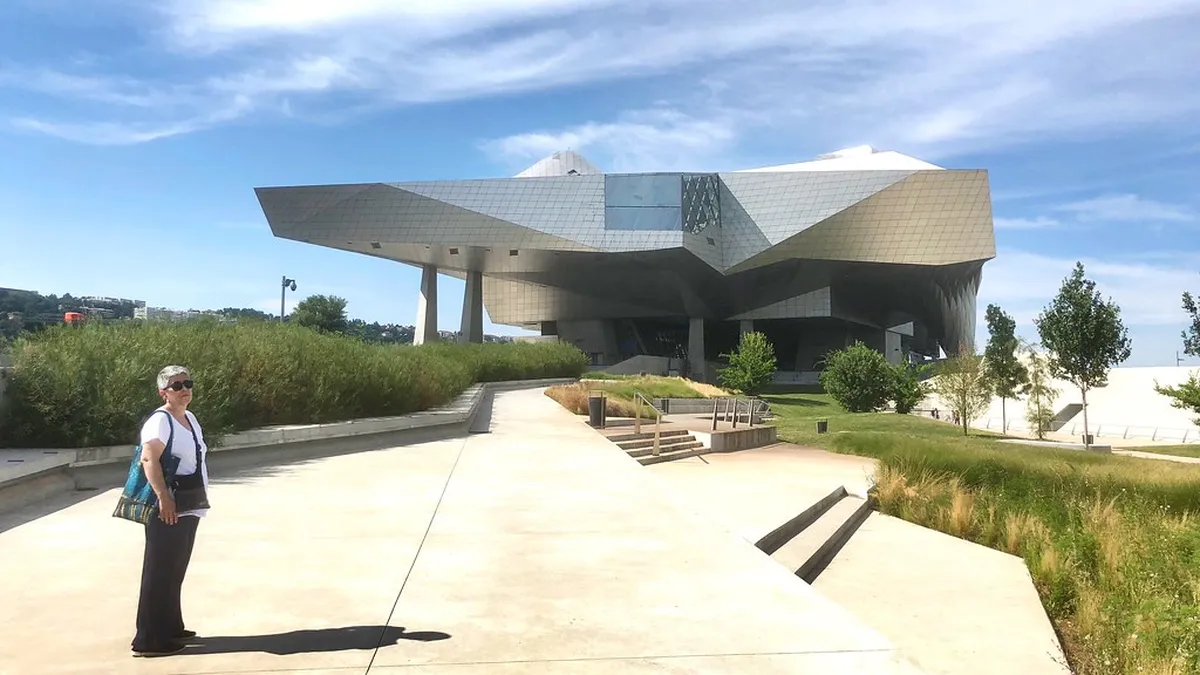
The Musée des Confluences stands as a bold and futuristic landmark in the city of Lyon. This building represents a masterclass in modern design and engineering for all visitors to see. Our Musée des Confluences architecture analysis explores how this structure redefines the local city skyline. It sits perfectly at the meeting point of two major rivers in the heart of France.
This iconic structure attracts thousands of people interested in science and modern art every year. The museum serves as a gateway to the renovated district of the Confluence in southern Lyon. Architects around the world study this project for its daring shapes and complex building techniques. It remains one of the most significant cultural projects in France from the last twenty years.
The Design Concept of the Crystal and the Cloud
The architects envisioned a bridge between diverse fields of knowledge and the general public. They used the abstract concepts of the Crystal and the Cloud to guide the design. The Crystal represents the transparent and open entrance for all the visitors to the museum. The Cloud holds the vast collection of scientific and historical exhibits within its opaque walls.
The Crystal faces the city and invites people inside to explore the grand indoor foyer. It acts as a bright urban square for the local community and international tourists alike. Large glass panels allow natural light to fill the entire space during the bright daytime hours. This clear space connects the museum directly to the surrounding urban environment and the river.
The Cloud floats above the site on massive steel pillars and concrete support structures. This part of the building houses the permanent exhibition galleries and several temporary displays. Its opaque metal skin contrasts sharply with the light and airy glass of the Crystal section. This design creates a sense of mystery for the visitors as they move through the building.
Architects wanted to create a space that feels both solid and ethereal at the same time. The interaction between these two volumes defines the unique character of the entire museum site. Visitors experience a transition from the light-filled entrance to the focused darkness of the galleries. This journey reflects the process of discovering new scientific knowledge and historical facts today.
Engineering the Steel and Glass Structure
Constructing this building required advanced engineering and very high-quality materials from around the world. Over 6,500 tons of steel were used for the main frame of the massive structure. The complex geometry challenged the builders at every single stage of the long construction process. This massive effort resulted in one of Europe’s most unique and recognizable architectural shapes.
The Gravity Well is a central feature of the Crystal section of the museum. This massive steel funnel supports the large glass roof structures above the main entrance hall. It directs the structural forces down to the ground level in a very efficient way. Engineers used digital modeling to ensure the stability of the well and the glass panels.
The exterior skin consists of thousands of stainless steel plates and clear glass panels. These materials reflect the changing light of the Lyon sky throughout the different seasons. Many panels have unique shapes to fit the curved and angular surfaces of the Cloud. This precision creates a seamless look across the entire building for a clean aesthetic.
The foundation of the museum had to be incredibly strong to support the weight of the steel. It sits on a peninsula where the soil is often soft and saturated with river water. Engineers installed deep piles to anchor the building firmly into the stable ground below the site. This technical achievement allows the massive structure to sit safely between two powerful flowing rivers.
Role in Lyon Confluence Contemporary Architecture
This museum serves as the flagship for the entire Confluence district in southern Lyon. This area was once an industrial wasteland located near the historical city center of Lyon. Now it showcases some of the best Lyon Confluence contemporary architecture found in Europe today. The museum anchors this massive urban renewal project for the benefit of all citizens.
The project transformed the southern tip of the Presqu'île peninsula into a modern cultural hub. Architects from around the world contributed to the new layout of this innovative green district. The museum provides a cultural heart for this modern neighborhood in the south of the city. It draws thousands of tourists to this former shipping port and industrial storage area.
Urban planners wanted to reconnect the city with its two major rivers through this project. The museum grounds include walking paths and scenic viewing points for the general public to enjoy. People can enjoy the view where the Rhône and Saône rivers meet in a stunning way. This integration of nature and art defines the local spirit of the Confluence area.
The surrounding buildings complement the museum with their own unique and modern architectural styles. You can find colorful residential blocks and sleek office towers within a short walking distance. This variety makes the area a top destination for students of design and urban planning. The museum remains the most daring and famous piece of the entire local collection.
Deconstructivist Style and Firm Legacy
The famous firm Coop Himmelb(l)au designed this radical and experimental architectural masterpiece in Lyon. They are famous for their bold and deconstructivist designs that challenge traditional building rules. This style often features fragmented shapes and non-rectilinear forms that create a sense of movement. The museum perfectly embodies these innovative design principles through its chaotic yet organized shape.
Conventional rules of symmetry do not apply to this structure in any obvious or traditional way. The building looks completely different from every single angle you choose to view it from. This dynamic form captures the energy of the flowing rivers that surround the museum site. It constantly challenges the viewer to rethink traditional museum building designs and modern urban spaces.
This project represents a larger trend in modern architecture in Lyon during the last decade. The city continues to embrace daring and modern building styles for its new public projects. This museum remains the most famous example of this bold shift in local design philosophy. It proves that Lyon is a leader in modern design across the entire country.
The architects wanted to create a building that feels like a living and breathing organism. They avoided static shapes and opted for a design that feels like it is evolving. This approach creates a sense of excitement and discovery for everyone who visits the site. The firm’s legacy is firmly cemented through this successful and provocative cultural landmark.
Interior Spatial Experience and Flow
Moving through the museum feels like exploring a complex and evolving natural landscape. Ramps and bridges connect the different levels of the Cloud in a very fluid way. The interior layout encourages visitors to find their own paths through the various exhibit rooms. This flow reflects the fluid nature of the river site and the movement of water.
Large windows offer surprising and beautiful views of the surrounding city and the rivers. You can see the historic districts from the upper balconies and the public cafe. These visual links remind visitors of the museum’s local context and its urban roots. The contrast between the old city and the new museum is very striking.
The exhibition halls offer flexible spaces for various types of museum displays and art. High ceilings allow for large-scale installations and massive scientific objects from the past. Modern lighting systems enhance the experience within the dark and focused exhibition galleries. Every room offers a new architectural surprise for the guest as they walk through.
The use of raw concrete and metal inside creates a very modern and industrial feel. This aesthetic choice pays homage to the history of the site as a former port. However, the spaces remain warm and welcoming through clever lighting and intuitive visitor paths. It is a building that prioritizes the experience of the person over the object.
Practical Information for Visitors in 2025
Planning your trip for 2025 requires some basic preparation to ensure a very smooth visit. The museum is open from Tuesday to Sunday every week for the general public. Tickets cost approximately 12 Euros for adults at the moment for full museum access. You should book your tickets online to avoid the long entry lines at the door.
Use the T1 tram line to reach the museum easily from the main train stations. The tram stop is located right in front of the building for your convenience. This is the most convenient way to travel from central Lyon to the Confluence. Check our practical guide for Lyon architecture lovers to find more tips for your trip.
Allow at least three hours to explore the entire site and the museum exhibits. The outdoor gardens are free and offer great photo spots for your social media. Visit during the late afternoon for the best lighting conditions on the building skin. The sunset reflects beautifully off the steel and glass surfaces during the clear evenings.
The museum includes a gift shop and a restaurant with views of the river. You can buy books about architecture and science to remember your visit to Lyon. The surrounding park is perfect for a walk after you finish exploring the interior galleries. It is a complete destination for families and solo travelers interested in modern culture.
Frequently Asked Questions
Who is the architect of Musée des Confluences?
The Austrian firm Coop Himmelb(l)au designed the famous museum in Lyon. They won the international competition for the project in 2001. Wolf D. Prix led the creative vision for the building and its unique shape.
Why is the building called the Crystal and the Cloud?
The name describes the two main parts of the unique structure. The Crystal is the glass entry part facing the city for visitors. The Cloud is the steel part housing the museum's large collections and exhibits.
How much did the Musée des Confluences cost to build?
The final cost reached nearly 330 million Euros in total for the project. This was much higher than the original project budget estimates from 2001. Complex engineering requirements caused several delays during the long construction period.
Is the Musée des Confluences worth visiting for fans of design?
Yes, it is a must-see for anyone who loves modern design and engineering. The structure is one of the boldest and most famous buildings in France. It offers unique photo opportunities and deep spatial experiences for all visitors.
The Musée des Confluences is a powerful symbol of modern Lyon and its future. This architecture deep dive shows the complexity and beauty of this unique project. We hope this Musée des Confluences architecture analysis helps your 2025 trip planning. Experience this stunning landmark for yourself on your next visit to the Confluence.
Key Takeaways
- The building uses a deconstructivist style with steel and glass materials.
- The Crystal and the Cloud concepts define the two main architectural volumes.
- It serves as a key landmark for the contemporary Confluence district renewal.
Related reads: architecturebycity.com, jakob macfarlane orange cube design, le monolithe lyon architects.