
Exploring the Architecture of the Château d'If
Discover the architecture of the Château d'If. Learn about this iconic fortress and coastal architecture in Marseille. Plan your historic visit for 2025 today!
On this page
The Château d'If stands proudly on a tiny limestone island just off the vibrant coast of Marseille. This landmark represents a vital piece of the coastal architecture in Marseille and rich French military history. Visitors in 2025 will discover a fortress that has survived centuries of harsh Mediterranean weather and naval battles. Its imposing silhouette defines the horizon and captures the imagination of travelers from around the entire world.
The strategic coastal architecture in Marseille evolved significantly because of this island stronghold. King Francis I commissioned the building during the sixteenth century to provide defense for the growing maritime port. The design focuses on military utility rather than the ornate decorations found in royal mainland palaces. This structure remains one of the most famous examples of early modern fortification in the southern French region.
The Origins of the Architecture of the Château d'If
King Francis I recognized the tactical importance of the Frioul archipelago during a visit in the year 1516. He ordered the construction of a square fortress to guard the entrance to the busy harbor of Marseille. Builders completed the primary structure by 1531 using local materials sourced from the surrounding rocky island terrain. This initial design aimed to deter naval invasions and assert royal authority over the rebellious local population.
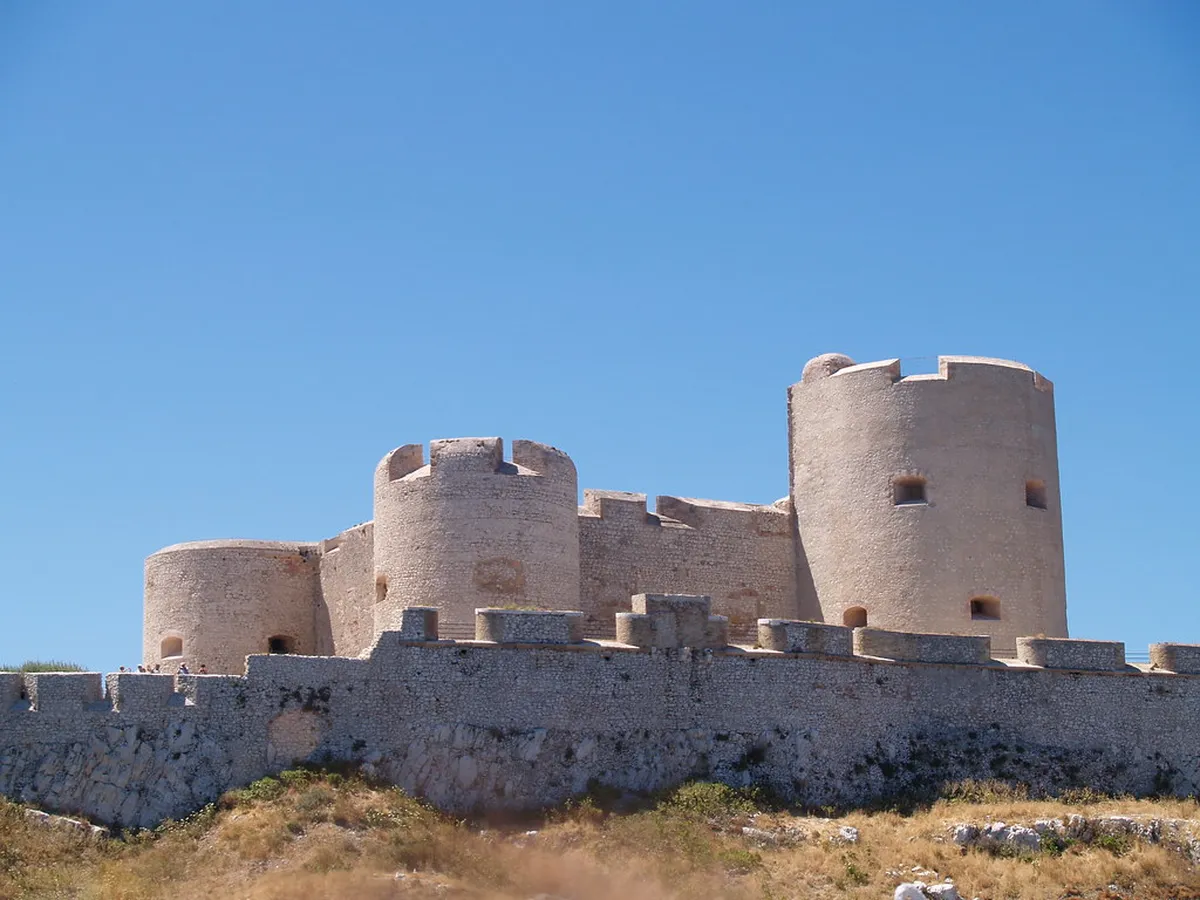
The architecture of the Château d'If reflects the transition from medieval towers to more advanced Renaissance artillery forts. Its three primary towers were built to house heavy cannons capable of reaching any approaching enemy warships. The thick outer walls provide excellent protection against the impact of heavy iron projectiles fired from the sea. This functional approach creates a stark and formidable aesthetic that defines the historic island landscape for all visitors.
Practicality guided every decision during the construction of this unique island fortress during the early sixteenth century. Architects integrated the foundations directly into the rugged limestone bedrock to ensure maximum stability against crashing sea waves. The height of the walls was carefully calculated to provide a clear line of sight over the Mediterranean. These early military considerations created a silhouette that remains virtually unchanged after five hundred years of history.
The cost of building such a fortress on a remote island was incredibly high for the French crown. Workers had to transport water and additional supplies across the sea from the mainland on small wooden boats. This logistical challenge influenced the compact nature of the architecture of the Château d'If within its rocky borders. Despite these difficulties, the result was a nearly impregnable bastion that protected the city for many generations.
Structural Layout of the Island Fortress
The fortress features a square central building that measures roughly twenty-eight meters on each of its four sides. Three cylindrical towers dominate the corners, providing wide angles for defensive fire against any potential naval intruders. The Tower of Saint Christophe is the tallest structure and offers commanding views of the entire maritime horizon. These towers represent a significant advancement in the architecture in Marseille and southern France.
A central courtyard sits at the heart of the complex to provide light and ventilation to the rooms. This open space contains a historic well that was essential for the survival of the garrison during sieges. The surrounding walls are nearly four meters thick to withstand the constant pressure of wind and salt spray. Modern visitors can still see the original masonry techniques used by the sixteenth-century French stonemasons and engineers.
Access to the upper levels is provided by narrow stone staircases located within the thickest parts of the walls. These stairs were designed for defense, making it difficult for attackers to move quickly through the inner fortress. The small windows, or loopholes, allowed soldiers to fire muskets while remaining protected from any incoming enemy fire. Every architectural detail served a specific purpose in the survival of the soldiers stationed on this isolated rock.
The ground level contains vaulted rooms that originally served as barracks for the elite soldiers and their officers. High ceilings and thick arches distribute the weight of the massive stone structure above these functional living quarters. You can find traces of original markings on the stone walls left by the builders during the construction. The combination of heavy stone and open spaces creates a cool environment during the hot Mediterranean summer months.
Defensive Elements and Coastal Engineering
The exterior of the fortress is characterized by its rough limestone finish and minimal decorative carvings or features. This choice was deliberate to ensure the walls would not crumble under the impact of naval artillery fire. The bastions at the base of the towers were reinforced to deflect cannonballs away from the main structure. This engineering brilliance protected the architecture of the Château d'If throughout several intense conflicts during its history.
Protective ramparts surround the main building and provide a platform for the infantry to patrol the island perimeter. These walls follow the natural contours of the island to maximize the defensive capabilities of the difficult terrain. The entrance is protected by a heavy gate and was historically reached by a small drawbridge over the rocks. Such features highlight the extreme isolation and security required for an offshore military outpost in the Mediterranean.
- Limestone Walls: The thick walls absorb the energy of cannon fire and the constant salty sea wind.
- Artillery Platforms: Wide rooftops allowed for the placement of various heavy weapons to guard the port.
- Moat and Rocks: The natural deep water and sharp rocks act as a secondary barrier for intruders.
- Observation Posts: Small turrets provide lookouts for approaching ships from every possible angle of the sea.
Engineers had to account for the corrosive nature of the saltwater when choosing materials for the metal fittings. Iron elements were often treated with lead or hidden within the stone to prevent rapid rusting and failure. The drainage systems were also vital to prevent rainwater from pooling and damaging the structural integrity of the fort. These technical details show the advanced understanding of coastal engineering possessed by the designers in the sixteenth century.
Interior Spaces and the Prison Transition
The architecture of the Château d'If shifted from a military fort to a state prison during the seventeenth century. Large barracks were partitioned into smaller cells to house prisoners ranging from common criminals to wealthy political figures. The upper cells featured windows and fireplaces, providing relatively comfortable conditions for the most affluent of the inmates. In contrast, the lower dungeons were carved directly into the damp rock without any light or fresh air.
The infamous lower cells are known as "pistoles," where prisoners without money were forced to live in misery. These spaces are incredibly small and illustrate the harsh reality of life within a remote maritime island prison. The lack of ventilation and constant moisture made these areas some of the most feared locations in France. Visitors today can enter these dark chambers to experience the oppressive atmosphere of the historic prison system.
Architectural modifications for the prison included the installation of heavy iron bars on every window and doorway. The original open layout was restricted to create a labyrinthine path that was easy for the guards to monitor. Strategic viewpoints allowed a small number of sentries to watch over a large population of varied prisoners. These changes transformed the internal architecture into a psychological tool of control and isolation for the French state.
One of the most famous fictional residents is Edmond Dantès from the novel The Count of Monte Cristo. While he was a fictional character, the cell attributed to him remains a popular site for many tourists. This cell features a hole in the wall, representing the escape attempt described in the classic literary work. The blend of fiction and reality adds a unique layer of intrigue to the architecture of the island.
Preservation and Tourism in Marseille 2025
Today, the Centre des Monuments Nationaux manages the fortress to ensure its preservation for future generations of visitors. Ongoing restoration projects focus on repairing the limestone walls damaged by the constant erosion of the Mediterranean Sea. Experts use traditional techniques and local stone to maintain the historical accuracy of the architecture of the Château d'If. These efforts ensure that the fortress remains a safe and educational destination for everyone visiting Marseille.
Tourism has become the primary function of the island, with thousands of people arriving by boat every single week. New pathways and safety railings have been added to allow visitors to explore the ramparts and the towers. Information panels provide detailed history about the engineering and the lives of those who lived within the walls. The site offers a unique perspective on the maritime history of France and the evolution of coastal defense.
The island ecosystem is also a concern for the preservationists who manage the site and its surroundings. Rare birds and unique plants thrive on the rocky outcrops around the base of the massive stone walls. Managed tourism helps to balance the need for public access with the protection of this delicate Mediterranean environment. Visitors are encouraged to stay on the marked paths to protect both the architecture and the local nature.
The view from the top of the towers remains the highlight for many people visiting the island today. You can see the modern skyline of Marseille contrasting with the ancient stone of the historic fortress walls. This visual connection bridges the gap between the sixteenth-century military past and the bustling modern city of 2025. It is a reminder of the enduring strength and relevance of the architecture of the Château d'If.
Frequently Asked Questions
How do I get to the Château d'If?
You must take a boat shuttle from the Vieux Port in the center of Marseille. Several companies offer regular trips to the island throughout the day during the tourist season. The journey takes about twenty minutes and offers great views of the city's coastline. It is best to book your tickets online in advance to secure your preferred departure time.
What are the opening hours and costs?
The fortress is typically open from 10:00 AM until 5:00 PM or 6:00 PM depending on the season. Entrance tickets usually cost around 7 to 10 Euros for adults in the year 2025. Discounts are available for students, children, and large groups visiting the site together. Always check the official website for the most current pricing and any unexpected weather closures.
Is the Château d'If accessible for people with disabilities?
The island features many uneven surfaces, steep stairs, and narrow passages that may be difficult for some. While the ground level is partially accessible, the towers and ramparts require climbing ancient stone staircases. Those with limited mobility should contact the site managers for specific advice before planning their island visit. Some boat companies provide accessible boarding for visitors using wheelchairs or walking aids.
Can I join a guided tour of the fortress?
Yes, the site offers guided tours that provide deep insights into the architecture and history of the fort. You can also find many Marseille architecture walking tours that include the island as a primary highlight. These tours often explain the military engineering and the famous legends associated with the prison. Self-guided audio tours are also available in multiple languages for a more personal exploration experience.
The architecture of the Château d'If remains a powerful symbol of the military history and coastal identity of Marseille. Its sturdy limestone walls have survived centuries of change, moving from a royal fort to a legendary prison. Visiting this site in 2025 offers a rare chance to step back into the sixteenth century while enjoying the sea. Make sure to include this iconic landmark on your next trip to the beautiful south of France.
Key Takeaways
- The fortress was built in 1531 by King Francis I for coastal defense.
- It features a square design with three massive defensive towers on a limestone island.
- The site transitioned from a military fort to a state prison in the 17th century.
- Access is only possible via a short boat ride from the Vieux Port in Marseille.
Related reads: architecturebycity.com, vallon des auffes traditional cabanons, villa valmer and corniche mansions.