
Vallon des Auffes Traditional Cabanons Guide
Visit the Vallon des Auffes traditional cabanons in 2025. Discover the best coastal architecture in Marseille and book your seafood dinner today!
On this page
Marseille offers a unique blend of urban grit and coastal charm within its neighborhoods. One hidden gem remains the Vallon des Auffes traditional cabanons located just off the Corniche. These tiny fishing huts represent the heart of local maritime heritage in southern France. Travelers visiting in 2025 will find a timeless atmosphere tucked away from the center.
This narrow inlet feels like a village frozen in time despite being in a major city. The small harbor is famous for its vibrant colors and historical significance. It provides a rare glimpse into the traditional lifestyle of Mediterranean fishermen. Visitors often come here to escape the bustling streets of the nearby Old Port.
History of the Vallon des Auffes Traditional Cabanons
The history of this harbor dates back to the middle of the 19th century. Italian rope makers first settled in this narrow rocky inlet to ply their specialized trade. They built small shelters called cabanons to store their nets and heavy equipment. These functional sheds eventually transformed into cherished weekend retreats for local families.
Today, these structures are protected symbols of the city's unique relationship with the sea. The harbor is named after the auffo grass used to make traditional fishing ropes. Local residents take great pride in maintaining these historic dwellings with vibrant colors. This area remains one of the most photographed spots in all of southern France.
Visiting the Vallon des Auffes traditional cabanons allows you to step back into a simpler era. The small port sits beneath a massive stone bridge built during the Second Empire. This bridge creates a dramatic frame for the colorful boats floating in the water. It provides a striking contrast between massive civil engineering and humble domestic dwellings.
The community here has fought hard to preserve the original character of the valley. Urban development projects have often threatened the existence of these small coastal properties. However, local regulations now ensure that any renovations must follow strict historical guidelines. This dedication keeps the 19th-century charm alive for future generations to enjoy.
Architecture of the Coastal Fishing Huts
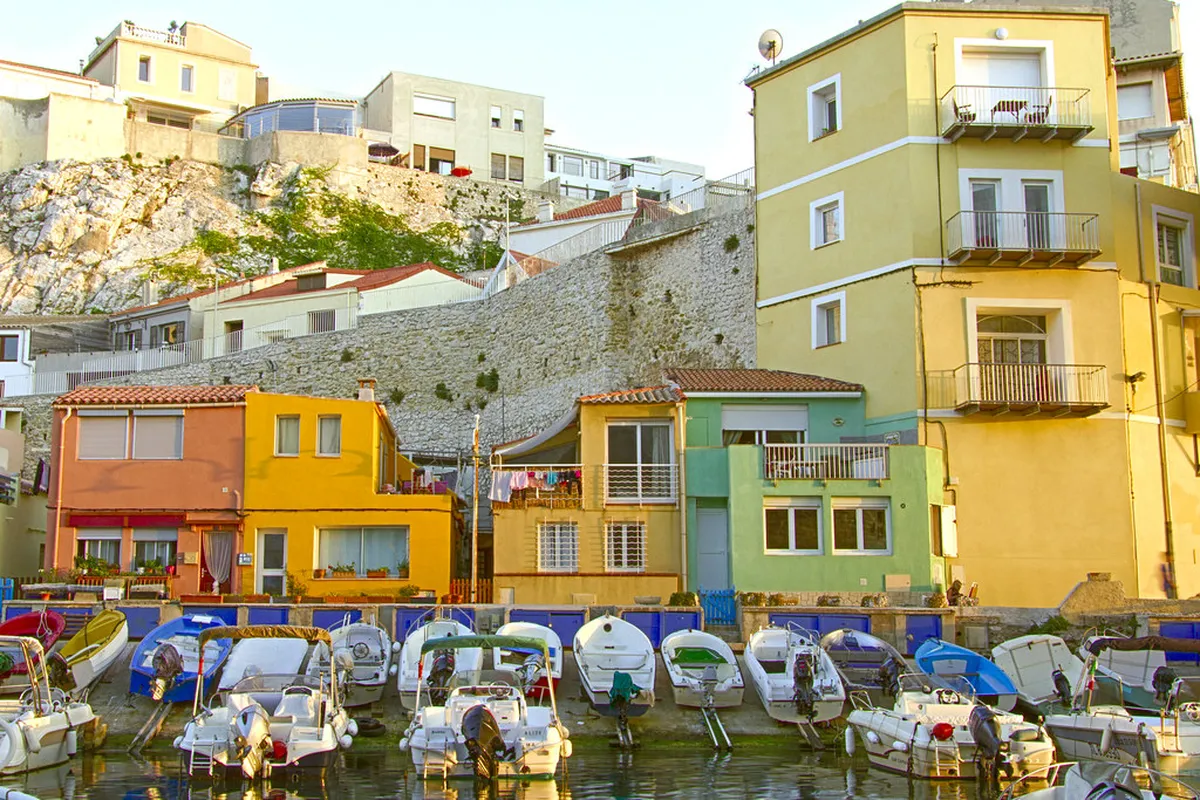
The architecture of the cabanons is defined by their extreme simplicity and space efficiency. Most units measure only a few square meters in total floor area. They typically feature thick limestone walls to protect against the strong Mistral winds. Brightly painted doors and window frames add a cheerful character to the landscape.
These structures exemplify the authentic coastal architecture in Marseille found along the shore. The roofs are usually flat or slightly sloped to handle the intense summer sun. Interior layouts often include a small kitchenette and a modest sleeping area. Every inch of space is utilized with clever built-in furniture and storage.
Many owners have added small terraces to enjoy the sea views during summer evenings. These outdoor spaces serve as the primary living room for the cabanon lifestyle. You will often see neighbors sharing meals and wine on these narrow stone ledges. The social fabric of the valley is woven into the layout of buildings.
Traditional lime plaster is used on the exterior walls to allow the buildings to breathe. This material helps regulate the temperature inside during the hot Mediterranean summer months. Small windows are designed to keep the interiors cool while providing enough natural light. These design choices reflect centuries of local knowledge regarding the coastal climate.
The Iconic Stone Bridge and Harbor Views
The massive stone bridge serves as a monumental gateway to the hidden harbor. This structure was completed in the 1860s during a period of major urban expansion. It features three large arches that allow the sea to flow into the inlet. The contrast between the heavy masonry and the delicate boats is truly stunning.
Walking across the top of the bridge offers a panoramic view of the Mediterranean. From this height, you can see the entire layout of the traditional cabanons below. The turquoise water creates a beautiful backdrop for the red and yellow facades. It is the perfect spot for taking wide-angle photographs of the harbor.
Descending the stairs from the bridge brings you into a different world entirely. The sounds of the busy city street above quickly fade into the distance. You are greeted by the gentle sound of waves and the smell of salt. This transition makes the arrival at the water's edge feel like a discovery.
The bridge also serves a practical purpose for the residents of the valley. It provides essential shade during the peak heat of the afternoon in July. Many fishermen use the area under the arches to repair their wooden boats. This functional space is a vital part of the daily harbor operations.
Dining and Gastronomy in the Valley
No visit to this area is complete without sampling the world-famous local fish soup. The restaurants here are renowned for using traditional methods to prepare authentic bouillabaisse. Chefs source their ingredients directly from the boats docked just a few feet away. This culinary tradition is deeply connected to the history of the cabanons.
L'Épuisette is one of the most famous dining spots located at the water's edge. It offers high-end Mediterranean cuisine with spectacular views of the sea and bridge. Expect to pay between eighty and one hundred fifty euros for a full meal. Reservations are absolutely necessary if you plan to visit during the weekend.
For a more casual experience, try a pizza from one of the local ovens. Chez Jeannot is a favorite among locals for its relaxed atmosphere and quality food. You can enjoy a meal for approximately twenty to thirty euros per person. The restaurant captures the true spirit of the Vallon des Auffes traditional cabanons.
Fresh seafood platters are also a popular choice for visitors during the summer months. These dishes usually include local oysters, sea urchins, and Mediterranean prawns. Eating fresh seafood while watching the fishing boats return is a quintessential Marseille experience. The quality of the ingredients is unmatched due to the proximity to the docks.
Exploring Nearby Marseille Coastal Landmarks
The Vallon des Auffes sits along the scenic Corniche Kennedy highway. Walking south will lead you toward the impressive Villa Valmer and Corniche mansions. These grand estates offer a sharp contrast to the humble fishing huts. Both styles contribute to the rich history of the city's beautiful coastline.
If you head north, you will quickly reach the vibrant district of the Old Port. This area showcases the Vieux Port regeneration project and its modern pavilions. Seeing these different styles helps visitors understand the evolution of local urban planning. Marseille successfully blends ancient maritime traditions with bold contemporary design.
Another nearby highlight is the Monument to the Heroes of the Orient. This massive sculpture stands on a rocky point overlooking the entrance to the harbor. It provides a solemn place for reflection with breathtaking views of the islands. The walk between these landmarks is considered one of the most beautiful.
Public transport makes it easy to visit several coastal sites in a single day. Bus line 83 connects the valley to many other architectural highlights along the shore. You can easily travel from the historic cabanons to the modern museum district. This convenience allows for a comprehensive tour of the city's diverse architecture.
Practical Tips for Your 2025 Visit
Planning a visit to Vallon des Auffes in 2025 requires some logistical preparation. The site is easily accessible by bus from the main city center area. You should arrive early in the morning to avoid the midday heat. Most visitors spend about two hours exploring the docks and taking photographs.
- Transport: Take bus 83 from the Old Port to the stop named Vallon des Auffes.
- Timing: Sunset is the best time for photography due to the golden lighting.
- Footwear: Wear comfortable shoes as the stairs and docks can be quite slippery.
- Etiquette: Always respect the privacy of the residents living in the small cabanons.
Please remember that the cabanons are private residences and not public museums. Avoid blocking the narrow entrances or peering through the windows of the huts. Maintaining this mutual respect helps preserve the welcoming nature of the fishing community. Travelers who are polite will find the locals to be very friendly.
Parking in this area is extremely limited and often impossible during the summer. We highly recommend using public transport or a taxi to reach the valley. If you must drive, look for parking lots further along the Corniche road. A short walk along the coast is a pleasant way to start your visit.
Frequently Asked Questions
Can I stay overnight in the Vallon des Auffes traditional cabanons?
Most cabanons are privately owned and used as secondary homes by local families. A few specific units might be listed on vacation rental platforms occasionally. However, traditional hotel options are more common in the surrounding neighborhood of Endoume.
What is the best time of year to visit the harbor?
Late spring and early autumn offer the most pleasant weather for walking. May and September provide warm temperatures without the intense heat of July. You will also encounter fewer crowds during these shoulder seasons in 2025.
Is there an entrance fee for the Vallon des Auffes?
The harbor and the public walkways are completely free to visit at any time. You only need to pay for your transportation and any meals you enjoy. It is one of the best free activities available in Marseille.
Are the restaurants in the valley child-friendly?
Most restaurants in the area welcome families and provide high chairs for younger guests. However, the narrow docks can be difficult to navigate with large strollers. We recommend using a baby carrier for a more comfortable experience near the water.
The Vallon des Auffes traditional cabanons remain a vital piece of Marseille's cultural identity. These humble structures tell a story of resilience and tradition in a changing city. Plan your visit in 2025 to experience this unique coastal landmark for yourself. Do not forget to book a table at a local restaurant for bouillabaisse.
Key Takeaways
- Arrive early in 2025 to avoid the peak tourist crowds at the docks.
- Respect the privacy of residents who live in the historic fishing huts.
- Use public bus 83 for the easiest access to the narrow inlet area.
- Book restaurant reservations well in advance for the best harbor views.
Related reads: architecturebycity.com, architecture in marseille, architecture of the chateau dif.