
La Friche Belle de Mai Renovation: 2025 Guide
Explore the La Friche Belle de Mai renovation in Marseille. Learn about this industrial heritage site and plan your 2025 visit today with our guide.
On this page
The La Friche Belle de Mai renovation transformed a derelict factory into a vibrant cultural hub. This massive project highlights the beauty of industrial heritage architecture Marseille has to offer today. It covers forty-five thousand square meters of creative space for the local public to enjoy. Artists and families gather here to experience the unique spirit of modern French urban design.
Visitors can explore various art galleries and performance spaces within the old factory walls. The site serves as a primary example of successful urban renewal in southern France. It provides a home for hundreds of creative organizations and independent local artists. You will find a perfect blend of history and innovation throughout the entire complex.
This guide explores the architectural significance and cultural impact of this iconic Marseille landmark. We will look at how the design preserves the industrial past for future generations. Plan your 2025 visit to see this masterpiece of industrial heritage architecture Marseille for yourself. Discover why this site remains a top destination for travelers seeking authentic culture.
The History of the Tobacco Factory Site
The building originally functioned as a major tobacco factory starting in the year 1868. It once provided steady employment for over one thousand workers from the surrounding neighborhoods. Industrial production continued at the massive facility until the early part of the 1990s. The closure left a significant void in the economic life of the Belle de Mai district.
Creative individuals began occupying the vacant structures shortly after the factory officially closed its doors. They saw immense potential in the high ceilings and wide open floor plans available. These early pioneers protected the site from demolition and paved the way for future growth. Their vision eventually led to the formal La Friche Belle de Mai renovation project we see.
The preservation of the original masonry remains a central feature of the current architectural design. Brickwork and stone elements tell the story of Marseille's industrious and hardworking past eras. Designers worked carefully to maintain the rugged aesthetic while updating the internal utility systems. This balance ensures that the historical narrative of the site stays visible to all.
Today the site stands as a testament to the resilience of Marseille's historic urban fabric. It represents a successful transition from the industrial age to the modern creative economy era. You can feel the weight of history as you walk through the vast corridors. The factory has found a new purpose while honoring its long and complex heritage.
Key Architectural Strategies for Adaptive Reuse
Architects employed a strategy of minimal intervention during the initial phases of the renovation work. They focused on making the structures safe and functional for diverse groups of creative users. This approach allowed the natural character of the factory to shine through the new additions. The resulting spaces feel both authentic to their history and ready for modern art.
Modern materials like steel and glass contrast beautifully with the heavy original concrete industrial frames. These new elements are often modular to allow for future changes in the site's layout. Flexibility is a core requirement for any successful architecture in Marseille project of this scale. The site can easily adapt to host large concerts or small private studio sessions.
The "Panorama" tower is one of the most striking modern additions to the historic complex. It provides a sleek glass facade that offers incredible views over the city and sea. This structure houses contemporary art galleries that require precise climate control and lighting levels. It serves as a visual bridge between the old factory and the modern skyline.
Large windows were restored to flood the deep interior floor plates with natural southern sunlight. This design choice reduces the need for artificial lighting during the bright daylight hours. It also creates a connection between the interior workshops and the busy streets outside. The architectural transparency reflects the open and inclusive nature of the entire cultural project.
Neighborhood Impact and Urban Regeneration
The renovation project acted as a powerful catalyst for the revitalization of the Belle de Mai. This neighborhood was historically underserved and struggled with high levels of local economic hardship. The influx of artists and visitors brought new life and business to the surrounding streets. Local cafes and shops now thrive due to the constant foot traffic the site generates.
Community engagement remains a top priority for the managers of this large-scale cultural facility. They offer workshops and educational programs for local children and students in the neighborhood. The site includes public gardens where residents can grow food and enjoy green space. It is a social heart for a community that previously lacked such accessible venues.
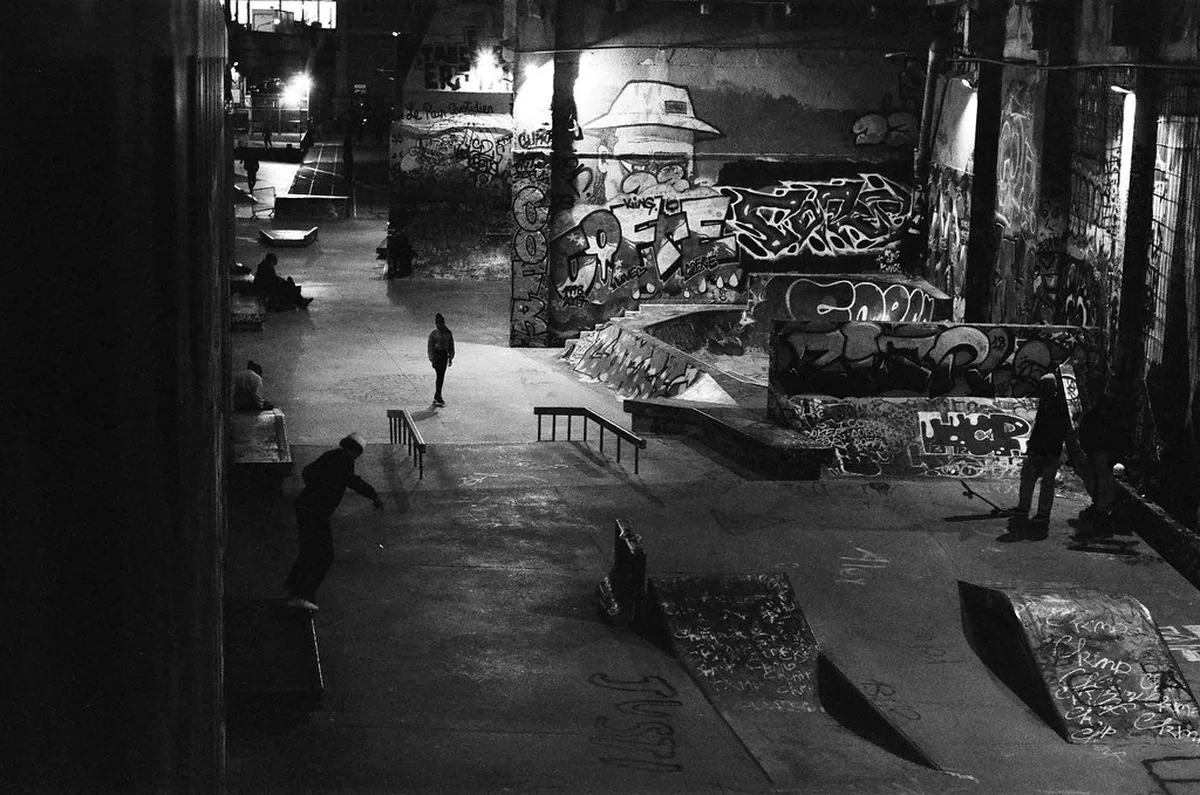
The skate park and playground areas attract young people from all over the city daily. These amenities are free to use and promote a healthy and active lifestyle for everyone. By providing high-quality public space the project has improved the overall quality of life. It serves as a model for other Vieux Port regeneration project initiatives across Marseille.
Economic development has followed the cultural success of the La Friche Belle de Mai renovation. New startups and digital firms have moved into the converted office spaces in recent years. This mix of art and business creates a dynamic environment for innovation and growth. The district is now recognized as one of the most creative zones in France.
Visitor Experience and 2025 Practical Details
Visiting the site in 2025 offers a unique look at the future of urban life. The grounds are typically open to the public from early morning until late at night. You can walk through the main courtyard and explore the rooftop terrace for free. Some specific events or exhibitions will require you to purchase a ticket in advance.
Practical Information for 2025:
- Address: 41 Rue Jobin, 13003 Marseille, France
- Hours: Daily from 9:00 AM to 11:00 PM
- Cost: Free entry to grounds; exhibits vary from 5 to 15 Euros
- Transport: Take the tram line T2 to the Longchamp station stop
The rooftop terrace is a must-see feature during the warm summer months in Marseille. It hosts open-air cinema nights and DJ sets with a view of the sunset. You should check the official website for the latest event schedules before your planned visit. The onsite restaurant serves delicious local meals using fresh ingredients from the surrounding region.
Accessibility has been improved with new elevators and ramps installed throughout the old factory complex. This ensures that everyone can enjoy the galleries and performance spaces without any physical barriers. Staff members are available to assist visitors with any questions regarding the site's layout. Plan for at least three hours to see the major highlights of the facility.
Sustainable Design and Future Outlook
Sustainability is integrated into the latest phases of the ongoing La Friche Belle de Mai renovation. Engineers installed solar panels on several of the large flat warehouse roofs to generate power. Rainwater harvesting systems collect water for use in the community gardens and green spaces. These green initiatives reduce the environmental footprint of such a massive industrial complex.
The use of thermal mass in the thick stone walls helps regulate interior temperatures naturally. This reduces the energy needed for cooling during the hot Mediterranean summer months in Marseille. Natural ventilation strategies were also implemented to keep the large hall spaces comfortable and fresh. Future updates will continue to focus on achieving a carbon-neutral status for the site.
Innovation labs within the complex are researching new ways to use recycled materials in construction. These teams collaborate with local architects to test sustainable building techniques on the site itself. The project serves as a living laboratory for the future of green urban development. It proves that historic buildings can meet modern environmental standards with the right design.
As we look toward the future the site will continue to evolve and grow. New digital art centers are currently under construction to meet the demands of modern artists. The commitment to maintaining the industrial heritage remains stronger than ever in every new phase. This site will remain a beacon of creativity for Marseille for many decades.
Frequently Asked Questions
Is the La Friche Belle de Mai renovation complete?
The site is fully operational but continues to undergo new phases of improvement in 2025. Architects are currently working on expanding the digital arts section and improving energy systems. This ongoing process ensures the space remains relevant to the needs of modern creative users.
How do I get to La Friche Belle de Mai?
You can easily reach the site by taking the Marseille tram or bus lines. The closest tram stop is Longchamp which is a short walk from the main entrance. Many visitors also choose to use the city's bike-sharing system for a scenic ride.
Are there restaurants at the Friche Belle de Mai?
Yes there is a popular restaurant called Les Grandes Tables located on the site. It offers a variety of seasonal dishes made with locally sourced French ingredients. There are also several snack bars and cafes spread throughout the cultural complex area.
What is the best time to visit the rooftop?
The rooftop terrace is most enjoyable during the late afternoon and early evening hours. You can watch the sun set over the city while enjoying a cool breeze. Check the schedule for special events like rooftop concerts or outdoor film screenings.
The La Friche Belle de Mai renovation is a true triumph of modern urban planning. It shows how industrial heritage can be saved and turned into something beautiful and useful. Visit Marseille in 2025 to experience this amazing mix of old and new architecture. You will leave with a deep appreciation for the creative spirit of this historic city.
Key Takeaways
- The site is a 45,000 square meter creative hub in a former factory.
- Entry to the general grounds and rooftop is free for all visitors.
- The project successfully revitalized the surrounding Belle de Mai neighborhood.
- Sustainability and adaptive reuse are core principles of the architectural design.
Related reads: architecturebycity.com, les docks de la joliette conversion, silo darenc concert hall history.