
Le Corbusier Modular Design Principles in Marseille
Learn about Le Corbusier modular design principles in Marseille. See the Unité d'Habitation and plan your 2025 architectural tour today with our expert guide.
On this page
Marseille is a vibrant city on the French coast. It features some of the most famous buildings in the world. The Le Corbusier modular design principles are visible throughout the Cité Radieuse. This structure changed how architects think about living spaces.
Many people visit the site to see its bold concrete forms. It remains a masterpiece of the modern movement in 2025. You can walk through the halls to feel the history. This building offers a unique look at how people live together in France.
The Foundation of the Modulor System
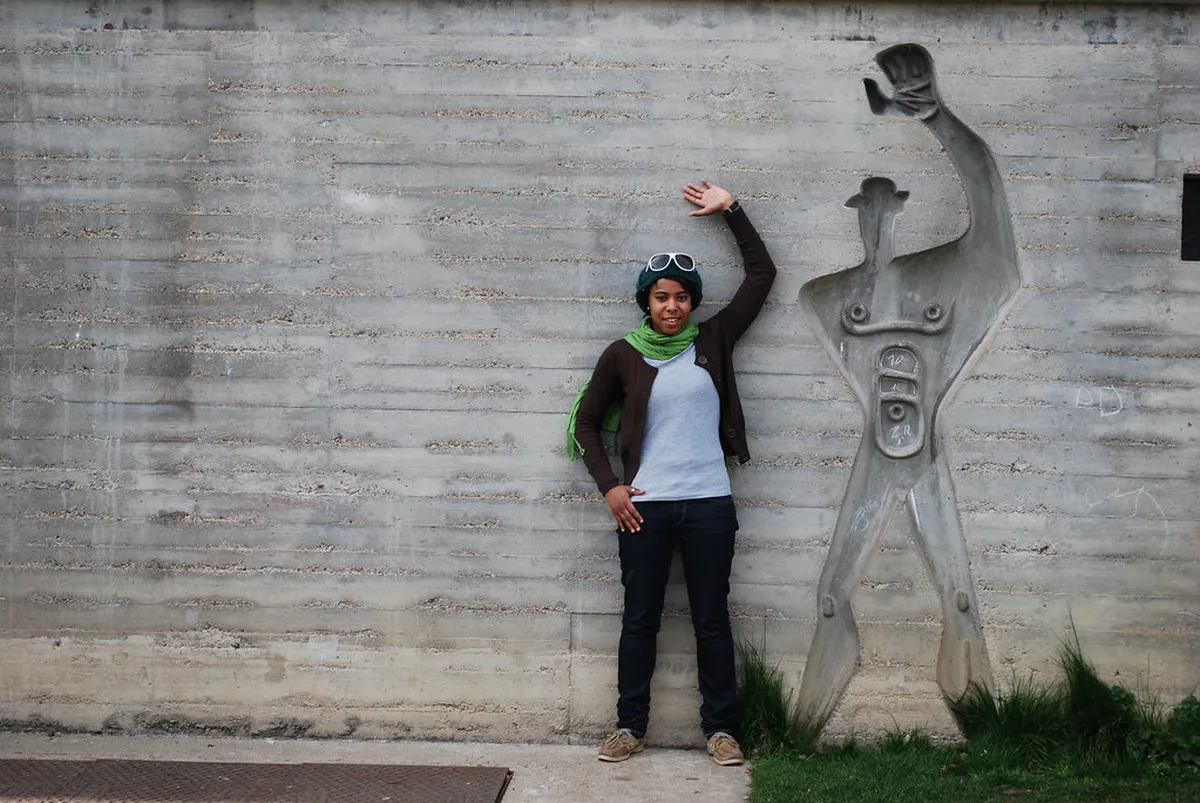
Le Corbusier wanted a new way to measure space. He felt the metric system was too detached from people. He created the Modulor to bring human scale back to design. This system uses a series of numbers based on human height.
The scale starts with a man standing at six feet tall. This height allows for comfortable reaching and walking. The proportions follow the mathematical beauty of the golden ratio. Designers use these steps to calculate room heights and widths.
Every dimension in the building relates to this central human figure. It creates a feeling of harmony within the concrete walls. You will notice the ceilings feel perfectly scaled to your body. This was a radical idea during the mid-twentieth century.
The system uses two main sets of numbers called scales. One scale is based on the height of a standing man. The second scale uses the height of a man with raised arms. These dimensions dictate every shelf, door, and window in Marseille.
Le Corbusier believed this harmony would improve the quality of life. He wanted residents to feel comfortable in their modern homes. The Modulor remains a core part of architectural education today. It shows the deep link between math and human comfort.
Implementing Le Corbusier Modular Design Principles
The building in Marseille acts as a giant laboratory for design. It applies the Le Corbusier modular design principles to a massive scale. Each apartment is a prefab unit slotted into the frame. This method allowed for faster construction after the Second World War.
The apartments are designed as long, narrow tubes of space. They stretch across the entire width of the building. This layout allows for natural light from two different sides. It also provides excellent cross-ventilation for every family living there.
The Unité d'Habitation Marseille features 337 unique apartments. These units interlock like pieces of a complex 3D puzzle. This design saves space while providing large living areas. It represents a major shift in urban housing strategies.
Large families and single residents both find suitable homes here. The modular approach allows for many different floor plans. You can see how the interior spaces change levels. This creates a dynamic environment that feels much larger than it is.
Residents often describe the units as cozy and functional. The built-in furniture follows the same mathematical proportions as the walls. Every kitchen and storage unit serves a specific purpose. This efficiency is a hallmark of the modular design philosophy.
The Vertical Garden City Concept
Le Corbusier called this building a vertical garden city. He wanted to provide all necessary services within one structure. The building includes internal streets that run through the floors. These wide hallways act as public paths for the residents.
You will find shops, a library, and even a hotel inside. This design reduces the need to travel into the city center. It creates a strong sense of community for the people. The modular layout makes these diverse functions possible in one place.
The internal streets are numbered for easy navigation by guests. They are wide enough for neighbors to stop and chat. Natural light enters these corridors through colored glass panels. This design choice makes the concrete interior feel warm and inviting.
Creating a city inside a building was a very bold goal. It aimed to solve the housing crisis in post-war France. The modular design ensured that every service fit perfectly together. It remains a model for high-density living in modern urban planning.
Modern visitors often marvel at the variety of the complex. It feels like a small village tucked inside a giant ship. The balance of private and public space is truly remarkable. This is why it remains a top destination for architects.
Brutalist Concrete and Artistic Textures
The building is a famous example of the brutalist style. It features raw concrete known as béton brut in French. This material shows the marks of the wooden molds used during construction. These textures add a human touch to the industrial material.
Brutalist architecture in Marseille is often associated with this specific building. The heavy pilotis at the base lift the structure off the ground. This creates a shaded public space for people to walk through. It also protects the garden areas from the Mediterranean sun.
The use of color is another key modular element here. Primary colors decorate the recessed balconies across the facade. These bright shades contrast with the grey tone of the concrete. They help to define the individual units from the outside.
Sunshades called brise-soleil protect the large glass windows. They are deep concrete fins that block the hot afternoon light. This feature is both functional and very visually striking. It creates deep shadows that change throughout the summer day.
Artists and photographers love the way light hits the concrete. The modular patterns create a rhythmic look on the exterior. You can see how the building changes character as the sun moves. It is a true masterpiece of light and shadow.
Rooftop Features and Public Spaces
The rooftop of the building is a stunning public terrace. It includes a running track, a paddling pool, and an auditorium. Le Corbusier designed this space for the physical health of residents. It offers incredible 360-degree views of Marseille and the sea.
The chimneys on the roof look like giant abstract sculptures. They serve as ventilation for the building's complex internal systems. These forms were also designed using the Modulor system of measurements. They create a surreal landscape against the bright blue sky.
Children can play in the shallow pool during the hot months. The rooftop serves as the lungs of the entire building complex. It is a peaceful escape from the busy streets of the city. Many residents gather here to watch the sun set over France.
The rooftop often hosts art exhibitions and community events. It remains one of the most popular parts of the building. You can feel the sea breeze while standing high above the ground. It shows the architect's commitment to providing open space for all.
Visiting the roof is a highlight for any architecture fan. The modular stairs and paths lead you through a concrete garden. It feels like standing on the deck of a great ocean liner. This experience is essential for understanding the building's true purpose.
Planning Your 2025 Marseille Visit
When visiting Unité d'Habitation Marseille, plan for at least two hours. The building is located at 280 Boulevard Michelet. You can reach it easily by taking the Marseille metro system. Look for the bus lines that stop right in front.
Guided tours are available for those who want deep insights. These tours often take you inside a preserved modular apartment. You can see the original kitchen designed by Charlotte Perriand. Booking in advance for 2025 is highly recommended for tourists.
The building is open to the public during daytime hours. You must respect the privacy of the residents who live there. Wear comfortable shoes as there is plenty of walking involved. The rooftop access may have a small fee for non-residents.
Do not forget to visit the small bookstore on the third floor. It sells many books about Le Corbusier and modern design. You can also enjoy a coffee at the hotel restaurant. The views from the restaurant windows are absolutely spectacular.
Marseille is a beautiful city to explore in the springtime. The weather is perfect for walking through the outdoor parks. You will find many other architectural gems nearby as well. This building is just the start of your French adventure.
Frequently Asked Questions
What are Le Corbusier modular design principles?
These principles use human proportions to create balanced spaces. The system is called the Modulor and uses the golden ratio. It ensures that buildings feel comfortable and functional for everyone.
Why is the Marseille building so famous?
It was the first vertical city of its kind in Europe. It used modular construction to provide high-quality housing for hundreds of families. The building defined the brutalist style for the next generation.
How can I tour the building in 2025?
You can book guided tours through the official visitor center website. Tours are available in multiple languages including English and French. Plan your visit during the morning for the best light conditions.
The Marseille building remains a beacon of modern architectural thought. Its use of the Le Corbusier modular design principles changed the world. You can see these ideas in cities all across the globe today. Visit Marseille in 2025 to experience this concrete masterpiece in person.
Key Takeaways
- Understand the 1.83m human scale of the Modulor.
- Explore the internal streets and mixed-use spaces.
- Visit the rooftop terrace for sculptures and views.
- Book guided tours in advance for the 2025 season.
Related reads: architecturebycity.com, architecture in marseille, cite radieuse rooftop access.