
Guide to Notre-Dame de la Garde Architectural Style
Explore the iconic Notre-Dame de la Garde architectural style in Marseille. Learn about its Neo-Byzantine design and gold mosaics. Plan your 2025 trip now!
On this page
Marseille's skyline is dominated by the majestic Good Mother basilica. This famous landmark showcases the unique Notre-Dame de la Garde architectural style. It stands 149 meters above the sea. This site has guarded the city for many centuries. Travelers enjoy the amazing views from this high point. The building serves as a spiritual beacon for locals. You will find incredible architecture in Marseille nearby. This guide explores every detail of its grand design. We will look at the materials used in its construction. Discover the history behind this religious masterpiece in France.
Defining the Notre-Dame de la Garde Architectural Style
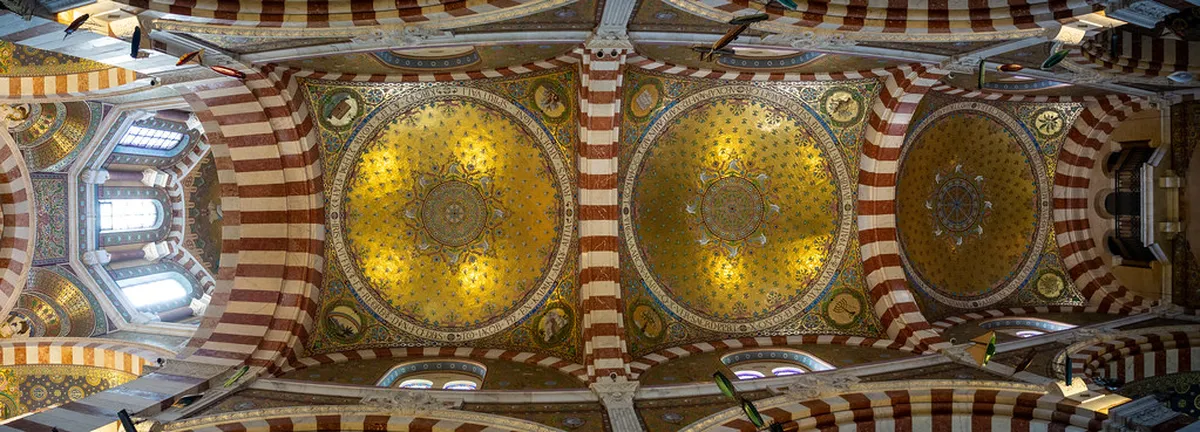
The Notre-Dame de la Garde architectural style is primarily Neo-Byzantine. This movement gained huge popularity in France during the 1800s. It features heavy use of domes and colorful striped stones. The architect chose this style to reflect Mediterranean history. It looks very different from northern French Gothic cathedrals. You might notice similar features in the Cathedral La Major architecture across the city.
Green and white limestone creates a unique striped pattern. These stones came from quarries in Florence and local sites. The exterior displays a beautiful contrast against the blue sky. This aesthetic choice makes the building visible from miles away. It symbolizes the meeting of East and West cultures. The design feels both ancient and modern at once. This visual harmony defines the spirit of Marseille. It attracts millions of curious tourists every single year.
Structural integrity was a major concern for the builders. The basilica sits on the foundations of an old fort. You can still see parts of the 1524 fortifications. This adds a rugged military feel to the site. The lower church is carved directly into the rock. It serves as a dark and quiet crypt area. The upper church offers a bright and golden contrast. This dual nature is a key part of the design.
The domes are a hallmark of the Byzantine influence. Each dome is perfectly shaped to draw the eye upward. They are covered in lead to protect the interior structure. This engineering keeps the building safe from sea winds. The arches inside follow this same rounded aesthetic. No sharp corners exist in the main prayer spaces. This creates a sense of endless flow and peace. The scale of the domes is truly impressive up close.
The Intricate Use of Golden Mosaics
The interior features some of the finest mosaics in France. These golden tiles cover over 1,200 square meters of space. They tell stories of the Virgin Mary and the city. Each tile was placed by hand with great care. The light reflects off the gold in amazing ways. It creates a warm glow even on cloudy days. You can learn more about the mosaics of Notre-Dame de la Garde online. These artworks are a highlight of the 2025 visit.
Venetian master craftsmen traveled to Marseille to finish this work. They used millions of tiny pieces of glass and gold. The scenes depict ships safely returning to the harbor. This reflects the city's deep connection to the sea. Ex-voto offerings also line the interior walls. These are small paintings and models left by sailors. They thank the Good Mother for protection during storms. This adds a personal touch to the grand design.
The colors used in the mosaics are vibrant and rich. Reds, blues, and golds dominate the religious imagery. These shades remain bright after more than a century. This durability is a testament to the high quality. The mosaic floors are equally impressive and complex. They feature geometric patterns that guide the visitor's path. Walking through the nave feels like entering a jewel box. Every corner holds a new and beautiful discovery.
Natural light enters through small, high windows in the walls. This lighting strategy is typical of the Byzantine style. It focuses the attention on the golden ceilings above. The atmosphere becomes very mystical during the morning hours. Many photographers visit early to catch this specific light. The shimmer creates a heavenly feel for all visitors. You should allow at least an hour for viewing. The details are far too numerous to rush.
The Iconic Bell Tower and Golden Statue
A massive square bell tower rises above the main church. It reaches a height of forty-one meters into the air. This tower houses a very large and heavy bell. The bell itself weighs over eight thousand kilograms. Its sound can be heard throughout the city center. Atop this tower stands the famous golden statue. This is the ultimate symbol of Marseille's identity. Most travelers see it as they enter the harbor.
The statue depicts the Virgin Mary holding the infant Jesus. It is made of copper and covered in gold. The figure is nearly ten meters tall in height. It was crafted by the famous sculptor Eugène Lequesne. Every few years, experts apply new gold leaf. This maintenance keeps the statue shining in the sun. In 2025, it remains in perfect visual condition. It serves as a literal beacon for the town.
The tower's design matches the rest of the basilica. It uses the same striped stone and decorative elements. You can climb several stairs to reach the base. From here, the 360-degree views are simply breathtaking. You can see the Le Panier district architecture from this high vantage. The islands of Frioul are also visible in the distance. The Mediterranean Sea stretches out toward the southern horizon. It is the best photo spot in the city.
Architects designed the tower to withstand heavy coastal storms. Its thick walls provide stability against the Mistral wind. This wind can be very strong in Marseille. The tower has become a symbol of local resilience. It survived world wars and many changing governments. Today, it stands as a proud historic monument. Locals call it the guardian of the port. No trip to France is complete without seeing it.
Materials and Construction Techniques Used
Building on a steep hill required very advanced engineering. Workers had to move heavy stone up the slopes. They used a system of carts and pulleys. The project took several decades to fully complete. Construction began in 1853 under the Second Empire. It was a time of great growth for Marseille. The city wanted a church that showed its wealth. These efforts resulted in a truly massive structure.
The architects used two main types of high-quality stone. Green stone was imported from the area of Florence. White limestone came from the nearby village of Calissane. These materials are very hard and weather-resistant. They handle the salty sea air quite well overall. Using imported stone was a sign of prestige then. It shows the international reach of 19th-century Marseille. The craftsmanship remains visible in every carved detail.
Modern renovation projects ensure the building stays safe today. Teams check the mortar and stone every single year. They use traditional methods to fix any small cracks. This preserves the original look for future generations. The roof tiles are also replaced when they age. Maintaining such a large site is very expensive. However, the city views it as a top priority. The basilica is a protected national historic monument.
The interior uses rare marbles for the many columns. Each column features a carved capital in Byzantine style. These details show the skills of 19th-century stonemasons. The red marble comes from the Languedoc region. It provides a warm contrast to the white stone. Many decorative elements were pre-fabricated in local workshops. This helped speed up the long construction process. The final result is a masterpiece of coordination.
Practical Information for Your 2025 Visit
Visiting the basilica is free for all people. It opens every morning at seven o'clock sharp. The site stays open until late in the evening. You should check the schedule for special religious services. These times can be very crowded with local residents. 2025 will see many pilgrims visiting the holy site. Plan to spend about two hours on top. This gives you time for photos and prayer.
The easiest way to reach the top is bus 60. This bus leaves frequently from the famous Old Port. You can also take a fun tourist train. Some visitors choose to walk up the steep hill. This walk takes about thirty minutes from the bottom. It is a great way to see local life. Wear comfortable shoes because the paths are quite uneven. The views along the way are worth the effort.
There is a small shop and a restaurant. The restaurant offers traditional French meals with a view. You can buy religious souvenirs and local honey here. All profits help with the maintenance of the site. Public restrooms are available near the main entrance gates. The area is mostly accessible for people with mobility needs. Elevators can take you between the different levels. This makes the site inclusive for every single traveler.
Security checks are common at the main entrance points. Do not bring large bags to the top area. Photography is allowed but avoid using a flash inside. Please remain quiet and respectful during your entire visit. This is an active place of daily worship. Many people come here to pray for their families. Wearing modest clothing is appreciated by the local community. It shows respect for the long-standing religious traditions.
Frequently Asked Questions
What is the official Notre-Dame de la Garde architectural style?
The official style is known as Neo-Byzantine design. It features domes, striped stone, and gold mosaics. This style was very popular in mid-19th century France. You can see more on Marseille architecture walking tours in the city.
Is it free to visit Notre-Dame de la Garde in 2025?
Yes, entry to the basilica is completely free. There is no charge to see the mosaics. Donations are welcome to help with the upkeep. The site is open to everyone daily.
How do I get to the top of the hill?
You can take city bus number sixty from the port. A tourist train also runs to the entrance. Many people enjoy walking up for the exercise. The paths offer great views of the harbor.
Who designed the famous Marseille basilica?
The architect Henri-Jacques Espérandieu designed the beautiful building. He was only twenty-three years old when he started. He also designed other major landmarks in the city. His work defined the look of modern Marseille.
When is the best time of day to visit?
Early morning is the best time for peaceful views. The light is perfect for taking beautiful photos then. Sunset also offers a stunning golden glow over Marseille. Avoid midday if you want to beat the crowds.
The Notre-Dame de la Garde architectural style is a French treasure. It blends history, religion, and art into one site. Every visitor to Marseille must see this golden icon. The 2025 season is a great time to visit. Enjoy the views and the stunning golden interior mosaics. This landmark truly is the soul of the city. Start planning your architectural tour of Marseille today!
Key Takeaways
- The basilica features a stunning Neo-Byzantine architectural style with striped stone.
- Entry is free for all visitors throughout the year 2025.
- Bus 60 provides the easiest transport from the Old Port to the hill.
- Interior mosaics cover over 1,200 square meters with real gold leaf.
- The golden statue of Mary is nearly ten meters tall and visible from afar.
Related reads: architecturebycity.com, le corbusier unite dhabitation marseille.