
Mosaics of Notre-Dame de la Garde Marseille Guide
Discover the stunning mosaics of Notre-Dame de la Garde in Marseille. Learn about their history and art for your 2025 trip. Plan your French visit today!
On this page
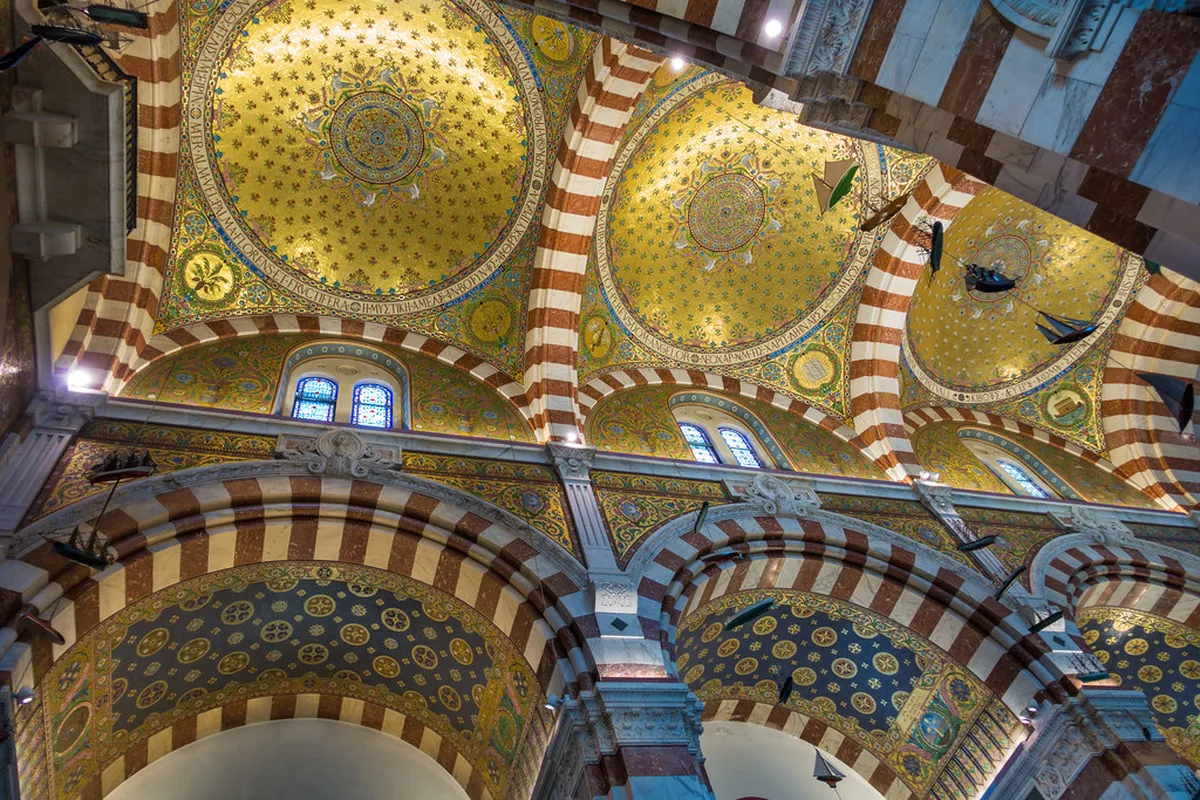
Marseille is home to many incredible religious landmarks that define the local skyline. The Basilica of Notre-Dame de la Garde remains the most iconic structure in this ancient city. Inside, the breathtaking mosaics of Notre-Dame de la Garde capture the hearts of all who visit. These golden artworks cover the walls and ceilings with incredible detail and spiritual meaning.
Construction of this hilltop masterpiece began in the middle of the nineteenth century. It serves as a guardian for the sailors who travel through the Mediterranean Sea. The interior decoration reflects the deep faith and artistic skill of the local people. You can explore the unique Notre-Dame de la Garde architectural style during your next trip.
As you enter the upper church, the shimmer of gold leaf greets you immediately. Millions of tiny glass tiles work together to create scenes of divine beauty and protection. These mosaics have stood the test of time and remain vibrant in 2025. This guide will provide a deep analysis of the art found within these sacred walls.
History of the Mosaics of Notre-Dame de la Garde
The story of these mosaics began shortly after the basilica was consecrated in 1864. Architect Henri-Jacques Espérandieu wanted an interior that matched the grandeur of the external structure. He chose the Neo-Byzantine style to reflect the historical connections between Marseille and the East. This choice allowed for the extensive use of colorful and reflective mosaic patterns.
Work on the interior mosaics continued for many decades after the initial construction ended. Dedicated craftsmen spent years meticulously placing each individual tile onto the curved ceiling surfaces. They used traditional methods that were common in ancient Rome and the Byzantine Empire. This commitment to quality ensured that the artwork would last for many future generations.
The mosaics survived significant challenges, including the heavy fighting during the liberation of Marseille. Bullet holes and shell fragments damaged some sections of the walls during World War II. Expert restorers worked tirelessly to repair the damage using matching materials from original sources. Today, the art looks as fresh and inspiring as it did in the nineteenth century.
Historical records show that the mosaic project was funded primarily through local public donations. The people of Marseille wanted to honor their protector, whom they call La Bonne Mère. Every gold tile represents a small contribution from a faithful citizen of this busy port. This shared ownership makes the basilica a true symbol of the local community spirit.
In 2025, modern technology helps experts monitor the condition of these precious glass artworks. They use specialized cameras to detect any moisture behind the mortar before it causes damage. This proactive approach guarantees that the mosaics will remain a highlight of French cultural heritage. Visitors can still see the original brilliance of the colors in the soft light.
Artistic Techniques and Material Analysis
The mosaics of Notre-Dame de la Garde utilize the famous direct method of application. This process involves pressing the tiles directly into a bed of fresh lime mortar. Artisans had to work quickly before the base material became too hard to hold the glass. This technique creates a slightly uneven surface that reflects light in many different directions.
Gold leaf is the most important material used in the creation of these stunning mosaics. Craftsmen placed thin sheets of real gold between two layers of transparent glass tiles. This protective sandwich prevents the metal from tarnishing or peeling away due to coastal humidity. The result is a deep, warm glow that seems to emanate from the walls.
The variety of colors used in the church is truly impressive for its time.
- Deep blue tiles represent the infinite nature of the Mediterranean sky.
- Red and purple tones highlight the royal status of the Virgin Mary.
- Natural stone pieces provide earthy textures for the depictions of local landscapes.
The scale of the mosaic work covers more than one thousand square meters. Over twelve million individual pieces make up the intricate patterns found throughout the upper sanctuary. Such a massive undertaking required the coordination of dozens of skilled mosaicists over several years. Each section reflects a high level of technical mastery and artistic vision.
The geometry of the patterns follows strict rules found in the neo-Byzantine churches in Marseille tradition. Symmetrical designs lead the eye toward the main altar and the central dome above. These shapes create a sense of order and calm within the highly decorated space. The balance between light and shadow enhances the spiritual experience for every visitor.
Symbolism and Religious Iconography
The central theme of the mosaics is the life and protection of Mary. She is depicted as a powerful figure who watches over the city from her hilltop. Many scenes show her interacting with the people of Marseille during times of great need. These images reinforce her role as the motherly guardian of the local population.
Maritime symbols are woven into many of the larger mosaic panels near the entrance. You can find detailed images of historic sailing ships battling against heavy waves. These scenes represent the many dangers that sailors faced during their long journeys at sea. They serve as a reminder of the prayers offered for their safe return home.
Biblical stories are also featured prominently in the smaller side chapels of the basilica. Scenes from the New Testament are rendered with bright colors and expressive facial details. The artists wanted to make the stories accessible to people who could not read at the time. Each mosaic functions as a visual sermon for the faithful who come to pray.
Angels and saints surround the main dome in a spectacular display of celestial glory. Their wings are made of shimmering silver and white glass that catches the afternoon sun. This heavenly host provides a sense of peace and protection to those standing below. The intricate details of their garments show the incredible skill of the original artists.
The use of light is a symbolic element that enhances the meaning of the mosaics. As the sun moves across the sky, different sections of the church begin to glow. This changing light represents the presence of the divine in the everyday world. It creates a dynamic environment that feels alive and constantly moving for the viewers.
Harmony Between Art and Architecture
The mosaics work in perfect harmony with the overall architecture in Marseille found on the hill. The striped marble of the arches provides a solid frame for the delicate glasswork. This combination of heavy stone and light glass creates a unique visual experience. It blends the strength of the Romanesque style with the beauty of Byzantium.
Every arch and pillar was designed to support the weight of the mosaic decorations. The architects had to calculate the load carefully to ensure the structure remained stable. This technical planning allowed for the seamless integration of art into the very bones of the building. The result is a unified space where art and structure are one.
The curved surfaces of the domes presented a significant challenge for the mosaicists. They had to adjust the size of the tiles to fit the changing angles perfectly. Larger pieces were used for flat areas while tiny fragments filled the tighter curves. This attention to detail ensures that the images do not look distorted from below.
Acoustics also play a role in how the mosaics are experienced by the public. The hard glass surfaces reflect sound throughout the high ceilings of the sanctuary. This creates a rich, echoing environment that enhances the sound of the church choir. The beauty of the art is matched by the beauty of the music.
The exterior of the building is also impressive, but the interior holds the true treasure. Most visitors are surprised by the sudden shift from the white stone outside to the gold inside. This contrast was intentional and designed to create a sense of awe and wonder. It makes the transition into the sacred space feel very special and significant.
Visiting the Mosaics in 2025
Planning a visit to see the mosaics of Notre-Dame de la Garde is quite simple. The basilica is open every day from early morning until the early evening hours. There is no admission fee to enter the main church and admire the artwork. However, donations are always welcome to help with the ongoing preservation of the site.
To reach the basilica, you should use the local bus number 60 from the port. This route takes you directly to the top of the steep hill without any effort. The ride offers spectacular views of the coastline and the old city districts below. It is the most convenient way to travel for families and elderly visitors.
You should allow at least one hour to see the mosaics in detail. Take your time to walk around the perimeter and look up at the high ceilings. Bring a pair of binoculars if you want to see the smallest details of the art. The level of craftsmanship is truly remarkable when viewed from a close distance.
Please remember that the basilica is an active place of worship for many locals. You must dress respectfully and keep your voice low while exploring the interior. Avoid taking photos during religious services to respect the privacy of the people praying. Following these simple rules ensures a pleasant experience for everyone in the building.
After viewing the mosaics, you can visit the onsite museum for more history. The museum explains the construction process and shows original tools used by the artists. You can also enjoy a meal at the restaurant located near the parking area. The terrace offers the best views of Marseille and the Mediterranean Sea in 2025.
Frequently Asked Questions
Are the mosaics of Notre-Dame de la Garde made of real gold?
Yes, the mosaics use genuine gold leaf for their shimmering appearance. The gold is sealed between glass layers to prevent any damage from the air. This technique ensures the gold stays bright for hundreds of years.
When is the best time to see the mosaics?
The best time to visit is during the early morning or late afternoon. Natural sunlight hits the gold tiles at these times and creates a beautiful glow. You will also find fewer crowds during these specific parts of the day.
Can I take pictures of the mosaics inside the basilica?
Photography is allowed inside the church as long as you do not use a flash. Flash can damage the ancient materials and disturb other visitors. Please be mindful of the worshippers while you are capturing your images.
How many mosaic tiles are inside Notre-Dame de la Garde?
There are over twelve million individual mosaic tiles located throughout the upper church. These pieces cover a surface area of more than one thousand square meters. It took many years for the craftsmen to finish this massive project.
The mosaics of Notre-Dame de la Garde are a shining example of French artistic heritage. They tell a story of faith, protection, and incredible human skill. Make sure to include this site in your 2025 travel plans to Marseille. You will be amazed by the golden light and the peaceful atmosphere inside. Contact the local tourism office for more information about visiting this iconic French landmark today.
Key Takeaways
- The mosaics consist of over 12 million glass tiles and real gold leaf.
- Visiting the basilica is free and open to the public daily.
- The direct method of application creates a unique, shimmering light effect.
- Maritime symbolism reflects Marseille's deep connection to the Mediterranean Sea.
Related reads: architecturebycity.com, cathedral la major architecture, le corbusier unite dhabitation marseille.