
Explore Neo-Byzantine Churches in Marseille
Explore the grand Neo-Byzantine churches in Marseille. See Notre-Dame de la Garde and visit the Cathedral in 2025. Plan your architectural trip now!
On this page
Marseille is a vibrant port city located along the stunning Mediterranean coast of southern France. It boasts some of the most beautiful Neo-Byzantine churches in Marseille for travelers to enjoy today. These massive structures define the famous skyline of this historic and busy Mediterranean trading hub. You will certainly love exploring these magnificent religious sites during your next vacation in 2025.
The architecture reflects a unique blend of several different cultural influences from the ancient world. Romanesque and Byzantine elements combine to create a grand aesthetic that remains very popular with tourists. This style emerged strongly during the mid-19th century when the city was expanding its global reach. Visitors flock here to see these massive monuments and learn about their fascinating artistic history.
The Rise of Neo-Byzantine Architecture
The 19th century was a time of great growth for the entire city of Marseille. Architects wanted to build monuments that looked toward the Eastern world for artistic inspiration. This desire led to the widespread adoption of the beautiful Neo-Byzantine style for local churches. It offered a grand alternative to the more common Gothic designs found in Northern France.
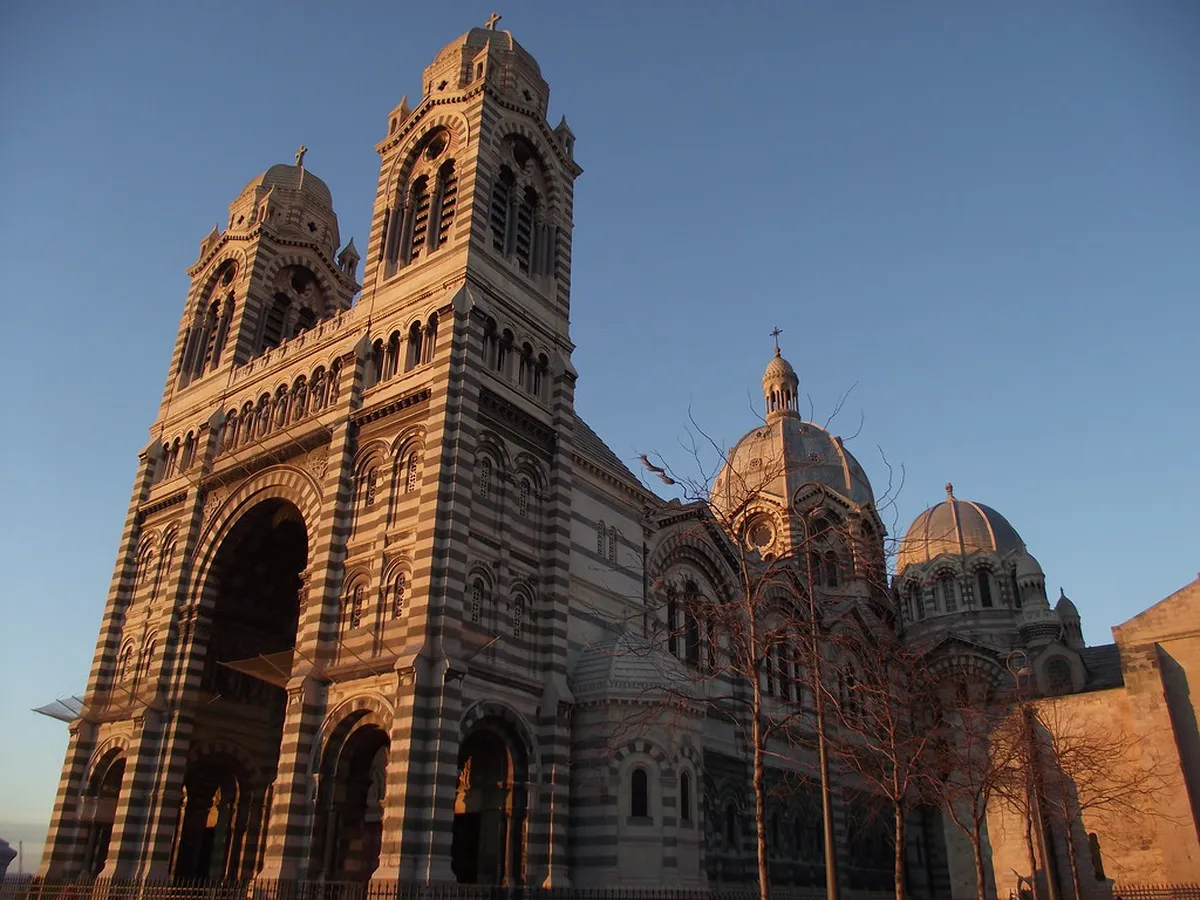
Neo-Byzantine churches in Marseille often feature alternating light and dark stones on their exteriors. This specific technique is known as polychrome masonry and creates a striking visual pattern for viewers. These buildings were carefully designed to be visible from ships arriving at the busy local port. The city used these structures to signal its wealth and importance to the Mediterranean world.
The style also incorporates large rounded domes and very intricate mosaic work throughout the interior spaces. These details pay a deep homage to the designs found in the ancient Roman Empire. Marseille felt a strong cultural connection to the East through its many active maritime trade routes. This architectural choice honored that long-standing relationship between the port and the distant Eastern lands.
You will notice that these churches are much larger than typical medieval structures found in France. Their scale was meant to impress and accommodate the growing population of the industrial era. Using modern building techniques allowed architects to create these massive spaces with relative ease and speed. Today, they remain some of the most recognizable landmarks in the entire French Mediterranean region.
Notre-Dame de la Garde Architectural Style
The famous Good Mother basilica is the most iconic landmark for anyone visiting the city today. The Notre-Dame de la Garde architectural style is a true masterpiece of 19th-century design. Architect Henri-Jacques Espérandieu designed this incredible hilltop structure in 1853 to watch over the local sailors. It sits high on a limestone hill and offers amazing views of the sea and city.
The church features a massive bell tower topped with a very large and shiny gold statue. This statue of the Virgin Mary is said to protect the city and its many fishermen. Inside the upper church, the walls are covered in stunning gold leaf and colored glass mosaics. The use of red and white marble creates a warm and inviting atmosphere for all visitors.
Visitors can see many interesting ex-voto offerings hanging from the ceilings inside the main sanctuary. These include small model boats and detailed paintings left by many grateful sailors over the years. The lower crypt is carved directly into the mountain rock for a very different visual experience. It offers a stark and quiet contrast to the ornate decorations of the upper church level.
Walking up to the basilica provides the best panoramic views of the entire Marseille coastline and harbor. Entry to the church is free for all visitors to enjoy throughout the year of 2025. You should allow at least two hours for a full visit to see everything properly here. Local buses run frequently from the Vieux Port directly to the main hilltop entrance every day.
The Grandeur of Cathédrale de la Major
Located near the historic Old Port, this massive cathedral is a truly impressive sight for every traveler. The Cathédrale de la Major architecture reflects the city's great ambition during the late 19th century. It is one of the largest cathedrals built anywhere in the world since the Middle Ages. Its sheer physical size rivals the Great Pyramids of Egypt in total interior volume and scale.
The exterior features striking horizontal stripes made from alternating green and white local and imported stones. These beautiful stones were brought from Florence and other Mediterranean regions to ensure a regal appearance. The massive domes reach toward the blue sky with incredible grace and architectural precision for the era. It stands as a majestic gateway to the city for those arriving by passenger cruise ships.
Inside the building, the vast open space can hold up to 3,000 people for religious services. The very high ceilings are decorated with many intricate geometric patterns and colorful mosaic tiles. You will notice the heavy use of expensive marble and rare porphyry throughout the entire nave. The light filters through stained glass to illuminate the interior with soft and natural colors.
Admission to the cathedral is free, though small donations are always appreciated by the local staff members. The cathedral is open daily from 10:00 AM to 7:00 PM for public sightseeing and prayer. It is a perfect stop during a long walk along the modern and revitalized city waterfront. Many small cafes nearby offer great views of the building while you enjoy a local coffee.
Key Features of Marseille Churches
You can identify these specific churches by looking for several very distinct and common architectural characteristics. Large central domes are perhaps the most recognizable feature of the Neo-Byzantine style in southern France. These domes often have smaller semi-domes surrounding the central structure to provide extra support and space. This creates a sense of immense internal volume and impressive height for every visitor to experience.
Mosaics play a vital and central role in the interior decoration of these beautiful religious buildings. Skilled artists used millions of tiny glass tiles to create detailed scenes from various religious stories. Gold backgrounds were very common to reflect the soft candlelight during the evening church services here. These designs are heavily inspired by the famous ancient churches found in the city of Ravenna.
- Polychromy: Using different colored stones to create beautiful and complex decorative patterns on walls.
- Arched Windows: Tall and narrow windows that allow soft and colored light inside the building.
- Marble Columns: Using expensive imported materials that showcase the historic wealth of this port city.
- Ornate Capitals: Detailed carvings placed at the top of every interior column for extra beauty.
The use of hidden iron reinforcements was also a very modern touch for 19th-century builders. Architects used these metal supports to help hold up the heavy weight of the stone domes. This allowed for much larger spans than were possible with traditional Romanesque building techniques in earlier times. You can see this clever blend of old and new methods in every corner today.
Plan Your Visit to Marseille
Marseille is a very walkable city but it does have many steep and challenging hills for pedestrians. Wear very comfortable walking shoes when visiting the hilltop Neo-Byzantine churches in Marseille during your trip. The summer months can be very hot and crowded with many tourists from around the world. Spring and autumn seasons offer much better weather for exploring the city and its many monuments.
Many visitors enjoy booking a guided architecture in Marseille tour to see the best sites. These tours explain the long history behind the city's grand monuments and their unique building styles. You can find several reputable tour operators located near the Vieux Port in the city center. Prices for these walking tours usually range from 20 to 50 Euros per person today.
Remember to dress respectfully when you are entering these active and historic places of modern worship. Shoulders and knees should always be covered during your visit to show respect to the local community. Photography is usually allowed inside but you should avoid using a flash during any religious services. Check the official church websites for any updated holiday hours before you start your daily journey.
The city also offers a public transport pass that includes access to the hilltop shuttle buses. This is a very convenient way to reach Notre-Dame de la Garde without walking up the hill. You can purchase these passes at any metro station or at the main tourism office nearby. Plan your route in advance to make the most of your time in this historic city.
Frequently Asked Questions
What is the best time to visit Marseille churches?
The best time to visit these churches is during the spring and autumn months of 2025. The weather is very mild and the crowds are much smaller than in the peak summer. Morning visits are usually quieter and offer the best light for taking beautiful interior photographs.
Is there a dress code for entering Marseille cathedrals?
Yes, visitors should dress modestly when entering any active religious building in the city of Marseille. You should ensure that your shoulders and knees are fully covered before you walk inside. This shows respect for the local religious traditions and the people who worship there daily.
How much does it cost to visit Notre-Dame de la Garde?
Entry to the main basilica and the lower crypt is completely free for all visitors in 2025. You may choose to purchase a souvenir or leave a small donation for the church maintenance. The only cost might be the bus fare if you choose not to walk up.
The Neo-Byzantine churches in Marseille are true architectural gems that every traveler should see during their trip. They tell the grand story of a city that was looking toward the East for new inspiration. You should definitely include these incredible sites on your 2025 travel itinerary for a memorable experience. Experience the deep history and amazing beauty of the oldest city in France by visiting them today.
Key Takeaways
- Visit Notre-Dame de la Garde for the best 360-degree views of the entire Marseille coastline.
- Admire the striking striped masonry and massive domes of the iconic Cathédrale de la Major.
- Look for the intricate gold mosaics that highlight the Eastern influence on local French architecture.
Related reads: architecturebycity.com, mosaics of notre dame de la garde, le corbusier unite dhabitation marseille.