
Pedestrianization of Marseille Old Port Guide
Learn about the pedestrianization of Marseille old port. Discover the 2025 urban updates, Norman Foster's design, and travel tips for your visit to France.
On this page
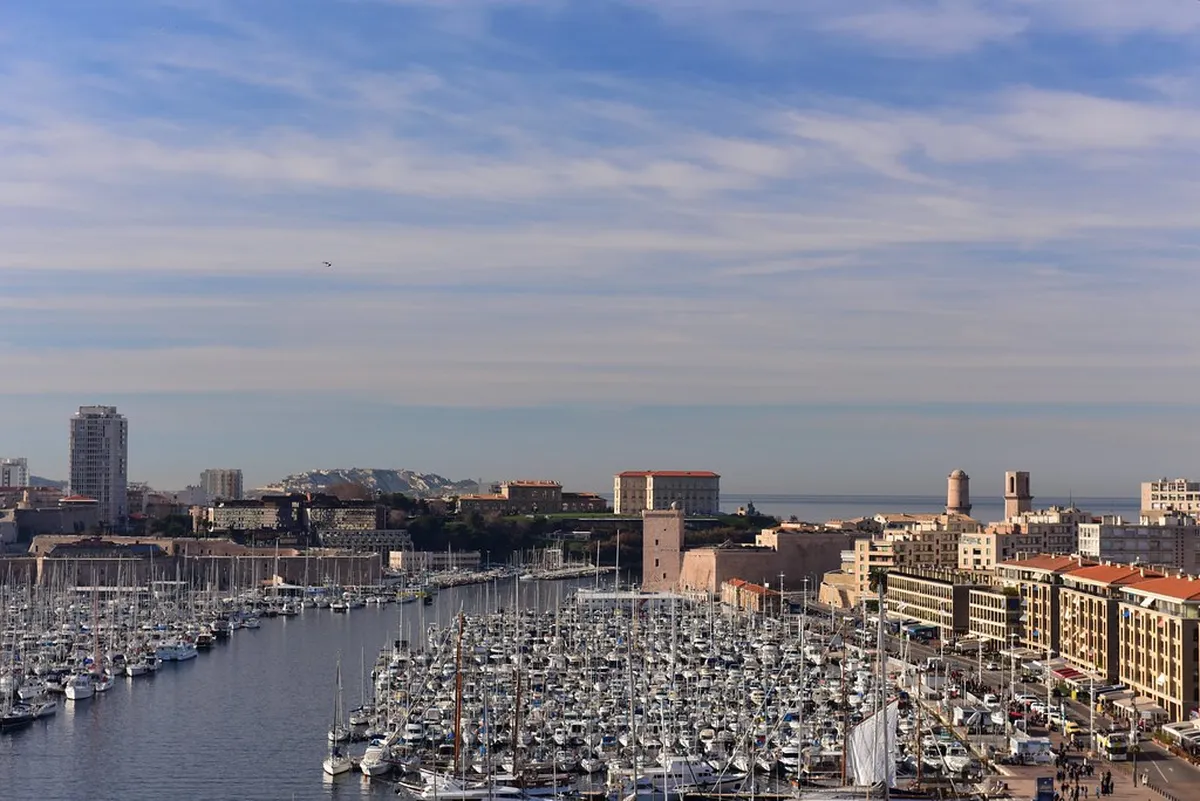
Marseille is a historic city defined by its deep relationship with the beautiful Mediterranean Sea. The historic heart of this port city has recently undergone a massive and successful urban transformation. The pedestrianization of Marseille old port stands as a bold symbol of modern urban planning in France. This massive change turned a busy traffic hub into a peaceful public square for everyone to enjoy.
This ambitious project aimed to reconnect the local citizens with their famous and historic waterfront area. Visitors can now explore the harbor without dealing with the noise and danger of heavy vehicle traffic. The project has received international praise for its simple yet very effective architectural and social design. It serves as a great model for other coastal cities looking to revitalize their aging industrial centers.
The Vision of the Vieux Port Regeneration Project
The Vieux Port regeneration project launched to reclaim the historic waterfront for local residents. Urban planners wanted to reduce the heavy traffic that once choked the harbor area every single day. They aimed to create a world-class space for leisure and major public events in the city center. This vision prioritized sustainable movement and high-quality architectural design throughout the entire port district.
The project removed several lanes of traffic to make room for massive and wide pedestrian walkways. This new layout encourages people to explore the harbor on foot without fearing cars or trucks. You can now walk from the historic city hall to the southern docks with ease and safety. The design uses light-colored granite to reflect the bright Mediterranean sun during the warm summer months.
Construction started over a decade ago and reached many new milestones in the year 2025. Local officials invested millions of euros to ensure the docks remained accessible for all types of visitors. The result is a clean and open space that honors the rich maritime history of Marseille. Visitors today enjoy a much quieter environment compared to the previous and very chaotic traffic jams.
The success of the project has inspired further developments in the surrounding neighborhoods of the city. More streets are now becoming car-free zones to help improve the general quality of urban life. This shift reflects a global trend toward making cities more livable for people rather than just vehicles. The Old Port is now the pride of Marseille and a top destination for travelers.
Norman Foster and the Mirror Pavilion Design
Renowned architect Norman Foster played a vital role in designing the stunning new port layout for the city. His firm worked with landscape architect Michel Desvigne to simplify the cluttered harbor landscape significantly. They removed many old boat sheds and fences to open up the views of the water. This minimalist approach highlights the natural beauty of the ancient basin and its historic surroundings.
One of the most famous features is the Norman Foster Marseille mirror pavilion located at the Quai de la Fraternité. This polished stainless steel canopy reflects the people walking underneath its massive and shiny surface. It provides essential shade during the hot summer months in the south of France for many visitors. The structure has become a favorite spot for modern photography and large social gatherings daily.
The pavilion stands on slender pillars to maintain an unobstructed view of the blue Mediterranean water. It serves as an elegant gateway between the busy city streets and the peaceful harbor area. People often gather here to wait for local ferries or to enjoy the cool sea breeze. Its simple design proves that modern architecture can blend perfectly with very ancient and historic settings.
The mirror pavilion also acts as a public stage for various cultural events throughout the year. It has become an iconic landmark that represents the modern and forward-thinking spirit of Marseille. Tourists often spend several minutes admiring their own reflections in the giant ceiling above the quay. This architectural addition has completely changed how people interact with the space at the harbor.
Environmental and Social Benefits of the Change
The pedestrianization of Marseille old port has significantly improved the local air quality for everyone. Removing thousands of cars daily reduced the constant noise levels for nearby cafe and restaurant owners. Families now feel very safe letting their young children run along the wide and flat granite quays. These social benefits make the port a vibrant and healthy heart for the local community today.
Local businesses have reported a steady increase in foot traffic since the major project was finished. Tourists spend much more time browsing the daily fish market and the nearby small souvenir shops. The absence of roaring car engines allows for much better outdoor dining experiences for all guests. You can enjoy a bowl of fresh bouillabaisse while listening to the gentle sound of waves.
The project also included much better connections to the existing public transport networks like the metro. Trams now drop passengers off just a few steps from the main pedestrianized harbor zone. This integration makes it very easy for visitors to arrive without using a personal car at all. Marseille continues to lead the way in eco-friendly urban development strategies for large European cities.
Public health has also seen a positive impact from the increased opportunities for walking and cycling. The open space encourages locals to engage in physical activity while enjoying the beautiful coastal views. New bike lanes have been integrated into the design to facilitate greener commuting for the residents. This holistic approach ensures that the project benefits both the environment and the people.
Exploring the Historic Harbor in 2025
In 2025, the port area serves as the primary stage for many major city celebrations and festivals. You will find various talented street performers and artists entertaining the large crowds every single weekend. The wide spaces allow for large cultural festivals and outdoor markets to thrive safely and comfortably. Walking tours often start here to showcase the diverse architecture in Marseille to many curious visitors.
Visitors should plan for at least two full hours to walk around the entire harbor basin. The path is very flat and accessible for people using wheelchairs or parents with strollers. Several new benches offer comfortable places to rest while watching the traditional wooden fishing boats. Public toilets and fresh water fountains are now conveniently located along the main pedestrian walkways.
Most of the attractions around the port are completely free for the public to enjoy every day. You can watch the traditional fish market every morning starting at about eight in the morning. Prices for nearby boat tours range from fifteen to thirty euros per person for a trip. The sunset views from the pedestrian quays remain some of the best in the entire city.
Security in the area has been improved to ensure a safe environment for tourists at all times. Well-lit pathways make evening strolls along the water very pleasant and popular for couples. You will find many information boards that explain the history of the various buildings and docks. This educational aspect adds more value to your visit to this transformed urban landscape.
History and Evolution of the Marseille Waterfront
Marseille has served as a vital maritime trade hub for over two thousand and six hundred years. The Old Port was the center of economic life in the Mediterranean for many long centuries. Over time, heavy industry and private cars slowly began to dominate the historic and beautiful waterfront. The city eventually needed a bold plan to return this precious space to its local people.
Before the 2013 transformation, the port was surrounded by massive and noisy multi-lane urban roads. It was very difficult for pedestrians to reach the water's edge safely due to the traffic. Noise and pollution from thousands of vehicles ruined the unique atmosphere of the historic site. Local leaders recognized that the harbor needed a completely fresh start for the twenty-first century.
The regeneration project drew great inspiration from successful waterfront developments in other major European cities. Designers looked at how Barcelona and Genoa revitalized their own historic and aging maritime districts. They wanted to create a space that felt both modern and deeply rooted in local history. This careful balance was essential for maintaining the unique and proud identity of Marseille.
Today, the port reflects its ancient roots while embracing a much cleaner and more modern future. The removal of industrial barriers has restored the visual link between the city and the sea. You can feel the weight of history as you walk along the same docks used by Greeks. This historical depth is what makes the pedestrianized port so special for every visitor.
Frequently Asked Questions
Is the Marseille Old Port fully pedestrianized?
Most of the waterfront area is now dedicated strictly to pedestrians and public transport. Only authorized vehicles can access certain service roads near the docks for essential work. This change makes walking around the harbor much safer and more pleasant for tourists. You can enjoy the space without the constant worry of car traffic nearby.
What is the best time to visit the Vieux Port?
Early morning is perfect for seeing the local fish market in action by the water. Sunset offers the most beautiful lighting for photos under the famous Foster mirror pavilion. Spring and fall provide the best weather for taking long and comfortable walks. The area is lively throughout the day in the year 2025.
Are there entrance fees for the Old Port area?
The pedestrian zones and the mirror pavilion are completely free for everyone to visit. You only pay if you choose to take a boat or enter specific museums nearby. It remains one of the most budget-friendly activities in Marseille for travelers today. You can spend hours exploring the area without spending a single euro.
The pedestrianization of Marseille old port has successfully transformed the city into a modern destination. This project proves that urban planning can prioritize people and the environment over car traffic. Visitors in 2025 can enjoy a vibrant, safe, and historic waterfront that is truly world-class. Plan your next trip to Marseille to experience this incredible architectural and social achievement firsthand.
Key Takeaways
- The port is now a massive pedestrian-friendly zone for everyone.
- Norman Foster's mirror pavilion offers essential shade and great photos.
- Public transport provides the easiest and greenest access to the waterfront.
- The 2025 updates have made the area more accessible and enjoyable.
Related reads: architecturebycity.com, quai de la fraternite design, le corbusier unite dhabitation marseille.