
Quai de la Fraternité Design: Marseille's Vibrant Quay
Explore the Quai de la Fraternité design in Marseille. See how the Vieux Port regeneration project changed the city. Plan your 2025 trip today.
On this page
The Quai de la Fraternité design transformed Marseille's historic heart into a modern masterpiece. This space serves as the central hub for the ambitious Vieux Port regeneration project. It connects the city's rich history with 2025 urban living. Visitors can enjoy a vast, open space dedicated to pedestrians and culture.
This quay represents the bold future of Mediterranean urban design. Architects focused on creating a seamless flow between the city and the sea. The area now hosts markets, festivals, and daily gatherings for locals. It is a must-see destination for any traveler visiting southern France.
Origins of the Quai de la Fraternité Design
The Quai de la Fraternité design is a landmark of modern Marseille. It sits at the eastern end of the city's famous Vieux Port. This site has served as a center for trade for centuries. Modern architects reimagined the space to better serve the public today.
Construction focused on reclaiming the waterfront for the people of Marseille. Before the redesign, heavy traffic dominated this iconic coastal area. The new layout prioritizes walkers over cars to create a peaceful atmosphere. It is now one of the most accessible parts of the city center.
Planners wanted to honor the site's maritime heritage while looking forward. They removed clutter to highlight the natural beauty of the harbor. The resulting design offers wide views of the Mediterranean Sea. This transformation reflects the city's growing global status in 2025.
The quay now acts as a grand entrance to the city's historic districts. It provides a clean and open transition from the sea to the streets. Locals often gather here to watch the fishing boats arrive each morning. This mix of tradition and modernism defines the current quay design.
Vieux Port Regeneration Project Impact
The Quai de la Fraternité design was a key part of a larger plan. This plan sought to revitalize the entire harbor area of Marseille. It changed how people interact with the water in the city center. The project won many awards for its innovative urban solutions.
One major goal was to reduce the impact of vehicles on the port. Roadways were narrowed to make more room for public walking paths. This change encouraged more people to visit the waterfront on foot. The design creates a safer environment for families and tourists alike.
The project also improved the quality of local public transport links. New ferry terminals were integrated into the quay's flat, open layout. These docks allow for easy boat trips to nearby coastal attractions. Traveling by sea has never been more convenient for Marseille visitors.
Retail and dining options also expanded following the site's completion. Modern stalls now line the quay during special weekend markets. You can find local crafts and fresh seafood sold right by the water. The design supports a thriving local economy in a beautiful setting.
The Iconic Mirror Pavilion Architecture
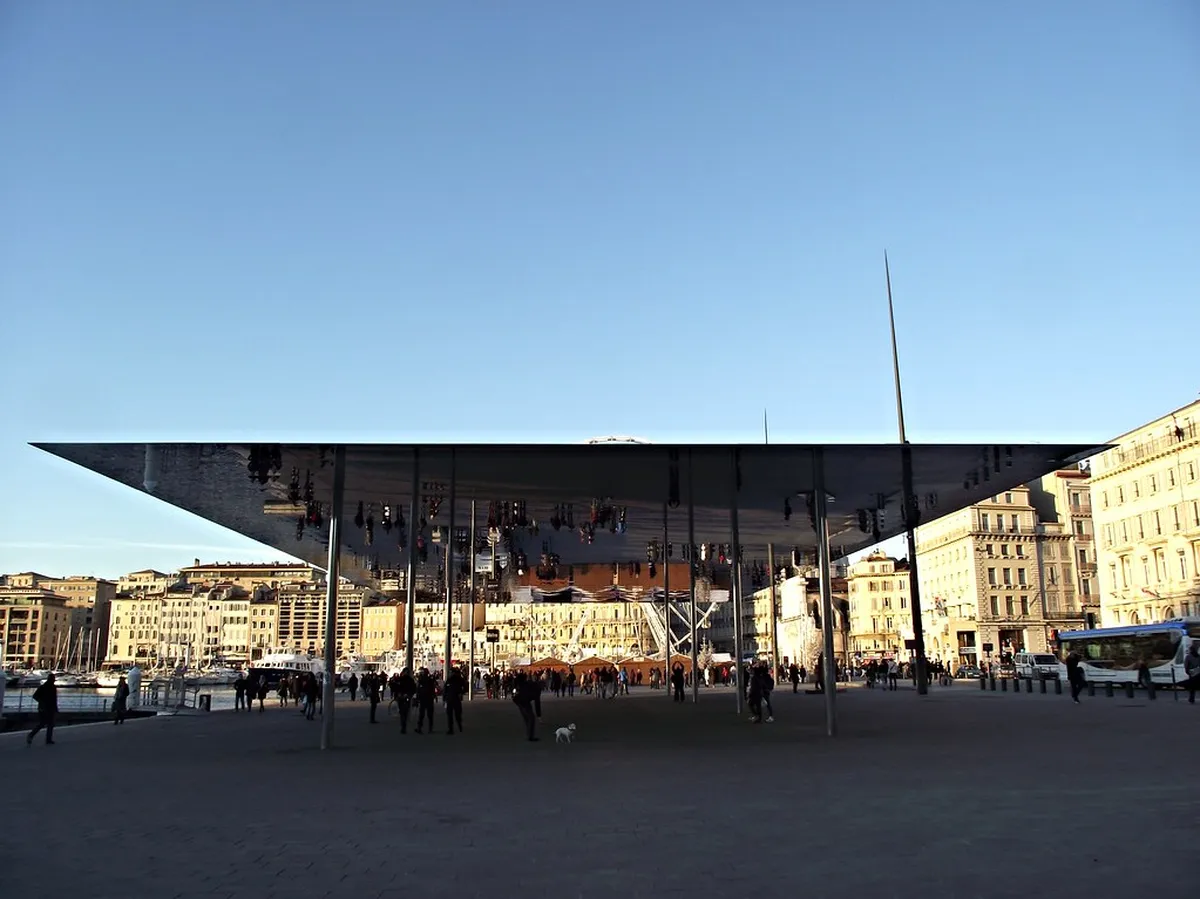
A standout feature of the Quai de la Fraternité design is the large canopy. This structure is known as the Marseille mirror pavilion by visitors. It provides much-needed shade from the bright Mediterranean sun during the day. Its polished steel surface reflects the vibrant life of the port below.
The pavilion stands on thin pillars to maintain an open view. It covers over 1,000 square meters of the public quay area. People love to take photos of their reflections in the shiny ceiling. This architectural marvel has become a favorite spot for social media posts.
Architect Norman Foster designed this simple yet powerful structure for the city. It serves as a sheltered space for events and outdoor performances. The pavilion protects visitors from occasional rain while keeping the space airy. Its minimalist look contrasts beautifully with the old stone buildings nearby.
In 2025, the pavilion remains a symbol of Marseille's creative energy. It hosts pop-up art galleries and seasonal music festivals throughout the year. The structure proves that modern art can enhance historic public spaces. It is the visual anchor of the entire quay's redesign.
Pedestrian Access and Urban Connectivity
Accessibility is a core component of the Quai de la Fraternité design. The ground is paved with smooth, light-colored granite stones for easy walking. There are no curbs or steps to block people with strollers. This design ensures that everyone can enjoy the waterfront without any barriers.
The quay links directly to the famous Canebière, Marseille's main boulevard. This connection draws people from the shopping districts down to the sea. The wide walkways can handle large crowds during peak tourist seasons. It makes navigating the busy city center much more pleasant.
Key benefits of the pedestrian-first design include:
- Reduced noise pollution from passing cars and buses.
- Increased space for street performers and local artists.
- Improved safety for children playing near the harbor edge.
- Better views of the historic fortresses guarding the port entrance.
The layout also improves the flow of cyclists through the city. Dedicated lanes allow bikes to move safely alongside the walking paths. This green approach to travel helps lower the city's carbon footprint. It promotes a healthier lifestyle for all Marseille residents in 2025.
Material Choices for a Modern Waterfront
Materials used in the Quai de la Fraternité design were carefully chosen. Designers selected granite that can withstand the salty sea air and heat. The light color of the stone helps keep the ground cool. This is vital during the hot summer months in southern France.
The use of high-quality stone creates a sense of luxury and permanence. It matches the historical facades of the surrounding 18th-century buildings. This harmony between old and new is a hallmark of the project. The materials require very little maintenance despite the high foot traffic.
Stainless steel accents are found on benches and lighting fixtures. These elements are durable and offer a clean, contemporary look. The lighting design ensures the quay is safe and beautiful at night. Glowing lamps reflect off the water to create a romantic atmosphere.
Traditional wooden docks were also updated during the regeneration project. These docks now feature modern electrical and water hookups for boats. The blend of wood, stone, and steel is visually stunning. It creates a professional yet welcoming environment for all maritime activities.
Frequently Asked Questions
What is the Quai de la Fraternité design?
It is a modern redesign of the historic waterfront in Marseille. The design focuses on open public spaces and pedestrian access. It includes the famous mirrored canopy by Norman Foster. This project is a centerpiece of 21st-century architecture in Marseille today.
When was the Quai de la Fraternité redesigned?
The main renovation was completed in 2013 for the European Capital of Culture. It has since undergone small updates to maintain its high standards. In 2025, it remains one of the city's most popular sites. The project successfully modernized the harbor while preserving its history.
Are there things to do at the Quai de la Fraternité?
Yes, you can visit the daily fish market for local catches. Many people enjoy walking under the mirrored pavilion for unique photos. You can also catch a boat to the Calanques or Frioul Islands. It is a great place to start a walking tour.
Is the Quai de la Fraternité accessible for everyone?
The design is completely flat and free of steps or curbs. This makes it perfect for wheelchair users and families with strollers. The smooth granite surface allows for easy movement across the entire area. It is one of the most accessible spots in Marseille.
The Quai de la Fraternité design is a triumph of modern urban planning. It has returned the Vieux Port to the people of Marseille. Whether you love architecture or sea views, this quay will impress you. Plan your visit in 2025 to experience this vibrant waterfront for yourself.
Key Takeaways
- The quay is a pedestrian-friendly zone in the heart of Marseille.
- Norman Foster's mirror pavilion is the site's most famous architectural feature.
- The design uses durable granite to match the city's historic limestone buildings.
- It serves as a major hub for public transport and boat excursions.
Related reads: architecturebycity.com, pedestrianization of marseille old port.