
Architectural Garden Design in Menton: 2025 Guide
Explore the best architectural garden design in Menton. Learn about structural layouts and plant logic in this 2025 specialist guide. Plan your visit now!
On this page
Menton is a hidden gem on the French Riviera near the Italian border. The city enjoys a warm climate that supports lush subtropical vegetation. This unique environment makes the area a global hub for garden enthusiasts. You will find incredible architectural garden design in Menton throughout the city hills.
Many gardens here date back to the late nineteenth century. Designers used local stone to build walls and stairs. These structures create a framework for rare botanical species. Visitors in 2025 can still see these historic layouts today.
The city sits between the blue sea and steep mountains. This terrain required creative solutions for planting and construction. Gardeners carved terraces into the limestone cliffs over many decades. This effort resulted in some of the most beautiful spaces in France.
You can see how art and nature blend together in these parks. Every path and fountain serves a specific structural purpose. The gardens are more than just collections of flowers. They are living examples of high-end landscape engineering and design.
Influence of Belle Époque on Garden Layouts
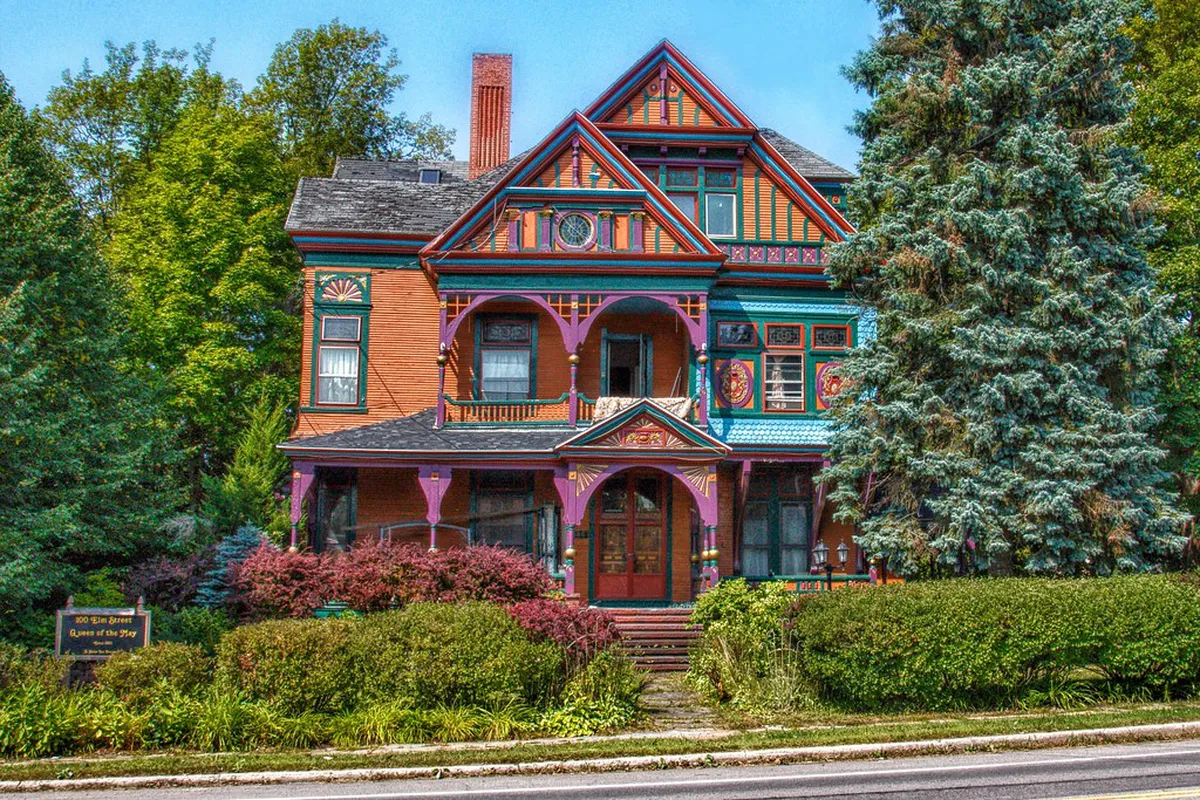
The Belle Époque era defined the luxury of the French Riviera. Wealthy visitors built grand villas with sprawling outdoor spaces. These gardens often featured formal symmetry and classical ornaments. You can still see this Menton Belle Époque architecture in many private estates.
Architects designed these spaces to reflect social status and wealth. They included marble statues and ornate wrought iron gates. Paths were wide enough for couples to walk in large gowns. The layout prioritized clear sightlines toward the Mediterranean Sea.
Many gardens used imported exotic plants from tropical colonies. This practice created a look of eternal spring in Menton. Palms and citrus trees became staples of the local landscape. These choices transformed the city into a lush winter resort.
Water features were essential components of these early designs. Designers installed tiered fountains and long reflecting pools. The sound of water provided a cooling effect during hot afternoons. These elements added a sense of rhythm to the static garden walls.
Today, several of these historic parks are open to the public. You can visit them to see the original stone masonry. Most sites are located near the city center or the Garavan district. Admission prices usually range from five to ten euros per person.
Structural Landscapes of Serre de la Madone
Lawrence Johnston created this garden in the early twentieth century. He was a famous landscape designer from the United Kingdom. Johnston focused on creating outdoor rooms with distinct themes. This Serre de la Madone structural layout is world-renowned for its complexity.
The garden uses hedges and stone walls to define spaces. Each room contains different plant species from across the globe. You will find rare specimens from China and South Africa here. The design protects these delicate plants from harsh sea winds.
Johnston used water as a central theme throughout the property. You can find large rectangular ponds that reflect the sky. These pools help regulate the local humidity for the plants. The masonry work around the water is simple but very elegant.
Visitors should plan for at least two hours for a tour. The site is located at 74 Route de Val de Gorbio. Tickets cost approximately ten euros for adults in 2025. Wear sturdy shoes because the paths are often uneven.
The garden is a perfect example of controlled wildness. It looks natural but follows a very strict architectural plan. Every tree placement was carefully chosen to provide specific shade. This balance makes it a favorite for modern landscape architects.
Architectural Garden Design in Menton at Val Rahmeh
Villa Val Rahmeh serves as a botanical research station today. It features a diverse collection of rare and endangered plants. The Villa Val Rahmeh botanical structures focus on education and conservation. Visitors can see the famous Toromiro tree from Easter Island here.
The garden layout follows a series of gentle descending slopes. Designers used stone retaining walls to create stable planting beds. These walls absorb heat during the day and release it at night. This thermal mass helps tropical plants survive during the winter.
Water lily ponds are the highlight of the lower garden area. These basins feature giant Victoria amazonica leaves in the summer. The engineering of the pond systems ensures constant water movement. This keeps the ecosystem healthy for the various aquatic plants.
You can find the villa on Avenue Saint-Jacques in Menton. It is open daily except for Tuesday afternoons and holidays. The entrance fee is about seven euros for most adults. Guided tours are available if you book them in advance.
The site blends scientific utility with immense aesthetic beauty. You will see how irrigation channels are integrated into the paths. This functional design is a key part of Menton's garden history. It shows how humans can master a difficult hilly environment.
Modernist Elements at Les Colombières Garden
Ferdinand Bac was the visionary behind the Les Colombières estate. He was an artist who wanted to recreate ancient Mediterranean myths. This Les Colombières Ferdinand Bac architecture uses pillars and frescoed walls. The garden feels like a stage set for a classical play.
Bac used cypress trees to create strong vertical lines. These trees act like living columns against the bright blue sky. He also designed small pavilions that offer views of the bay. These structures provide rest areas for people exploring the steep hills.
The color palette is very specific in this garden design. Bac used ochre, terracotta, and deep greens to match the earth. This harmony between building and nature is a modernist triumph. It avoids the clutter of many older Victorian garden styles.
Access to Les Colombières is usually by guided tour only. You should check the current schedule before you visit Menton. The estate sits high above the Garavan bay area. It offers some of the best photography spots in the region.
The garden tells a story as you move through its sections. You start in the dark woods and end at the sea. This narrative approach to landscaping was very innovative for its time. It remains a major influence on modern architectural garden design.
Vertical Terracing in Historic Garavan Villas
The Garavan district holds many of Menton’s most famous gardens. This area faces south and catches the most sunlight each day. You can see the historic villas of Garavan Menton from the coastal road. Their gardens cascade down the mountain in dramatic stone layers.
Terracing is the most important structural feature in this neighborhood. Builders stacked local rocks to create flat areas for citrus trees. These terraces prevent soil erosion during the heavy autumn rains. They also provide a staircase effect that is visually striking.
Many villas include hidden grottoes and secret stone benches. These features offer privacy and cool shade for the residents. The masonry often uses pebbles to create intricate floor mosaics. This traditional technique is still used by local craftsmen in 2025.
Walking through Garavan is like visiting an open-air architecture museum. You can see many different styles of garden gates and walls. Each property reflects the personal taste of its original owner. Some are very formal while others are more naturalistic.
The use of pergolas is very common in these vertical gardens. Wisteria and jasmine vines grow over these wooden or iron frames. They create scented tunnels that connect different parts of the property. This adds a sensory layer to the architectural garden design.
Frequently Asked Questions
What is the best month to see Menton gardens?
The best time to visit is from March to June. Most plants are in full bloom during this spring period. The weather is also very comfortable for walking on steep paths. You will avoid the heavy crowds of the peak summer season.
Are the historic gardens in Menton accessible by foot?
Many gardens are located on steep hills above the town. You can walk to them if you are in good shape. However, most visitors prefer taking a local bus or taxi. The walk from the train station can take thirty minutes.
How much do garden entrance fees cost in Menton?
Most public gardens cost between five and ten euros per adult. Some private estates may charge more for specialized guided tours. You can often find discounted rates for students and senior citizens. Check the official city website for current 2025 pricing details.
Menton offers a unique look at how landscape and structure meet. The city's gardens are masterpieces of engineering and botanical art. You can spend several days exploring these historic green spaces. Each site tells a different story about the French Riviera's past. Plan your trip in 2025 to experience these wonders in person.
Key Takeaways
- Visit Serre de la Madone for unique structural garden rooms.
- Wear comfortable walking shoes for the steep Garavan district paths.
- Check opening hours in advance as many gardens close on Tuesdays.
- Look for Belle Époque details in the stone masonry and fountains.
- Book guided tours for private estates like Les Colombières early.
Related reads: architecturebycity.com.