
Serre de la Madone Structural Layout Guide
Explore the Serre de la Madone structural layout in Menton. Learn about Johnston's architectural garden design in this 2025 guide. Visit Menton today!
On this page
The Serre de la Madone structural layout represents a masterpiece of landscape engineering nestled in the hills of Menton. This historic site showcases the sophisticated architectural garden design in Menton through its unique terraced levels. Created by Lawrence Johnston in 1924, the estate combines rare plants with a very rigid geometric ground plan. Exploring this landscape provides travelers with a deep understanding of early twentieth-century European garden aesthetics and botanical history.
Historical Context of the Garden
Lawrence Johnston purchased the initial property in 1924 to escape the harsh winters of his English manor house. He wanted to create a space where delicate plants could thrive under the warm sun of the French Riviera. The designer utilized local stone and traditional building techniques to construct the many retaining walls found on site. These structural choices ensured that the garden would remain stable on the steep slopes of the Gorbio valley.
The property reflects a period when wealthy expatriates transformed the landscape of the coast with magnificent private estates. Johnston applied his experience from Hidcote Manor to create a Mediterranean version of his famous English garden style. This transition required significant changes to the Serre de la Madone structural layout to handle the rocky, sloping terrain. He spent over thirty years refining the different sections to achieve his specific vision of botanical perfection.
During your 2025 visit, you can see how the garden evolved from simple farmland into a complex architectural monument. The original farmhouse remains a central feature, serving as an anchor for the surrounding paths and plant collections. Johnston integrated the existing olive and citrus trees into his new design to maintain a sense of local history. This careful planning allowed the garden to feel both exotic and deeply rooted in the French landscape.
Today, the site is managed by the Conservatoire du Littoral to preserve this important piece of European cultural heritage. It stands as a testament to the diverse architecture in Menton that defines the region today. Many international visitors travel here specifically to study the unique way Johnston organized his diverse collection of plants. The garden continues to inspire modern landscape architects who seek to blend formal structure with naturalistic planting schemes.
The Serre de la Madone Structural Layout
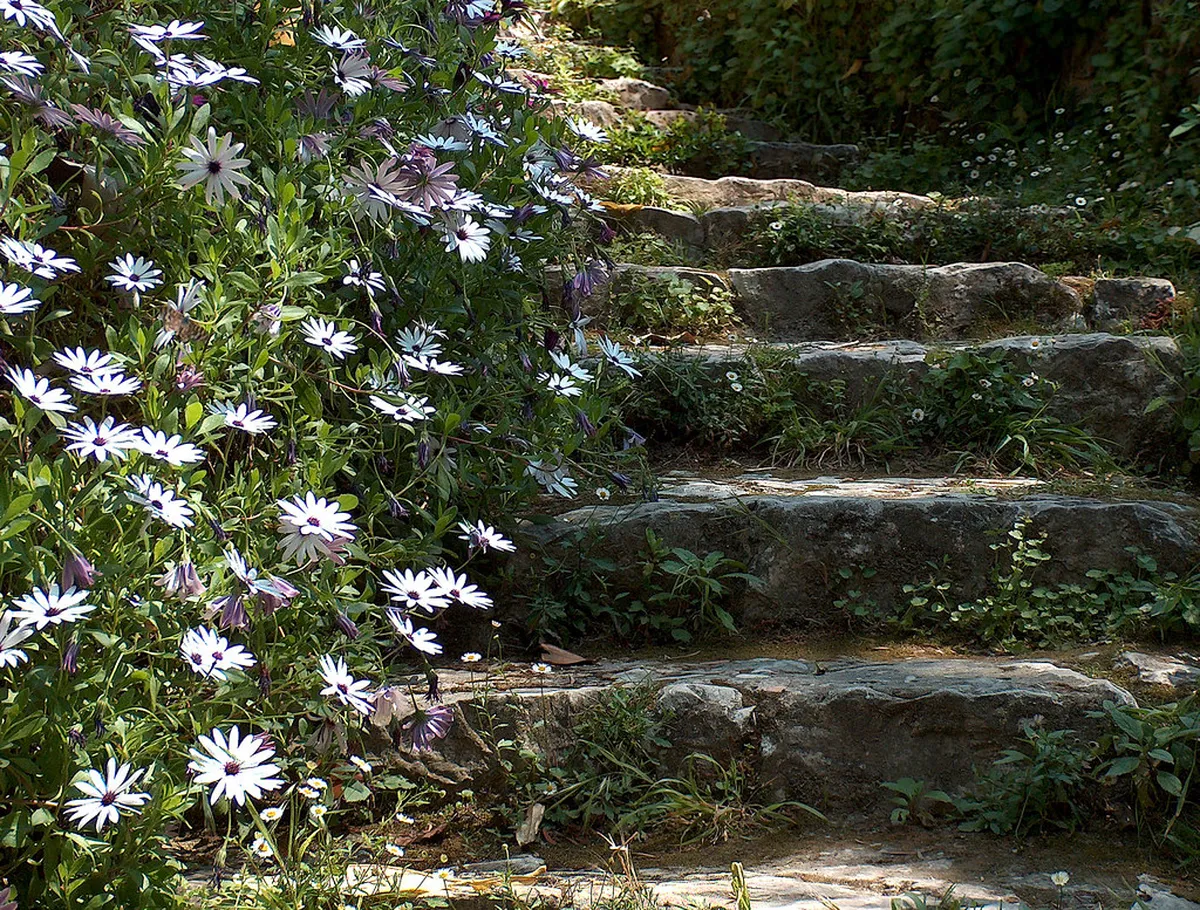
The core of the Serre de la Madone structural layout relies on a series of horizontal terraces carved into hills. These levels create distinct outdoor rooms that separate different plant groups based on their specific environmental needs and origins. Stone staircases connect these spaces, providing a clear vertical axis that guides visitors through the entire seven-hectare estate grounds. The layout encourages slow exploration as each turn reveals a new perspective of the garden and the valley.
Johnston used hedges and stone walls to define the boundaries of each individual terrace within the larger garden design. This technique creates a sense of enclosure while allowing for dramatic views across the landscape towards the blue sea. The structural bones of the garden remain visible even in winter when some of the deciduous plants lose leaves. Strong geometric lines contrast beautifully with the soft textures of the rare tropical foliage and flowering Mediterranean shrubs.
The upper levels of the garden feature more formal arrangements with pools and statues placed at key focal points. As you descend the hill, the Serre de la Madone structural layout becomes more relaxed and blends into forest. This transition mimics the natural change from managed farmland to the wilder mountain terrain found higher up the valley. Understanding this progression is essential for appreciating the artistic intent behind the complex and varied landscape plan.
Walking through the different zones reveals how Johnston manipulated light and shadow through his choice of structural plant materials. Tall cypress trees provide vertical accents that draw the eye upward toward the bright sky of the French Riviera. Broad-leaved plants create shaded tunnels that offer relief from the intense summer heat for both plants and human visitors. These intentional design choices make the garden a comfortable and engaging place to explore throughout the entire year.
Integrating Water into the Structural Design
Water plays a vital role in the Serre de la Madone structural layout by providing movement and sound throughout. Central pools act as mirrors that reflect the surrounding architecture and the vibrant colors of the exotic plant species. These water features are strategically placed to create a cooling effect during the hot summer months in Menton. The sound of trickling water from small fountains adds a tranquil layer to the overall sensory experience for visitors.
Large rectangular tanks were originally built to store irrigation water but now serve as beautiful homes for rare water lilies. These structures are integrated directly into the stone terraces, showing a seamless blend of functional engineering and artistic design. The flat surfaces of the water provide a horizontal contrast to the verticality of the surrounding trees and hills. In 2025, these pools remain some of the most photographed areas within the entire historic garden estate.
The presence of water allows for the growth of moisture-loving plants that would otherwise struggle in the dry climate. Johnston designed a complex system of channels to distribute water efficiently across the different levels of the sloped property. This network is a key part of the Serre de la Madone structural layout that remains hidden beneath the paths. Observing these features helps travelers understand the technical challenges involved in maintaining such a diverse botanical collection in France.
Visitors can sit by the main water lily pool to enjoy the peaceful atmosphere of the upper garden terrace. This area highlights the influence of Islamic and Italian garden traditions on Johnston's unique Mediterranean architectural style and vision. The geometry of the pools aligns perfectly with the main axes of the house and the primary garden staircases. Such precision in the layout ensures that the water elements feel like an essential part of the landscape.
Architectural Harmony and Planting Style
The Serre de la Madone structural layout is famous for its successful marriage of architectural form and lush botanical variety. Johnston was a master at selecting plants that would enhance the permanent stone structures of his Menton garden home. Vines and climbing roses soften the hard edges of the retaining walls and stone pillars throughout the different levels. This layering creates a romantic atmosphere that is characteristic of the best Menton Belle Epoque architecture and design.
Strategic plantings create natural doorways and corridors that lead visitors from one unique outdoor room to the next garden section. You will find that the Serre de la Madone structural layout uses plants as living building materials for walls. High hedges of boxwood and yew provide privacy and protection from the wind for more delicate and rare species. These green structures require constant maintenance but offer a timeless beauty that defines the character of the entire estate.
The selection of plants includes species from South Africa, Australia, and China that Johnston collected during his many world travels. He carefully placed these specimens where they would complement the existing architectural features and enhance the overall visual balance. Some trees are positioned to frame specific views of the distant mountains or the nearby historic town of Menton. This thoughtful arrangement ensures that every part of the garden feels like a carefully composed and artistic landscape painting.
Modern visitors can appreciate the complexity of this planting style by following the winding paths through the lower garden levels. The Serre de la Madone structural layout provides enough space for large trees to reach their full and natural height. Underneath these giants, a rich variety of ferns and groundcovers thrives in the dappled shade of the forest floor. This multi-layered approach to gardening creates a rich ecosystem that supports local birds and beneficial insects in the valley.
Frequently Asked Questions
What are the opening hours for Serre de la Madone in 2025?
The garden typically opens from Tuesday to Sunday starting at 10:00 AM for all visitors. Closing times vary by season but usually happen around 6:00 PM during the peak summer months of July. Always check the official website before traveling to confirm specific holiday hours or special event closures during 2025.
How much does it cost to visit the Serre de la Madone garden?
Standard adult tickets usually cost around 8 to 10 Euros for a self-guided tour of the historic grounds. Discounts are often available for students, seniors, and large groups who book their visit in advance through the office. Children under a certain age may enter for free when accompanied by a paying adult during regular hours.
Is the Serre de la Madone structural layout accessible for wheelchairs?
The steep hillside terrain and many stone staircases make full access difficult for visitors with limited mobility or wheelchairs. Some lower sections of the garden near the entrance are accessible, but most terraces require climbing stairs to reach. We recommend contacting the garden staff to discuss specific needs before planning your visit to the estate hills.
The Serre de la Madone structural layout is a brilliant example of how architecture and nature can coexist in harmony. Exploring this garden offers a peaceful retreat and a fascinating look at the creative genius of designer Lawrence Johnston. Plan your trip to Menton in 2025 to experience this unique Mediterranean botanical treasure for yourself today. Do not miss the chance to see one of the most significant gardens in the South of France.
Key Takeaways
- The garden features a unique terraced design built by Lawrence Johnston starting in 1924.
- Water elements like pools and fountains are central to the cooling and aesthetic design.
- Rare plants from around the world are integrated into a rigid, geometric architectural layout.
- The site is a major example of early 20th-century landscape art on the French Riviera.
Related reads: architecturebycity.com, les colombieres ferdinand bac architecture, villa val rahmeh botanical structures.