
Exploring the Centre Pompidou-Metz Architecture
Discover the stunning Centre Pompidou-Metz architecture in 2025. Explore its unique roof and modern galleries in this guide for travelers and design fans.
On this page
The Centre Pompidou-Metz architecture stands as a stunning landmark in the heart of eastern France today. This incredible building represents a bold leap into contemporary design styles for the historic city. It opened in 2010 to house major modern art exhibitions for local and international visitors. Many experts consider it a true masterpiece of 21st-century engineering and creative architectural vision.
This museum serves as the very first regional branch of the famous cultural institution from Paris. It successfully transformed the city of Metz into a leading destination for art lovers across Europe. The architects wanted to create a space that feels entirely open and welcoming to the public. Its design draws significant inspiration from traditional Chinese straw hats and intricate woven basket patterns.
Exploring this site offers deep insights into modern construction methods and innovative structural engineering techniques. The structure uses high-tech materials to achieve its fluid and organic shape in a dense urban setting. You will find incredible architectural details in every corner of this vast and light-filled museum. It remains a top priority for travelers visiting the Lorraine region during the 2025 travel season.
The Vision of Architects Shigeru Ban and Jean de Gastines
Shigeru Ban and Jean de Gastines led this ambitious project with a focus on light and space. They won the global design competition by proposing a highly original and technically complex concept. Their vision focused on transparency and physical accessibility for all visitors entering the museum grounds. This approach contrasts sharply with traditional and often closed-off museum structures seen in the past.
Shigeru Ban is world-famous for his innovative use of simple materials like paper and timber. He often works with recycled elements to create sturdy and beautiful structures in various environments. For this museum, he wanted to create a large protective canopy for the art galleries. This canopy covers the various exhibition spaces located underneath its wide and sweeping structural curves.
The design reflects a deep respect for the surrounding urban context and the city's historic skyline. The architects studied the local history of Metz before drawing their final plans for the building. They aimed to create a structure that talks to the existing monuments and towers nearby. This ensures the museum feels like a natural part of the modern modernist architecture in Metz ecosystem.
The collaboration between the two architects resulted in a perfectly balanced and functional cultural structure. One brought global innovation while the other provided essential local cultural and technical expertise. Together, they created a space that celebrates both contemporary art and natural sunlight throughout the day. This successful partnership is visible in the museum's delicate structural details and grand public spaces.
Engineering the Iconic Hexagonal Timber Roof Structure
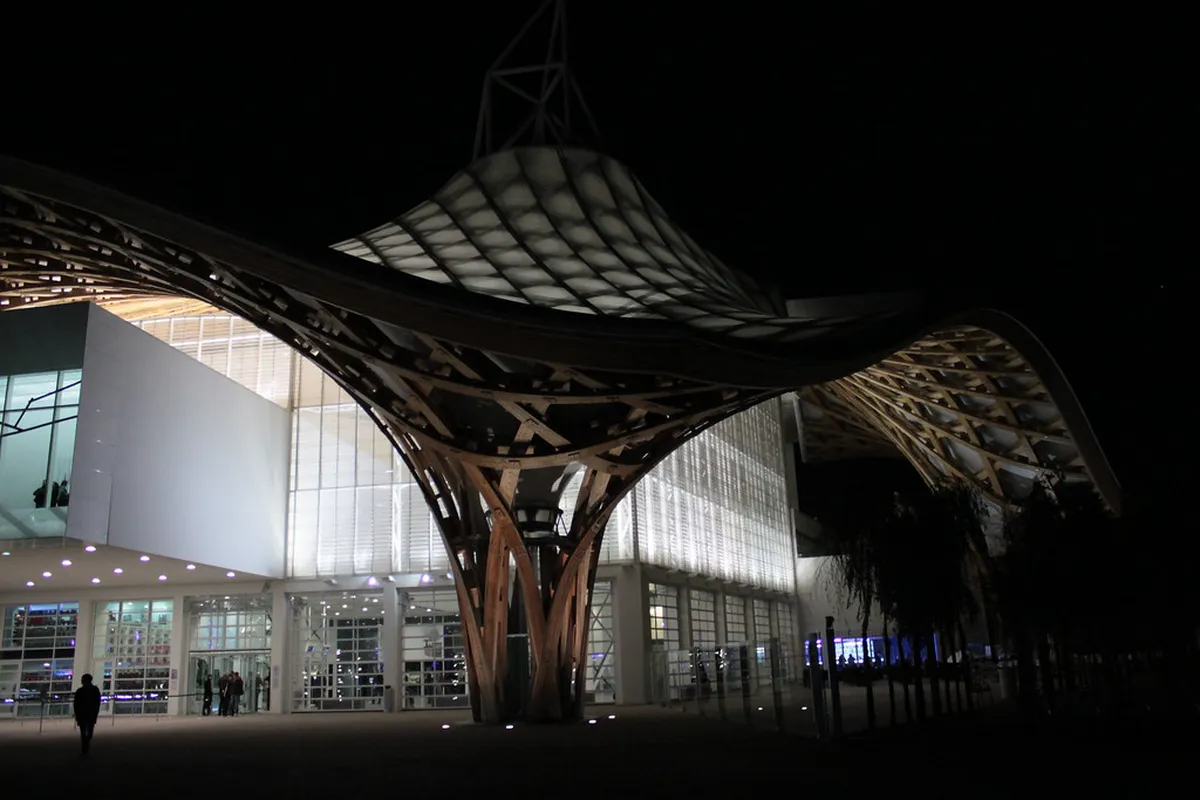
The most striking feature of the building is the massive and complex timber roof structure. Shigeru Ban designed this element using a sophisticated shigeru ban timber roof structure with a hexagonal mesh pattern. This design allows the roof to span vast distances without requiring many vertical support columns. It creates a sense of lightness and fluid movement across the entire museum site.
The roof structure uses a complex mesh of high-quality glue-laminated timber for strength and flexibility. This mesh creates a hexagonal pattern that looks like the weave of a traditional hat. Each piece of wood was precision-cut using advanced computer software for a perfect fit. This ensured a high level of accuracy during the difficult and long construction phase.
A translucent white membrane covers the wooden structure to protect it from the local weather elements. This membrane allows soft and natural light to filter into the galleries during the daytime. It glows beautifully at night and acts like a beacon for the city of Metz. The material is highly durable and helps regulate the temperature inside the large museum space.
- Total Area: The roof covers 8,000 square meters of exhibition and public space.
- Timber Length: Over 18 kilometers of glue-laminated timber were used in the frame.
- Height: The central spire reaches 77 meters high to honor the original Pompidou.
The Functional Layout of Interior Gallery Tubes
The interior of the museum features three large rectangular gallery tubes for various exhibitions. These tubes stack on top of each other and pierce through the white roof membrane. Each tube is 80 meters long and offers wide spans for displaying large art pieces. They are oriented to provide specific views of the city's most famous historic landmarks.
One gallery points directly toward the stunning Saint-Etienne Cathedral in the old city center. Another offers a clear view of the historic train station located just a short walk away. These visual connections help visitors stay oriented while they explore the modern art collections. The large windows at the end of each tube act as living picture frames.
The galleries offer flexible spaces that can be adapted for different types of art shows. High ceilings and wide floors allow for the installation of massive sculptures and digital art pieces. The neutral color palette inside ensures that the focus remains entirely on the artwork displayed. Visitors move between levels using glass elevators and sleek white staircases located in the center.
The ground floor serves as a grand public forum for events and social gatherings. It remains open and accessible to people walking through the district from the train station. This space includes a bookstore, a cafe, and several areas for smaller pop-up installations. It bridges the gap between the private gallery spaces and the public streets outside.
Integrating with the Quartier de l'Amphithéâtre Development
The museum plays a vital role in the quartier de l'amphitheatre development project in Metz today. This new district connects the historic city center with modern commercial and residential zones. Architects designed the museum to act as a bridge between these two very different urban areas. It has successfully attracted new businesses and residents to this formerly industrial part of the city.
Walking from the historic station to the museum takes less than five minutes for most visitors. The path is flat and features modern landscaping that complements the museum's organic design. This proximity makes it very easy for day-trippers from Paris or Luxembourg to visit. The urban plan prioritizes pedestrians and cyclists over car traffic in this specific area.
The surrounding gardens provide a peaceful space for visitors to relax before or after their visit. These green spaces feature contemporary sculptures and benches designed by various local and international artists. The landscape architecture mirrors the geometry found in the building's iconic timber roof structure. It creates a cohesive visual experience for everyone exploring the museum's exterior grounds.
Development in the area continues to grow with new residential buildings and office spaces opening nearby. The museum remains the centerpiece of this urban renewal strategy for the city of Metz. It has proven that high-quality architecture can drive economic growth and cultural pride in a region. The project serves as a model for other European cities looking to modernize.
Innovative Use of Modern Architectural Materials
The construction of the museum required the use of several highly innovative and durable materials. Engineers chose a PTFE-coated fiberglass membrane for the roof to ensure long-term structural integrity. This material is self-cleaning and resists the effects of pollution and heavy rain over time. It provides the necessary protection for the delicate wooden frame located directly beneath it.
Steel and concrete provide the essential support for the three heavy gallery tubes inside the building. These materials are hidden behind sleek white walls to maintain a clean and minimalist aesthetic. The use of glass is extensive throughout the entrance and at the ends of galleries. This maximizes the amount of natural light entering the building's deep interior spaces.
Sustainability was a key consideration during the selection of all materials for this major project. The timber used in the roof comes from sustainable forests located within the European region. Natural ventilation systems help reduce the energy needed to cool the large public areas in summer. These choices reflect a modern commitment to environmental responsibility in large-scale public architecture.
The floor surfaces use polished concrete and high-quality wood to provide a durable finish. These materials can withstand the high foot traffic from thousands of museum visitors every single week. The tactile quality of the materials adds to the overall sensory experience of the building. Every choice was made to enhance the beauty and longevity of the museum.
The Significance of Centre Pompidou-Metz Architecture
The global significance of Centre Pompidou-Metz architecture continues to grow among modern design enthusiasts worldwide. This project proved that high-quality cultural buildings can revitalize smaller cities across regional Europe. It serves as a model for sustainable and innovative museum construction for future generations. Join a metz architecture walking tour to see how this building influences the skyline.
The museum attracts over 300,000 visitors annually, contributing significantly to the local economy and tourism. It hosts world-class exhibitions that were previously only available in major capital cities like Paris. This decentralization of culture is a core mission of the Pompidou institution in France. The architecture provides the perfect stage for these ambitious and diverse artistic programs.
Visiting the museum in 2025 remains a highlight for anyone interested in modern engineering and design. The building has aged gracefully and continues to look contemporary and fresh after fifteen years. Its maintenance program ensures that the timber and membrane remain in excellent condition for visitors. It stands as a testament to the power of bold and creative thinking.
Tickets for the museum typically cost between 10 and 15 euros for an adult entry. The museum is usually open from 10 AM to 6 PM every day except Tuesday. It is located at 1 Parvis des Droits de l'Homme near the main station. Please check the official website for specific holiday hours and special event pricing.
Frequently Asked Questions
What makes the Centre Pompidou-Metz roof so unique?
The roof uses a hexagonal floor plan pompidou metz concept for its complex timber structure. It features a woven wooden mesh that mimics the pattern of a Chinese hat. This design allows for massive open spaces without many support columns inside.
Who designed the Centre Pompidou-Metz building?
The building was designed by architects Shigeru Ban and Jean de Gastines in 2010. They won an international competition with their innovative and transparent museum design. Shigeru Ban is particularly famous for his creative use of timber and paper.
Is the museum accessible from the Metz train station?
Yes, the museum is located just a few hundred meters from the Metz-Ville station. It takes less than five minutes to walk there using a pedestrian-friendly path. This makes it a perfect destination for travelers arriving by high-speed train.
The Centre Pompidou-Metz remains one of the most significant architectural achievements of the modern era. Its iconic roof and innovative galleries continue to inspire visitors and architects from around the world. Whether you love art or engineering, this building offers a unique and memorable experience. Plan your visit today to witness this incredible masterpiece of 2025 contemporary design in person.
Key Takeaways
- The roof is made of 18 kilometers of sustainable timber.
- Three stacked galleries offer framed views of historic Metz.
- The museum is a five-minute walk from the train station.
- Its design was inspired by a traditional Chinese woven hat.
Related reads: architecturebycity.com, architecture in metz.