
German Wilhelminian Architecture in Metz Guide
Explore the unique German Wilhelminian architecture in Metz. Discover the history of Quartier Imperial Metz and its landmarks in 2025. Plan your trip now!
On this page
Metz offers a stunning blend of French and German design styles for every curious traveler to enjoy. The city boasts a remarkable collection of German Wilhelminian architecture in Metz within its historic urban landscape. These grand structures showcase a fascinating period when the city was part of the expansive German Empire. Visitors find this district very different from the medieval streets located in the older parts of town.
Most of these impressive buildings sit within the famous and very well-preserved Quartier Imperial Metz district. This area showcases the sheer grandeur and political ambition of the late nineteenth and early twentieth centuries. You can see massive stone facades that feature very intricate details and powerful historical symbols today. Exploring these wide avenues provides deep insight into past urban planning and European cultural transitions over time.
Historical Context of the Imperial Quarter
The Quartier Imperial was developed after the city became part of the German Empire in late 1871. German authorities wanted to modernize the urban layout to reflect their new administration and cultural values. They designed wide boulevards and monumental public buildings to impress both local residents and visiting foreign officials. This massive project transformed the southern part of the city into a showcase of modern imperial power.
Emperor Wilhelm II took a personal interest in the architectural style used for these important new buildings. He preferred Neo-Romanesque and Neo-Renaissance styles because they felt traditional and very sturdy to his eyes. The Emperor worked closely with talented architects to ensure the structures looked majestic and truly unique. This royal influence created a district that feels significantly different from any other city in modern France.
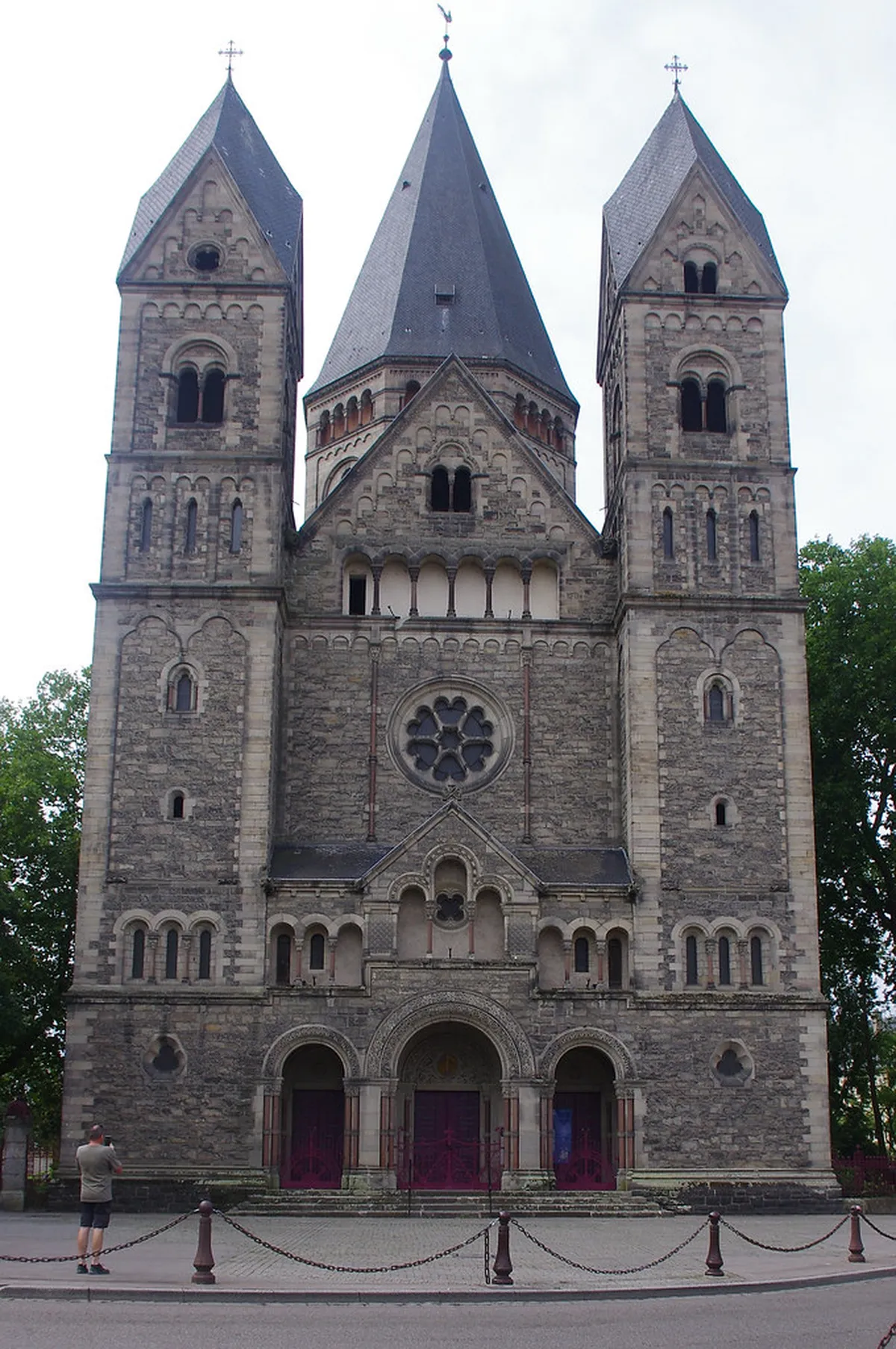
Architects used grey sandstone and granite instead of the traditional yellow Jaumont stone found in older areas. This deliberate choice of materials created a stark visual contrast with the classic French neighborhoods nearby. It highlighted the presence of the new German administration through a very distinct and powerful aesthetic language. Many of these sturdy buildings have survived multiple wars and remain in excellent condition for visitors today.
Today the district is recognized as a primary candidate for the prestigious UNESCO World Heritage list status. It represents one of the most complete examples of German urban planning from that specific historical era. Walking through these streets allows you to experience the transition between two very different European cultural worlds. It is a must-see area for anyone interested in history and the evolution of modern architecture.
Signature Traits of Wilhelminian Style
The German Wilhelminian architecture in Metz features many eclectic and very grand designs from that era. Buildings often mix different historical styles like Neo-Gothic or Neo-Baroque to create a very imposing visual impact. This variety was intended to demonstrate the wealth and the technical skills of the growing German state. You will notice that many structures look like fortresses or very ornate palaces for the elite.
Ornate stone carvings and detailed sculptural reliefs decorate the massive facades of these historic public buildings. Many structures include heavy turrets, large balconies, and very steep roofs covered with dark decorative slates. These specific features were designed to emphasize the high status and the prestige of the German Empire. Each building tells a unique story through its artistic decorations and its very sturdy overall construction.
High ceilings and very spacious interiors characterize the luxurious residential villas found along the main boulevards. Large windows were designed to allow plenty of natural light into these grand and very comfortable homes. The materials used for construction were of the highest quality available during the early twentieth century period. You can see these interesting features clearly while following a Metz architecture walking tour today.
Many buildings in this style still serve as active offices or private homes for local residents today. They have stood the test of time remarkably well due to their high-quality stone and solid foundations. Visitors can admire the preservation efforts that keep these historic facades looking fresh and very impressive. The district remains a living part of the city rather than just a static outdoor museum.
The Magnificent Metz Railway Station
The Metz Railway Station is the most famous example of German Wilhelminian architecture in Metz for travelers. Architect Jürgen Kröger designed the massive station in a striking Neo-Romanesque style during the early 1900s. It was completed in 1908 to meet both the growing civilian needs and complex military logistics. The structure is incredibly long and features a very prominent clock tower that dominates the local skyline.
Its facade stretches for over 300 meters and contains many beautiful carvings of historical and legendary figures. One famous carving even depicts the Emperor himself dressed as a medieval knight on a very large horse. These artistic details were meant to connect the modern German state with the glorious legends of the past. The station was built to be both a functional transport hub and a powerful political statement.
The interior of the station features high vaulted ceilings and beautiful stained glass that remains very colorful today. Visitors can still see the Emperor’s private reception room which was built for his exclusive royal use. This room showcases the extreme luxury that the high command enjoyed during their frequent travels to the city. It remains one of the most impressive station interiors anywhere in the world for architecture fans.
The station continues to serve as a vital link for the modern high-speed rail network across France. It connects the historic Imperial district with the newer parts of the city and other European capitals. Most travelers start their exploration of the local architecture right here after arriving on a fast train. The building is open daily and provides a very grand welcome to every visitor in 2025.
Notable Residential Villas and Palaces
The Avenue Foch is famous for having some of the most beautiful residential villas in the entire region. These private homes were built for high-ranking German officials and wealthy businessmen during the late nineteenth century. Each house features a unique design that reflects the personal taste and the social rank of its owner. You can see a wide variety of architectural styles along this single wide and tree-lined street.
Some villas resemble small fairy-tale castles with pointed towers and very intricate woodwork on the upper floors. Others look like grand Italian palaces with classical columns and very large stone porches for greeting guests. The gardens surrounding these homes were also carefully designed to provide a sense of peace and privacy. These green spaces remain very lush and help the district feel like a calm and quiet oasis.
Walking along this street offers a glimpse into the daily life of the elite during that prosperous era. Many facades still feature the original names of the houses carved into the heavy stone above the doors. The level of detail on the window frames and the metal fences is truly exceptional for this period. These homes are among the most expensive and highly desired properties in the city of Metz today.
You should take your time to photograph the different roof shapes and the colorful tiles on display here. The variety of colors used for the stones and the bricks creates a very vibrant street scene. It is easy to spend an entire afternoon just exploring the many different details on these grand houses. Most of these villas are best viewed from the sidewalk to respect the privacy of current residents.
Urban Planning and Modern Boulevards
Urban planners designed the new district with very modern logistics and public health standards in mind. They included very broad boulevards to accommodate the growing traffic of the early twentieth century city. These wide streets were also designed to allow for the easy movement of military troops if necessary. This functional layout was very advanced compared to the narrow streets found in the older city center.
The planners included many large public squares and parks to provide fresh air for the local population. These green spaces offer a nice balance to the heavy appearance of the massive Wilhelminian stone buildings. The Place du Roi-George is a great example of a functional square surrounded by very grand architecture. It served as a central meeting point for residents living in the heart of the district.
The Ring or the inner belt circles the old town and contains many important administrative buildings today. This area was designed to show off the efficiency and the organizational power of the German state. You will find the main post office and several large schools located within this specific urban zone. These buildings remain very functional and continue to serve the modern needs of the city's people.
Pedestrians can enjoy very wide sidewalks and plenty of shade from the tall trees planted long ago. The integration of nature into the urban design makes the district very pleasant for long afternoon walks. It is one of the best areas for walking in the city due to the low traffic. The clever layout has allowed the district to adapt well to the needs of modern cars.
Best Tips for Your 2025 Architecture Tour
Visiting these historic sites in 2025 is very easy because most landmarks are close to each other. You can start your tour at the railway station and walk toward the impressive Avenue Foch nearby. This route will take you past the most significant buildings in about two or three hours. The visiting Metz historic buildings guide provides several helpful maps for your journey through time.
Make sure to wear comfortable walking shoes as you will be on your feet for several hours. The stone buildings look most beautiful when the sun is low in the sky during the afternoon. This lighting highlights the deep textures and the complex shapes of the carvings on the stone facades. You should bring a good camera to capture the many unique details found on the private villas.
Most of the important landmarks are free to admire from the public sidewalks and the local squares. You can enter the railway station and the main post office to see the impressive interior designs. Some local museums also offer special exhibits about the construction and the history of the Imperial district. These resources provide great context for understanding why the city looks the way it does today.
Check the local weather forecast before you start your walking tour of the many historic neighborhoods. The grey stone can look quite dramatic on a cloudy day but shines bright under the sun. You will find several small cafes and bakeries located within the district for a quick snack break. Enjoying a coffee while looking at these grand buildings is a great way to spend time.
Frequently Asked Questions
What is the best way to see the German architecture in Metz?
The best way to see these buildings is on foot starting from the central railway station. You can walk along Avenue Foch to see the most impressive residential villas in the city. Most major landmarks are located within a short ten-minute walk of each other today.
Is the Quartier Imperial Metz near the city center?
The Quartier Imperial is located just south of the medieval city center and the main cathedral. It is very easy to walk between the two different architectural zones in about fifteen minutes. This transition shows the clear difference between French and German urban planning styles.
Why is the stone grey in the Imperial district?
Architects used grey sandstone and granite to contrast with the yellow stone of the older French buildings. This was a deliberate choice to show the distinct identity of the new German administration. The grey stone was also considered very modern and very durable for large monumental structures.
Are there guided tours for the architecture in Metz?
The local tourism office offers several guided tours that focus on the history of the Imperial district. You can also find specialized walking maps that highlight the most important buildings and their designers. These tours provide excellent details about the history of the city during the nineteenth century.
The German Wilhelminian architecture in Metz remains a unique treasure that everyone should visit in 2025. This district offers a rare look at a fascinating period of European history and urban design. You will surely appreciate the grand scale and the incredible detail of these historic stone buildings. Plan your visit to this beautiful city today to see these architectural wonders for yourself.
Key Takeaways
- Start your tour at the historic Metz Railway Station for the best experience.
- Walk along Avenue Foch to see the most luxurious and unique residential villas.
- Look for the deliberate use of grey stone as a symbol of historical change.
- The district is very pedestrian-friendly and perfect for a slow afternoon walk.
- Visit in 2025 to see one of the best-preserved German imperial districts in Europe.
Related reads: architecturebycity.com, architecture in metz, art nouveau villas in metz.