
Explore the Historic Quartier Imperial Metz
Visit the Quartier Imperial Metz in 2025. Explore stunning German architecture and historic villas in this unique district. Plan your walking tour now!
On this page
The Quartier Imperial Metz offers a fascinating glimpse into the complex history of this beautiful French border city. This district was constructed during the German annexation between eighteen hundred and seventy-one and nineteen hundred and eighteen. Travelers visiting Metz in 2025 will find a unique blend of French charm and imposing German imperial design. The area serves as a living museum of urban planning and diverse architectural styles from the early twentieth century. Exploring the architecture in Metz reveals how this specific neighborhood changed the city's identity forever.
This neighborhood remains one of the best-preserved examples of German urbanism from the Wilhelminian era in modern Europe. Visitors can wander through wide boulevards that contrast sharply with the narrow streets of the older medieval center. Every corner of this district tells a story of power, cultural identity, and artistic innovation across two nations. You will discover grand public buildings and private villas that showcase the height of late nineteenth-century European craft. The Quartier Imperial Metz is essential for anyone interested in European history or beautiful urban landscapes today.
The History of Quartier Imperial Metz
The development of the Quartier Imperial Metz began after the Treaty of Frankfurt ended the Franco-Prussian War in eighteen seventy-one. Kaiser Wilhelm II wanted to transform the city into a strategic military hub and a symbol of German power. He ordered the demolition of old medieval ramparts to create space for modern wide avenues and grand squares. This expansion allowed the city to double in size and accommodate a growing population of civil servants and soldiers. The urban plan followed the Ringstrasse model which was very popular in many major European cities back then.
German architects were encouraged to move away from traditional French styles and use more Germanic and historical revival elements. This led to a mix of Neo-Romanesque, Neo-Gothic, and Neo-Renaissance designs that defined the new urban landscape. The project was not just about beauty but also about creating a functional and modern environment for the residents. Many of these structures were built with grey sandstone instead of the local yellow stone used in older districts. This intentional choice of material helped to distinguish the new German quarters from the historic French city center.
The district was designed to impress visitors and project a sense of permanence and strength for the German Empire. Public buildings like the post office and the train station were given monumental proportions to signify their great importance. Even the residential streets were carefully planned with specific rules for garden sizes and facade designs for every house. Walking through these streets today provides a clear view of how urban design can be used for political messaging. The preservation of these buildings after nineteen eighteen shows the enduring quality and historical value of this unique neighborhood.
Architecture of the Gare de Metz
The Gare de Metz architecture stands as the most impressive landmark within the entire Quartier Imperial Metz district today. This massive railway station was designed by architect Juergen Kroeger and completed in nineteen hundred and eight for the Kaiser. It features a Neo-Romanesque style that looks more like a grand palace or a cathedral than a transit hub. The building stretches over three hundred meters long and includes a striking clock tower that rises into the sky. Its facade is decorated with intricate sculptures that represent various themes of travel and the history of the region.
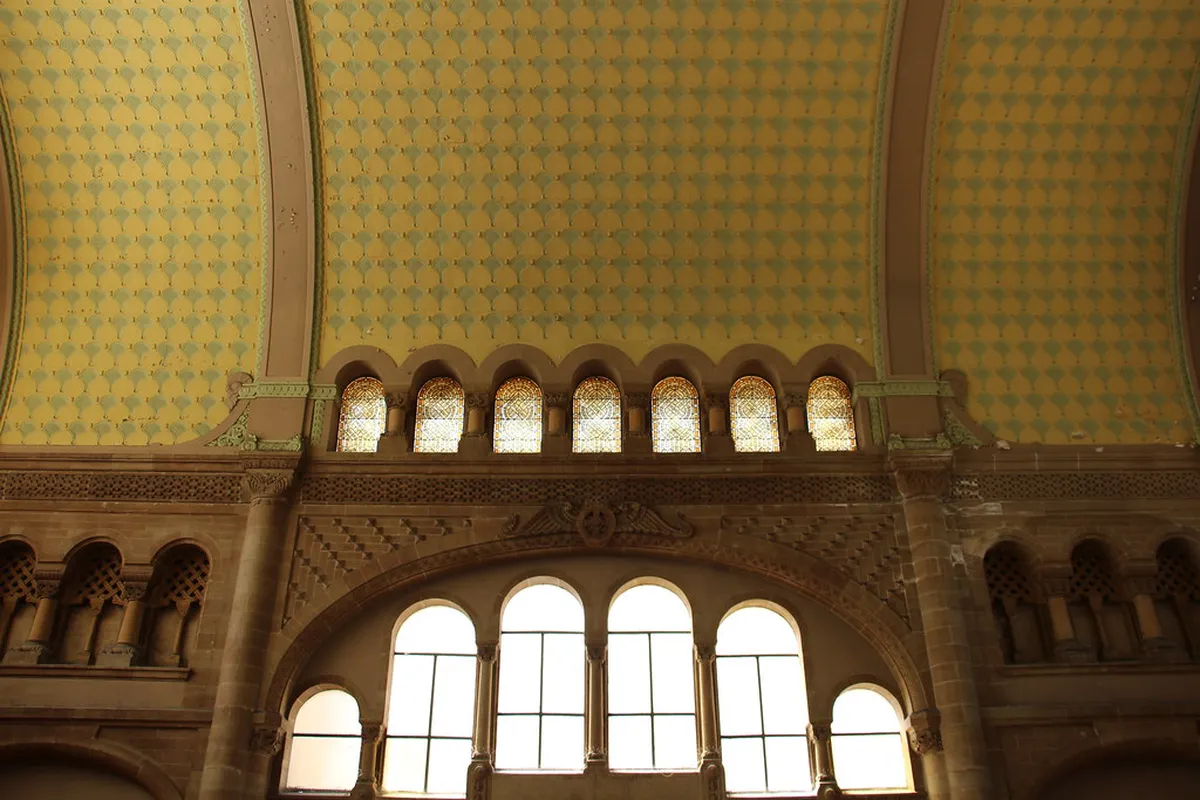
Inside the station, the Kaiser had his own private apartments and a separate entrance for himself and his royal guests. These rooms were luxuriously decorated to ensure the emperor felt comfortable during his frequent visits to the frontier city. The station was engineered to handle large numbers of troops quickly in case of a future military conflict. Today, travelers can still see the original stained glass windows and stone carvings that make this station truly unique. It has been voted as one of the most beautiful train stations in France several times in recent years.
The Gare de Metz is located at the southern end of the district and anchors the entire urban layout effectively. It connects the neighborhood to the rest of Europe while serving as a gateway for tourists arriving in the city. Visitors should take the time to walk around the exterior to appreciate the detailed masonry and massive stone arches. The station square provides a great vantage point for photos of the clock tower and the main building facade. It is a perfect starting point for any walking tour of the wider imperial neighborhood during your 2025 visit.
The preservation of the station has been a priority for local authorities to maintain its historic and cultural significance. Recent renovations have cleaned the grey stone and restored many of the original interior features for modern commuters to enjoy. The station remains a busy transport hub with high-speed trains connecting Metz to Paris in just eighty-two minutes. Seeing the contrast between modern technology and historic design is a highlight for many visitors to the district. Make sure to check the train schedule to avoid the busiest times when exploring the main halls.
Stunning Villas of Avenue Foch
Avenue Foch is the most elegant residential street in the Quartier Imperial Metz and features many spectacular private villas. These homes were built for wealthy residents and high-ranking officials who wanted to display their social status and wealth. Each villa has a unique design that ranges from Art Nouveau to heavy German historicism and classic revival styles. You will notice that many of these homes are set back from the street behind small and manicured gardens. The Art Nouveau villas in Metz are particularly famous for their flowing lines and natural motifs.
One of the most famous houses on this street is the Villa Bleyler which displays a very eclectic design style. It combines different stone colors and decorative elements that make it stand out from its neighbors on the avenue. Another notable building is the Hotel des Postes which serves as a massive example of the Neo-Romanesque style nearby. The variety of materials used on Avenue Foch creates a rich visual experience for anyone walking along the street. You can see how the architects experimented with different shapes and textures to create a very modern residential area.
The gardens along Avenue Foch are an integral part of the original urban design from the early twentieth century. They were intended to bring light and air into the city while providing a beautiful setting for the homes. Today, these villas are often used as offices for law firms or medical practices but remain well-maintained and preserved. Walking along the wide sidewalks allows you to admire the intricate details of the balconies and the carved window frames. The street is particularly beautiful during the spring when the trees and garden flowers are in full bloom.
Building Materials and Jaumont Stone
The use of specific building materials is a key feature that defines the look of the Quartier Imperial Metz. Traditional buildings in the older parts of Metz almost exclusively use the yellow Jaumont stone buildings for their facades. However, the German planners chose to use grey sandstone and granite for many of the new imperial structures here. This was a deliberate choice to align the city with the aesthetic of other major cities in the Rhineland. The grey stone creates a cooler and more imposing feeling compared to the warm glow of the yellow stone.
You can see the contrast between these materials most clearly where the new district meets the older French neighborhoods nearby. Some buildings in the Quartier Imperial Metz actually combine both types of stone to create interesting and colorful patterns. This mixture symbolizes the blending of two different cultures and architectural traditions within a single urban space. The durability of these stones has allowed the buildings to age very well over the last hundred years. Many facades still look as impressive today as they did when they were first constructed in nineteen hundred.
In 2025, many of these buildings are undergoing careful restoration to clean the stone and preserve the historic details properly. Visitors can see how the different colors of stone react to the light at various times of the day. The grey sandstone often looks quite dramatic during the golden hour before the sun sets over the city. Learning about the origins of these stones provides a deeper understanding of the geological and political history of Metz. It is one of the most visible ways that the imperial era left a lasting mark on the city.
Practical Tips for Your 2025 Visit
Planning a visit to the Quartier Imperial Metz is easy because the district is very walkable and close to center. The best way to experience the architecture is to follow a self-guided walking tour starting from the train station. Wear comfortable shoes because you will be walking on a mix of paved sidewalks and some older cobblestone streets. Most of the main sites are public buildings or private exteriors that you can view for free at anytime. Give yourself at least two hours to see the main highlights without feeling rushed during your afternoon walk.
- Start your tour at the Gare de Metz to see the clock tower and main hall.
- Walk down Avenue Foch to see the best examples of historic and Art Nouveau villas.
- Visit the Place Raymond Mondon to see the statues and the grand public architecture nearby.
- Stop at a local cafe in the district to enjoy the atmosphere of this quiet neighborhood.
The neighborhood is safe and well-lit, making it a pleasant place to explore even during the early evening hours. There are several informative plaques located near the major buildings that provide historical context in French and English. If you want a more detailed experience, you can book a guided tour through the local tourism office. These tours often provide access to some interior spaces that are usually closed to the general public during the week. Check the official city website for the latest tour schedules and prices before you arrive in Metz.
The district is well-connected by the Mettis bus system if you prefer not to walk the entire distance from center. There are also several public parking garages nearby if you are traveling by car through the Grand Est region. Many visitors combine a trip to the imperial quarter with a visit to the nearby Centre Pompidou-Metz museum. This allows you to see both the historic imperial style and the cutting-edge modern architecture of the city. Make sure to bring your camera to capture the unique stone carvings and grand boulevards of this area.
Frequently Asked Questions
Is the Quartier Imperial Metz within walking distance from the city center?
Yes, the district is very close to the historic city center and the main shopping areas of Metz. You can reach the train station from the cathedral in about fifteen minutes by walking at a normal pace. Following a Metz architecture walking tour is the best way to see how the two areas connect. The route is flat and easy to navigate for visitors of all ages.
What is the best time of day to photograph the imperial buildings?
The best time for photography is during the morning or late afternoon when the light is softer and warmer. The grey sandstone of the imperial buildings looks particularly beautiful during the golden hour just before the sun sets. You will find that the shadows help to highlight the intricate stone carvings on the facades of the villas. Avoid the midday sun as it can create harsh highlights on the light-colored stone surfaces.
Are there many places to eat in the Quartier Imperial Metz?
The district is primarily residential and administrative, so there are fewer restaurants than in the old city center. However, you can find several excellent bakeries and small cafes near the train station and along the main avenues. It is a great place to enjoy a quiet coffee while admiring the surrounding historic architecture during your break. For a larger meal, you might want to walk back toward the Place de la Republique nearby.
The Quartier Imperial Metz is a unique architectural treasure that offers a deep look into the history of Europe. Its blend of German and French influences creates an atmosphere that you cannot find anywhere else in the world. From the massive train station to the elegant villas of Avenue Foch, every building tells a fascinating story. Visiting this district in 2025 will give you a new appreciation for the complex identity of this region. We hope this guide helps you plan an unforgettable trip to this historic neighborhood in Metz soon.
Key Takeaways
- The district was built during the German annexation to showcase imperial power and modern urban planning.
- The Gare de Metz is a masterpiece of Neo-Romanesque architecture and a must-see landmark for every visitor.
- Avenue Foch features a diverse collection of luxury villas ranging from Art Nouveau to German historicist styles.
- The use of grey sandstone intentionally distinguished these new buildings from the traditional yellow stone of old Metz.
- The neighborhood is easily accessible on foot and offers a quiet contrast to the busy medieval city center.
Related reads: architecturebycity.com, saint etienne de metz cathedral, centre pompidou metz architecture.