
Jaumont Stone Buildings in Metz: The Golden City Guide
Discover the stunning Jaumont stone buildings in Metz. Learn about the history and beauty of France's Golden City. Plan your 2025 architecture visit now!
On this page
Metz is often called the Golden City of France because of its radiant and historic yellow buildings. This unique name comes from the warm glow that many local structures emit during the day. The primary material used for these stunning architectural works is the famous Jaumont stone from the region. This golden limestone has defined the visual identity of the city for many centuries of growth.
You can see these Jaumont stone buildings throughout the entire historic city center of beautiful Metz today. Most tourists visit in 2025 to experience this radiant architectural beauty and capture the perfect sunset photos. This local material defines the visual identity of the entire Lorraine region in northeastern France. Start your journey at historic architecture in Metz to see how the city was built.
This material is far more than just a simple and common building block for local houses. It represents the rich history and fascinating geology of the larger Lorraine region in modern Europe. Walking through the city streets feels like stepping into a sun-drenched painting filled with golden hues. The natural light reflects off the yellow walls in a truly magical and unforgettable way.
The Unique Geology of Jaumont Stone
Jaumont stone is a specific type of yellow oolitic limestone found near the city of Metz. It formed during the Middle Jurassic period millions of years ago in a shallow tropical sea environment. The stone is found exclusively in the heart of the Lorraine region in northeastern France today. It contains a high concentration of iron oxide minerals which gives the material its distinct color.
These iron minerals give the stone its famous golden color that locals and visitors love so much. The hue can vary from a light yellow to a very deep and warm honey tone. This depends heavily on the specific layer of the quarry used for the building project blocks. This natural variation adds a beautiful and organic quality to every single wall in the city.
Miners extract the stone from a large open-pit quarry located in Saint-Privat-la-Montagne near the city center. This site has provided essential materials for local construction projects since the ancient Roman times of Gaul. Modern techniques now help to sustain the supply of stone while protecting the local environment and land. The quarry remains an active part of the local economy and architectural heritage in 2025.
The texture of the limestone is quite soft when it is first pulled from the deep earth. This quality allows master stone carvers to create very detailed and intricate architectural work with great ease. It hardens significantly over time as it reacts with the open air and the natural elements. This chemical process makes the facades durable enough to last for many hundreds of years.
Builders love using this material because it is very versatile for many different types of construction projects. It works well for large foundation blocks and thin decorative panels for modern luxury home designs. You can see this versatility in various structures across the diverse landscape of the city of Metz. The stone creates a unified and harmonious look for the entire historic district of the city.
Masterpieces of Golden Architecture in Metz
The Cathedral of Saint-Etienne is the most iconic example of Jaumont stone construction in the whole world. It is often called the Lantern of God by locals because of its many bright windows. The building features massive walls made entirely of golden Jaumont stone that glow during the day. These walls support some of the largest stained-glass windows found anywhere in the entire European continent.
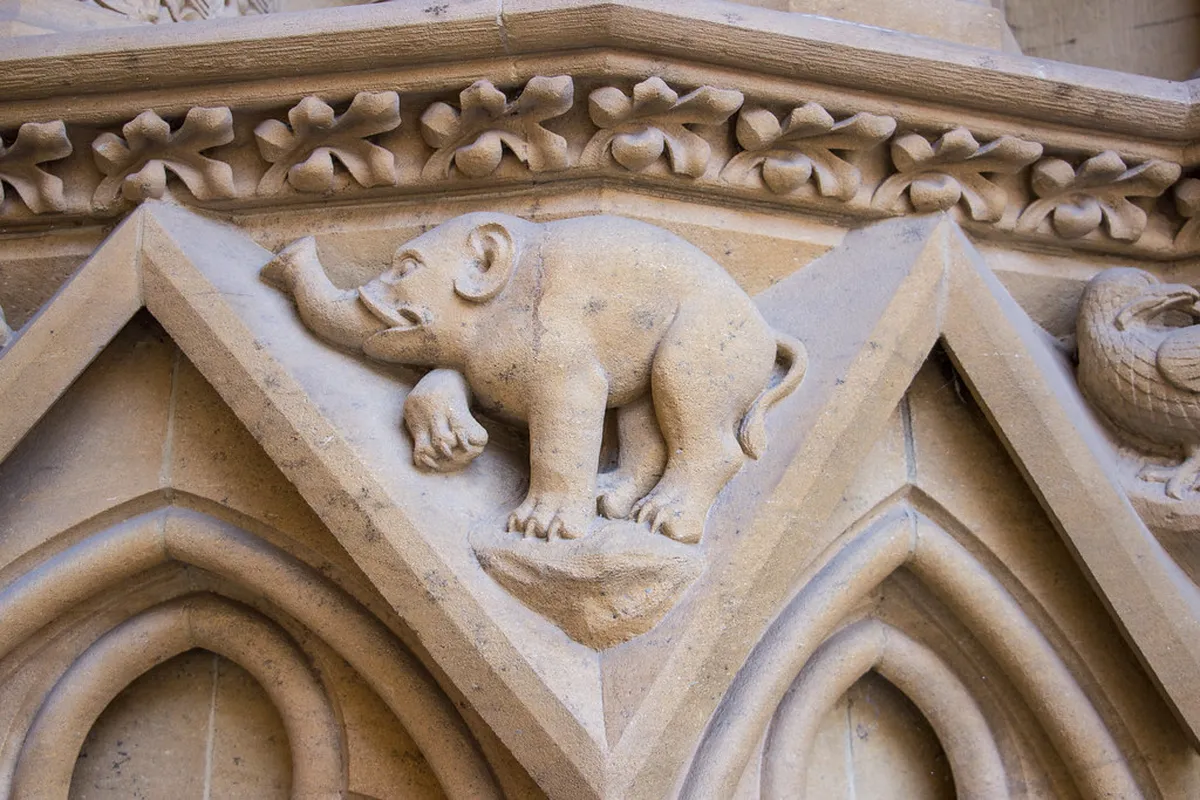
Construction of this massive cathedral took over three hundred years for the local craftsmen to fully finish. This long process allowed different architectural styles to blend together into a single and impressive Gothic structure. The golden stone provides a consistent theme throughout the whole building despite these changing architectural styles. Visit the Saint-Etienne de Metz Cathedral to see the incredible stone carvings today.
Another major site for stone lovers is the Place d'Armes located right next to the cathedral. This square represents the absolute peak of French classical urban design from the eighteenth century period. The grand buildings surrounding the square use the same local limestone to create a formal look. It creates a very elegant and unified space for the public to enjoy during their visit.
The Town Hall is a key building on this historic square that showcases local building materials. It shows how the golden stone was used in grand civil architecture for important local government offices. The facade is grand and features many classical columns and detailed statues made of yellow limestone. The golden color shines brightly against the blue French sky during the sunny summer months.
Visitors can also find the stone in the beautiful Opera House located on a nearby river island. It is one of the oldest active theaters in France and remains a cultural hub today. The building stands on a small island in the Moselle River surrounded by lush green gardens. Its golden walls reflect beautifully in the calm and moving river water during the evening hours.
The Role of Jaumont Stone in Urban Design
Urban design in Metz relies heavily on this specific material to create a cohesive city identity. It links the different neighborhoods of the city together visually through a shared and warm color palette. From narrow medieval alleys to grand open squares, the yellow stone is visible in every single direction. This consistency makes the city feel like a complete and carefully planned artwork from the past.
Place Saint-Louis is another fantastic area to visit in 2025 for lovers of historic stone architecture. This square features medieval houses with covered arcades and many small local shops for tourists to enjoy. The Jaumont stone here has aged gracefully over many hundreds of years of use by the people. You can see the deep history in every weathered block and arch along the historic square.
The city planners used the stone to create a sense of order and beauty for the residents. Even the smaller residential streets follow this golden color palette to maintain the city's famous glowing look. It gives Metz a unique warmth that many other French cities lack in their urban centers. This is especially true during the late afternoon hours of the summer and autumn seasons.
You can explore the Place d’Armes urban design for a better view of these planning principles. It shows how the stone works perfectly with large open public spaces and classical French geometry. The light and shadow play across the yellow stone surfaces to create a dynamic visual experience. Architects still study these designs today for their perfect use of local natural building materials.
The stone also appears in the ancient fortification walls that once protected the city from outside invaders. These ruins tell the story of a city that was protected by strong and beautiful golden walls. Even military structures were built with an eye for beauty and visual impact in ancient Metz. The stone provided both immense physical strength and a pleasing visual appearance for the local citizens.
Modern Preservation of Metz’s Golden Walls
Maintaining these historic stone buildings requires a lot of specialized care from trained master masonry experts. The soft nature of the limestone makes it prone to erosion from the wind and heavy rain. Wind and rain can slowly wear away the intricate stone carvings on the most famous local monuments. Conservation teams work hard in 2025 to protect these national cultural treasures for the future.
Modern air pollution can also cause the golden stone to turn a dark and unattractive grey color. Regular cleaning is necessary to restore the original bright yellow color of the beautiful historic facades. Experts use gentle techniques like low-pressure water and soft brushes to clean the fragile stone surfaces. This helps to maintain the physical integrity of the historic facades without causing any permanent damage.
Learn more about cleaning and preserving Jaumont stone to see how the city stays bright. These methods are vital for the long-term health and beauty of the entire urban landscape here. Without this continuous work, the golden glow of the city would eventually fade away and disappear. Every restoration project ensures the stone lasts for many future generations of locals and travelers.
Modern builders also use new Jaumont stone for high-quality repairs and new construction projects today. They source the material from the same ancient quarries as the Romans did many centuries ago. This ensures that new stone patches blend in perfectly with the older weathered stone on buildings. It is a delicate process that requires great artistic skill and a deep understanding of geology.
Best Spots to View Jaumont Stone Facades
Finding the best views of the golden stone is very easy for anyone visiting central Metz. You should start your architectural walk at the Place de la Comedie near the Opera House. This spot offers a panoramic view of the Opera, the river, and the distant cathedral spires. The golden buildings look spectacular when the sun begins to set over the western hills.
The hills of the Sainte-Croix district are also worth a visit for a more intimate experience. This area is the oldest part of the entire city and features many hidden architectural gems. The narrow streets are lined with charming golden stone houses that date back several hundred years. It feels like you have traveled back in time to the Middle Ages in France.
For a complete list of sites, check the best places to see Jaumont stone in Metz. These locations were chosen for their historical importance and their high visual impact on the skyline. Many of them are within a short walk of each other in the pedestrian-friendly center. You can easily see the main architectural highlights in just one day of walking.
Do not forget to visit the scenic banks of the Moselle River during your trip. The reflections of the yellow stone in the water are truly special and very peaceful. This is a favorite spot for photographers and artists visiting the city in early 2025. The contrast between the blue water and the warm stone is very striking and beautiful.
Practical Tips for Visiting Metz in 2025
Visiting Metz in 2025 is a great choice for travelers who love history and unique architecture. The city is very walkable and easy to navigate on foot for most healthy visitors. Most of the famous golden buildings are located in the central zone near the main shops. You can enjoy the scenery without needing a car or taking the local bus system.
Try to visit during the spring or the early autumn months for the best lighting conditions. The light during these specific seasons is soft and warm on the historic stone surfaces. It brings out the best qualities of the yellow limestone walls in the city center. You will also find fewer crowds during these shoulder seasons compared to the peak summer.
Local walking tours can provide more depth and history to your architectural visit in the city. Professional guides can explain the history of specific carvings and the statues on the cathedral walls. Many of these tours focus on the popular "Golden City" theme for curious international tourists. They are a great way to learn about the local culture and building traditions.
Make sure to bring a high-quality camera and extra batteries for your trip to Metz. The stone changes color dramatically depending on the specific time of day and the weather. You will want to capture the transition from light yellow to deep glowing gold. Early morning light offers the most dramatic and beautiful photography for your travel blog.
Frequently Asked Questions
What makes Jaumont stone unique for buildings?
Jaumont stone is unique because of its high iron oxide content which creates a golden color. It is a soft limestone that allows for very detailed and intricate architectural carving work. The stone is only found in a small area near the city of Metz.
Where is the Jaumont stone quarry located?
The main quarry is located in Saint-Privat-la-Montagne, which is a short distance from Metz. This site has been the primary source of building material for the region since Roman times. It remains an active quarry that provides stone for modern restoration and construction.
Why do Jaumont stone buildings glow at sunset?
The buildings glow because the iron oxide in the stone reflects the warm evening sunlight. This creates a radiant yellow and orange effect on the facades of the city structures. It is this specific visual phenomenon that gives Metz the nickname of the Golden City.
How does Metz preserve its golden stone facades?
The city uses specialized cleaning and restoration techniques to maintain the health of the limestone. Experts remove pollution and dirt to reveal the bright natural yellow color underneath the grime. They also use new stone from the original quarry to repair any damaged architectural details.
The Jaumont stone buildings of Metz are a true French wonder that every traveler should see. This local material gives the city a unique, warm, and inviting identity that is unforgettable. From grand cathedrals to quiet residential streets, the golden glow is everywhere in this city. It is a lasting testament to the rich local geology and the deep history of France.
Plan your trip to see this architectural beauty in 2025 and experience the magic yourself. You will be amazed by the radiant light and the history of the famous Golden City. Explore the streets and discover the magic of this local limestone on every street corner. It is a travel experience that every architecture lover will truly cherish and enjoy.
Key Takeaways
- Jaumont stone is a unique yellow limestone found only near Metz in France.
- The golden color of the buildings comes from natural iron oxide in the stone.
- Top sites to see the stone include the Metz Cathedral and the Place d'Armes.
- The best time for photography is during the golden hour just before sunset.
Related reads: architecturebycity.com, centre pompidou metz architecture, quartier imperial metz.