
Marc Chagall Stained Glass Metz: A 2025 Art Guide
Discover the Marc Chagall stained glass Metz in 2025. Visit Saint-Etienne Cathedral to see these modern windows. Plan your art tour of France today!
On this page
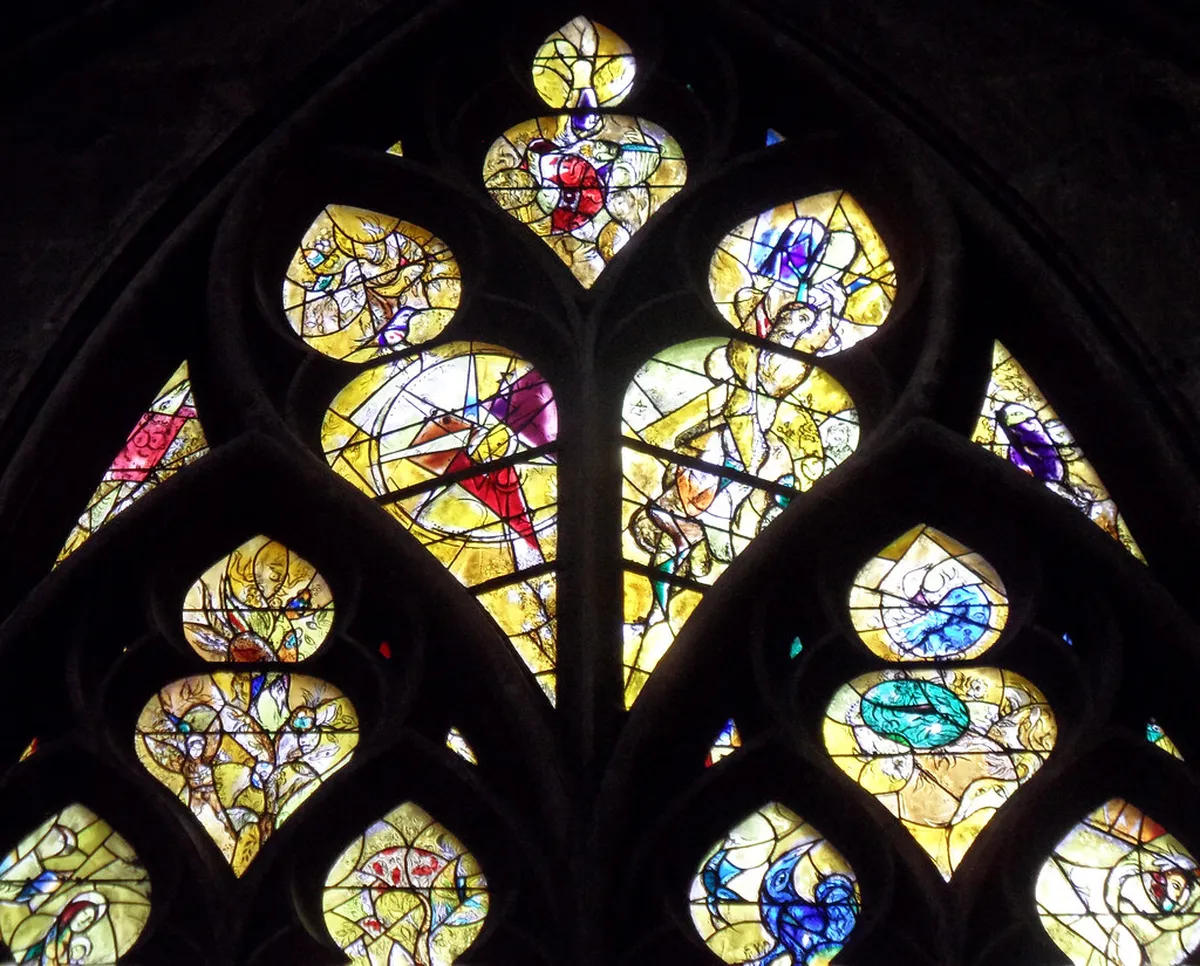
The Marc Chagall stained glass Metz windows offer a rare sight for art lovers visiting France today. These vibrant panels sit inside the magnificent Saint-Etienne de Metz Cathedral, known for its height. Visitors often feel moved by the glowing blue and yellow hues that dance across the walls. This guide explores the unique history and spiritual depth of these 20th-century artistic masterpieces.
Metz is a city that prides itself on a rich history spanning over two thousand years of development. The addition of modern glass into a medieval structure represents the resilience of the local French culture. You will find that the cathedral serves as a perfect gallery for these famous and colorful works. Many travelers consider seeing these windows the primary highlight of their entire trip to the northeast region.
History of the Marc Chagall Stained Glass Metz
After World War II, many French cathedrals needed extensive repairs to their shattered windows and stone structures. Authorities invited Marc Chagall to create modern designs for the historic Saint-Etienne de Metz Cathedral in 1958. This choice blended medieval architecture with contemporary Jewish artistic perspectives in a bold, new way for France. The artist worked on several panels over a decade to complete his vision for the sacred space.
Chagall was nearly seventy years old when he started this massive project for the city of Metz. He collaborated closely with master glassmakers from the famous Simon workshop located in the city of Reims. This partnership ensured that his fluid painting style translated perfectly into the rigid medium of leaded glass. The results transformed the north transept into a gallery of light that remains famous around the world.
The integration of modern art into a Gothic cathedral caused some debate among traditionalists during the 1960s. However, the emotional power of Chagall's work eventually won over the hearts of the local French public. Today, these windows are considered one of the most important cultural treasures in the entire Grand Est region. They represent a successful bridge between the troubled past of the war and a bright, creative future.
Marc Chagall finished the final panels for the cathedral in 1968, marking the end of his work. Each piece reflects his unique ability to combine spiritual themes with a very personal and expressive style. The Marc Chagall stained glass Metz installation remains a primary reason why many people visit this cathedral today. It stands as a monument to the enduring nature of human creativity and faith in difficult times.
The windows have since become a symbol of the city and its commitment to preserving artistic excellence. Scholars from around the globe travel here to study the specific techniques used by the Simon glass workshop. You can clearly see the evolution of the artist's technique as you move from the transept windows. This historical context makes the viewing experience even more rewarding for the curious traveler visiting Metz today.
Biblical Themes in the Cathedral Windows
The windows depict scenes from the Old Testament with a distinct modern flair that surprises many visitors. Chagall focused on the story of Creation and the journey of the Jewish people through historical hardships. You can see the figures of Adam and Eve surrounded by lush botanical patterns in the glowing glass. These biblical narratives provide a deep spiritual connection that transcends time and different religious traditions.
Another significant panel illustrates the sacrifice of Isaac with intense emotional depth and swirling circular compositions. The artist used symbolic imagery to represent the relationship between the divine and the everyday human experience. Each panel tells a story that complements the ancient history of this site while adding a modern perspective. Visitors often spend several minutes reflecting on the complex layers of meaning found within each specific glass panel.
Chagall also included references to the prophets and the struggles for liberation found in the ancient biblical texts. His choice of subjects resonated with a world that was still recovering from the horrors of recent wars. The stories are told through dreamlike figures that seem to float across the surface of the colored glass. This ethereal quality creates a sense of peace that fills the entire north transept of the cathedral.
Many art historians believe the Marc Chagall stained glass Metz windows are his finest work in glass media. The artist was able to distill complex theological ideas into simple, yet powerful, visual symbols for the viewer. You will notice that the figures are not static but seem to move as the light changes. This dynamic quality keeps the viewer engaged with the narrative as they move throughout the sacred space.
The themes of hope and renewal are present in every section of the windows that Chagall designed. He wanted the viewers to feel a sense of joy when they looked up at the colored light. Even the darker scenes are tempered by the presence of bright light that suggests a higher spiritual truth. These panels serve as a visual bridge between the ancient scriptures and the modern human condition today.
The Vibrant Blue and Yellow Color Palette
The dominant blue color used in these windows creates a calm and meditative atmosphere inside the cathedral. Marc Chagall believed that blue represented the sky and the infinite nature of the human spirit. Contrasting yellow and red flashes highlight specific religious figures and important symbols within the various panels. This masterly use of color allows the windows to change their appearance depending on the weather outside.
You can see the Marc Chagall stained glass Metz panels clearly even on days when the sky is cloudy. The colors are so saturated that they seem to emit their own light from within the glass surface. Photographers will find that the morning light provides the best conditions for capturing the vibrant blue colors. Each hue was chosen specifically to evoke an emotional response from the people standing far below the windows.
Yellow tones are frequently used to symbolize divine light and the presence of God throughout the biblical scenes. These bright sections act as focal points that guide the eye of the viewer across the complex compositions. The red accents often represent life, blood, and the passion of the human heart in the ancient stories. Chagall balanced these primary colors with softer shades of green and purple to create a harmonious visual experience.
The artist used a technique called acid etching to create different shades and textures within a single piece. This allowed him to achieve a painterly effect that was previously thought to be impossible in stained glass. The resulting depth of color is one of the features that makes his work in Metz so unique. Every piece of glass was carefully selected and treated to meet his high standards for the final installation.
Seeing the Marc Chagall stained glass Metz windows in person is much better than looking at simple photos. The scale of the windows and the intensity of the light cannot be fully captured on a computer screen. You will notice how the colors spill onto the floor and the stone columns during the bright afternoon. This immersive experience is what makes a visit to the Saint-Etienne de Metz Cathedral so memorable.
Integrating Modern Art with Gothic Walls
The cathedral of Metz is a masterpiece of Gothic architecture with some of the highest vaults in Europe. Integrating modern stained glass into these ancient stone walls required a careful balance of light and shadow. The abstract shapes of the Chagall windows complement the intricate carvings found throughout the medieval structure. This combination of styles highlights the evolution of French sacred art over the past eight hundred years.
The architectural frame of the cathedral provides a stable and grand setting for the fluid modern glass panels. You can see how the pointed arches of the transept perfectly enclose the vibrant and colorful Chagall designs. The contrast between the heavy Jaumont stone and the light glass creates a powerful visual tension for visitors. This successful integration shows that different eras of art can coexist beautifully within a single historic building.
Architects from the 1960s worked with Chagall to ensure the new windows did not compromise the structural integrity. The lead cames that hold the glass together were designed to follow the lines of the artist's drawings. This attention to detail ensures that the windows look like an organic part of the cathedral's original design. Most visitors are impressed by how well the modern windows fit into the overall Gothic aesthetic of Metz.
Local residents take great pride in hosting the Marc Chagall stained glass Metz windows within their city cathedral. They see the windows as a sign that their historic city is also a place of modern innovation. The presence of these windows has encouraged the cathedral to host more modern art exhibitions in recent years. This openness to change has helped keep the cathedral relevant to new generations of art lovers and travelers.
The windows also serve to highlight the sheer scale of the Gothic windows that define this specific cathedral. Since the building has more glass than almost any other church, every new panel is a major addition. The modern colors bring a new life to the shadows that exist in the high corners of the building. This architectural dialogue between the old and the new is a key feature of the Metz experience.
Planning Your Visit to Metz Cathedral in 2025
You should plan your visit during the morning to see the north transept windows in their best light. Visitors can find many helpful tips for visiting Metz historic buildings in local tourism guides for 2025. The cathedral is located in the heart of the city and is easily accessible by public transport. There are several cafes nearby where you can rest after your long walk through the historic cathedral nave.
Entry to the main nave of the cathedral is free for all visitors throughout the entire year. However, you should check the local schedule for religious services before you plan your specific arrival time. Most tourists spend about two hours exploring the interior to see all the different types of stained glass. Please remember to dress respectfully as this remains an active place of worship for the local community.
The cathedral is open daily from 8:00 AM until 7:00 PM during the peak tourist season of 2025. You may want to join a guided tour to learn more about the specific history of the building. These tours often provide access to areas of the cathedral that are not always open to the general public. Local guides are very knowledgeable about the Marc Chagall stained glass Metz windows and their historical context.
If you enjoy modern art, the Marc Chagall stained glass Metz windows will surely be a major highlight. You should also take time to visit the nearby Centre Pompidou-Metz for more contemporary art during your stay. The city is very walkable and offers many beautiful spots for photography of both old and new buildings. Planning your trip in advance will ensure that you do not miss any of these cultural treasures.
Metz is also famous for its local cuisine and charming markets that are located near the cathedral square. After seeing the windows, you can enjoy a traditional meal in one of the historic stone buildings nearby. The combination of world-class art and excellent local food makes Metz a perfect destination for a weekend getaway. You will find that the city is very welcoming to international tourists looking for a unique French experience.
Cultural Legacy of the Windows in France
The presence of the Marc Chagall stained glass Metz windows has helped define the cultural identity of the city. Local museums often feature exhibits that explain the long relationship between the artist and this specific French region. This artistic legacy attracts scholars and students who want to study the evolution of glass art in Europe. The city of Metz continues to celebrate this modern heritage through various cultural events and educational art programs.
The windows help promote a message of peace and reconciliation through their beautiful and complex designs. They stand as a permanent reminder of the power of creativity to heal after times of great conflict. Many visitors leave the cathedral feeling inspired by the vibrant colors and the hopeful themes of the panels. This emotional impact is a testament to the lasting power of Chagall's vision for the city of Metz.
Educational programs in local schools often teach children about the importance of these windows to the city. This ensures that the next generation will continue to value and protect these important works of modern art. The windows are also a source of pride for the master glassmakers who still work in the region. They represent the pinnacle of their craft and continue to inspire new techniques in the glass industry.
The Marc Chagall stained glass Metz installation remains a focal point for international art discussions regarding sacred spaces. It has paved the way for other modern artists to contribute to historic religious buildings across all of France. The success of this project proved that modern art can enhance the spiritual atmosphere of a traditional cathedral. This legacy continues to influence how heritage sites are managed and updated in the modern world today.
As you leave the cathedral, you will likely carry the memory of the glowing blue light with you. The windows are not just art pieces but are part of the living history of the city itself. They remind us that beauty can be found even in the most ancient and traditional of settings. A visit to see these windows is a journey through the heart of 20th-century French artistic history.
Frequently Asked Questions
Where can I find the Marc Chagall stained glass Metz windows inside the cathedral?
The Marc Chagall stained glass Metz panels are located in the north transept and the surrounding ambulatory areas. You can follow the signs inside the cathedral to find these modern artistic treasures very easily during your visit. The location allows for plenty of natural light to hit the glass at different times of the day. Visitors should look for the glowing blue sections that stand out against the older medieval glass panels nearby.
Is there a specific cost to see the Marc Chagall stained glass Metz windows today?
There is no separate fee to view the Marc Chagall stained glass Metz windows inside the main cathedral. General admission to the Saint-Etienne de Metz Cathedral is free for all members of the public in 2025. However, you may choose to leave a small donation to help with the ongoing preservation of the building. Guided tours of the cathedral might have a small cost depending on the specific tour operator you choose.
What is the best time of day to view the Marc Chagall stained glass Metz windows?
The best time to view the Marc Chagall stained glass Metz windows is during the bright morning hours. Morning light hits the north transept directly and makes the deep blue colors appear much more vibrant and clear. Late afternoon also provides a unique perspective as the sun moves across the western side of the cathedral. You should avoid visiting on very dark or rainy days if you want to see the full color spectrum.
Are the Marc Chagall stained glass Metz windows considered part of the Gothic architecture style?
The Marc Chagall stained glass Metz windows are actually modern additions rather than original Gothic style artistic elements. They were designed in the mid-20th century to replace older windows that were lost during historical conflicts. The cathedral itself is built with traditional Jaumont stone buildings techniques from the medieval era. This creates a fascinating contrast between the ancient stone walls and the modern glass art found inside today.
The Marc Chagall stained glass Metz windows are a must-see for anyone interested in modern art and history. These panels provide a unique emotional experience that perfectly complements the grand Gothic architecture of the cathedral. We hope this guide helps you plan an unforgettable visit to see these colorful masterpieces in 2025. Be sure to bring your camera and allow enough time to fully appreciate the intricate details of the glass.
Key Takeaways
- Visit in the morning for the best lighting conditions.
- Entry to see the windows is free for all visitors.
- Look for the biblical themes in the north transept.
- Allow at least two hours for a complete tour.
- Dress respectfully when entering the active cathedral space.
Related reads: architecturebycity.com, architecture in metz, gothic flying buttresses in metz.