
Haussmannian Buildings Montpellier Architecture Guide
Explore the Haussmannian buildings Montpellier offers today. Learn about Place de la Comédie architectural history in 2025. Start your French design tour now!
On this page
Haussmannian buildings Montpellier define the city's grand 19th-century charm. These structures reflect the ambitious urban planning seen across France during that era. Visitors often start their journey at the iconic Place de la Comédie. This square serves as the heart of the city's architectural transformation.
Understanding the Place de la Comédie architectural history is essential for every traveler. It showcases how the city evolved from medieval roots to modern grandeur. You will find ornate facades and wide boulevards throughout the center. Let us explore the unique features of these historic buildings.
History of Haussmannian Buildings Montpellier
Montpellier underwent a major urban redesign during the late 19th century. Baron Haussmann’s work in Paris inspired local architects to modernize the city. They aimed to replace narrow medieval streets with wide, airy avenues. This project created the elegant residential blocks we see today.
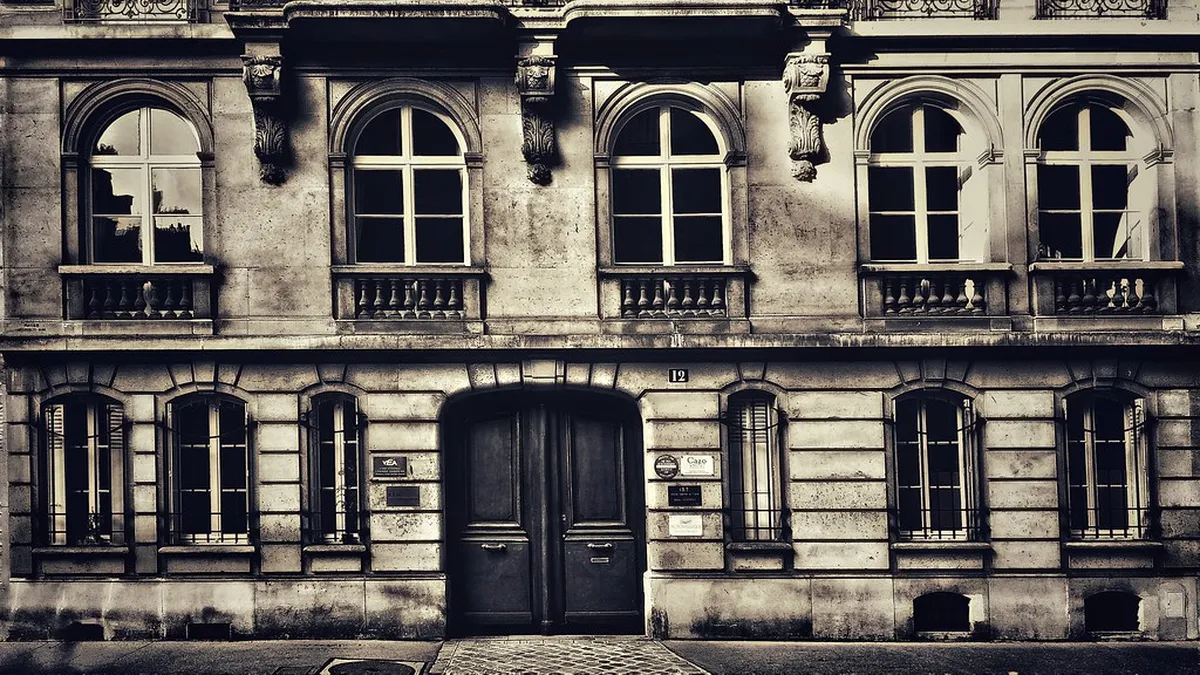
Most Haussmannian buildings Montpellier features date from between 1850 and 1880. These structures primarily line the streets surrounding the main square. Architects used local limestone to give the facades a warm, golden hue. This material distinguishes Montpellier's style from the gray stones of Paris.
The development focused on creating a cohesive aesthetic for the growing bourgeoisie. Developers wanted to display wealth and social status through grand exterior designs. You can still see these impressive details on Rue de la Loge. The city successfully blended new styles with its historic core.
These construction projects required significant financial investment from the city. Private investors also played a massive role in shaping the new districts. The results were grand boulevards that improved sanitation and traffic flow. This period marked a turning point for Montpellier’s urban identity.
Architectural Features of the Place de la Comédie
The Place de la Comédie represents the peak of local 19th-century design. Its oval shape earned it the nickname L’Œuf or the Egg. The square is surrounded by grand buildings with intricate stonework. These facades showcase the height of Haussmannian buildings Montpellier architectural trends.
Several key elements define the buildings in this central area:
- Ground floors with high ceilings for commercial shops.
- Wrought iron balconies on the second and fifth floors.
- Elaborate cornices and decorative moldings along the rooflines.
- Zinc or slate mansard roofs with small dormer windows.
The Opera Comédie stands as the most prominent landmark on the square. It was rebuilt in 1888 after a major fire destroyed the previous theater. Its facade features classical statues and large arched windows. The building serves as a perfect example of late 19th-century elegance.
Walking across the square allows you to appreciate the scale of these works. The buildings align perfectly to create a sense of monumental space. Detailed carvings often decorate the areas around the tall windows. These features make the square a favorite spot for architectural photography.
Exploring Rue Foch and the Grand Boulevards
Rue Foch is the premier street for viewing Haussmannian buildings Montpellier. It connects the Arc de Triomphe to the city's central shopping districts. The street features perfectly aligned facades that create a sense of harmony. You can see the Promenade du Peyrou landmarks from this perspective.
The apartments on Rue Foch were once the city's most prestigious addresses. High ceilings and large windows allowed plenty of natural light inside. Most buildings feature a noble floor with the most decorative balconies. This floor was traditionally reserved for the wealthiest residents of the 1800s.
Walking down this boulevard feels like stepping back into the late 19th century. The stone carvings often include floral motifs and mythical creatures. Many buildings have been carefully restored to maintain their 2025 appearance. This preservation ensures the city keeps its historic European atmosphere.
The boulevards were designed to be both functional and beautiful. Wide sidewalks allowed for leisurely strolls under the shade of trees. Many ground levels now house high-end boutiques and luxury brands. This blend of commerce and history is a hallmark of the district.
The Evolution of Montpellier's Cityscape
The 19th-century expansion was just one phase of the city's growth. Architects had to balance modern needs with the medieval Montpellier historic center layout. This created a unique contrast between narrow alleys and grand boulevards. You can see this transition clearly near the old city walls.
Today, these Haussmannian buildings Montpellier houses are highly sought after. Many have been converted into luxury apartments or modern office spaces. This adaptive reuse helps keep the historic center vibrant and functional. It ensures that the architectural heritage remains part of daily life.
Modern developments like the Antigone district offer a different perspective. While Haussmannian style is classical, newer areas use neo-classical influences. Comparing these styles helps you appreciate the city's long design history. Montpellier continues to be a hub for architectural innovation in 2025.
Preserving these historic facades requires constant maintenance and specialized masonry. The city enforces strict rules to protect the visual harmony of the boulevards. Homeowners must follow specific guidelines when cleaning or repairing the stone. This dedication keeps the city looking timeless for future generations.
Interior Details and Hidden Courtyards
While the exteriors are grand, the interiors are equally impressive. Many Haussmannian buildings Montpellier features include sweeping stone staircases. These hallways often display intricate tile work and decorative plaster ceilings. Tall double doors lead into spacious rooms with polished wood floors.
Some buildings hide quiet courtyards away from the busy street noise. These private spaces often contain small gardens or historic fountains. They provided a peaceful retreat for residents living in the city center. You might catch a glimpse through a large carriage gateway.
Fireplaces made of marble were common in every major room. Large mirrors were often built directly into the wall above them. These details reflect the luxury expected by the 19th-century upper class. Modern renovations often preserve these features while adding contemporary kitchens.
The layout of these apartments followed a very specific social hierarchy. Servants usually lived in smaller rooms on the top floor. The lower floors featured grand reception rooms for entertaining guests. This structure is still visible in the window sizes today.
Practical Tips for Architecture Enthusiasts
Planning a walking tour is the best way to see these sites. Start your morning at the Place de la Comédie to avoid crowds. Wear comfortable shoes as the limestone paving can be slippery. Most architectural highlights are within walking distance in the city center.
Photography is best during the golden hour before sunset. The low sun highlights the textures of the Haussmannian buildings Montpellier stone. Consider visiting in late spring for the best natural light. You will find many outdoor cafes for resting between stops.
Keep an eye on the following details while exploring:
- Check the dates carved into the stone above main doors.
- Look for the intricate designs on the heavy wooden entrances.
- Observe the transition from medieval walls to 19th-century blocks.
- Notice the varied designs of the wrought iron balcony rails.
Guided tours often provide access to private building interiors. These tours offer deeper insights into the lives of past residents. You can find many local experts offering specialized architecture walks. Check with the tourism office for the latest 2025 schedules.
Frequently Asked Questions
What defines Haussmannian buildings in Montpellier?
These buildings feature local limestone facades and ornate wrought iron balconies. They usually have five or six stories with mansard roofs. The design creates a uniform and grand look along wide boulevards. Most were built during the urban expansion of the late 1800s.
Where can I see the best architecture in Montpellier?
The Place de la Comédie and Rue Foch offer the best examples. You can also explore the boulevards surrounding the historic center. These areas showcase the transition from medieval to modern styles. Walking tours are highly recommended for first-time visitors in 2025.
How do Montpellier's buildings differ from those in Paris?
The primary difference is the type of stone used for construction. Montpellier uses a warm, golden limestone from local quarries. Paris typically uses a cooler, gray stone known as Lutetian limestone. The southern light also gives Montpellier’s facades a different glow.
Are Haussmannian apartments in Montpellier open to the public?
Most of these buildings are private residential or commercial properties. You can admire the stunning facades and entrance halls from the street. Some ground floors house shops or restaurants that you can enter. Special heritage days sometimes offer access to private interiors.
Haussmannian buildings Montpellier provide a stunning backdrop for any visit to France. The architectural history of the Place de la Comédie remains a highlight. Take time to admire the intricate details and grand scales. Book your next architectural tour to experience these 19th-century wonders today.
Key Takeaways
- Montpellier's Haussmannian style uses warm local limestone instead of gray stone.
- The Place de la Comédie is the best starting point for architecture lovers.
- Rue Foch offers the most prestigious and well-preserved 19th-century facades.
- Look for 'noble floors' with decorative balconies to spot historic wealth.
- The year 2025 is a great time to see newly restored historic districts.
Related reads: architecturebycity.com, architecture in montpellier.