
Ricardo Bofill Montpellier Design: Antigone Guide
Discover the iconic Ricardo Bofill Montpellier design in Antigone. Learn about this neoclassical gem in our expert 2025 architecture guide. Plan your visit!
On this page
Montpellier is a city that blends medieval history with bold modern visions during the year 2025. One of the most striking examples of this mix is the Antigone district architecture. This area covers a massive space that used to be a closed military training ground. It now stands as a symbol of how a city can reinvent its future through design.
The vision for this neighborhood came from the famous Spanish architect Ricardo Bofill in the late 1970s. He wanted to create a new urban center that felt both grand and accessible to every citizen. The project remains one of the largest and most complete neoclassical urban developments in the entire world. It offers a unique look into how classical styles can solve modern urban housing challenges effectively.
Visiting this district allows you to experience a massive scale of architecture that is rare in Europe today. The walk starts from the historic city center and moves east toward the picturesque Lez river banks. You will find that every building follows a strict set of rules for symmetry and classical beauty. This design choice creates a sense of harmony that is instantly recognizable to anyone who visits.
In this guide, we will explore the intricate details and the history of this architectural masterpiece in Montpellier. We will look at the specific plazas and the materials that make the buildings stand out so clearly. You will also learn how this project helped the city grow and modernize over several exciting decades. Prepare to discover a neighborhood that feels like a film set from an ancient Roman dream.
The Vision of Antigone District Architecture
The story of this district began in 1978 when the city wanted to expand its central core eastward. The mayor at the time worked closely with Ricardo Bofill to define a new style of living. They rejected the bland modernism of the 1960s in favor of something more poetic and historical. This decision led to the creation of a massive axial plan that stretches over one full kilometer.
Bofill believed that architecture should provide a sense of dignity to the people living in social housing units. He used the language of the past to create buildings that looked like ancient palaces and grand monuments. This approach was very controversial at first but it soon became a beloved part of the city. The project was completed in several phases that lasted until the early years of the twenty-first century.
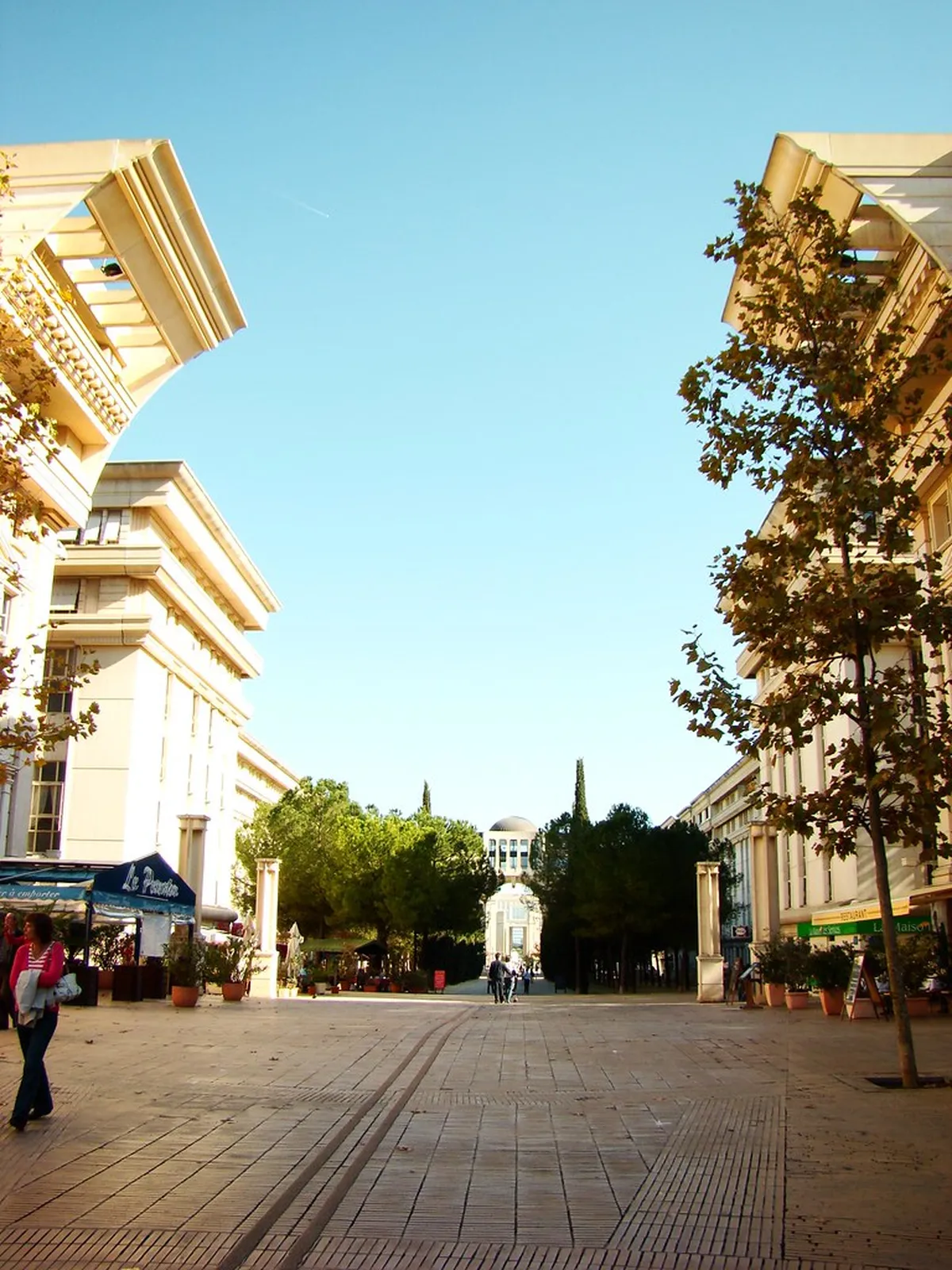
The layout of the district follows a perfectly straight line that connects the old town to the river. This axis creates a series of plazas that act like outdoor rooms for the people of the city. Each plaza has its own character but they all share the same neoclassical design vocabulary and scale. This urban planning method allows for easy navigation and a very clear sense of place for everyone.
Today, the district is home to thousands of residents who enjoy the large apartments and the quiet courtyards. It also hosts many shops, offices, and even a large shopping mall at the western entrance point. The success of the project shows that monumental architecture can work for the needs of a modern population. It remains a primary example of successful urban renewal that other cities still study in 2025.
Walking through the area today reveals a vibrant community that lives within these grand and historic-looking walls. The wide boulevards are perfect for the local tram system which moves thousands of people every single day. You will notice that the scale of the buildings creates a majestic atmosphere that feels very different. This unique vision has made the district a permanent landmark in the history of southern French architecture.
Neoclassical Style in Ricardo Bofill Montpellier Design
The primary feature of the Ricardo Bofill Montpellier design is its heavy use of neoclassical elements and motifs. You will see massive columns, ornate pediments, and perfectly symmetrical façades on every single building in the area. These features are meant to remind visitors of the grand architecture of ancient Greece and ancient Rome. Bofill wanted to use these timeless forms to create a sense of permanent beauty and urban order.
The construction process used a very innovative method for the time involving large pieces of precast concrete. This material was tinted to match the warm color of the traditional stone found in southern France. Using precast concrete allowed the construction teams to build these complex and ornate shapes much faster and cheaper. It proved that high-quality architectural detail could be made available for large scale social housing projects everywhere.
There are several key elements you should look for when you walk through this stunning and unique neighborhood:
- The massive Doric columns that support the residential blocks and create grand entrances for the people.
- The large circular windows that break up the straight lines of the façades in a very elegant way.
- The deep cornices and decorative rooflines that give each building a finished and highly prestigious appearance.
- The wide pedestrian zones that ensure cars do not dominate the experience of the classical urban space.
The use of light and shadow is also a very important part of the overall architectural experience here. The bright Mediterranean sun hits the deep recesses of the façades to create a very dramatic visual effect. This creates a constantly changing look for the buildings as the sun moves across the sky each day. Architects often visit the area just to study how the shadows interact with the various classical proportions.
Inside the buildings, the apartments were designed to be modern and filled with plenty of natural daily light. Bofill ensured that the grand exterior did not compromise the living quality for the residents of the district. Many of the homes feature high ceilings and large windows that overlook the beautiful and quiet green courtyards. This balance between public grandeur and private comfort is one of the greatest achievements of the project.
Exploring the Iconic Place du Nombre d'Or
The Place du Nombre d'Or is arguably the most famous and beautiful square within the entire Antigone district. It was one of the first parts of the project to be completed and remains a local favorite. The name of the square refers to the golden ratio which is a mathematical principle of perfect proportion. You can feel this sense of balance as soon as you step into the large circular space.
The square is surrounded by residential buildings that curve gently to create a very protective and welcoming environment. In the center of the plaza, you will find several fountains that provide a cooling sound of water. These fountains are a popular meeting spot for local students and families during the warm summer evenings. The surrounding architecture creates a perfect stage for the daily life of the residents in the city.
Many people visit this square to take photographs of the perfectly aligned windows and the massive decorative columns. The symmetry is so precise that it creates a feeling of calm and peace within the busy city. You will also find several small cafes and shops that line the ground floor of the buildings. This ensures that the square remains active and lively throughout the different hours of the day and night.
The Place du Nombre d'Or serves as the western gateway to the rest of the Antigone residential development. It connects directly to the Polygone shopping center which brings a constant flow of people through the area. Despite the high volume of visitors, the square manages to feel quiet and very respectful of its residents. It is a perfect example of how a high-density urban space can still feel very comfortable.
If you visit during 2025, you might see local events or small markets taking place within the plaza. The architecture provides a grand backdrop for any type of public gathering or community celebration in the neighborhood. It is a space that truly belongs to the people of Montpellier as Bofill had originally intended. Be sure to spend some time sitting by the water to appreciate the scale of the design.
The Symmetry and Layout of the Central Axis
The central axis of the district is a masterclass in urban planning and visual perspective for modern cities. It creates a clear path that draws the eye from the city center all the way to the river. This long promenade is mostly pedestrianized which makes it very safe and pleasant for a long afternoon walk. You will find that the path is lined with trees and benches for resting along the way.
As you walk down the axis, the buildings become more monumental and the spaces between them open up wider. This progression is intentional and is meant to create a sense of arrival as you reach the river. The walk takes you through several different squares that each have their own unique theme and architectural details. Each stage of the journey offers a new perspective on the neoclassical vision of Ricardo Bofill.
The symmetry of the layout is so perfect that you can stand in the middle and see for kilometers. This level of precision requires very careful engineering and a strict adherence to the original master plan of the area. It creates a sense of order that is very rare in modern cities that often grow without a plan. The axis provides a strong backbone for the entire eastern expansion of the city of Montpellier.
Along this central path, you will encounter the massive library and the Olympic swimming pool of the city center. These public buildings were designed to match the style of the residential blocks and the surrounding urban landscape. They provide important services to the community while also contributing to the grand aesthetic of the Antigone district. This integration of public and private functions is a key part of the overall design success.
The axis ends at the river Lez where the buildings open up to face the water and the sky. This connection to nature was a vital part of the plan to make the city feel more breathable. The final plazas are large and open which provides a dramatic conclusion to the long walk from the center. It is a journey that every architecture lover should take at least once when visiting France.
The Grandeur of Esplanade de l’Europe
The Esplanade de l’Europe marks the eastern end of the Bofill development and faces the scenic Lez river. This massive semi-circular building is one of the most iconic sights in the city of Montpellier today. It creates a grand crescent shape that frames a large open plaza used for many public events. The scale of the building is truly breathtaking when you stand in the center of the esplanade.
The plaza is a favorite spot for skaters, joggers, and people enjoying a picnic by the river banks. From here, you can see the modern parts of the city starting to rise on the other side. The building itself houses many apartments that offer some of the best views in the entire local area. It serves as a majestic gateway between the neoclassical district and the more contemporary parts of town.
Restaurants with outdoor seating line the edge of the plaza and offer views of the water and the bridge. This area is particularly beautiful during the sunset when the light reflects off the glass and the concrete façades. In 2025, it remains a vibrant hub for nightlife and social gathering for the young local population. The mix of grand architecture and casual lifestyle is a hallmark of the modern Montpellier experience.
The design of the esplanade uses the same classical language of columns and pediments found throughout the rest of Antigone. However, the use of large glass surfaces makes it feel a bit more modern than the earlier phases. This transition shows how Bofill was able to adapt his style over the many years of the project. It remains a powerful statement about the importance of public space in the design of a city.
Visitors can easily reach this spot by taking the tram or by walking the full length of the district. It is a great place to end your tour and enjoy a meal while looking at the river. The sense of space and the quality of the light make it a very memorable location for travelers. The Esplanade de l’Europe is the perfect finale for the neoclassical journey through the vision of Bofill.
Legacy and the Link to Port Marianne
The legacy of the Bofill project can be seen in the way the city has continued to grow. After the success of Antigone, the city pushed even further east to create the modern district of Port Marianne. This newer area features buildings by many other famous international architects who were inspired by the scale of Antigone. It shows that Bofill started a trend of bold and ambitious urban design in southern France.
While the newer buildings use different materials like steel and glass, they still respect the urban scale established here. The connection between the two districts is seamless and creates a long corridor of high-quality modern architecture today. You can see how the city has evolved from neoclassical dreams to more contemporary and experimental design forms. This progression makes the city a living laboratory for students of urban planning and modern architecture.
Many people still prefer the warm and familiar feel of the Antigone district over the newer glass towers. The neoclassical style has a way of feeling more permanent and grounded in the history of the Mediterranean region. It remains a popular place to live and work even as the city continues to expand rapidly. The design has stood the test of time and still looks fresh and impressive in 2025.
The influence of Ricardo Bofill is visible in many other cities that have tried to copy his urban success. However, few places have achieved the same level of completeness and harmony found in this specific French city. The project proved that the public sector and private architects can work together to create something truly great. It remains a source of pride for the people who call this unique neighborhood their home.
In conclusion, the work of Bofill in this city changed the way we think about modern social housing projects. He proved that beauty and grandeur are not just for the rich but should be for everyone in society. As you leave the district, you will carry with you the image of a perfectly balanced urban world. The Antigone district is a true masterpiece of twentieth-century design that will continue to inspire for years.
Frequently Asked Questions
Is the Antigone district free to visit for tourists?
Yes, the Antigone district is a public residential neighborhood that you can visit for free at any time. You can walk through all the major plazas and enjoy the architecture without paying any entrance fees. It is an open part of the city that is accessible to everyone who wants to explore.
How long does it take to walk through the whole area?
A leisurely walk from the Place de la Comédie to the river Lez takes about forty-five minutes. If you stop to take photos and enjoy the plazas, you should plan for about two hours. The path is flat and very easy to walk for people of all different fitness levels.
What is the best way to get to Antigone?
The best way to reach the area is by taking the local tram system to the Antigone stop. Line 1 and Line 4 both serve the district and provide very frequent connections to the city center. You can also walk easily from the main train station in about fifteen minutes of time.
Are there places to eat within the Bofill buildings?
There are many restaurants and cafes located throughout the district, especially near the Esplanade de l’Europe. You will find a variety of options ranging from quick snacks to full sit-down meals with river views. Many of these places offer outdoor seating which is perfect for enjoying the grand architectural surroundings.
What is the best time for photography in Antigone?
The best time for photography is during the early morning or the late afternoon when the sun is low. This creates long shadows that highlight the neoclassical details and the deep textures of the concrete façades. The golden hour provides a warm glow that perfectly matches the sand-colored buildings of the district.
The Ricardo Bofill Montpellier design in the Antigone district remains a landmark of modern architecture that every traveler should see. It demonstrates how a clear vision can transform a city and create a beautiful environment for thousands of people. In 2025, the area continues to thrive as a center of local life and a must-visit destination. Be sure to explore every square and hidden corner of this neoclassical masterpiece during your next trip to France.
Key Takeaways
- Follow the central axis from the city center to the river for the best experience.
- Visit the Place du Nombre d'Or to see the perfect application of the golden ratio.
- Use the local tram system for easy access to all parts of the massive district.
Related reads: architecturebycity.com, architecture in montpellier, esplanade de leurope photography.