
Discover Antigone District Architecture in Montpellier
Explore the Antigone district architecture in Montpellier. Learn about Ricardo Bofill's Neoclassical masterpiece in this 2025 guide. Plan your visit today!
On this page
The Antigone district architecture stands as a bold testament to late twentieth-century urban planning in Southern France. This unique neighborhood transformed an old military site into a stunning display of Neoclassical design and symmetry. Many visitors find the scale and beauty of the buildings truly breathtaking when they first arrive here. Exploring this area is a highlight for anyone visiting the vibrant city of Montpellier in 2025.
Ricardo Bofill designed the district to connect the historic center with the scenic banks of the Lez River. The layout stretches across thirty-six hectares of land once used as a shooting range for the army. You will find that the district creates a sense of harmony through its consistent and grand visual style. It represents a major shift in how modern cities integrate residential spaces with monumental public art.
Walking through the district feels like stepping into a Mediterranean dream filled with light and wide open spaces. The buildings feature warm tones that glow beautifully during the golden hour of the late afternoon sun. This neighborhood serves as a primary example of how architecture can provide social housing within high-quality environments. It remains a functional and beloved part of the city for residents and tourists alike today.
The Vision Behind Antigone District Architecture
The Ricardo Bofill Montpellier design was a radical departure from the minimalist trends of the nineteen-seventies. Bofill wanted to use classical forms to create a sense of dignity for every person living there. He believed that grand architecture should not be reserved only for the elite or the wealthy. This philosophy guided every stage of the massive construction project from start to finish.
Work on the Antigone district architecture began in 1978 under the leadership of Mayor Georges Frêche. The project aimed to expand the city eastward toward the Mediterranean Sea in a structured way. This expansion allowed Montpellier to grow while maintaining a strong sense of historical identity and pride. The results of this ambitious urban plan are still clearly visible to all visitors today.
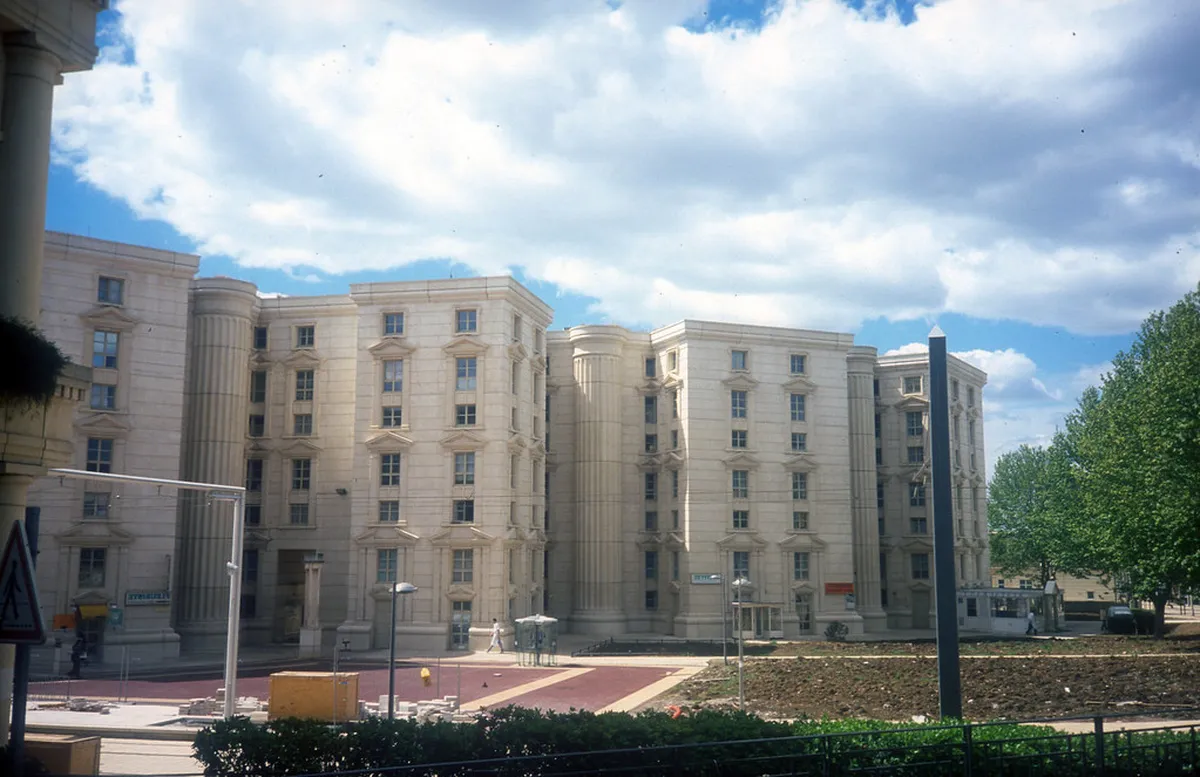
The architects used precast concrete to mimic the look of traditional stone while keeping construction costs manageable. This innovative technique allowed for the mass production of complex classical shapes and decorative architectural elements. Columns, pediments, and friezes appear throughout the district to create a rhythmic and unified visual experience. These details give the neighborhood a timeless quality that bridges the gap between old and new.
Antigone follows a strict axial layout that guides pedestrians naturally through a series of connected public squares. Each square offers a different atmosphere while contributing to the overall narrative of the urban landscape. This thoughtful planning ensures that the district feels organized and easy to navigate on foot at all times. It is a masterpiece of modern urbanism that prioritizes the movement and comfort of human beings.
In 2025, the district continues to serve as a model for sustainable and high-density residential living spaces. The integration of parks, shops, and apartments creates a self-sufficient community within the larger city structure. Many urban planners visit Montpellier specifically to study how this district manages such a high volume of residents. It proves that monumental design can also be practical and highly livable for everyday modern families.
Neoclassical Style and Innovative Materials
The Antigone district architecture utilizes the Golden Ratio to achieve a perfect sense of balance and visual appeal. Bofill drew heavy inspiration from the structures of Ancient Greece and Rome to define his specific style. You can see these influences in the massive columns that support the residential blocks across the area. The repetition of these forms creates a powerful sense of order and calm within the city.
The color palette of the district features soft ochre and beige tones that reflect the regional Mediterranean light. These colors help the massive structures feel warm and inviting rather than cold or overly imposing. Architects selected these specific shades to harmonize with the limestone used in the historic center of Montpellier. This careful choice of color bridges the gap between the medieval streets and the modern district.
Building materials in Antigone were revolutionary for their time because they combined artistry with industrial efficiency. The precast concrete was colored during the mixing process to ensure the hue remains consistent over many decades. This method prevents the surfaces from peeling or fading as traditional paint might do in the sun. It has allowed the Antigone district architecture to maintain its original grandeur since the early nineteen-eighties.
Large windows and glass facades provide a striking contrast to the heavy and solid appearance of the concrete walls. These glass elements reflect the sky and the surrounding greenery to lighten the overall feel of the buildings. This play between light and shadow is a key characteristic of the Mediterranean style found in this region. It makes the tall buildings feel dynamic and alive throughout the different times of the day.
- Golden Ratio: Used for building proportions and square layouts.
- Precast Concrete: Material that mimics the look of high-quality carved stone.
- Ochre Tones: Warm colors that reflect the bright Southern French sunlight.
- Classical Motifs: Use of columns, arches, and cornices for visual unity.
Exploring the Iconic Place du Nombre d'Or
The Place du Nombre d'Or is often considered the heart of the Antigone district architecture. This square features a stunning semicircular design that feels like a grand open-air theater for the public. Large trees provide shade for the many cafes and restaurants that line the perimeter of the plaza. It is the perfect place to sit and observe the daily life of local Montpellier residents.
The architecture here creates a sense of enclosure that makes the large space feel intimate and safe. Children often play near the fountains while students gather on the steps to study or talk together. The symmetry of the surrounding buildings draws your eyes toward the center of the magnificent urban space. It demonstrates how Bofill used geometry to create a welcoming environment for social interaction and community.
Walking through the arches of this square provides several different perspectives on the surrounding Antigone district architecture. Each angle reveals new details in the facades and the rhythmic placement of the many tall columns. The ground is paved with patterns that reflect the geometric themes found in the buildings above your head. This attention to detail at every level makes the square a favorite spot for architectural photographers.
The square serves as a transition point between the shopping areas and the quieter residential zones of the district. You can find essential services like pharmacies and small grocery stores tucked neatly into the monumental ground floors. This blend of beauty and utility is what makes the Antigone neighborhood so successful for its many inhabitants. It functions as a true center for the community rather than just a decorative tourist attraction.
If you visit in 2025, you might catch one of the local markets that occasionally occupy the space. These events bring even more energy and color to the already vibrant atmosphere of the large plaza. The smell of fresh lavender and local cheese often fills the air during these busy market mornings. It is a wonderful way to experience the local culture while surrounded by world-class architectural design.
The Grandeur of Esplanade de l'Europe
The Esplanade de l'Europe marks the grand finale of the long axis that defines the Antigone district architecture. This massive semicircular building faces the Lez River and creates a dramatic boundary for the eastern city edge. Its glass and concrete facade reflects the water and the sky to create a truly spectacular visual effect. It is one of the most photographed locations in all of Montpellier for very good reason.
The vast lawn in front of the building provides a green space for relaxation and various outdoor activities. You will often see locals sunbathing or having picnics on the grass during the warm summer months. The Esplanade de l'Europe photography opportunities are endless due to the scale and symmetry of the site. It offers a sense of peace and openness that is rare to find in busy urban centers.
The building itself houses apartments and offices that overlook the river and the modern Port Marianne district nearby. Its design ensures that every resident has access to plenty of natural light and beautiful views of the water. This connection to the river was a central part of the original vision for the Antigone district architecture. It successfully turned the city back toward the water after years of ignoring the river banks.
Steps lead down from the esplanade directly to the walking and cycling paths that run along the Lez River. These paths connect the district to the sea and offer a great way to explore the local nature. You can walk for miles under the shade of plane trees while enjoying the cooling breeze from the water. It is a popular route for joggers and families looking for a bit of fresh air and exercise.
The scale of the Esplanade de l'Europe can only be fully appreciated by standing in the center of the plaza. From this vantage point, the curve of the building seems to wrap around you like a giant protective hug. The height of the columns and the width of the windows create a feeling of immense power and stability. It is a fitting end to a walk through one of the most ambitious neighborhoods in Europe.
Modern Life in a Monumental Setting
Living within the Antigone district architecture offers a unique experience that combines history with modern convenience and comfort. The neighborhood is fully pedestrianized in many areas, which makes it very quiet and safe for young children. Large underground parking garages keep cars hidden from view to maintain the beauty of the public squares. This clever solution allows the district to remain functional without sacrificing its grand and classical visual aesthetic.
The district is excellently connected to the rest of the city via the famous Montpellier tramway system. Lines 1 and 4 stop directly within the neighborhood to provide quick access to the main train station. This makes Antigone a popular choice for commuters who work in other parts of the region or city. You can reach the historic center or the beach in just a few minutes using public transit.
A wide variety of businesses and services are integrated into the lower levels of the residential buildings here. You will find everything from high-end boutiques to cozy neighborhood bakeries and professional medical offices within easy walking distance. This high level of convenience makes the architecture in Montpellier feel very human and accessible for everyone. It creates a vibrant street life that persists throughout the entire day and into the evening.
The district also hosts several cultural venues and libraries that serve the intellectual needs of the local community. These facilities are often housed in buildings that match the Neoclassical style of the surrounding Antigone district architecture. This creates a seamless cultural landscape where learning and art are built into the very fabric of the city. It encourages residents to engage with their surroundings and participate in the local social life of the neighborhood.
In 2025, many of the original apartments have been renovated to meet the highest modern standards of energy efficiency. New insulation and smart heating systems help reduce the environmental impact of these large and historic-looking structures. This commitment to modernization ensures that the district remains a viable and attractive place to live for future generations. It balances the preservation of a unique architectural vision with the practical needs of contemporary urban life.
Frequently Asked Questions
Is the Antigone district architecture free to visit?
Yes, the entire Antigone district is a public neighborhood that you can explore for free at any time. You can walk through all the squares and admire the buildings without paying any entry fees at all. Many people choose to take an architecture walking tour Montpellier to learn more details about the history. This is a great way to see the district if you are on a tight travel budget.
How long does it take to walk through Antigone?
You should plan to spend at least one to two hours to fully appreciate the main squares. The walk from the Polygone shopping center to the Lez River is about one kilometer in total length. If you stop for coffee or lunch, you might want to allow for an entire afternoon in the area. The district is very flat and easy to walk for people of all ages and fitness levels.
What is the best time of day to photograph Antigone?
The best time for photography is during the late afternoon when the sun hits the ochre facades directly. This golden hour light brings out the warm colors and creates long shadows that emphasize the classical columns. Morning light is also very beautiful and often comes with fewer crowds in the main public squares. Night photography is also popular because the buildings are beautifully illuminated by soft orange and white lights.
The Antigone district architecture is a must-see destination for anyone interested in unique urban design and classical beauty. It offers a rare chance to see a fully realized vision of modern Neoclassicism on a truly grand scale. Whether you are a fan of Ricardo Bofill or just a casual traveler, this neighborhood will surely impress you. Plan your trip to Montpellier in 2025 to experience this monumental masterpiece for yourself today.
Key Takeaways
- Antigone was designed by Ricardo Bofill to bring classical beauty to social housing projects.
- The district uses a Neoclassical style with precast concrete to create a rhythmic, unified look.
- Major landmarks include the Place du Nombre d'Or and the grand Esplanade de l'Europe.
- It is a pedestrian-friendly zone that is easily accessible via the Montpellier tramway system.
- Visiting is free of charge and offers some of the best architectural photography in Southern France.
Related reads: architecturebycity.com, montpellier hotels particuliers, port marianne starchitecture.