
Best Architecture Walking Tour Montpellier 2025 Guide
Book the best architecture walking tour Montpellier has today. Explore stunning historic and modern buildings with our expert 2025 itinerary. Plan your trip now!
On this page
Montpellier is a French city where history meets the future. It offers an incredible mix of medieval alleys and modern landmarks. An architecture walking tour Montpellier route allows you to see this growth. You will discover how the city transformed over one thousand years.
This guide provides a detailed path through the most famous districts. We highlight the best buildings to see in 2025. You can explore these sites on foot easily. Prepare for a day of visual wonder in Southern France. Learn more about the city with our architecture in Montpellier overview today.
Medieval History in the Ecusson District
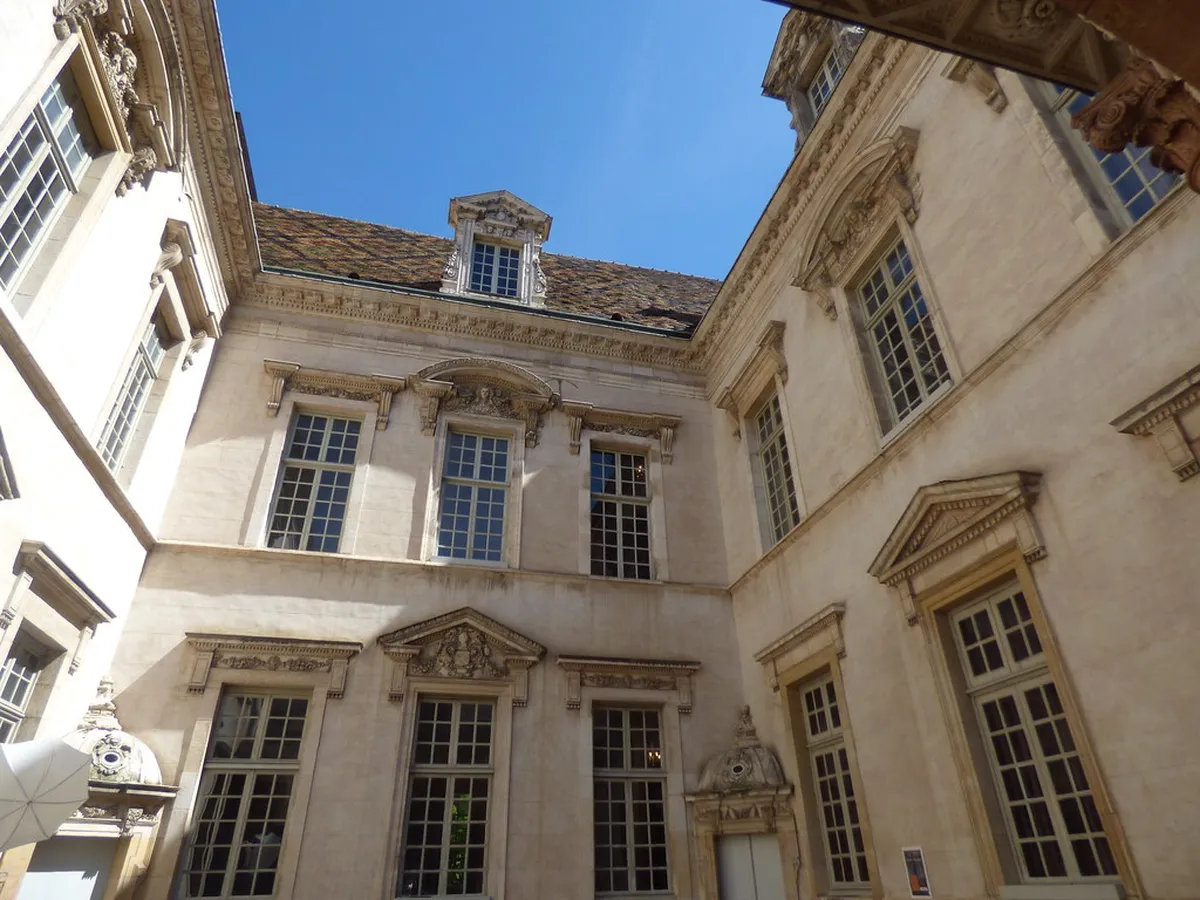
The Ecusson represents the historic heart of the city of Montpellier. Its narrow streets date back to the Middle Ages. You will find hidden courtyards behind massive wooden doors. These spaces reveal the wealth of old merchants.
Walking through this area feels like stepping back into the past. The limestone walls glow under the warm Mediterranean sun. Many buildings date from the 17th and 18th centuries. Every corner offers a new architectural surprise for visitors.
Don't miss the private mansions known as hotels particuliers here. These grand homes feature ornate staircases and beautiful stone carvings. You can see many of these Montpellier hotels particuliers on our route. They remain some of the finest examples of French noble design.
The Place de la Comedie acts as the district entrance. This square features the stunning Opera Comedie building. It was built in the late 19th century in a grand style. It provides a perfect starting point for your walk.
Classical Grandeur at the Promenade du Peyrou
The Promenade du Peyrou stands as a masterpiece of classical planning. Louis XIV commissioned this grand square to showcase royal power. It sits at the highest point of the old city. The views of the surrounding region are truly spectacular.
At the center, you will see a massive triumphal arch. This monument celebrates the king's victories in the late 17th century. It serves as a gateway to the royal square. The stonework displays intricate details of French military history.
Further along, the Saint-Clement Aqueduct reaches the grand water tower. This structure supplied water to the city for many decades. It features two tiers of stone arches across the landscape. You can explore these Promenade du Peyrou landmarks for free any day.
The gardens surrounding the promenade offer a peaceful retreat for tourists. Locals gather here to play petanque under the plane trees. It is the perfect spot for architectural photography in 2025. Ensure you bring your camera for these iconic city views.
Ricardo Bofill and the Antigone District
The Antigone district offers a complete contrast to the medieval center. Architect Ricardo Bofill designed this area in the late 1970s. He used neoclassical themes to create a monumental urban space. The result is a unique and dramatic residential neighborhood.
The buildings feature golden concrete that mimics traditional stone. Large columns and pediments decorate the facades of the apartments. This design makes everyday housing feel like a Greek temple. It is a rare example of postmodern urban planning.
Visitors can walk through grand plazas like the Place du Nombre d'Or. The symmetry of the buildings creates a sense of formal balance. Many people find the Antigone district architecture fascinating and photogenic. It remains one of Montpellier's most famous modern projects.
The district connects the old city to the Lez River. This link allowed the city to expand toward the sea. Shops and cafes line the pedestrian paths in this area. It is a very lively part of the city today.
The Modern Wonders of Port Marianne
Port Marianne showcases the future of the city with bold projects. This district features buildings by famous global architects like Jean Nouvel. It represents the latest phase of Montpellier's architectural growth. The designs here focus on sustainability and modern aesthetics.
The RBC Design Center is a highlight of this modern walk. It features a sleek glass and steel frame by Jean Nouvel. This building serves as a hub for contemporary furniture design. It shows how modern materials can create light spaces.
Explore the Port Marianne starchitecture while walking along the river banks. You will see innovative residential blocks with jagged balconies and glass. These homes offer views of the new artificial lake. The area feels fresh, open, and very modern.
City hall, or the Hotel de Ville, is another landmark. It is a massive blue glass cube designed by Jean Nouvel. It sits prominently near the water at the district's edge. This building symbolizes the city's commitment to bold new design.
L Arbre Blanc A Global Architectural Icon
No architecture walking tour Montpellier is complete without L'Arbre Blanc. This residential tower looks like a giant white tree. It was designed by the Japanese architect Sou Fujimoto. It is one of the most photographed buildings in France.
The tower features hundreds of balconies that jut out like branches. These decks provide shade and outdoor living space for residents. The design maximizes the Mediterranean climate and natural light. It is a true masterpiece of 21st-century engineering.
The L'Arbre Blanc building houses a public art gallery and bar. You can visit the rooftop for a panoramic city view. The contrast between the white tower and blue sky is stunning. It is located right by the Lez River path.
This building has won many awards for its innovative design. It proves that housing can be both functional and beautiful. Many tourists come just to see this structure in person. It has become a new symbol of the city.
Frequently Asked Questions
How long does the architecture walking tour Montpellier take?
The full tour takes about four to five hours. This includes stops for photos and a short break. You will cover roughly six kilometers of walking distance. Start early to avoid the peak afternoon heat.
Are the historic buildings in Montpellier open to the public?
Most historic facades are visible from the public streets. Some hotels particuliers allow visitors into their courtyards during the day. The tourism office also offers guided tours inside specific buildings. Check their schedule before you arrive in 2025.
Is Montpellier a walkable city for architecture lovers?
Yes, Montpellier is one of the most walkable cities in France. The city center is largely pedestrianized and easy to navigate. You can also use the colorful tram system for longer distances. The trams themselves were designed by famous fashion creators.
What is the best time for architectural photography in Montpellier?
The golden hour provides the best light for the stone buildings. Early morning offers soft light and very few crowds. Late afternoon creates long shadows in the Antigone district. The white L'Arbre Blanc looks best under a bright midday sun.
Montpellier offers an incredible journey through architectural history and innovation. From medieval streets to modern icons, every district tells a story. We hope this guide helps you plan your perfect 2025 visit. Start your journey today and explore the beauty of Southern France. Don't forget to book your local guided tour for even more insights.
Key Takeaways
- Start at the Place de la Comedie for the best route.
- Visit the Antigone district for unique neoclassical concrete designs.
- The L'Arbre Blanc is a must-see for modern architecture fans.
- Wear comfortable shoes for the six-kilometer walking path.
- Check the tourism office for courtyard access in the Ecusson.