
Tour de la Babote Observatory: Montpellier Guide
Discover the Tour de la Babote observatory in Montpellier. Explore medieval history and astronomical science in 2025. Plan your unique visit today!
On this page
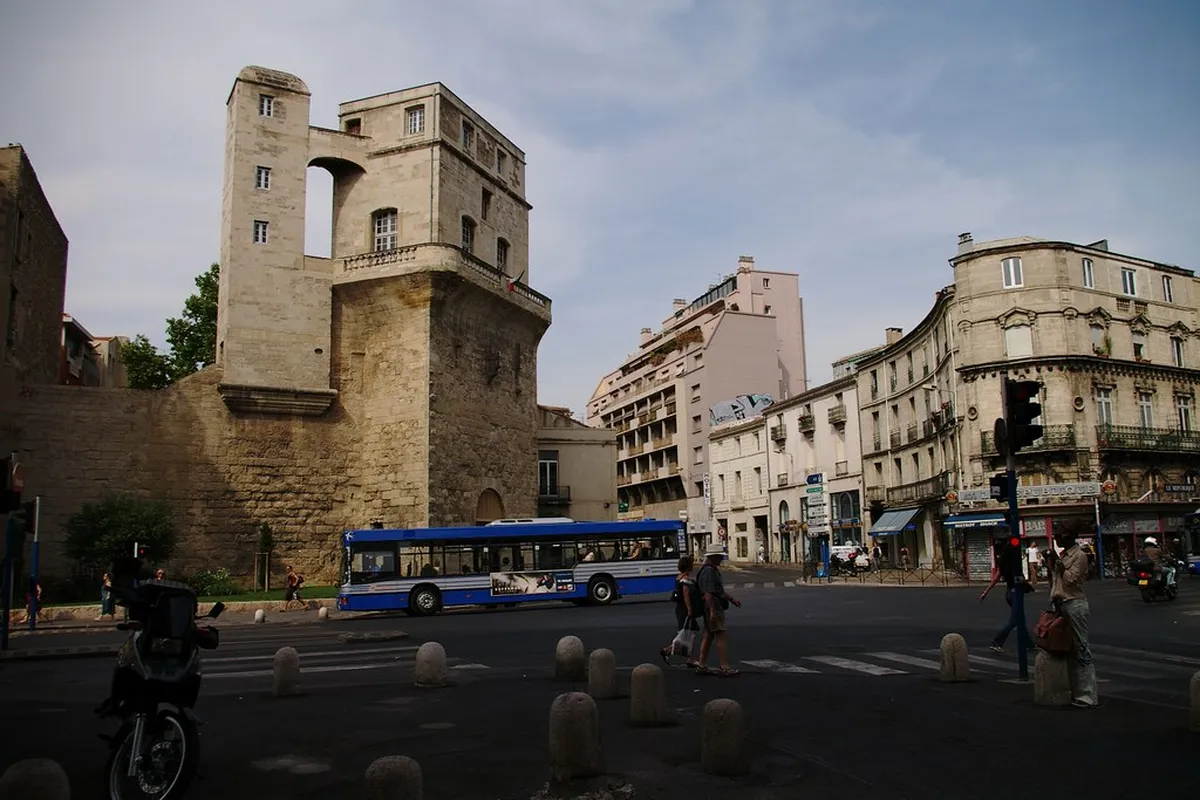
The Tour de la Babote observatory stands as a silent and historic sentinel in ancient Montpellier. This historic landmark remains a vital part of the city’s rich and diverse architectural heritage. Visitors find this impressive tower within the ancient city walls located in beautiful southern France. Exploring this site offers a unique glimpse into medieval defense and great scientific progress today.
This structure once protected the inhabitants from various threats during the turbulent middle ages of Europe. It now serves as a reminder of the intellectual curiosity that defined the enlightenment era. Travelers from around the world visit the site to admire its unique and striking silhouette. You will find that this landmark tells a complex story of survival and human achievement.
Origins as a Medieval Defensive Gateway
The Tour de la Babote observatory originally served as a vital defensive gate for the city. It was part of the common fortifications known as the Commune Clôture in medieval Montpellier. This massive wall protected the town from various external threats during the ancient Middle Ages. Only two towers from this massive defensive system remain standing for curious visitors today.
Construction of these defensive walls occurred primarily during the twelfth and the thirteenth centuries. Local builders used sturdy limestone blocks to create a structure that could withstand intense attacks. The gate played a crucial role in controlling access to the ancient medieval city center. Guard towers like this one monitored all travelers entering the southern part of the town.
The tower stands as a testament to the military engineering of the entire medieval era. Its thick masonry walls provided safety for the residents living inside the historic city limits. People relied on these fortifications to survive during times of war and local conflict. You can still see the original height of the defensive walls near the stone base.
Modern urban development eventually led to the demolition of most other historic defensive gates. City planners in the nineteenth century removed the walls to allow for wider city boulevards. Fortunately, this specific tower survived because of its secondary use as a major scientific landmark. It now serves as a bridge between the ancient past and modern French scientific progress.
Travelers enjoy seeing how the structure integrates with the surrounding modern and busy city streets. The contrast between the medieval stones and the nearby light rail system is very striking. You will feel the weight of history as you walk around the circular stone base. This site remains one of the most recognizable landmarks in the southern French region.
Conversion into an Astronomical Center
The conversion of the defensive tower into an observatory began in the year 1739. The Royal Society of Sciences requested a dedicated space for their important and detailed observations. Members of the local nobility supported the project to advance the reputation of the city. This change reflected the intellectual growth taking place during the Enlightenment period in France.
Architects added a new upper section to the medieval base to facilitate modern scientific work. This addition featured large windows and a viewing platform for the resident and visiting astronomers. They needed a clear view of the sky to track the movement of the stars. The tower successfully combined defensive strength with the elegance of eighteenth-century and scientific design.
Jean-Jacques d'Ortous de Mairan was a prominent scientist who worked at this famous historic site. He conducted significant research on the aurora borealis and other various natural phenomena right here. His work helped establish the architecture in Montpellier as a center for serious academic study. The tower became a symbol of the city's commitment to the modern and rising sciences.
Funding for the observatory addition came from both the city and many private local donors. Everyone wanted to support the development of a prestigious scientific institution in their local area. The project took several years to complete due to the complexity of the masonry work. Once finished, it stood as one of the premier observatories in the whole French country.
Today, the observatory part of the building remains a fascinating and unique piece of history. While the scientific equipment is gone, the architectural spirit of discovery still remains quite visible. Visitors can admire the transition from the heavy medieval base to the lighter upper floors. This unique silhouette defines the skyline of the historic district even in early 2025.
Architectural Design and Structural Features
The architectural design of the tower shows two distinct periods of classic French construction history. The lower half features the heavy and functional style of the late medieval French period. Architects used local stone that has weathered into a beautiful golden hue over many years. This solid foundation supported the weight of the new observatory added much later on.
The upper floors exhibit the refined proportions typical of the classical eighteenth-century and architectural style. These levels include large arched windows that allowed for maximum light and clear sky visibility. The transition between the two styles is marked by a decorative and heavy stone cornice. This detail helps to visually separate the military base from the scientific and elegant top.
Its octagonal shape on the top floors provides a wide range of important viewing angles. This design was essential for astronomers who needed to track objects across the night sky. The masonry work on these upper levels is noticeably more delicate than the medieval base. It represents a shift from purely functional defense to aesthetic and scientific and grand purpose.
Preservation efforts have maintained the integrity of the stone surfaces over several long centuries. Local conservation teams periodically clean the facade to prevent damage from modern and urban pollution. The tower remains a sturdy example of how different eras can coexist in one building. Looking at the stonework reveals the skilled craftsmanship of many generations of French stone masons.
The internal structure of the tower includes narrow staircases leading to the upper and viewing rooms. These stairs were designed to be functional for both soldiers and later for busy scientists. Thick stone vaulted ceilings provide structural support for the heavy weight of the upper floors. Every corner of the building tells a story of survival and successful structural adaptation.
Role in the Medieval Historic Center
The tower is a cornerstone of the Medieval Montpellier historic center district. This area is known for its winding alleys and beautiful and hidden southern courtyards. Walking through this neighborhood feels like stepping back in time to a different historical era. The Tour de la Babote acts as a gateway into this fascinating and ancient world.
Visitors will find the tower located very close to the modern and efficient tramway lines. It stands at the edge of the pedestrian zone where the old walls once sat. This location makes it a perfect starting point for a walking tour of the city. You can easily find the tower by looking for the distinctive and octagonal stone top.
The surrounding streets are filled with local cafes and small shops for curious travelers to explore. Many people enjoy stopping for a coffee while admiring the ancient and sturdy stone walls. The atmosphere in this part of town is lively and welcoming to many international tourists. It represents the perfect blend of historical preservation and a modern and urban lifestyle.
It is also situated near the Place de la Comédie architectural history which is the main square. You can walk from the square to the tower in less than ten minutes. This proximity allows visitors to see many major landmarks in a single and busy afternoon. The route takes you through some of the most charming streets in the entire city.
Scientific Legacy and the First Parachute Jump
The most famous event associated with the tower is the first successful and recorded parachute jump. Louis-Sébastien Lenormand jumped from the observatory roof in December of the year 1783. He used a primitive parachute design to safely descend to the hard ground far below. This brave experiment proved that the concept of a parachute was actually and truly feasible.
This event changed the history of science and technology in the late and eighteenth century. Scientists across Europe discussed the success of the jump for many years afterward in detail. The tower became a landmark of human innovation and the desire for early aerial flight. Today, a plaque commemorates this historic moment for all visitors to see and read.
Astronomical research continued at the tower until the early part of the nineteenth century. Observations made here contributed to our understanding of the solar system and planetary motion. Local scholars used the tower to teach the next generation of French mathematicians and physicists. The legacy of these academic pursuits remains a point of pride for the city.
The tower now houses a local astronomical society that keeps the rich and local history alive. They maintain the connection between the historic building and the study of the distant stars. While the main equipment is modern, the setting remains deeply rooted in the ancient past. This continuity shows the lasting impact of the building's scientific and historic transformation.
Frequently Asked Questions
What is the Tour de la Babote observatory?
The Tour de la Babote is a medieval tower that was later converted into an observatory. It is located in the historic center of Montpellier and dates back several centuries. The structure served as both a defensive gate and a scientific center for astronomical study.
When was the observatory built in Montpellier?
The astronomical observatory was added to the medieval tower base in the year 1739. This addition was requested by the Royal Society of Sciences to advance local astronomical research. It remains a rare example of Enlightenment-era scientific architecture in the southern French region.
Can you go inside the Tour de la Babote?
Access to the interior of the tower is generally limited to special events and society meetings. Most visitors admire the impressive architecture and historic plaques from the street level outside. It is worth checking with the local tourism office for occasional guided tour opportunities.
Is the Tour de la Babote near other landmarks?
Yes, the tower is located just a short walk from the famous Place de la Comédie. It is also near the historic Faculty of Medicine and the ancient city gate of Peyrou. This central location makes it easy to include in any walking tour of Montpellier.
The Tour de la Babote remains a symbol of Montpellier’s journey through the many long centuries. It bridges the gap between medieval military defense and the scientific curiosity of the Enlightenment. Visiting this site in 2025 provides a deep appreciation for the city’s architectural and intellectual history. Plan your trip today to see this incredible landmark in the heart of southern France.
Key Takeaways
- Discover a unique blend of medieval military architecture and eighteenth-century scientific design.
- Learn about the site of the world's first successful parachute jump performed in 1783.
- Explore one of the last remaining gates of the original medieval city defensive walls.
- Enjoy the convenient location near the vibrant and historic Place de la Comédie district.
Related reads: architecturebycity.com, rue du bras de fer architecture, mikve medieval montpellier history.