
Rue du Bras de Fer Architecture: Montpellier's Charm
Learn about the unique Rue du Bras de Fer architecture in Montpellier. Visit this medieval gem and explore its colorful stairs in 2025. Book now!
On this page
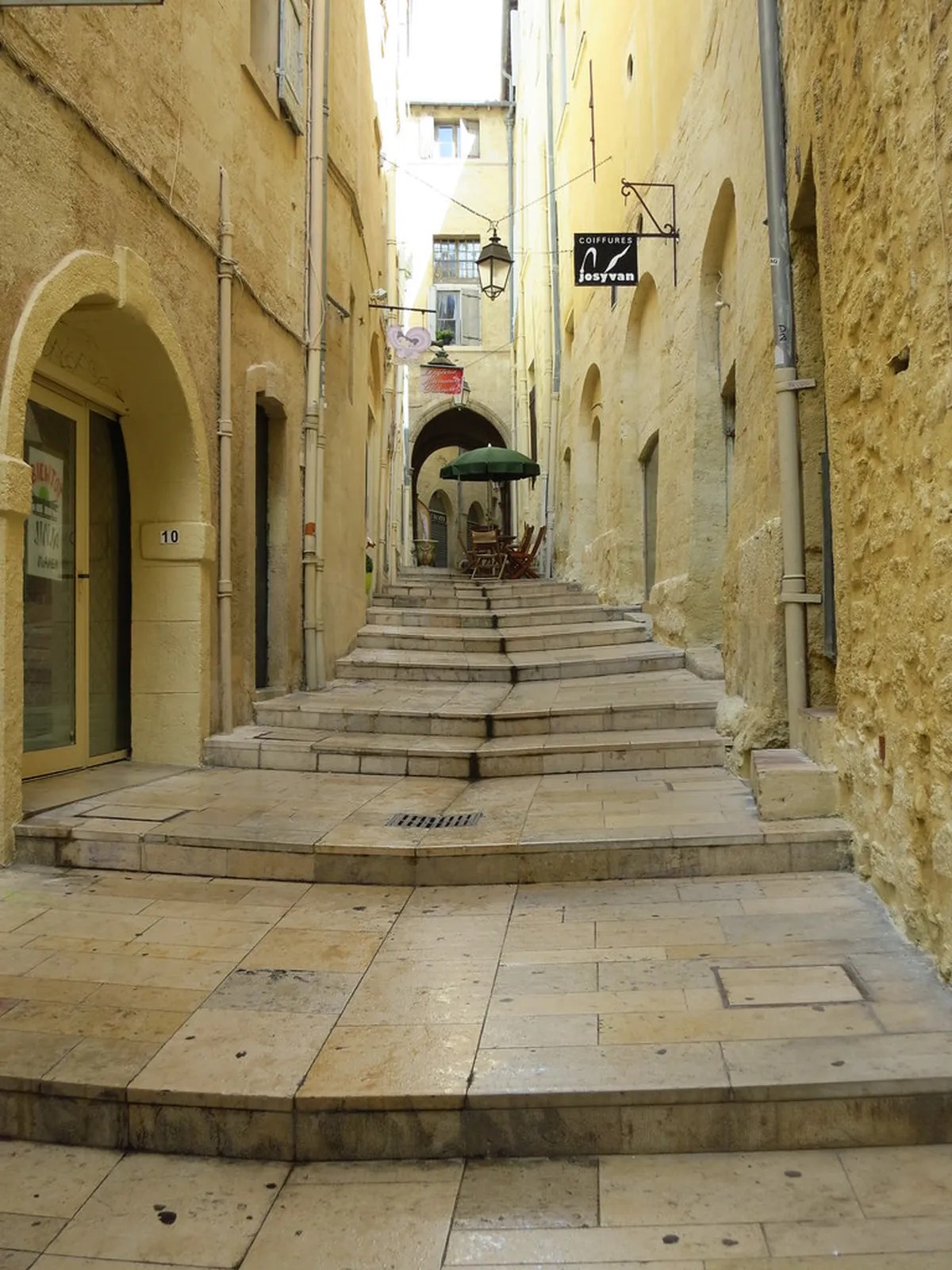
Rue du Bras de Fer architecture showcases the true essence of southern French design from the Middle Ages. Walking through this narrow passage allows you to experience the deep history of the city of Montpellier. You will notice the unique textures of the ancient limestone as you climb the famous colored steps. This street remains a top destination for travelers exploring the wider Medieval Montpellier historic center during their stay.
The atmosphere here captures the romantic spirit of the Mediterranean with every weathered stone and narrow corridor. Local residents and tourists alike appreciate the quiet beauty found within these historic city walls every single day. You can see how the light dances across the colorful pavement during the warm afternoon hours in France. It is an essential stop for anyone who enjoys the timeless beauty of well-preserved European urban design.
Medieval Roots and Street Layout
The layout of this street follows the traditional patterns found in the early settlement of the old city. Engineers built these narrow passages to provide shade and defense for the local population during the medieval era. The Rue du Bras de Fer architecture reflects a time when space within the city walls was limited. You will feel the enclosure of the high stone walls as you navigate the winding path through town.
Construction during this period relied on local materials that could withstand the hot sun of the southern coast. The limestone used for these buildings came from nearby quarries and gives the area a warm golden glow. Every building along the street tells a story of survival through centuries of growth and modern urban change. You should look closely at the foundations to see the oldest parts of the structures still standing today.
The narrow width of the road was designed to keep the interior spaces cool during the peak summer. This clever urban planning shows the intelligence of medieval architects who understood the local climate very well indeed. Walking here in 2025 offers a refreshing break from the heat found in the wider city squares nearby. It is a perfect example of how ancient design still serves a practical purpose for modern visitors today.
Historically, the street served as a vital connection between different quarters of the bustling medieval commercial district. Merchants and craftsmen once filled these spaces with their shops and workshops many hundreds of years ago in France. Today, the street is much quieter but it still maintains the energetic spirit of its long historical past. You can imagine the sounds of the past echoing against the sturdy stone walls as you walk along.
Distinctive Stone and Vaulted Arches
The Rue du Bras de Fer architecture is defined by its masterful use of heavy limestone and graceful arches. These architectural elements provide structural support for the tall buildings that lean over the narrow and winding walkway. You can see the craftsmanship in the way the stones are fitted together without the use of modern. Builders in the Middle Ages created these enduring structures to last for many generations of local Montpellier residents.
The vaulted arches create a rhythmic pattern that guides the eye upward toward the bright blue Mediterranean sky above. These features are typical of the architecture in Montpellier and appear in many hidden corners of the old town. Some arches connect two buildings across the street to provide extra stability against the movement of the earth. It creates a tunnel-like effect that makes the street feel like a secret world away from the city.
Many of the windows along the street feature decorative stone surrounds that indicate the status of former wealthy owners. You will find intricate carvings that have survived the wind and rain of several centuries in this coastal. The contrast between the rough walls and the smooth window frames adds a wonderful layer of visual interest. These details are what make the street a favorite spot for those who study historical European building techniques.
Strong doorways with heavy wooden panels mark the entrances to private courtyards that are hidden from the public. These hidden spaces are a hallmark of the local urban design and offer a glimpse into private life. The transition from the public street to these private sanctuaries is a key part of the local experience. You should appreciate the balance between the sturdy exterior and the secret beauty found behind these ancient wooden.
The Famous Colorful Stairs Effect
One of the most striking features of the Rue du Bras de Fer architecture is the vibrant stairs. These steps have been painted in bright colors to create a modern artistic contrast with the ancient stone. The combination of yellow, pink, and blue hues makes the street one of the most photographed locations. This artistic intervention has breathed new life into the historic corridor and attracted a whole new generation of.
- Vibrant Palettes: The colors change periodically to keep the street looking fresh and exciting for returning visitors.
- Visual Contrast: The bright paint highlights the natural texture and golden tones of the surrounding medieval limestone.
- Photography Spot: It is widely considered the most Instagrammable location in the entire historic district of Montpellier.
- Artistic Legacy: This tradition links the ancient history of the street with the creative modern spirit of the.
Standing at the bottom of the stairs provides a perspective that emphasizes the height and narrowness of the. The colors seem to lead your eyes toward the sky and the beautiful buildings that frame the narrow. It is a unique sensory experience that blends the weight of history with the lightness of modern street. Many people spend hours here just trying to capture the perfect light as it hits the painted stone.
The stairs also serve a practical purpose by helping pedestrians navigate the steep terrain of the old city center. Walking up these steps is a great way to explore the different levels of the historic medieval district. You will find that the street connects several important landmarks that are essential for any local walking tour. The physical act of climbing adds to the sense of discovery as you uncover more of the city.
Preservation of the Historic Facades
Maintaining the Rue du Bras de Fer architecture requires constant care from local conservation experts and dedicated city officials. They use traditional methods to repair the limestone and ensure the structural integrity of the ancient stone buildings. This commitment to preservation allows the street to retain its authentic medieval character while hosting thousands of tourists. You can see the evidence of recent restoration work if you look closely at the clean stone surfaces.
The city of Montpellier enforces strict rules regarding any changes made to the exterior of these protected historic. This ensures that modern signs or light fixtures do not detract from the overall aesthetic of the medieval. Property owners must work with specialized architects to ensure that any necessary updates respect the long historical legacy. This careful management is why the street remains such a pristine example of southern French urban heritage today.
Visitors are encouraged to respect the environment by staying on the designated paths and avoiding touching the fragile. The stone is sensitive to the oils from human hands and the effects of heavy foot traffic every. By following these simple rules, you help preserve the beauty of the street for future travelers to enjoy. Conservation is a collective effort that involves both the local community and the many people who visit here.
Exploring this area is even better when you join a professional architecture walking tour Montpellier to learn the deep secrets. Expert guides can point out subtle details in the masonry that the average traveler might miss on their. They provide context about the families who lived here and the events that shaped the street over time. It is the best way to gain a deep appreciation for the complex history of the entire district.
Visiting in 2025: Practical Travel Tips
Planning a trip to see the Rue du Bras de Fer architecture in 2025 requires some basic preparation. The best time to visit is early in the morning before the large tour groups arrive in the. You will have the street mostly to yourself for photography and quiet reflection during these peaceful early hours. The light is also much softer in the morning, which helps capture the true colors of the.
The street is located in a pedestrian zone, so you must park your vehicle in a nearby public. Most visitors choose to arrive by the modern tramway system which stops just a short walk from the. Be sure to wear comfortable shoes with good grip as the stone stairs can be quite slippery when. Exploring the old town on foot is the most rewarding way to see all the hidden architectural.
There are several small cafes and boutique shops located just a few steps away from the famous colored. You can enjoy a coffee while watching the world go by in one of the most beautiful settings. Prices for a simple meal or drink in this area are generally reasonable for a major European tourist. Supporting these local businesses helps maintain the vibrant economy of the historic center during your visit to France.
Check the local weather forecast before you head out because rain can change the experience of the narrow. The colors of the stairs become even more intense when the stone is wet from a light spring. However, the narrowness of the street provides some protection from the wind during the cooler months of the. No matter when you visit in 2025, the street offers a timeless glimpse into the heart of.
Frequently Asked Questions
Where is the Rue du Bras de Fer located?
This famous street is located in the heart of the historic center of Montpellier in southern France. It sits within the medieval district known as l'Ecusson near the Saint-Roch church and the main shopping. You can easily find it by following the signs for the colorful stairs from the Place de la.
Is there a cost to visit the Rue du Bras de Fer?
There is no cost to visit this street as it is a public thoroughfare within the city center. You are free to walk through and take as many photos as you like at any time. It is one of the best free attractions for those interested in historical architecture and local urban.
Why are the stairs in Montpellier painted different colors?
The stairs are painted as part of a local artistic tradition to beautify the historic center for the. This practice creates a unique visual identity for the street and makes it stand out for modern world. The colors are updated periodically to maintain their vibrancy and attract more visitors to the local businesses.
When is the best time for photography on this street?
The best time for photography is during the early morning or late afternoon when the sun is not. The narrowness of the street creates deep shadows at midday which can make capturing the colors quite difficult. Visiting during the golden hour provides the most beautiful light for your photos of the ancient stone walls.
The Rue du Bras de Fer architecture remains a shining example of how history and modern art can coexist. Its medieval stones and colorful stairs provide a unique experience that defines the spirit of Montpellier in France. You should make it a priority to visit this landmark during your next trip to the region. Plan your visit for 2025 to see this beautiful street in person and discover its many hidden secrets.
Key Takeaways
- Wear comfortable walking shoes for the steep and potentially slippery medieval stone stairs.
- Visit during the early morning hours to avoid the largest crowds of tourists and photographers.
- Look for the structural vaulted arches that connect the tall historic buildings across the narrow street.
- The street is part of a pedestrian-only zone in the heart of the old city center.
- Combine your visit with a wider tour of the medieval Montpellier historic center for full context.
Related reads: architecturebycity.com, tour de la babote observatory, mikve medieval montpellier history.