
Chamber of Commerce Nancy Architecture Guide
Discover the Chamber of Commerce Nancy architecture. See Art Deco designs in Nancy, France during your 2025 visit. Explore local history today!
On this page
The Chamber of Commerce Nancy architecture reflects a bold era of artistic and commercial growth for the city. This historic landmark stands as a premier example of the transition into modern styles during the early 1920s. Visitors can admire the building at forty rue Stanislas in the heart of the vibrant city center today. It showcases how local designers embraced new geometric shapes while keeping traditional craftsmanship alive in their grand works. You will find that architecture in Nancy offers a stunning visual journey through many different centuries.
This structure was built to replace an older site that no longer served the needs of local business. The city needed a grand space to host meetings and manage the growing trade of the Lorraine region. Architects worked closely with master craftsmen to create a facade that felt both modern and prestigious to everyone. Every detail on the exterior tells a story of innovation and pride within the local French commercial community. This guide will help you understand the artistic value of this important building during your next trip here.
Historical Roots of the CCI Building
The story of this building begins shortly after the end of the first great world war in Europe. Nancy was growing rapidly and needed a new home for its busy local chamber of commerce and industry. The leaders selected a site near the famous Place Stanislas to ensure the building remained a central hub. This location helped bridge the gap between the old historic quarter and the expanding modern parts of town. It became a symbol of economic recovery and hope for the people living in the Grand Est.
Architects Jacques and Michel André were chosen to lead the design phase of this very ambitious urban project. They collaborated with other skilled professionals like Pierre Le Bourgeois to finalize the plans for the large site. The design team wanted to create something that looked much different from the older floral Art Nouveau styles. They looked toward the future by using cleaner lines and more structured forms for the new masonry walls. Their work successfully combined the needs of a modern office with the beauty of a public monument.
Construction on the project officially started in nineteen twenty-six and finished during the year of nineteen twenty-eight. Workers used high-quality stone and concrete to ensure the structure would stand the test of time and weather. The total cost of the project was significant for that era but seen as a necessary local investment. Many local businesses contributed funds to ensure the building would reflect the wealth of the entire Lorraine region. It remains one of the most durable and well-preserved buildings from that specific decade in all of France.
The building originally housed administrative offices and a massive hall for public auctions and large business gatherings. It served as the primary link between the government and the private sector for many decades of growth. Designers included large windows to provide natural light for the employees working inside the busy commercial office spaces. The layout allowed for a natural flow of visitors moving through the ground floor toward the grand staircase. This functionality remains a key reason why the building is still used for professional purposes in 2025.
Historians often point to this building as a turning point for urban development in the city of Nancy. It showed that the city could evolve while still respecting the classical layout of the older surrounding streets. The architects carefully managed the height of the roof to match the nearby buildings on the rue Stanislas. This careful planning helped the new structure fit perfectly into the existing skyline of the historic city center. Today, it is recognized as a protected historic monument by the French ministry of culture for all.
Classic Chamber of Commerce Nancy Architecture Features
The Chamber of Commerce Nancy architecture is defined by its strong vertical lines and very symmetrical street facade. You will notice how the main entrance sits perfectly in the middle of the long stone front wall. Large rectangular windows are stacked in rows to create a sense of order and professional stability for viewers. This visual balance was a key part of the new aesthetic movements sweeping across France in that era. The stone carvings above the doors celebrate the various industries that powered the local economy during the time.
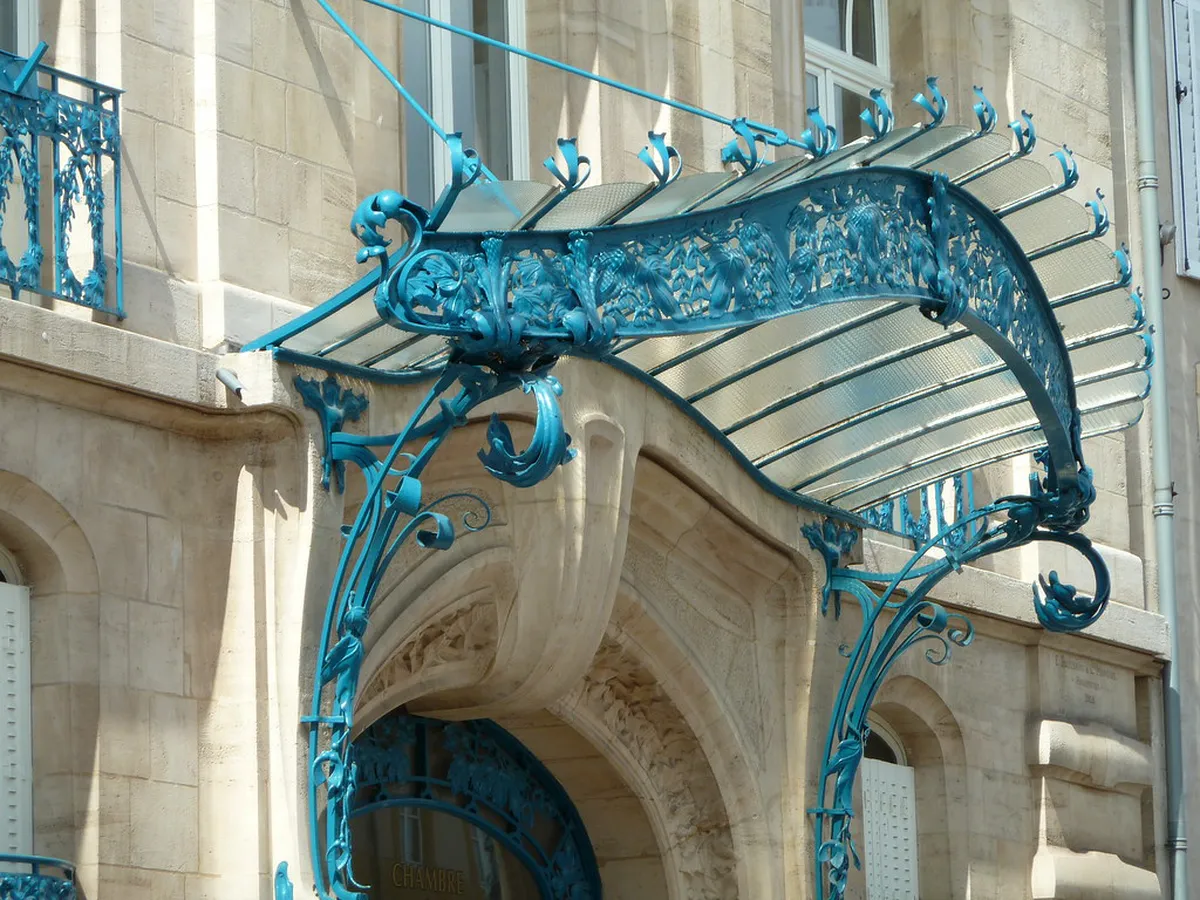
One of the most striking features is the use of dark metal accents against the light-colored limestone walls. These iron elements were designed to protect the windows while adding a touch of modern luxury to the site. The metalwork features repetitive patterns that draw the eye upward toward the top of the grand office building. Such details highlight the high level of skill found in the local workshops of Nancy during the 1920s. It is a perfect place to study the transition of materials in early twentieth-century French construction projects.
The upper levels of the building feature subtle sculptures that represent commerce, industry, and the local Lorraine spirit. These figures were carved with simple shapes that match the overall structured look of the surrounding Art Deco frames. Unlike the curving figures of the previous century, these statues appear more solid and somewhat more powerful to viewers. They remind every passerby of the importance of hard work and trade in the history of the city. Taking a moment to look up will reveal these hidden artistic gems on the high facade walls.
The roofline of the building is another interesting aspect of the overall Chamber of Commerce Nancy architecture style. It uses a series of flat surfaces and clean angles instead of the traditional steeply pitched French roof. This choice allowed for more usable space on the top floor and created a more modern urban profile. Small decorative details are etched into the stone near the top to provide a clean finish to the walls. These small touches show that the designers cared about every inch of the building from bottom to top.
In 2025, the exterior of the building remains in excellent condition due to several recent cleaning and restoration projects. The stone looks bright and the metalwork is still dark and sharp against the pale masonry of the walls. You can take beautiful photos from the sidewalk across the street to capture the full width of the building. Most visitors spend about twenty minutes admiring the outside before continuing their walk through the historic city streets. It remains a highlight of any professional tour focused on the evolution of local French building styles.
Art Deco in Nancy Design Masterpieces
When you explore Art Deco in Nancy, this building often serves as the most important starting point for tours. It marks a shift away from the organic and floral themes that made the city famous during earlier years. The Art Deco style here focuses on geometry and the use of modern materials like steel and glass. You will see squares, circles, and straight lines used in creative ways across the entire building facade. This style was meant to feel fast, modern, and efficient for the new twentieth-century world of business.
The iron grilles on the ground floor windows are perhaps the best examples of this specific artistic movement here. They feature stylized patterns that look like gears or rays of sun bursting across the dark metal frames. These designs were crafted by local masters who wanted to show that iron could be both strong and beautiful. The patterns repeat with perfect precision across every window on the lower level of the rue Stanislas side. This repetition creates a rhythmic visual effect that is very common in the best Art Deco buildings worldwide.
Inside the building, the Art Deco influence continues with elegant light fixtures and custom-made furniture in the main rooms. The designers used marble and exotic woods to create an environment that felt expensive and very high-class for guests. These materials were chosen to reflect the international reach of the businesses that met within these prestigious stone walls. Even the door handles and railings follow the same geometric rules found on the outside of the building. This consistency of design is a hallmark of the total art concept used by the master French architects.
The transition to Art Deco was also a response to the changing technology used in building construction during the time. Architects could now use reinforced concrete to create larger open spaces without needing as many heavy internal support walls. This allowed the Chamber of Commerce to have a very wide and open lobby for receiving many guests. The clean lines of the Art Deco style perfectly complemented these new and very efficient construction methods of the day. It was a true marriage of modern engineering and contemporary art for the benefit of the local public.
Many people visit this site to see how Nancy moved past its Art Nouveau roots into the modern age. While the city is famous for curves, this building proves that Nancy also mastered the art of the line. The CCI building stands as a bridge between the nineteenth-century traditions and the mid-century modernism that followed later. It is a vital piece of the city's identity that helps tell the full story of French design history. You can find many similar details in other buildings located just a few blocks away from this site.
Interior Grandeur and Artistic Details
The interior of the Chamber of Commerce is just as impressive as the famous facade facing the city street. A massive staircase leads visitors from the entrance hall up to the main meeting rooms on the second level. This staircase features incredible metalwork that was designed by the famous local artist Jean Prouvé during his early career. His style is known for being very functional but also incredibly elegant in its simple use of steel. The railings are a must-see for anyone interested in the history of modern industrial design in France.
One of the most famous parts of the interior is the stunning stained glass found in the great hall. Master artist Jacques Gruber created these windows to fill the space with colorful and very warm natural light. The glass depicts scenes of local industry and the various trades that made the city of Nancy quite wealthy. These windows are considered some of the best examples of twentieth-century glass art in the entire Grand Est. They turn a standard meeting room into a gallery of high-quality art for everyone who enters the space.
The ceiling of the main hall features intricate plasterwork and hidden lighting that highlights the grand scale of the room. This space was designed to impress visiting dignitaries and powerful business leaders from all over the world of trade. The acoustic properties of the room are also very well designed for large speeches and important public announcements. High-quality materials like oak and brass are used throughout the room to provide a sense of lasting luxury. Every corner of the hall displays the immense talent of the craftsmen who lived in Nancy back then.
Visitors should also pay close attention to the flooring in the main lobby and the secondary corridors of the building. The floors use a mosaic of colorful stones and tiles to create patterns that match the walls and ceiling. This attention to detail ensures that the building feels like a single cohesive work of art from top to bottom. The tiles are still in great shape after nearly a century of people walking across the busy lobby floors. It is a testament to the quality of the materials and the skill of the original Italian workers.
While the building is a place of business, it often opens its doors for special cultural events and tours. During these times, you can see the private offices that still feature some of the original 1920s wooden desks. The board room is especially impressive with its long table and views over the historic rue Stanislas below. If you have the chance to go inside, do not miss the opportunity to see these historic interiors. They offer a rare glimpse into the professional life of a bygone era in eastern France today.
Practical Tips for Visiting in 2025
Visiting the Chamber of Commerce is easy because it is located just a few minutes from the main train station. You can walk there in under ten minutes from the Place Stanislas, which is the heart of the city. The building is located at forty rue Stanislas, making it a perfect stop during a general city walking tour. Most people enjoy viewing the facade from the street side where the ironwork is most visible to the public. There is no cost to admire the exterior of this beautiful and very historic landmark from the sidewalk.
The best time to photograph the building is during the mid-morning when the sun hits the front facade directly. This light highlights the texture of the stone and makes the dark metal grilles stand out more for your camera. If you visit in the late afternoon, the building might be in the shadow of the tall structures across. Spring and fall offer the best weather for walking through Nancy and enjoying the various local architectural sites nearby. Wear comfortable shoes as the sidewalks in the old town can be a bit uneven for some visitors.
Since the building is still a working office, you should be respectful of the professionals entering and leaving the site. The lobby is often accessible during standard business hours from Monday through Friday for those who wish to look. You should check the local tourism office website for information on guided tours that go into the private rooms. These special tours usually happen during the Heritage Days in September or through special group bookings during the summer. It is always a good idea to book these tours in advance to secure your spot today.
After you finish looking at the building, you can find many great cafes and shops in the surrounding neighborhood. The rue Stanislas has several spots where you can sit and enjoy a coffee while looking at the architecture. It is a great place to rest before heading to the nearby Musee des Beaux-Arts or the local park. The central location makes it easy to combine a visit here with other famous landmarks in the city center. You will find that this part of Nancy is very friendly and easy to navigate for all.
If you are traveling with a group, consider hiring a local guide who specializes in the city's 1920s history. They can provide more specific details about the artists and the economic history of the Chamber of Commerce building. Many guides offer walking tours that focus specifically on the Art Deco and Art Nouveau gems of the city. This is the best way to see the hidden details that you might miss on your own walk. Exploring Nancy in 2025 is a wonderful experience for anyone who loves history, art, and beautiful urban design.
Frequently Asked Questions
Can I go inside the Chamber of Commerce in Nancy?
The main lobby is often open to the public during normal business hours from Monday to Friday each week. However, the private meeting rooms and the great hall are usually only accessible during special guided tours or events. You should check with the local tourism office for the current schedule of interior tours in 2025.
What is the most famous feature of the CCI building?
The metalwork created by Jean Prouvé is the most famous feature of the building for many architecture fans today. His innovative designs for the railings and grilles are celebrated globally as early masterpieces of modern industrial design. The stained glass by Jacques Gruber is also a major highlight for those who love traditional French art.
Where is the Chamber of Commerce building located?
The building is located at 40 rue Stanislas in the center of Nancy, France. It is very close to the Place Stanislas and the main train station, making it very easy to find. You can easily reach the site on foot from almost any part of the historic city center during your visit.
The Chamber of Commerce Nancy architecture remains a vital part of the city's cultural heritage and its modern identity. It stands as a beautiful reminder of the era when Nancy transitioned into the bold world of Art Deco design. Whether you are an expert in history or a casual traveler, this building offers something special for you. Take the time to admire the craftsmanship of the metalwork and the grand scale of the stone facade. Plan your visit to this landmark today and discover why it is a highlight of any trip to Nancy in 2025.
Key Takeaways
- The building is a prime example of Art Deco design from the late 1920s in France.
- Famous artists like Jean Prouvé and Jacques Gruber contributed to the incredible interior details.
- The site is centrally located on rue Stanislas and is very easy to visit on foot.
Related reads: architecturebycity.com, 1920s architecture facades nancy, nancy post war reconstruction buildings.