
Art Deco in Nancy: A Guide to 1920s Style
Explore the best Art Deco in Nancy landmarks. Learn about 1920s architecture and plan your 2025 visit with our expert style analysis and tips.
On this page
Exploring Art Deco in Nancy provides a fascinating journey through the evolution of French design. The city is globally famous for its incredible Art Nouveau heritage and grand plazas. However, the Art Deco period added a sophisticated layer to its urban landscape. Many visitors in 2025 overlook these stunning 1920s structures while touring the center. This guide highlights the geometric beauty found throughout this historic French city.
The transition from organic curves to sharp lines happened rapidly after World War I. Nancy needed new buildings to support its growing population and commercial success. Architects embraced the modern aesthetic that defined the Roaring Twenties across Europe. They combined traditional craftsmanship with new materials like reinforced concrete and steel. You can find these masterpieces hidden among the traditional Nancy architectural styles near the main station.
Understanding this style requires looking closely at facades and decorative details. Art Deco in Nancy represents a bridge between historical ornament and modern efficiency. The style favored symmetry, bold colors, and stylized floral patterns in wrought iron. These buildings reflect the optimism of an era focused on progress and industry. Tourists will find these landmarks offer a quieter alternative to busier historical sites.
Walking through the streets of Nancy reveals how the 1920s reshaped the city. Large department stores and banks adopted the Art Deco look to appear modern. Even private residences in the suburbs started featuring these trendy geometric motifs. This movement helped Nancy maintain its reputation as a leading center for French art. Prepare to discover a world of sleek surfaces and elegant proportions in this detailed analysis.
The Evolution from Art Nouveau to Art Deco
The shift from Art Nouveau to Art Deco in Nancy was a major cultural event. Before the 1920s, the city led the world in organic and floral designs. The famous Ecole de Nancy movement emphasized nature and curving forms. As the 1920s approached, designers began seeking more structured and orderly shapes. This change reflected a global desire for stability after the chaos of the Great War.
Art Deco in Nancy retained the local commitment to high-quality artistic craftsmanship. However, artists traded flowing lilies for repetitive geometric grids and stylized sunbursts. They moved away from the expensive, hand-carved wood of the previous decade. Instead, they experimented with mass-produced materials that looked clean and expensive. This transition allowed for faster construction without losing the city's artistic soul.
You can see this stylistic overlap in transition buildings throughout the city center. Some structures feature the soft curves of the 1900s alongside 1920s geometric ironwork. These hybrid buildings tell a story of a city reinventing its visual identity. Local architects were careful to honor the past while looking toward the future. This unique blend makes Nancy a premier destination for European architecture enthusiasts in 2025.
By 1925, the Art Deco style became the dominant choice for new public works. The International Exhibition of Modern Decorative and Industrial Arts in Paris set the tone. Nancy's artists traveled to Paris and brought these innovative ideas back home. They created a local version of Art Deco that felt uniquely Lorraine in character. This period represents the final great flourish of decorative architecture before modernism took over.
Unique Features of Art Deco in Nancy
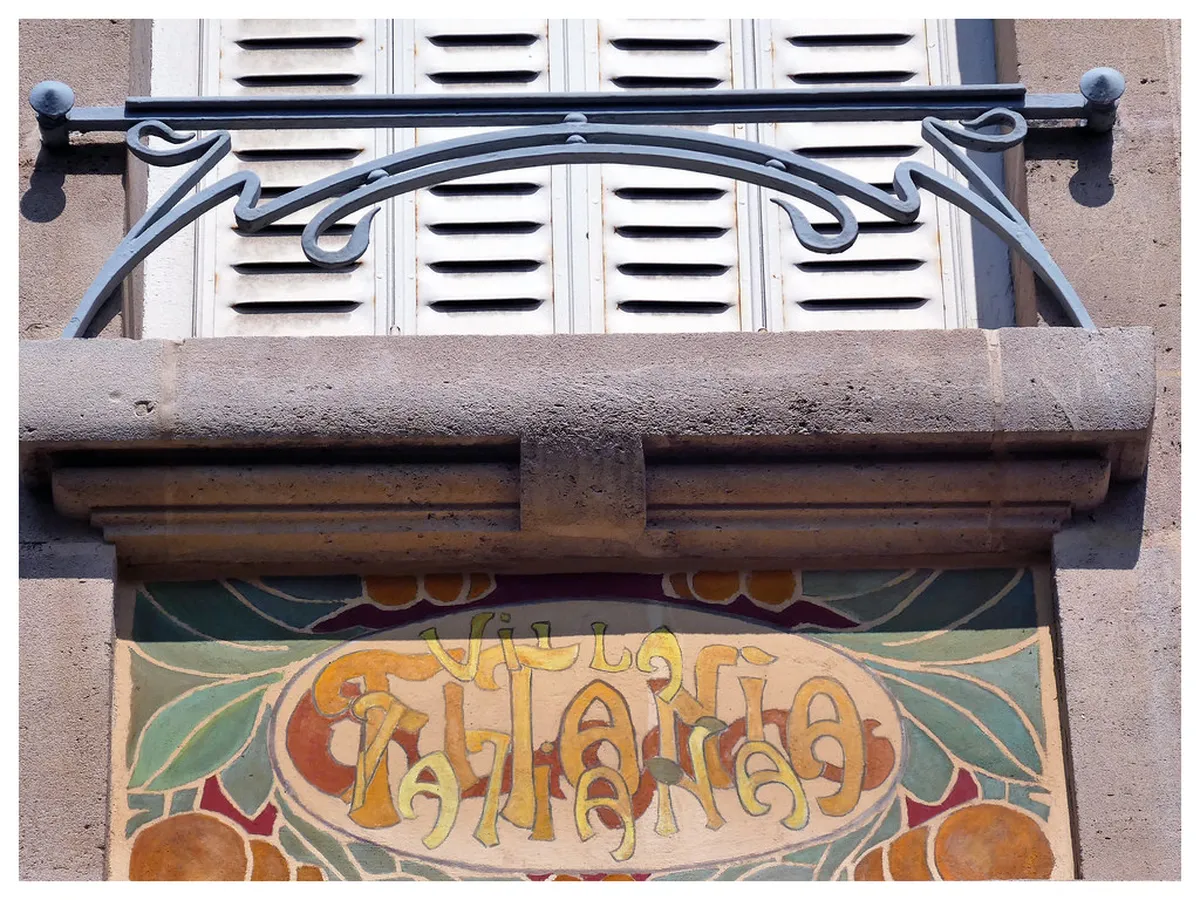
One defining characteristic of Art Deco in Nancy is the use of ironwork. The city has a long history of metalworking dating back to the 18th century. In the 1920s, craftsmen created intricate gates and balconies with geometric floral designs. These elements often feature dark finishes that contrast beautifully against light stone facades. Look for the repetitive patterns of roses and leaves simplified into triangles.
The use of glass also sets Nancy's 1920s buildings apart from other regions. Stained glass remained popular, but the themes became more abstract and structured. Master glassmakers used vibrant colors like deep blue, orange, and gold to catch the light. These windows often decorate stairwells or large display windows in commercial buildings. The interplay between heavy stone and fragile glass creates a striking visual balance.
Architects in Nancy frequently used high-quality limestone for their Art Deco projects. This material provided a smooth canvas for the shallow carvings typical of the era. You will see bas-relief sculptures depicting industrial scenes or classical allegories in modern dress. The precision of these carvings highlights the skill of local masons during the 1920s. Most 1920s architecture facades remain in excellent condition for modern visitors to admire.
Symmetry is another vital element found in the city's Art Deco residential blocks. Buildings often feature a central entrance flanked by perfectly balanced rows of windows. Stepped gables and recessed balconies add depth and shadow to the streetscape. These design choices were meant to provide light and air to urban residents. This practical approach to beauty remains a hallmark of the Nancy style.
The Chamber of Commerce Masterpiece
The most iconic example of this style is the Chamber of Commerce building located downtown. Situated at 40 Rue Henri-Poincaré, it stands as a monument to local economic power. The building was designed by architects Louis Marchal and Émile Toussaint in the late 1920s. It features a massive stone facade with incredible decorative details throughout its exterior. This site is a mandatory stop for any architecture tour in 2025.
The interior of the building is just as impressive as the outside. It contains stunning wrought ironwork created by the famous craftsman Jean Prouvé. The grand staircase serves as a center stage for the building's artistic expression. Visitors can admire the large stained glass windows that illuminate the main hall. These windows depict various local industries that helped build the city's wealth. Entry to the lobby is usually free during standard business hours.
Look closely at the external balconies to see the transition of styles. The iron patterns are exceptionally dense and showcase the height of 1920s metalwork. The building also uses reinforced concrete to allow for large, open internal spaces. This combination of traditional decor and modern engineering was revolutionary at the time. It successfully proved that Nancy could lead the way in modern commercial design.
The location is easy to reach on foot from the Place Stanislas. It sits in a district filled with other banking and insurance buildings. Many of these neighbors also feature subtle Art Deco flourishes from the same period. Spending an hour in this neighborhood allows you to see the professional side of Nancy. The Chamber of Commerce remains a functional office building today.
Exploring Commercial and Public Art Deco
Beyond banks, the Art Deco in Nancy style influenced retail and leisure spaces. Department stores like the Magasins Réunis adopted modern facades to attract sophisticated shoppers. These buildings used large glass surfaces to create bright and welcoming interiors. The use of neon lighting also became popular during the late 1920s. These commercial hubs transformed Nancy into a modern shopping destination for the entire region.
Public infrastructure projects also received the Art Deco treatment during the post-war era. The Nancy-Ville train station area features several buildings with 1920s stylistic elements. Post offices and schools were built with clean lines and durable materials. These buildings were designed to be both functional for citizens and beautiful for the city. They reflect a government commitment to modernizing the urban environment for everyone.
The city's cinemas and theaters from this era are particularly charming. Many feature bold marquee designs and colorful tilework on their lower levels. While some have changed usage, their historic footprints remain visible to careful observers. These entertainment venues brought Hollywood glamour to the streets of eastern France. They served as social hubs where people could escape into a world of modern luxury.
Walking near the canal also reveals industrial buildings with Art Deco touches. Even functional warehouses occasionally featured decorative brickwork or geometric window frames. This widespread adoption shows how deeply the style permeated local society. It was not just for the wealthy, but a language for all new construction. This consistency gives the 1920s districts a very cohesive and intentional feeling.
Residential Districts and Art Deco Villas
Wealthy families in Nancy commissioned private villas in the latest Art Deco styles. These homes are often located in the quieter neighborhoods surrounding the city center. They feature flat roofs, curved corner windows, and elegant private gardens. The use of white or cream-colored plaster makes these homes stand out from older stone houses. Many of these villas are now protected as historical monuments by the French government.
The Saurupt district contains several excellent examples of 1920s domestic architecture. Originally planned as an Art Nouveau garden city, it evolved during the 1920s. You can walk through these streets to see how residential tastes shifted over twenty years. Some houses combine local stone with modern concrete accents for a unique look. These neighborhoods provide a peaceful setting for a morning architectural stroll.
Inside these homes, the Art Deco influence extended to furniture and fixtures. Exotic woods like mahogany and ebony were popular for high-end interior design. Geometric parquet floors and built-in cabinetry maximized space and style. While most interiors are private, local museums often display furniture from this period. Seeing these pieces helps you understand the complete lifestyle of a 1920s resident.
Apartment blocks from this era also introduced new levels of comfort for residents. Many included modern plumbing, elevators, and central heating systems as standard features. The facades utilized repetitive window patterns to create a sense of modern rhythm. These buildings helped densify the city while maintaining a high aesthetic standard. They remain highly desirable places to live for locals today.
Planning Your 2025 Art Deco Visit
A successful tour of Art Deco in Nancy requires some advance planning. Most of the best sites are within walking distance of the central train station. You should start your journey at the Tourist Office near Place Stanislas for a map. They offer a specialized Nancy architecture walking tour brochure for visitors. This guide includes several key 1920s landmarks alongside more famous older sites.
Wear comfortable shoes as you will be walking mostly on paved city streets. The best time for photography is during the late morning or early afternoon. This timing ensures that the sun highlights the intricate carvings on the stone facades. Most commercial buildings are open to the public from 9:00 AM to 6:00 PM. Private villas should only be viewed from the public sidewalk to respect residents.
Budgeting for your trip in 2025 is relatively straightforward in Nancy. Most architectural viewing is free as it involves looking at building exteriors. Expect to pay between €7 and €12 for entry into museums like the Villa Majorelle. Local cafes offer affordable lunch options starting around €15 per person. Nancy is very accessible by high-speed train from Paris, taking only 90 minutes.
Consider staying in a hotel that features historic decor to enhance your experience. Several boutique hotels near the station occupy beautifully restored 1920s buildings. This allows you to immerse yourself in the Art Deco atmosphere for your entire stay. The city is also a great base for exploring the wider Lorraine region. Your 2025 visit will surely be filled with artistic discovery and French charm.
Frequently Asked Questions
What is the best way to see Art Deco architecture in Nancy?
The best way is to take a self-guided walking tour through the city center. Start at the Chamber of Commerce and move toward the train station. You can find maps at the tourist office located in Place Stanislas. Most sites are close together and easy to reach on foot.
How does Art Deco differ from Art Nouveau in Nancy?
Art Nouveau features organic curves and nature-inspired themes like flowers and insects. Art Deco is much more geometric with straight lines and symmetrical patterns. While Art Nouveau is often ornate and wild, Art Deco feels streamlined and modern. Both styles highlight the incredible skill of local Nancy craftsmen.
Are there guided tours for 1920s architecture in Nancy?
Yes, the local tourist office provides several guided options throughout the year. You can book a specialized tour focusing on the 20th-century heritage of the city. These tours often provide access to building interiors that are usually closed to the public. Check their website for the most current 2025 schedule and prices.
Which specific street has the best Art Deco facades?
Rue Henri-Poincaré is perhaps the best street for viewing concentrated Art Deco architecture. It features the massive Chamber of Commerce and several impressive bank buildings. The street connects the main station area to the historic heart of the city. It is a perfect place to see 1920s commercial design in action.
Art Deco in Nancy remains a hidden gem for many travelers visiting France. The style provides a perfect counterpoint to the city's more famous 18th-century and Art Nouveau sites. By exploring these 1920s landmarks, you gain a deeper understanding of French modern history. From the grand Chamber of Commerce to quiet residential villas, the variety is truly impressive. We hope this guide inspires you to book your trip and explore Nancy in 2025. Be sure to check out our other guides to architecture by city for more inspiration.
Key Takeaways
- Nancy is a unique hub for both Art Nouveau and Art Deco styles.
- The Chamber of Commerce is the must-see Art Deco landmark in the city.
- Geometric ironwork and abstract stained glass are defining local features.
- Most 1920s landmarks are located conveniently near the central train station.
- 2025 visitors can enjoy free architectural views through self-guided walking tours.
Related reads: place stanislas unesco ensemble, villa majorelle.