
Place Stanislas UNESCO Ensemble: Nancy's Golden Heart
Explore the Place Stanislas UNESCO ensemble in Nancy, France. Discover its history, golden gates, and expert travel tips for your 2025 architectural journey.
On this page
Nancy hosts one of the world's most beautiful and well-preserved urban spaces for travelers today. The Place Stanislas UNESCO ensemble remains a significant artistic triumph from the mid 18th century. This grand square connects the historic old town with the modern administrative center of Nancy. Visitors often feel like they have stepped into a golden dream from the French Enlightenment.
Stanislas Leszczyński commissioned this royal square to honor his son-in-law, the famous King Louis XV. Today, it remains a vibrant center for local culture and tourism throughout the year 2025. You can enjoy a coffee while admiring the intricate gilded ironwork from a sidewalk cafe. This comprehensive guide explores every important detail of this stunning and historical French landmark.
History of the Place Stanislas UNESCO Ensemble
Stanislas Leszczyński served as the former King of Poland and the last Duke of Lorraine. He wanted to create a grand space that would honor his son-in-law, King Louis XV. The construction of the square began in 1751 and reached completion within four short years. This project successfully unified the city's old medieval quarter with the newer residential areas.
The royal square served as a primary stage for important political ceremonies and public festivals. Architects worldwide consider this ensemble a peak example of Enlightenment urban planning and sophisticated design. This specific UNESCO site has fascinated art lovers and casual tourists for many centuries now. It remains a symbol of the peaceful transition of Lorraine into the French national kingdom.
The ensemble includes the Place Stanislas, the Place de la Carrière, and the quiet Place d'Alliance. Each square offers a unique atmosphere and distinct architectural style to all who visit them. The unified design highlights the sophisticated tastes of the 18th-century French court and royal lifestyle. You can still see the royal influence in every corner of this well-maintained heritage site.
Recent restorations have brought back the square's original 1755 brilliance for modern visitors to enjoy. Specialists cleaned the stone facades and reapplied expensive gold leaf to the heavy iron gates. These careful efforts ensure the site stays preserved for many future generations of world travelers. It remains the proud heart of Nancy's diverse architectural heritage for everyone to see.
The square underwent a major pedestrian renovation to celebrate its two hundred and fiftieth anniversary recently. Engineers removed car parking to restore the original 18th-century pavings and visual aesthetic. This transformation allows people to walk freely and appreciate the grand scale of the architecture. It is now one of the most pedestrian-friendly royal squares in the entire European continent.
Architectural Masterpieces of the Three Squares
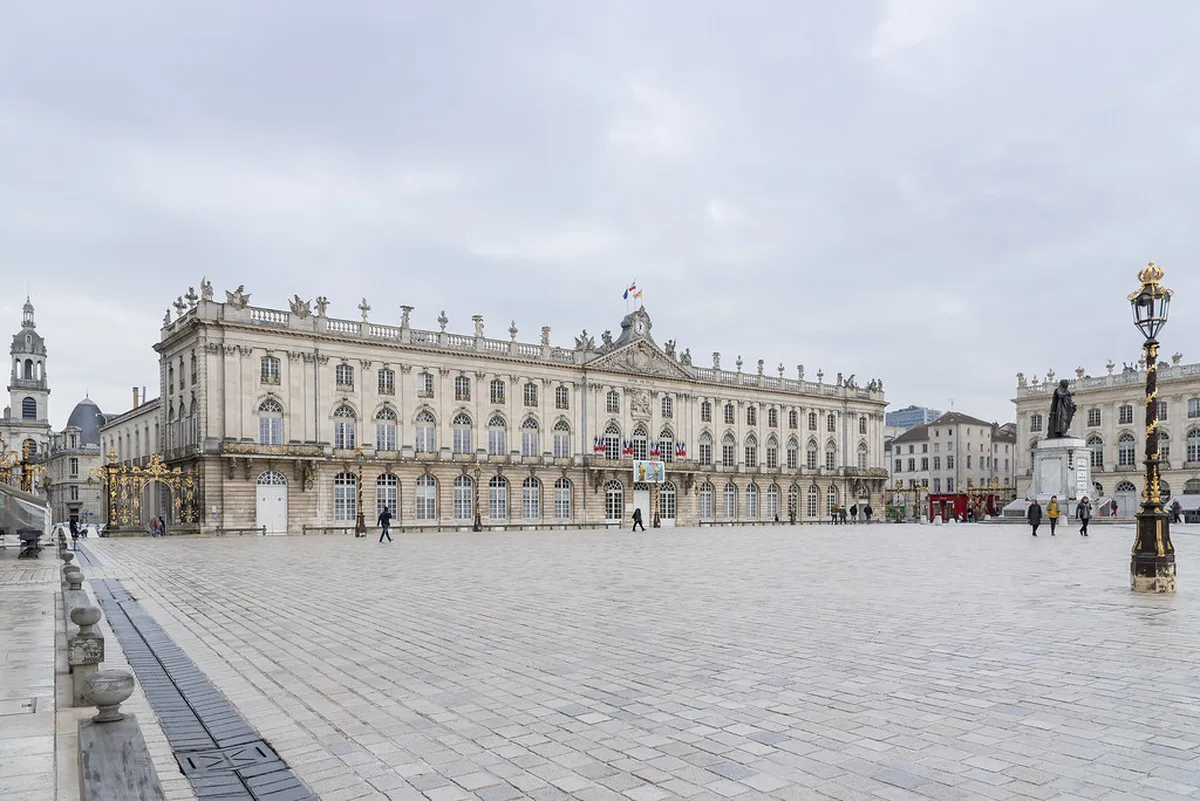
Place Stanislas serves as the central hub of this massive and ambitious royal building project. It measures 106 by 124 meters and features stunning classical buildings with very tall windows. The City Hall stands as the largest structure on the south side of the square. Its facade displays intricate sculptures that represent the virtues of a fair and just ruler.
Place de la Carrière offers a different and more elongated perspective of the city's urban flow. Grand rows of lime trees provide much needed shade along the central promenade during summer. This square once hosted equestrian tournaments and many different types of public festivals for citizens. It leads directly to the Government Palace located at the far end of the street.
The Place de la Carrière architecture perfectly complements the grander Stanislas square located just nearby. Both areas utilize light stone and uniform rooflines to create a sense of visual harmony. This visual consistency is a major hallmark of the ensemble's significant and worldwide historical importance. It remains a masterclass in French urban design and classical building proportions for students.
Place d'Alliance provides a much smaller and more intimate experience for curious visitors in Nancy. It features a beautiful central fountain commemorating the 1756 treaty between France and the Austrians. The surrounding buildings are modest yet perfectly proportional to the size of the small square. This quiet square offers a peaceful retreat from the larger crowds found in Place Stanislas.
The triumphal arch connects the Place Stanislas with the Place de la Carrière in a grand way. This arch features detailed stone carvings and gold inscriptions that praise the French king's many successes. It acts as a symbolic gate between the old medieval town and the newer royal district. Walking through this arch feels like traveling through the rich history of the Lorraine region.
The Golden Gates and Wrought Iron Artistry
The gilded iron gates are the most famous feature of the city of Nancy today. Jean Lamour created these incredible structures using traditional local ironwork techniques and high-quality materials. They connect the main buildings and allow for natural light to pass through the royal square. Each gate glows brilliantly under the warm afternoon sun during your visit in 2025.
Six main gates stand at the corners and the various entrances of the large square. They feature royal motifs like the fleur-de-lis and images of the powerful French sun king. The craftsmanship reflects the immense wealth and power of the Lorraine dukes during that era. Tourists often spend several hours photographing the intricate metal details and the shining gold leaf.
The Jean Lamour wrought iron gates also include beautiful mythological figures and very detailed decorative elements. Neptune and Amphitrite fountains sit within the ironwork frames at the corners of the square. These fountains add a dynamic element of water to the hard stone environment of the city. They represent the perfect blend of metal, flowing water, and high-quality stone sculpture art.
Lamour's workshop was located very close to the construction site for the entire project's duration. This allowed him to supervise the installation of every single piece of metal personally and carefully. His work elevated humble iron into high art for the French royals and the local public. These gates remain some of the finest examples of Rococo metalwork in the entire world.
The gold leaf is regularly maintained to protect the iron from the changing French weather patterns. Master gilders use ancient techniques to apply thin sheets of gold to the black metal frames. This process ensures that the gates continue to sparkle as they did in the 18th century. It is a testament to the city's commitment to preserving its high artistic standards.
Visiting Nancy’s Royal Squares in 2025
Planning a trip to Nancy is very easy for international travelers during the 2025 holiday season. The high-speed TGV train connects the city of Paris to Nancy in ninety comfortable minutes. Most visitors start their journey at the modern tourist office located directly on the main square. You can easily pick up helpful maps and audio guides in many different languages there.
Evening is perhaps the most magical time to see the royal squares in all their glory. A stunning light show illuminates the City Hall facade during the busy summer months annually. The projection starts around ten o'clock and tells the long history of the entire region. This free event draws thousands of excited people to the square every single night.
You should explore the surrounding old town architecture in Nancy after visiting the royal squares. The medieval streets offer a sharp visual contrast to the royal symmetry of the UNESCO site. Small boutiques and local bakeries line these historic winding paths throughout the ancient city center. You can find excellent regional treats like Nancy macarons and sweet bergamot candies there.
Entry to all three squares is free and they remain open to the public year-round. Several important museums like the Fine Arts Museum border the main square for your convenience. Budget about three hours to fully experience the entire UNESCO ensemble and its many details. This allows for plenty of time to sit and enjoy the unique local atmosphere.
Winter transforms the square into a festive wonderland with a large traditional Christmas market for all. The central statue of Stanislas is surrounded by sparkling lights and many wooden market stalls. You can enjoy hot mulled wine while shopping for handmade gifts from the Lorraine region. It is a fantastic time to experience the local culture and warm hospitality.
The Legacy of Emmanuel Héré and Jean Lamour
Emmanuel Héré was the lead architect who designed the entire layout of the royal ensemble. He worked very closely with Stanislas to realize this ambitious and grand urban vision. Héré combined Baroque grandeur with the lighter and more playful touch of the Rococo style. His plan remains a model for modern architects studying urban flow and public space today.
The Emmanuel Héré urban design focused on perspective and creating grand vistas for the people. He used the triumphal arch to frame the view between the two main squares perfectly. This arch honors King Louis XV with many detailed stone carvings and symbolic royal images. It serves as a beautiful gate between the medieval city and the newer districts.
Together, Héré and Lamour created a unified work of art that defined the city's identity. Their collaboration defined the visual look of Nancy for many centuries to come after their deaths. You can see their strong influence in later buildings throughout the entire city of Nancy. Their legacy is why Nancy holds such a high rank in European art history.
The ensemble earned its UNESCO World Heritage status in the year 1983 for its beauty. Experts praised its unique blend of public space and royal architecture from the 18th century. It continues to inspire modern designers looking for balanced and functional urban solutions today. The square is truly the pride of eastern France and the local people.
Preserving these buildings requires constant care and significant funding from the local French government. Every decade, the stone is cleaned to remove the effects of pollution and natural aging. This ensures the intricate carvings remain sharp and visible for all visitors to appreciate. The city treats this landmark with the respect a world heritage site deserves.
Frequently Asked Questions
What makes the Place Stanislas UNESCO ensemble unique?
This ensemble is unique because it perfectly links medieval and modern urban planning styles. It features a rare combination of gilded ironwork, stone architecture, and grand public squares. No other European city offers such a unified 18th-century royal space for the public.
Is the Place Stanislas UNESCO ensemble free to visit?
Yes, all three squares in the ensemble are completely free for the public to enter. You can walk through the squares at any time of the day or night. Some nearby museums may charge a small entry fee for their indoor exhibits.
When is the best time to see the golden gates?
The golden gates look best during the late afternoon when the sun hits the gold leaf. This creates a brilliant glow that is perfect for taking high-quality travel photographs. Summer evenings also offer a beautiful perspective during the nightly light shows.
Nancy's Place Stanislas remains a must-see destination for any traveler visiting France in 2025. It offers a rare look at perfect 18th-century urban planning and royal artistry. Whether you love history or art, this golden square will surely impress your senses. Start planning your French architectural adventure and discover this UNESCO treasure today.
Key Takeaways
- Visit during summer evenings to see the free light show on the City Hall facade.
- Walk through all three squares to appreciate the complete 18th-century urban design.
- Take the TGV train from Paris for a quick and easy day trip to Nancy.
Related reads: architecturebycity.com, ecole de nancy movement.