
Nancy Ville Vieille Architecture Guide 2025
Discover Nancy Ville Vieille architecture with our comprehensive 2025 guide. See medieval gates and historic palaces today. Explore the charm of Nancy, France!
On this page
Nancy Ville Vieille architecture offers a stunning glimpse into the rich history of this beautiful French city. As you walk through the narrow streets, you will see layers of design from the 12th century. The Old Town district contains some of the most significant historical landmarks in the entire Grand Est region. This guide provides everything you need to know about the architectural treasures found within these ancient walls.
In 2025, Nancy remains a top destination for those who appreciate European urban history and traditional design. The city preserves its historical core with great care and dedication to the original building styles. Visitors often feel like they have traveled back in time while exploring the cobblestone alleys and squares. You will discover many unique details that showcase the wealth and power of the former Lorraine dukes.
The Ville Vieille is distinct from the later 18th-century expansions that made Nancy famous for Art Nouveau. It represents the medieval and Renaissance phases of the city's growth before the Enlightenment changed the landscape. You can see the evolution of defensive walls into beautiful residential facades over several hundred years. This area serves as the true heart and soul of Nancy's long architectural heritage.
Walking through the neighborhood is free and accessible for all travelers visiting the city this year. Most major sites are located within a short distance from each other for easy exploration on foot. You should plan to spend at least several hours to truly appreciate the intricate stone carvings found here. Bring a camera to capture the changing light on the ancient limestone facades of these historic homes.
Evolution of Nancy Ville Vieille Architecture
The evolution of Nancy Ville Vieille architecture represents a diverse timeline of French history and regional power. The neighborhood began as a small fortified settlement during the early Middle Ages in France. Over several centuries, it grew into the impressive administrative center of the Duchy of Lorraine. Today, it stands as a preserved monument to the artistic evolution of this unique European region.
You will find many examples of incredible stone masonry throughout the old district of the city. Most buildings use the beautiful yellow limestone that is typical of the Lorraine region in France. This material gives the neighborhood a warm and inviting glow during the sunset hours of the day. Architects in 2025 continue to use these traditional stones for modern restoration projects in the area.
The street layout follows a classic medieval pattern with winding paths and unexpected open squares. These narrow passages were originally designed to slow down attackers who might enter the city gates. Now, they provide a charming and intimate atmosphere for tourists and local residents to enjoy together. You can see how the urban planning evolved from military defense to comfortable residential living spaces.
Renaissance influences began to appear in the 16th century as the dukes updated their primary residences. They introduced more decorative elements like ornate window frames and detailed stone portals to their homes. This transition period created a fascinating blend of sturdy medieval structures and elegant Renaissance artistic details. It is this specific mix that makes the Old Town so architecturally significant today.
Preservation efforts in 2025 ensure that the historic character remains intact for future generations of visitors. Strict building codes prevent modern developments from changing the classic silhouette of the historic Ville Vieille skyline. You can appreciate the authentic feel of the district because of these careful urban planning policies. Every renovation must follow specific guidelines to match the existing historical materials and traditional construction methods.
The Grand Palais des Ducs de Lorraine
The Palais des Ducs de Lorraine architecture is a masterpiece of the Flamboyant Gothic style. It served as the primary residence for the powerful Dukes of Lorraine for many centuries. The main portal features an equestrian statue of Duke Antoine placed within a decorative stone niche. Intricate stone carvings decorate the facade and windows of this grand building in the city center.
Visitors in 2025 can admire the careful restoration of the exterior masonry from the sidewalk. The palace roof is covered with traditional tiles that create a striking pattern against the blue sky. You will notice the blend of Italian Renaissance ideas with local Gothic traditions throughout the entire structure. This combination reflects the cultural connections between the Lorraine region and the rest of Europe.
The interior of the palace now houses the Musee Lorrain which showcases the history of the region. You can see ancient artifacts and royal treasures inside the grand halls of the historic palace. The museum usually opens from 10:00 AM to 6:00 PM for most days of the week. Tickets for adults typically cost around 10 Euros but prices may vary based on special exhibitions.
One of the most impressive features is the grand staircase that leads to the upper residential floors. It displays the technical skill of the stone masons who worked for the ducal court long ago. The ceilings are often decorated with beautiful woodwork and painted scenes from the history of Lorraine. These details provide a sense of the luxury that the dukes enjoyed during their long reign.
The palace stands next to the Church of Saint-Francois-des-Cordeliers which contains the ducal tombs. This proximity shows the close relationship between the ruling family and the religious institutions of the city. You should take time to look at the exterior carvings from across the street for perspective. The length of the facade demonstrates the immense power held by the dukes during the Renaissance period.
The Iconic Porte de la Craffe
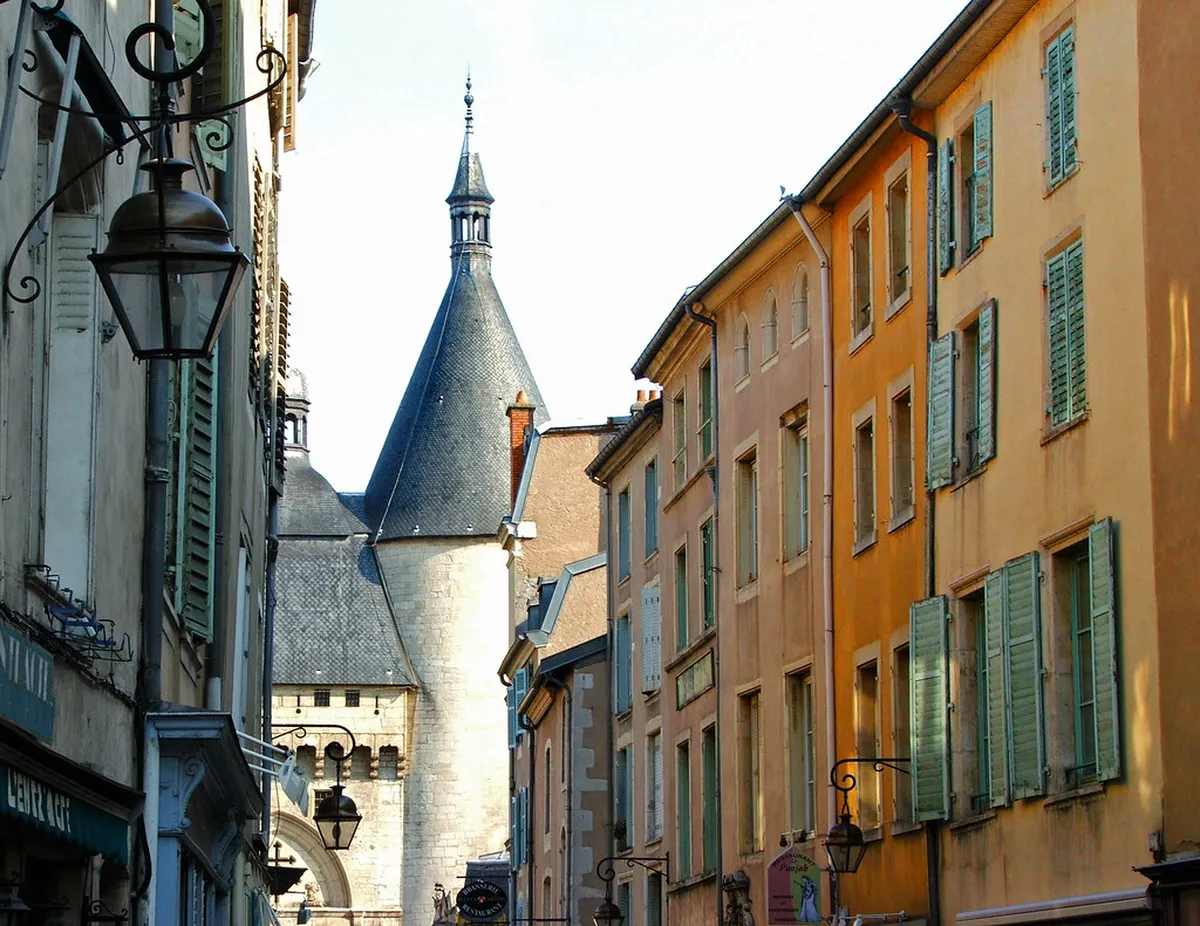
The Porte de la Craffe history shows how the city defended itself during the Middle Ages. This gate was built in the 14th century to protect the northern entrance of the town. It features two massive round towers that are typical of military architecture from that specific era. You can still see the slots where the drawbridge was once operated by the city guards.
The gate served as the main gateway for travelers coming from the north into the heart of Nancy. It remained a vital part of the city's defensive system for several hundred years of history. The thick stone walls were designed to withstand heavy artillery fire during times of regional conflict. Today, it serves as a beautiful landmark that marks the boundary of the historic Old Town.
You can walk through the central archway to experience the scale of this ancient stone structure. The masonry is remarkably well-preserved thanks to recent cleaning and conservation efforts completed by the city. It is one of the oldest surviving parts of the original fortifications in the entire region. Many photographers visit this spot in the early morning to capture the gate without large tourist crowds.
The towers once held prison cells for criminals and enemies of the state during the medieval period. You can see small windows that allowed light into these dark and cold stone chambers long ago. In the 19th century, architects added decorative Gothic elements to the top of the towers for aesthetics. These additions enhance the romantic look of the gate as it stands today in 2025.
The area surrounding the gate features several small cafes where you can rest after your architectural walk. You will find that the local community takes great pride in this iconic symbol of their city. It remains one of the most photographed spots in Nancy because of its imposing and historic appearance. Make sure to look at the carvings on both sides of the gate for different details.
Renaissance Houses in Nancy
Many Renaissance houses in Nancy feature beautiful stone facades and hidden inner courtyards. These private mansions were built by wealthy merchants and officials who served the ducal court in Nancy. The Hotel d'Haussonville is one of the most famous examples of this elegant residential style of building. You will see intricate stone balconies and decorative carvings on the exterior of these grand homes.
The architects of these houses focused on symmetry and classical proportions inspired by recent Italian designs. You can notice the use of pilasters and pediments that decorate the windows and main entrance doors. These elements were a sign of high status and education for the families who lived there. Many of these structures have been converted into luxury hotels or private apartments for modern residents.
Walking down the Grande Rue allows you to see several of these historic facades in one row. Each house has its own unique character and decorative motifs that tell a story about the owners. Some buildings feature small statues or family crests carved directly into the yellow limestone of the walls. These details have survived centuries of weather and urban changes in the Ville Vieille district.
Hidden courtyards are a common feature of the Nancy Ville Vieille architecture that many tourists often miss. You can sometimes catch a glimpse of these private spaces through open gates or during guided tours. They often contain beautiful stone wells and galleries with arched openings on multiple levels of the house. These spaces provided a quiet retreat from the busy streets of the medieval city center.
The preservation of these houses is essential for maintaining the historical integrity of the entire old neighborhood. Restoration projects in 2025 focus on using traditional lime mortars to protect the ancient stone from damage. You will see artisans working carefully to repair carvings using tools that resemble those from the Renaissance. This dedication to craft keeps the architectural history of Nancy alive for everyone to see and enjoy.
Religious Landmarks of the Old Town
The variety of Nancy religious architecture adds a spiritual dimension to your architectural tour of the city. The Basilica of Saint-Epvre is a stunning example of the Gothic Revival style built in the 19th century. It stands on the site of an older medieval church that served the residents for centuries. The tall spire dominates the skyline of the Ville Vieille and can be seen from far away.
Inside the basilica, you will find beautiful stained glass windows that tell stories from the Bible and history. The high vaulted ceilings create a sense of grand space and light within the stone walls of the church. You can visit the interior for free during the daytime when services are not being held. Please remember to remain quiet and respectful while exploring the sacred spaces of this active parish.
The Church of the Cordeliers is another significant religious building located right next to the Ducal Palace. It served as the burial place for the Dukes of Lorraine and their families for many generations. The architecture is more simple and austere compared to the grand basilica located nearby in the square. This simplicity reflects the values of the Franciscan monks who originally built and managed the church.
You can visit the Chapelle Ducale which features a magnificent dome inspired by the Medici Chapel in Florence. The interior is decorated with marble and intricate sculptures that represent the peak of Lorraine's artistic wealth. It is a rare example of the Baroque style within the mostly medieval and Renaissance Old Town. The chapel is part of the museum complex and requires a ticket for entry during your visit.
Small chapels and shrines can be found tucked away in the corners of the various old streets. These small structures show the deep religious history of the local community over the last several hundred years. You will often see fresh flowers or candles placed there by local residents even in modern times. These landmarks provide a peaceful contrast to the busy commercial streets of the surrounding city center.
Nancy Architecture Walking Tour Tips
Following a Nancy architecture walking tour helps you find the most interesting hidden spots in the city. You should start your journey at the Place Stanislas and walk north toward the historic Old Town district. This route takes you through the transition from the grand 18th-century squares to the narrow medieval alleys. Most people find that three hours is enough time to see all the major architectural highlights.
Wear comfortable walking shoes because many of the streets are still paved with traditional and uneven cobblestones. The Ville Vieille is mostly a pedestrian zone which makes it very safe and pleasant for walking tours. You can find digital maps and audio guides at the local tourism office located near the main square. These resources provide detailed historical context for the buildings you will see during your self-guided walk.
The best time to explore the architecture is during the early morning or late afternoon light in summer. The low sun highlights the textures and carvings on the limestone facades of the ancient buildings. In 2025, many buildings are lit up at night to showcase their architectural beauty after the sun sets. This evening atmosphere is particularly romantic and quiet for those who prefer to avoid the daytime crowds.
Public restrooms and water fountains are available near the Place de la Carriere and the Saint-Epvre square. You will also find many small bakeries where you can buy a local snack like a Macaron. Prices for food and drinks in the Old Town are generally reasonable for a major French tourist city. Many cafes offer outdoor seating where you can sit and admire the architecture while you eat lunch.
Consider joining a guided tour if you want to learn more about the specific families who built these homes. Professional guides can often provide access to private courtyards that are normally closed to the general public. These tours typically cost between 15 and 25 Euros per person and last about two hours. You can book these experiences online or at the tourism office when you arrive in the city.
Frequently Asked Questions
What is the oldest gate in Nancy?
The Porte de la Craffe is the oldest surviving gate in Nancy. It was built in the 14th century as part of the defensive walls. You can still see its massive medieval towers today.
Can I visit the Palais des Ducs de Lorraine in 2025?
Yes, you can visit the palace as it houses the Musee Lorrain. Most visitors enjoy the Gothic architecture and the historical exhibits inside. Check the official website for current opening hours.
Is the Nancy Ville Vieille architecture different from Art Nouveau?
Yes, the Old Town architecture is mostly medieval and Renaissance in style. The Art Nouveau buildings are located in the newer parts of the city. Both styles are very important to Nancy's history.
How long does it take to walk through the Old Town?
Most visitors spend about two to three hours walking through the district. This allows enough time to see the palace, the gates, and the churches. You can easily see everything on foot.
Nancy Ville Vieille architecture is a treasure that everyone should experience when visiting France in 2025. The mix of medieval fortifications and Renaissance elegance creates a unique atmosphere that is hard to find elsewhere. You will leave with a deep appreciation for the history and craftsmanship of the Lorraine region. Start planning your trip today by looking at a Nancy architecture walking tour online now!
Key Takeaways
- Visit the Porte de la Craffe to see the oldest medieval gate in the city.
- Admire the Flamboyant Gothic style of the Palais des Ducs de Lorraine.
- Explore the winding streets to find hidden Renaissance houses and courtyards.
- Check the Musee Lorrain for internal views of the historic ducal palace.
Related reads: architecturebycity.com, architecture in nancy, ecole de nancy movement.