
Renaissance Houses in Nancy: A 2025 Guide
Explore stunning Renaissance houses in Nancy for your 2025 trip. See the best Nancy Ville Vieille architecture and plan your visit today!
On this page
Renaissance houses in Nancy offer a glimpse into the rich history of the Lorraine region during the 1500s. These buildings showcase incredible craftsmanship through their detailed stone facades and elegant arched windows and ornate doorways. You will find these architectural gems nestled within the heart of the historic Nancy Ville Vieille district today. Exploring this area allows you to witness the transition from medieval structures to the refined Renaissance style.
The city served as the capital for the powerful Dukes of Lorraine for several centuries of growth. This status brought great wealth and many talented artists to the local construction projects in the old city. Today these houses remain as some of the best preserved examples of French Renaissance architecture in the north. You should consider a Nancy Ville Vieille architecture tour to see these sights in person soon.
Nancy Ville Vieille Architecture Overview
The historic Ville Vieille district serves as the beating heart of the oldest part of the city today. This area contains many Renaissance houses in Nancy that showcase the incredible wealth of the former Lorraine dukes. Walking through these narrow streets feels like stepping back into the vibrant and artistic sixteenth century French world. You will notice that the stone buildings often feature beautiful carvings and very large and decorative arched windows.
Medieval layouts still define much of this district with its winding paths and hidden courtyards tucked behind facades. Most Renaissance structures here were built to replace older wooden houses during a period of massive urban renewal. This transformation occurred as the dukes wanted to modernize their capital to match the grand styles of Italy. The result is a unique blend of local Gothic traditions mixed with new and elegant classical proportions.
Visiting this district in 2025 allows you to see many restored facades that look as fresh as ever. The local government has invested heavily in cleaning the limestone to reveal the original golden glow of these homes. You can spend several hours wandering through the streets and discovering hidden sculptural details on every single corner. Each building tells a story of the wealthy families who shaped the city during the sixteenth century period.
The architecture reflects the high social status of the officials who served the local dukes during that time. Many of these private mansions were designed to impress visitors with their grand scales and very intricate decorations. You will find that the houses are taller than the medieval ones and feature much more symmetrical designs. The district provides a wonderful contrast to the later eighteenth century architecture found in the nearby Place Stanislas.
The Most Famous Renaissance Houses in Nancy
One of the most impressive sites is the Hotel d'Haussonville located on the quiet Rue de la Source. This private mansion was built for the seneschal of Lorraine and features a stunning two story stone gallery. The courtyard is a masterpiece of Renaissance design with its delicate columns and very detailed stone carved railings. You can stay in this historic building today as it now operates as a high end luxury hotel.
Another essential stop is the Hotel de Lillebonne which sits prominently at the corner of the historic old town. This building showcases a transition from the Flamboyant Gothic style to the more refined and balanced Renaissance aesthetic. The facade features large mullioned windows and a grand entrance that once welcomed the most important local elites. It currently hosts various cultural events and exhibitions throughout the year for the local community to enjoy.
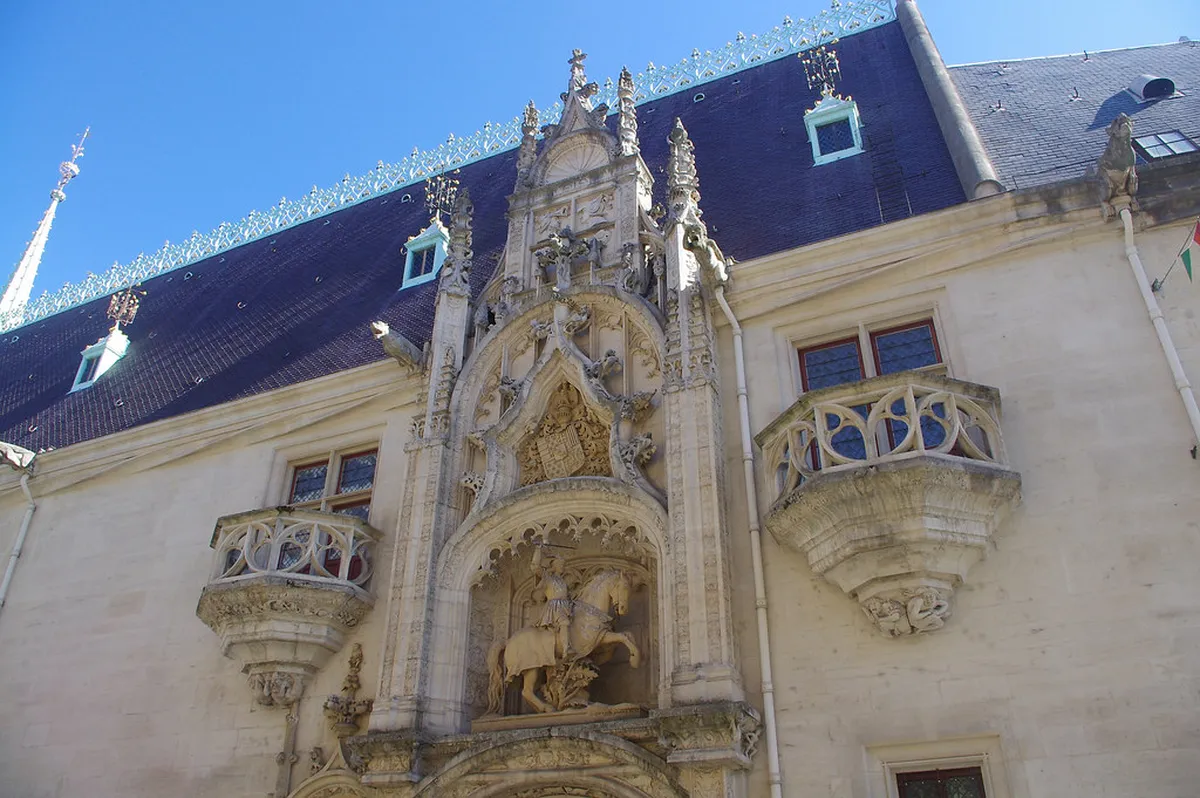
The Palais des Ducs de Lorraine remains the most significant Renaissance structure in the entire historic city. While it features Gothic elements, the main gateway is a triumph of Renaissance sculpture and very complex stone artistry. You will see an equestrian statue of Duke Antoine placed above the entrance in a grand classical niche. The palace is currently undergoing major renovations to improve the visitor experience for the upcoming 2025 tourist season.
Nearby you will find the Hotel de Ferraris which is famous for its monumental staircase and beautiful courtyard. This house was built later in the Renaissance period and shows a move toward more sober classical lines. The carvings around the windows are particularly fine and represent some of the best stonework in the entire region. You should take your time to admire the harmony of the proportions in this very elegant private mansion.
Intricate Details of Renaissance Facades
The Renaissance houses in Nancy are famous for their detailed stone carvings that decorate the windows and doorways. You can spot intricate sculptures of fruits and flowers on the window frames of the Hotel de Lillebonne. These designs were inspired by Italian artists who brought new creative ideas to the court of Lorraine. Look closely at the dormer windows which often feature small statues of mythological figures and local heraldic symbols.
Many buildings also feature beautiful wrought iron work that was added during later periods of local historical growth. However, the original stone balconies and railings remain the most authentic features of the early sixteenth century houses. You can find many examples of these decorative elements while walking along the historic and popular Grande Rue. These details were meant to signify the education and cultural awareness of the wealthy home owners back then.
The use of local yellow limestone gives the district a warm and welcoming atmosphere during the sunny days. This stone is soft enough for detailed carving but strong enough to last for over five centuries of use. Many facades also feature elaborate pediments that sit above the main windows to add a sense of grandeur. These architectural features helped to define the visual identity of Nancy as a sophisticated and very wealthy capital.
You will also notice the use of pilasters and columns that mimic the styles of ancient Roman architecture. These elements were a hallmark of the Renaissance and showed a return to the classical ideals of beauty. The contrast between the heavy stone bases and the light and airy upper stories is very striking here. Each house offers a unique take on these classical themes through different arrangements of these decorative building parts.
Planning Your Visit to the Old Town in 2025
A visit to see the Renaissance houses in Nancy is best done on foot to appreciate the details. The historic Ville Vieille is a pedestrian friendly zone that allows for a very slow and relaxed pace. You should start your walk at the Porte de la Craffe and move toward the Ducal Palace area. This route covers the highest concentration of historic buildings and offers many great photo opportunities along the way.
The best time to visit for photography is early in the morning during the spring or fall months. The low sun highlights the textures of the stone carvings and creates beautiful shadows on the old facades. In 2025, several of the local museums will offer special guided tours focused on the Renaissance era history. These tours usually cost around ten Euros and provide deep insights into the lives of the former residents.
- Hotel d'Haussonville: 9 Rue de la Source
- Hotel de Lillebonne: 14 Rue du Cheval Blanc
- Palais des Ducs: 64 Grande Rue
Most of the exterior architecture can be seen for free by simply walking through the public city streets. You do not need to pay any fees to admire the stunning facades of these historic private mansions. However, some courtyards are private and you should respect the privacy of the people living in these homes. Many local cafes in the old town offer great views of these buildings while you enjoy a coffee.
Wear comfortable walking shoes because the historic streets feature many old and uneven cobblestone paths throughout the district. You should also check the local tourism office for updated maps that highlight the best architectural walking routes. Most visitors find that two to three hours is enough time to see the main Renaissance highlights here. Plan to end your walk at a local restaurant to try some traditional food from the Lorraine region.
Preserving the Architectural Legacy of Nancy
Maintaining the Renaissance houses in Nancy is a priority for the local government and heritage organizations in France. These buildings are protected under strict conservation laws to ensure they remain intact for many future generations. Owners must follow specific rules when cleaning the stone or repairing the roofs of these very old structures. This careful management has helped Nancy keep its authentic historic character despite the modern growth of the city.
Many of the buildings have been repurposed as offices or galleries to keep them functional in the modern era. This reuse helps to generate the funds needed for the expensive maintenance of such old and complex structures. You can find modern art galleries inside some of the oldest Renaissance mansions in the heart of town. This blend of old and new creates a dynamic cultural scene that attracts many visitors to the area.
Educational programs also help the local residents understand the importance of their unique architectural and historic city heritage. Schools often organize walking tours for children to learn about the history of the Dukes of Lorraine and architecture. By fostering a sense of pride, the city ensures that the community will continue to protect these buildings. This effort is vital for keeping the history of the Renaissance alive in the minds of everyone.
As you explore the streets, you will see ongoing restoration projects that show the commitment to heritage preservation. Skilled artisans use traditional techniques to repair the stone carvings and maintain the integrity of the original designs. These projects are often visible to the public and provide a fascinating look at the restoration process today. The result is a city that looks both historic and vibrant at the same time for guests.
Frequently Asked Questions
Where is the best place to find Renaissance houses in Nancy?
The best examples are located along the Grande Rue and the side streets of the Ville Vieille district. You should look for the Hotel d'Haussonville and the Hotel de Lillebonne for the most impressive facades. These areas are very easy to reach on foot from the main city center plazas.
Are there guided tours for Nancy Ville Vieille architecture?
Yes, the local tourism office provides a professional Nancy architecture walking tour that covers the Renaissance period. These tours are available in several languages and offer a deeper look into the history of the buildings. You should book these tours in advance during the busy summer months of 2025.
Can you enter the historic Renaissance houses in Nancy today?
Most of these houses are private residences or offices and only the exteriors are open to the public. However, some buildings like the Hotel d'Haussonville are open to guests who stay at the hotel rooms. The Ducal Palace is also open as a museum, although sections are currently under renovation for 2025.
The Renaissance houses in Nancy represent a unique and beautiful chapter in the long history of French architecture. These buildings offer a stunning visual journey through the wealth and artistic ambition of the former Lorraine dukes. You will find that a walk through the Ville Vieille is both educational and very visually rewarding. Plan your 2025 visit today to experience the magic of these historic stone masterpieces in person.
Key Takeaways
- Visit the Grande Rue for the highest concentration of historic Renaissance facades and detailed stone carvings.
- Plan your architectural tour for the spring of 2025 to enjoy the best lighting and mild weather.
- Wear comfortable shoes as the historic Ville Vieille district features many old and uneven cobblestone walking paths.
Related reads: architecturebycity.com, architecture in nancy, porte de la craffe history.