
Porte de la Craffe History: Exploring Nancy's Medieval Gate
Discover the deep Porte de la Craffe history in Nancy, France. Explore medieval architecture, prison towers, and 2025 travel tips in our guide. Visit today!
On this page
Nancy remains one of the most beautiful cities in France with a very deep and rich historical heritage. The Porte de la Craffe history reflects the medieval strength of the powerful Dukes of Lorraine during the fourteenth century. You can explore this massive stone structure while walking through the charming streets of the historic old town area.
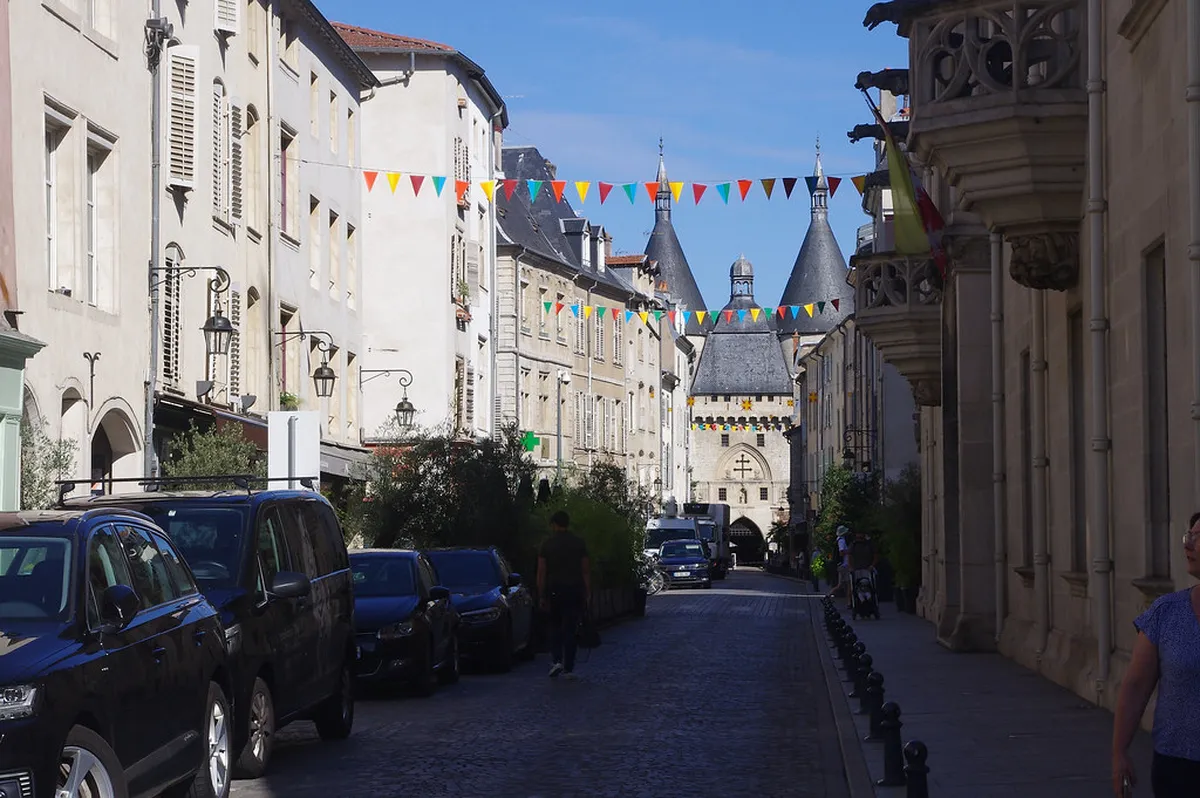
This gate serves as the most iconic symbol of the original fortifications that once protected the local citizens. It stands as a proud guardian at the northern edge of the beautiful Nancy Ville Vieille architecture district. Many travelers visit this site to admire the impressive twin towers and learn about the ancient defensive systems.
The structure has survived numerous wars and social changes while maintaining its original medieval grandeur for modern visitors. It offers a unique look into how the city expanded and protected its wealth during the Middle Ages. You will find that this monument is essential for understanding the transition from medieval to modern urban planning.
The Medieval Origins of Porte de la Craffe
Construction of this massive stone gateway began in 1373 to fortify the northern entrance of the growing city. The Dukes of Lorraine needed strong defenses to protect their capital from various invading forces during the Middle Ages. This gate was part of the second defensive wall built to surround the expanding medieval district of Nancy.
It remains the oldest surviving element of the original fortifications that once protected the citizens of this region. Visitors can see the iconic twin towers from many blocks away as they approach the historic city center. The structure served as the primary defensive point for the northern side of the city for many centuries.
Large stone blocks were used to construct the thick walls which could withstand many heavy artillery attacks. Walking through the central archway feels like stepping back into the fourteenth century of European history. These walls represent the incredible engineering skills possessed by the builders who worked for the ducal court.
The gate was named after the local family who owned the land where the structure was originally built. Historical records show that the gate was vital for controlling trade and movement into the city limits. It stood as a clear statement of power for the independent Duchy of Lorraine during that turbulent era.
Iconic Nancy Ville Vieille Architecture Elements
The gate showcases classic Gothic design with its pointed arches and decorative stone carvings found throughout the exterior. You can observe the impressive machicolations located at the top of the towers which were used for defense. These architectural features allowed soldiers to drop heavy stones or boiling liquids on enemies during a long siege.
A beautiful carved bas-relief of the Virgin and Child sits above the central passage to welcome every traveler. This religious iconography was added during the fifteenth century to provide spiritual protection to the city gates. The contrast between the rugged defensive towers and the delicate carvings creates a very unique visual experience.
The two massive round towers are roughly three meters thick to provide maximum protection against enemy cannons. This specific style of architecture in Nancy highlights the transition between medieval forts and Renaissance palaces. The symmetry of the design demonstrates the artistic values that began to influence military engineering during this time.
Inside the gateway, you can still see the original grooves where the heavy portcullis once lowered into place. These functional details remind us that the gate was first a weapon of war before becoming a monument. The blend of utility and beauty makes it a centerpiece of the local historical landscape.
Dark Secrets of the Ancient Prison Towers
The history of Porte de la Craffe took a darker turn when the towers became a prison. For several centuries, the thick stone walls held various criminals and political prisoners within their cold damp cells. The isolation and strength of the towers made them the perfect location for a high-security urban jail.
Prisoners were often kept in small rooms located deep within the circular towers of the massive stone gate. You can still see small windows with iron bars that provided very little light to the people inside. This use as a prison continued until the middle of the nineteenth century when new facilities were built.
Local legends suggest that some of the graffiti carved into the stone walls dates back to medieval times. These markings provide a personal and haunting connection to the many individuals who were once trapped here. Exploring this aspect of the building helps visitors understand the social history of the Duchy of Lorraine.
The prison era ended as the city began to value the gate more for its historical significance. Today, the quiet interior of the towers serves as a museum space for the local historical society. Learning about the transition from defense to detention offers a deep perspective on the passage of time.
Modern Restoration of the Historic Gate
The gate underwent a major restoration project in the middle of the nineteenth century to save the structure. Architect Prosper Morey was responsible for adding the Gothic-style peaks and decorative elements seen on the towers today. This work ensured that the medieval spirit was preserved while making the building safe for the public.
Many of the decorative details we see in 2025 were actually enhancements made during this Victorian restoration period. The restoration team worked carefully to maintain the integrity of the original fourteenth-century stone while adding modern support. This careful balance of old and new has kept the gate standing for over six hundred years.
Preservation efforts continue today as the city of Nancy monitors the stone for any signs of environmental damage. The gate is officially listed as a French national monument and receives special protection from the central government. You can see the results of these efforts in the clean stonework and well-maintained pathways nearby.
Modern lighting was installed to illuminate the facade during the evening hours for a spectacular visual display. This allows the monument to remain a focal point of the city even after the sun goes down. Tourists often gather in the square to take photos of the towers glowing against the dark sky.
Exploring the Surrounding Historic District
A visit to the gate is perfectly paired with a walk toward the Palais des Ducs de Lorraine nearby. This entire neighborhood is filled with narrow cobblestone streets and beautiful buildings from many different historical periods. You will find many small cafes and boutique shops located just a few steps from the gate.
The nearby Place Saint-Epvre offers a wonderful spot to rest and admire the large Gothic church in the center. Walking through this district allows you to see how the medieval city connected to the newer eighteenth-century areas. The transition between the old stone walls and the open squares is a highlight of Nancy.
Most travelers enjoy starting their walking tour at the gate before heading south toward the famous Place Stanislas. This route takes you past some of the oldest houses and most significant religious buildings in the city. The area remains very walkable and is mostly closed to heavy car traffic for your comfort.
Local guides often share stories about the hidden courtyards that are tucked away behind the ancient stone facades. These secret spots offer a glimpse into the private lives of the wealthy merchants who lived here. The district remains the beating heart of the cultural and social life of the city.
Essential Visitor Information for 2025
Visiting the exterior of Porte de la Craffe is completely free and accessible to the public at all times. You can walk through the central archway and stand beneath the massive towers to feel their incredible scale. The best time to visit for photography is during the early morning when the light is soft.
The gate is located at the northern end of Grande Rue in the heart of the old town. Most visitors reach the site by walking from the city center or using the efficient local tram system. It is a very easy landmark to find because of its height and unique circular towers.
In 2025, several informational plaques have been updated to provide better historical context in multiple different languages. You can learn about the specific dates and historical figures associated with the gate while standing on-site. The area is also surrounded by several excellent restaurants serving traditional Lorraine cuisine for a lunch break.
Consider joining a guided walking tour to gain access to the interior spaces during special heritage day events. These tours provide the only way to see the upper levels and the ancient prison cells inside. Check with the local tourism office for the current schedule of these exclusive visiting opportunities.
Frequently Asked Questions
Can you go inside the towers of Porte de la Craffe?
Public access to the interior of the towers is usually restricted to special events or guided tours. You can always walk through the central archway to see the historical stone details for free. Check the local 2025 schedule for Heritage Days to find opportunities to explore the inside cells.
When was the Porte de la Craffe originally built?
The construction of the gate began in 1373 as part of the new defensive walls for Nancy. It was later expanded and fortified further during the fifteenth century by the Dukes of Lorraine. Most of the structure you see today dates back to these two historical construction periods.
Where is the best place to park near the gate?
Parking in the Ville Vieille district can be difficult because of the narrow medieval streets and pedestrian zones. It is better to use the large underground parking lot located near the nearby Place Carnot. From there, it is a very short and pleasant five-minute walk to the monument.
The Porte de la Craffe history offers a fascinating look into the medieval past of Nancy and Lorraine. This monument stands as a testament to the strength and artistic vision of the ancient ducal capital. Plan your visit in 2025 to experience this unique piece of French history in person today.
Key Takeaways
- The gate was built in 1373 to serve as the main northern defense for Nancy.
- It functioned as a prison for several centuries until the late 1800s.
- The structure is a prime example of Gothic military architecture with massive twin towers.
- The gate is located at the northern end of the historic Ville Vieille district.
Related reads: architecturebycity.com, renaissance houses in nancy, ecole de nancy movement.