
Guide to the Ecole de Nancy Movement
Discover the Ecole de Nancy movement in 2025. Learn about Art Nouveau architecture, Emile Gallé, and stunning glass designs in Nancy, France.
On this page
Nancy is the true heart of French Art Nouveau. The Ecole de Nancy movement transformed this city into an artistic masterpiece. You can still see these floral designs on many buildings today. This style defines the unique beauty of the Lorraine region.
This educational guide explores the movement's rich history and lasting impact. We will look at key artists like Emile Gallé and Louis Majorelle. You will discover why Nancy became a global center for decorative arts. Join us as we explore the best sites in 2025.
Origins of the Ecole de Nancy Movement
The movement officially began in the late 19th century. Artists in Nancy wanted to merge modern industry with fine art. They believed that beauty should exist in every daily object. This philosophy eventually led to the formal group founded in 1901.
Emile Gallé led this group with his famous glass creations. He drew inspiration from the natural world found in Lorraine. The group promoted local talent to compete with Parisian styles. They used plants like thistles and hogweed for their intricate designs.
This style broke away from strict classical rules of the past. It celebrated organic shapes and flowing lines in every medium. You can explore these roots at the Musée de l’Ecole de Nancy today. This museum perfectly showcases how art and daily life once merged.
The museum sits in the former home of patron Eugène Corbin. Every room displays the peak of French Art Nouveau style. You will find exquisite glass, furniture, and textiles inside. It is a must-visit for anyone studying European art history.
Key Artists and Architects of the Movement
Emile Gallé remains the most famous name in this group. He was a master of glass and intricate woodworking. His work often featured dark colors and symbolic plant motifs. Gallé believed that art should be accessible to all people.
Louis Majorelle was another vital figure in the movement. He focused on high-end furniture and ironwork designs. His pieces are known for their graceful, orchid-like curves. Many of his designs still influence modern luxury furniture today.
Architects like Henri Sauvage and Lucien Weissenburger also joined. They designed buildings that looked like living organisms. Their work defined the architecture in Nancy during this golden era. They used new materials like steel and large glass panes.
Victor Prouvé contributed beautiful paintings and leather designs to the group. These artists collaborated closely on many residential projects. They shared a vision of a unified artistic environment. This teamwork created the cohesive look seen across the city.
Iconic Ecole de Nancy Architecture in 2025
The Villa Majorelle is the movement's most famous residence. It was built for Louis Majorelle around 1901 and 1902. The house features stunning stained glass and floral stone carvings. Visitors in 2025 can book tours to see the interior.
The Villa Majorelle gardens show how nature influenced the structural design. Large windows let in natural light to highlight wood carvings. The entrance remains one of the most photographed spots in Nancy. It represents the peak of residential Art Nouveau design.
The city also boasts many commercial buildings in this style. Look for the Brasserie L’Excelsior near the train station. Its interior features Daum glass and Majorelle furniture. It offers a perfect place to enjoy a meal today.
The Chamber of Commerce building is another architectural gem. Its ironwork features delicate plant patterns and curved lines. These buildings prove that Art Nouveau was practical and beautiful. They remain active parts of the city's modern economy.
Nature and Symbolism in Nancy Art Nouveau
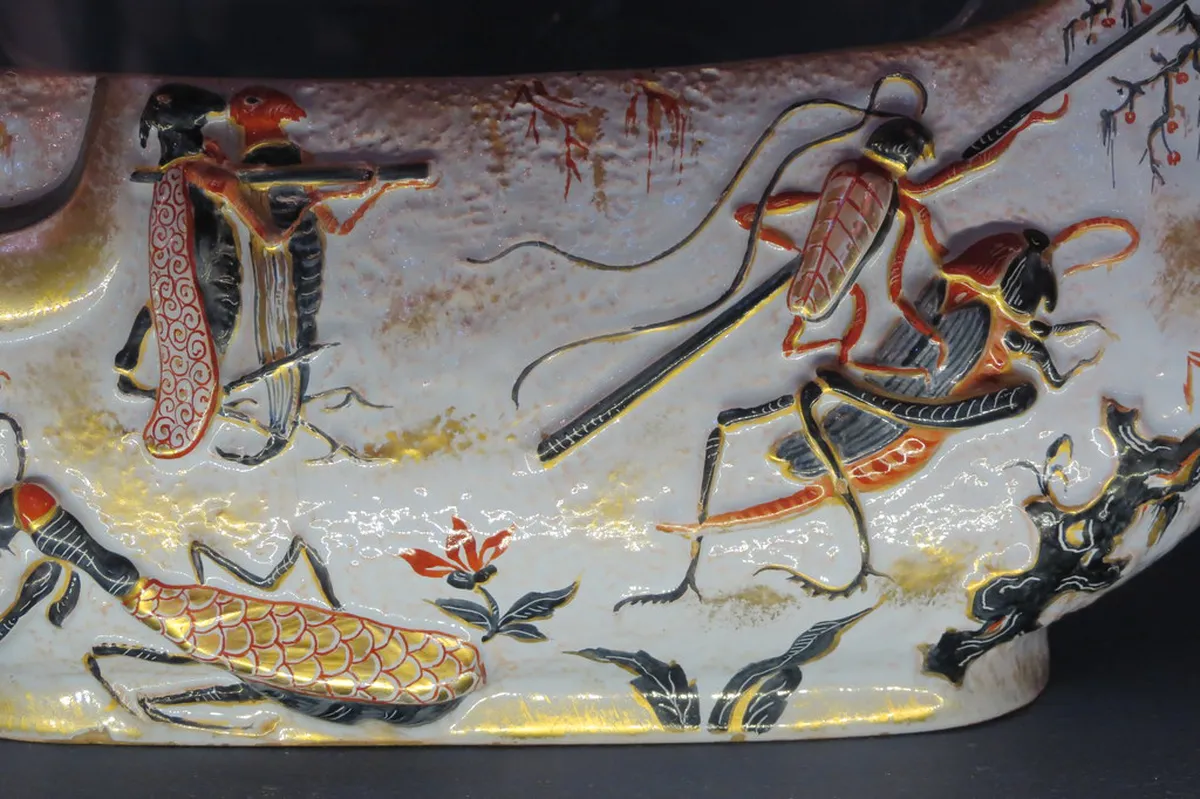
Nature was the primary source of inspiration for these artists. They studied local flowers, insects, and trees in great detail. The Lorraine thistle became a common symbol of regional pride. These motifs appeared on everything from glass to stone.
Dragonflies and butterflies were also popular themes in their work. Artists used these creatures to represent fragility and change. This symbolism added deep meaning to every decorative object. It was more than just decoration for the wealthy.
Materials played a huge role in expressing these natural themes. Glassmakers used layered techniques to mimic real flower petals. Ironworkers hammered metal into the shape of climbing vines. This dedication to craft made the movement unique in Europe.
The artists often used the phrase "my root is deep." This referred to their connection to the local landscape. They avoided copying styles from ancient Greece or Rome. Instead, they looked at the weeds in their own gardens.
Exploring the Saurupt District and Beyond
The Parc de Saurupt contains some of the best villa designs. This residential area was planned as a garden city. You can see various styles ranging from Art Nouveau to Deco. It is a quiet place for an architectural walk.
Visit the Parc de Saurupt villas to see these unique homes. Many are private residences, so please respect the owners. The gate of the park is a masterpiece of ironwork. It sets the tone for the beautiful streetscape.
Beyond the villas, check out the city's religious architecture. Some churches in Nancy feature Art Nouveau elements in their windows. These details show how the movement touched all of life. It was a truly holistic approach to design.
The movement also influenced the design of local shops. You can see Art Nouveau facades on several pharmacies downtown. These small details make Nancy feel like an open-air museum. Every corner holds a small surprise for observant visitors.
Artistic Legacy and Modern Preservation
The movement eventually faded after World War I began. However, its influence lived on in later Art Deco styles. Nancy remains committed to preserving these historic treasures today. Many buildings have undergone extensive renovations in recent years.
The city offers a Nancy architecture walking tour for all visitors. This route connects the most important sites across town. It provides historical context for each building and artist. You can download maps or hire a guide.
Preservation efforts ensure that 2025 visitors see the original colors. Experts use traditional techniques to repair glass and woodwork. This care keeps the spirit of the movement alive. The city continues to be a site for art lovers.
Modern designers still look to Nancy for floral inspiration. The movement's focus on nature remains very relevant today. It reminds us to find beauty in our surroundings. Nancy stands as a monument to this creative era.
Frequently Asked Questions
Who founded the Ecole de Nancy movement?
Emile Gallé founded the group officially in 1901. He worked with other artists like Louis Majorelle and Daum. They wanted to promote Art Nouveau in Lorraine. Their work focused on nature and high-quality craftsmanship.
What is the best museum for Art Nouveau in Nancy?
The Musée de l’Ecole de Nancy is the top choice. It is located in a historic villa with gardens. You can see furniture, glass, and textiles in context. It offers a complete look at the movement's history.
Is the Villa Majorelle open to the public?
Yes, the Villa Majorelle is open for guided tours. It is best to book your tickets online. The interior was recently restored to its 1902 appearance. It is a highlight of any trip to Nancy.
What symbols are common in the Ecole de Nancy style?
The thistle of Lorraine is a very common symbol. You will also see dragonflies, ginkgo leaves, and hogweed. These plants and insects represent the local natural environment. They were used to create organic, flowing designs.
The Ecole de Nancy movement remains a vital part of French history. Its focus on nature and craftsmanship created a unique city. You should visit Nancy in 2025 to see these wonders. Plan your trip today to experience this artistic legacy firsthand.
Key Takeaways
- The movement was founded by Emile Gallé in 1901.
- Nature and local flora were the main inspirations.
- The Villa Majorelle is a masterpiece of residential design.
- Nancy is a world-renowned center for Art Nouveau architecture.
- The movement sought to blend fine art with industry.