
Explore the Iconic Parc de Saurupt Villas in Nancy
Discover the stunning Parc de Saurupt villas in Nancy. Learn about Art Nouveau history and plan your 2025 architectural tour with our expert guide. Read more!
On this page
Discover the stunning beauty of the Parc de Saurupt villas during your next visit to Nancy, France. This neighborhood showcases some of the finest French architectural history from the early twentieth century. Visitors can explore a unique mix of Art Nouveau and Art Deco styles today. You will find these treasures just south of the vibrant city center of Nancy. The area offers a quiet escape for those who appreciate fine historical building designs.
The Parc de Saurupt villas represent a unique shift in French residential design and urban planning. This residential district remains one of the most significant architectural sites in the Lorraine region. It serves as a living testament to the creative Ecole de Nancy movement that defined this city. Most travelers enjoy walking through these peaceful streets to photograph the intricate stone carvings. You can easily spend an entire afternoon admiring the diverse details on every house.
Origins of the Saurupt Garden City
The Parc de Saurupt villas began as an ambitious residential project in the early year of 1901. Developers envisioned a gated community that would provide luxury homes for the local wealthy elite classes. They hired famous architects to create a modern garden city within the growing urban landscape. This plan originally included eighty-eight distinct properties surrounded by lush private parks and wide boulevards. You can still see the remnants of this grand vision in the neighborhood today.
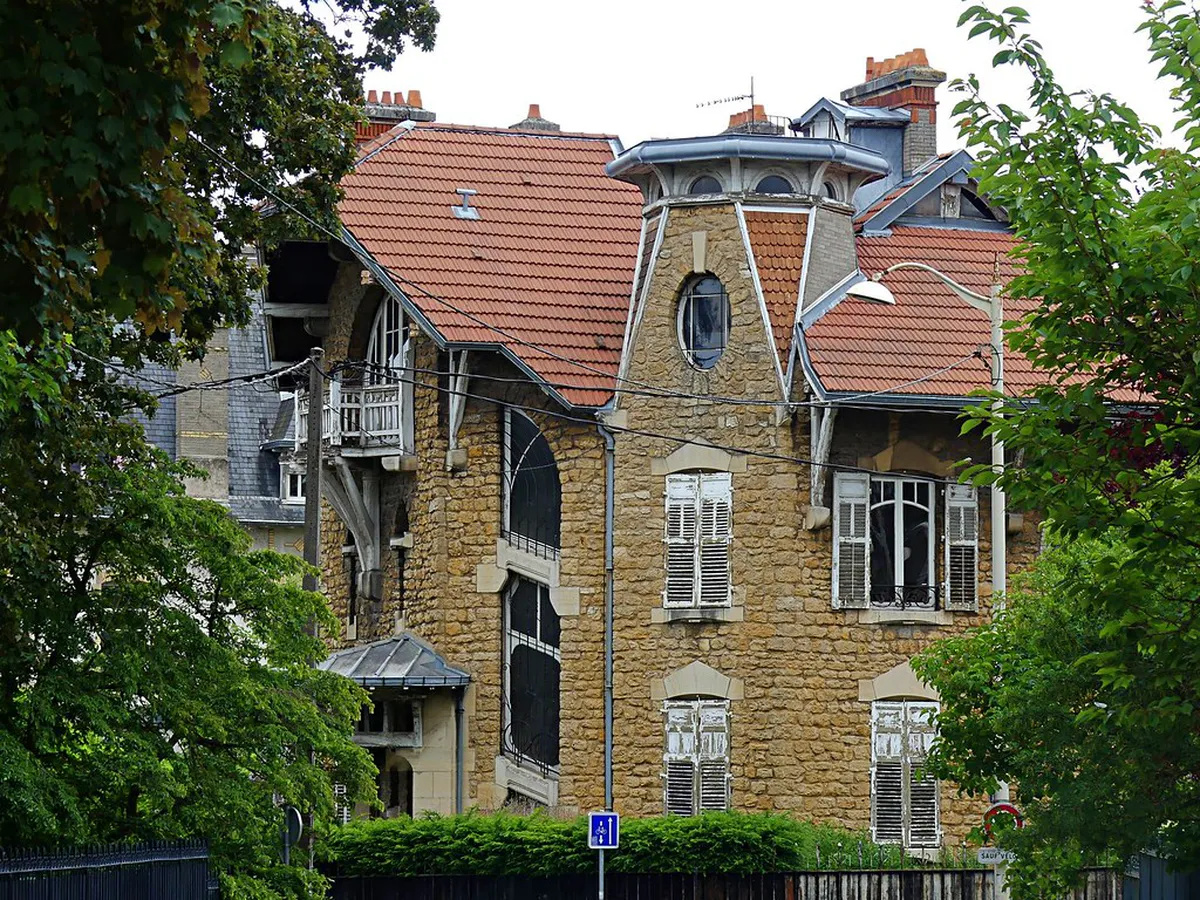
Economic realities soon forced the developers to scale back their massive plans for the Saurupt district. Only six of the original grand villas were completed before the project underwent significant financial changes. These initial homes represent the peak of floral Art Nouveau design within the architecture in Nancy today. Each building features unique natural motifs like lilies, poppies, and twisting vines carved into stone. These details highlight the craftsmanship that local artisans brought to every single residential project.
The park eventually lost its gates and became a public part of the city of Nancy. This transition allowed for a wider variety of architectural styles to be built in later years. You will notice that newer homes in the area follow more restrained and geometric design principles. Despite these changes, the neighborhood maintains a cohesive feeling of elegance and historical importance. It remains a must-visit location for anyone interested in the development of modern European housing.
Evolution of Architectural Styles in Saurupt
The Parc de Saurupt villas offer a fascinating look at the shift between two major design eras. You will see how flowing organic shapes gradually gave way to much sharper geometric patterns here. This Art Deco transition in Saurupt happened as tastes changed after the First World War. Architects began to favor simplicity and symmetry over the heavy ornamentation of the previous decade. This stylistic evolution makes the neighborhood a perfect classroom for students of historical design.
Walking through the district allows you to compare the early villas with the later construction projects. The first houses feature rounded windows and elaborate ironwork inspired by the natural world around them. Later additions show the influence of the modern movement with clean lines and flat roof surfaces. Many houses built in the 1920s use concrete and brick in very innovative and creative ways. These structures provide a stark but beautiful contrast to the limestone facades of the older homes.
Local architects like Jules Cayette contributed many beautiful designs to this evolving residential landscape in Nancy. Their work bridge the gap between traditional craftsmanship and the emerging modern aesthetics of the new century. You might notice how the use of stained glass changed from floral scenes to abstract shapes. Even the door handles and balcony rails reflect the changing artistic moods of the French people. These small details tell a larger story about the cultural history of the Lorraine region.
Famous Parc de Saurupt Villas to Visit
The Villa Les Roches is perhaps the most famous example of the original grand plans for Saurupt. Architect Emile Andre designed this masterpiece in 1902 with a focus on dramatic stone and woodwork. It features a stunning corner tower that looks like it belongs in a fairytale forest setting. The windows are framed with intricate carvings that mimic the natural shapes of local plants and flowers. You can find this iconic building at the corner of the Rue des Brice.
Another essential stop on your tour is the Villa Lang, which represents the later architectural styles. This building shows a move toward the Art Deco style with its more structured and orderly facade. It still retains a sense of luxury through its high-quality materials and very careful proportions. The villa stands as a reminder of how the neighborhood continued to attract wealthy and stylish residents. Many people consider it one of the most elegant examples of post-war design in the city.
Do not miss the Villa Marguerite, which sits nestled among the mature trees of the historic park. This house features a beautiful wooden gallery that overlooks the surrounding gardens and quiet residential streets. Its design emphasizes the connection between the indoor living spaces and the natural world outside the walls. Many of these villas remain private residences today, so please respect the privacy of the current owners. You can still appreciate the incredible exterior details from the public sidewalks and walking paths.
Planning Your 2025 Neighborhood Visit
Visiting the Parc de Saurupt villas in 2025 is a great way to explore Nancy. The neighborhood is located about twenty minutes away from the city center by foot or tram. You should start your walk at the Place de la Republique and head south toward the park. Most visitors prefer to visit during the morning hours when the light is best for photography. The streets are generally quiet, allowing you to walk at your own comfortable and relaxed pace.
You do not need to pay any entrance fees to walk through this historic residential district. Since the villas are private homes, you can enjoy the architecture for free from the public street. Consider bringing a map or a digital guide to help identify the most important historical houses. A Nancy architecture walking tour often includes this area as a major highlight for visitors. Make sure to wear comfortable shoes because you will be walking on some uneven stone surfaces.
The best time to see the villas is during the spring or early autumn months of 2025. During these seasons, the garden foliage complements the architectural details without completely blocking your view of the houses. The blooming flowers in May often match the floral carvings found on many of the Art Nouveau facades. Autumn brings golden colors that look beautiful against the warm limestone used in most of the buildings. Avoid visiting during heavy rain, as the stone details can be harder to see clearly then.
Practical Tips for Architecture Lovers
If you want to learn more about the local style, visit the Musee de l'Ecole de Nancy nearby. This museum is located in a former villa and houses an incredible collection of period furniture. It provides the perfect context for understanding the interiors of the Parc de Saurupt villas you see. The museum is only a fifteen-minute walk from the heart of the Saurupt residential neighborhood. Combining these two sites makes for a very complete and educational day of architectural exploration.
Photography is encouraged throughout the public areas of the Saurupt neighborhood for all visiting tourists. However, you should avoid using large tripods that might block the narrow sidewalks for local residents. Be mindful of the light, as the narrow streets can create deep shadows during the late afternoon. Many photographers find that the details are easiest to capture on slightly overcast or cloudy days. You will want a lens that can handle both wide street views and close-up carvings.
- Transportation: Take Tram Line 1 to the Jean Jaures stop for the easiest access.
- Timing: Allow at least two hours to walk the main streets of the district thoroughly.
- Privacy: Please stay on the public sidewalks and do not enter any private garden gates.
- Resources: Visit the local tourism office for a detailed map of the historical villa locations.
Frequently Asked Questions
Can you go inside the Parc de Saurupt villas?
Most of the Parc de Saurupt villas are private residences today and are not open to the public. You can admire their stunning exteriors and garden designs from the public sidewalks and streets. A few villas may occasionally open for special heritage days throughout the year in France.
How far is Parc de Saurupt from the city center?
The neighborhood is located approximately 1.5 kilometers south of the main Nancy train station and city center. You can reach the area with a pleasant twenty-minute walk or a short five-minute tram ride. It is a very accessible destination for most travelers visiting the city of Nancy.
Is there a cost to visit the Saurupt district?
There is no cost to walk through the Saurupt district and view the historic villas from the street. It is a public residential neighborhood that functions as a free open-air museum of French architecture. You only need to pay if you decide to join a professional guided tour.
The Parc de Saurupt villas remain a hidden gem for anyone visiting the beautiful city of Nancy in 2025. These homes tell a rich story of artistic change and urban development at the turn of the century. You will leave the neighborhood with a deeper appreciation for the beauty of French residential design history. Make sure to include this district on your next travel itinerary to the Lorraine region of France. Explore more historical sites by checking out our guide to the central city architecture today.
Key Takeaways
- The neighborhood features a unique transition from Art Nouveau to Art Deco styles.
- Most villas are private, so viewing is limited to the public street facades.
- The area is easily accessible from central Nancy via tram or a short walk.
- Spring and autumn are the best times for photography and comfortable walking tours.
- The Villa Les Roches is a primary highlight of the early 1900s design period.
Related reads: architecturebycity.com.