
Visit Musée de l'École de Nancy in 2025
Explore the Musée de l'École de Nancy in 2025. Discover stunning Art Nouveau furniture and glasswork in this historic French villa. Plan your museum trip today!
On this page
The Musée de l'École de Nancy stands as a premier cultural destination for art lovers visiting eastern France today. This unique institution is the only French museum entirely dedicated to the innovative and beautiful Art Nouveau movement. You will find it located within the former residence of Eugène Corbin, who was a prominent local patron. Visitors can explore a vast collection of furniture, glasswork, and ceramics that highlight the city's rich creative history.
History of the École de Nancy Movement
The museum celebrates the groundbreaking Ecole de Nancy movement which redefined decorative arts across Europe. This group formed in 1901 under the leadership of famous glass artist Émile Gallé and several other craftsmen. They sought to bring beauty into every household object by using natural forms as their primary design inspiration. Their collaborative efforts turned Nancy into a world-famous center for artistic innovation during the Belle Époque era.
The site itself was originally the private estate of Eugène Corbin, a wealthy businessman and passionate art collector. Corbin played a vital role in supporting local artists by purchasing their works and commissioning new architectural projects. He eventually donated his significant collection to the city to ensure the movement's legacy would be preserved forever. This generous gift formed the foundation of the museum when it finally opened its doors to the public.
Architects and designers worked closely together to create a unified aesthetic for the entire city of Nancy during 1900. They believed that art should not be confined to galleries but should exist in every corner of daily life. This philosophy led to the creation of beautiful buildings, furniture, and even botanical gardens throughout the Lorraine region. You can still see this incredible attention to detail in every room of the historic museum building today.
The movement eventually faded after World War I as modern industrial styles began to dominate the global design market. However, the influence of these early pioneers remains visible in many modern decorative techniques and organic architectural forms. The museum serves as a critical link to this golden age of French craftsmanship and artistic expression. It continues to inspire new generations of designers who visit from all over the world to see the exhibits.
Preserving these works requires constant care and specialized knowledge from expert restorers at the museum and local universities. Many pieces in the collection are extremely delicate and react to changes in light, temperature, and atmospheric humidity. The curators work tirelessly to maintain the original appearance of the house and its valuable historical contents for visitors. Their efforts ensure that the beauty of the movement remains accessible for everyone to enjoy in 2025.
Masterpieces of Art Nouveau Furniture
One of the most impressive features of the collection is the furniture designed by the famous Louis Majorelle. His elegant pieces are known for their fluid lines and the expert use of expensive woods like mahogany. You can see more of his influential work by visiting the nearby Villa Majorelle after your tour. His designs often incorporate delicate bronze fittings and intricate marquetry that represent the peak of French woodworking skill.
The museum displays a complete dining room suite created by Eugène Vallin for the Corbin family in the 1900s. This installation is a perfect example of a total work of art where every element works together in harmony. The leather-bound chairs, heavy wooden table, and carved ceiling panels create a truly immersive atmosphere for every visitor. It shows how the wealthy elite of the city lived during this period of great artistic growth and wealth.
Émile Gallé also contributed several unique pieces of furniture that highlight his deep fascination with the natural world. His famous Dawn and Dusk bed features elaborate wood carvings of butterflies and various flowers in different blooming stages. These pieces demonstrate how furniture can function as both a practical household object and a profound work of art. The craftsmanship required to produce such detailed work remains almost impossible to replicate with modern industrial machinery today.
Key furniture highlights include:
- The massive carved fireplace in the main salon
- The intricate marquetry on the study desks
- Hand-painted decorative panels in the bedrooms
- Custom-made light fixtures with organic motifs
Visitors are often surprised by the weight and scale of these historical objects when viewed up close in person. The furniture was designed to be sturdy yet elegant, reflecting the dual nature of the Art Nouveau design philosophy. Each piece tells a story about the owner's taste and the artist's technical mastery over their chosen materials. You will gain a deep appreciation for the patience required to create such stunning examples of fine cabinetry.
Stunning Glasswork and Ceramics Gallery
The museum holds an exceptional collection of glasswork produced by the legendary Daum brothers and the creative Émile Gallé. These artists invented new techniques to manipulate glass, creating layers of color and texture that had never been seen. Their vases often feature images of local plants, insects, and landscape scenes that evoke a strong sense of place. This gallery is a highlight for anyone interested in the history of industrial design and fine art glass.
Gallé was particularly famous for his cameo glass, which involved layering different colors and etching away the surface layers. This process created three-dimensional effects that brought his floral and poetic designs to life in a unique way. Many of his pieces include inscriptions of French poetry, adding a literary dimension to his already beautiful visual work. He truly believed that every object should convey a message and stir deep emotions in the viewer.
The Daum collection showcases the development of pate de verre, a glass-casting technique that results in a frosted appearance. This method allowed for even more complex shapes and a softer color palette than traditional glass blowing could achieve. You can see how the studio transitioned from making functional glassware to creating purely decorative and highly artistic sculptures. Their work remains some of the most sought-after glass in the international art market for collectors today.
Major glass techniques on display:
- Traditional acid etching and wheel engraving
- Experimental layers of metal foil and bubbles
- Innovative use of colored glass powders
- Complex multi-layered cameo glass carvings
Ceramics are also well-represented in the museum with works by artists like Victor Prouvé and the Mougin brothers. These pieces often feature the same organic themes found in the glass and furniture collections throughout the entire house. The glazes used on these pots and statues are often experimental, showing the movement's focus on technical exploration. Seeing these objects together helps you understand the cohesive vision shared by the artists of the Nancy school.
The Enchanting Art Nouveau Garden
The exterior of the museum is surrounded by a beautiful landscape that follows Art Nouveau garden design principles. This outdoor space was intended to be a living library for the artists who lived and worked in Nancy. Many of the flowers you see in the beds were used as direct models for the glass and woodwork. The garden provides a peaceful and colorful transition between the busy city streets and the quiet museum interior.
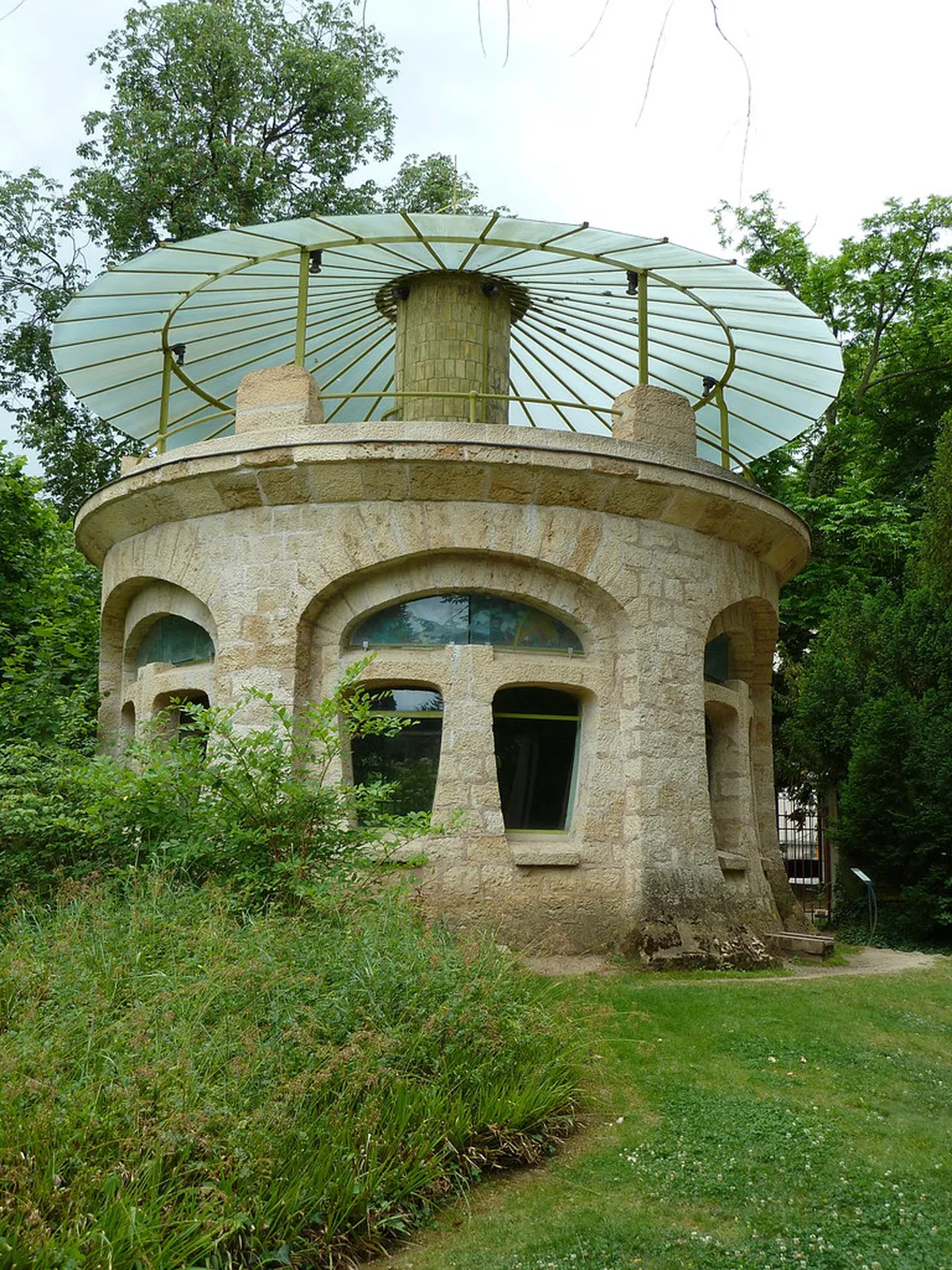
You will find several interesting architectural features scattered throughout the well-maintained lawns and winding gravel paths of the estate. The most famous is the circular aquarium pavilion, which features beautiful stained glass windows and carved stone decorations. It was designed to house aquatic plants and fish, reflecting the movement's deep interest in biology and water. This small structure is a rare surviving example of Art Nouveau garden architecture in the Lorraine region.
The garden also features a funerary monument designed by the artist Victor Prouvé for the family of the patron. This inclusion shows that the Art Nouveau style was applied to all aspects of life and even into death. The monument integrates seamlessly with the surrounding trees and shrubs to create a space for quiet and solemn reflection. It is a powerful reminder of the movement's goal to bring beauty to every human experience possible.
Seasonal changes bring different colors and moods to the garden throughout the year for all of the local visitors. In spring, the blooming flowers match the vibrant colors found on the vases inside the main gallery of the museum. Fall brings a more somber and poetic atmosphere as the leaves change to match the tones of the furniture. We recommend spending at least thirty minutes exploring the outdoor paths to fully appreciate the setting of the house.
Restoration work on the garden is an ongoing process to ensure that the plant species remain historically accurate today. Botanists work with historians to find the specific varieties of lilies and hydrangeas that were popular in the 1900s. This dedication to detail makes the garden a vital part of the museum's educational mission and its charm. It remains a favorite spot for photographers looking to capture the essence of the city's artistic heritage.
Exploring the Local Saurupt Neighborhood
After you finish your tour of the museum, you should take a walk through the surrounding historic residential area. The museum is located very close to the famous Parc de Saurupt villas which feature amazing architecture. This neighborhood was designed as a gated community of Art Nouveau homes for the wealthy elite of the city. Each house has its own unique personality and features beautiful ironwork and colorful ceramic tiles on the facades.
Walking through these streets allows you to see how the artistic movement was applied to private residential architecture directly. You will notice that no two houses look the same because each architect had a very different creative vision. Look for the fluid window shapes and the ornate doorways that are typical of the local Nancy architectural style. Many of these buildings are still private homes, so please be respectful while you are taking your photos.
The neighborhood provides a wonderful context for the objects you just saw inside the museum during your recent tour. You can see how the furniture and glass would have looked in their original intended domestic and social settings. It is like walking through an open-air museum that spans several city blocks in this quiet part of town. This area is much less crowded than the main tourist center near the train station or the squares.
There are several small cafes and bakeries nearby where you can stop for a quick snack or a coffee. These local businesses often occupy historic buildings and retain some of their original decorative features from the turn of the century. It is a great way to experience the daily life of Nancy while continuing your architectural exploration of the city. The walk back toward the city center is mostly flat and very easy for most visitors to navigate.
Many of these villas were saved from destruction in the late twentieth century by local activists and historic preservation groups. Today, they are protected as part of the city's cultural heritage and are highly valued by the local residents. Seeing these homes reminds us of the importance of preserving beautiful architecture for future generations of art lovers. The Saurupt district remains one of the most charming and visually interesting parts of Nancy to visit.
Planning Your Musée de l'École de Nancy Visit
To make the most of your trip, we recommend booking a spot on a Nancy architecture walking tour early. These guided experiences often include the museum as a primary stop and provide deep historical context for the exhibits. Most tours are led by local experts who can point out small details you might miss on your own. It is the best way to understand the complex history of the city and its artists.
The museum is open from Wednesday to Sunday, usually between the hours of 10:00 AM and 6:00 PM today. It is important to note that the museum is always closed on Mondays and Tuesdays for cleaning and maintenance. Standard adult tickets currently cost seven euros, with various discounts available for students, seniors, and large visiting groups. Check the official website for any special holiday closures or extended evening hours during the busy summer season.
Getting to the museum is quite simple using the efficient local public transportation system from the main train station. You can take the tram line or several bus routes that stop just a short walk from the entrance. If you prefer to walk, it takes about twenty minutes from the famous Place Stanislas through the city streets. The route is well-marked with signs pointing the way toward the major cultural and historic sites of interest.
Photography is generally allowed inside the museum, but you must turn off your flash to protect the delicate objects. There is a small but excellent gift shop located near the entrance that sells books, postcards, and unique souvenirs. You can find high-quality reproductions of some of the glasswork and jewelry pieces from the permanent collection there. It is a great place to find a special gift for the art lovers in your family.
The museum also hosts temporary exhibitions and special workshops throughout the year for visitors of all different ages and interests. These events often focus on specific artists or techniques related to the Art Nouveau movement and its lasting global influence. We suggest checking the local cultural calendar before your visit to see if any special events are happening then. Visiting during an exhibition can provide a much deeper look into specific aspects of the historic art movement.
Frequently Asked Questions
How much does a ticket to the Musée de l'École de Nancy cost in 2025?
A standard adult ticket for the museum currently costs seven euros per person for a full day of access. Reduced rates of four euros are available for students and large groups with valid identification at the door. You should check the official city website for the most current pricing before you start your trip.
Is the Musée de l'École de Nancy far from Place Stanislas?
The museum is located about 1.5 miles away from the Place Stanislas UNESCO ensemble in the city center. It takes approximately twenty to twenty-five minutes to walk between these two major cultural and historic landmarks. You can also reach the museum in less than ten minutes by using the local tram or bus.
Are guided tours available in English at the museum?
Yes, the museum offers guided tours in several languages, including English, for international visitors throughout the busy year. These tours usually require advance booking through the museum's website or the local tourism office in the center. Audio guides are also available at the front desk for those who prefer to explore at their own pace.
Is the museum accessible for people with mobility issues?
The ground floor and the beautiful gardens are fully accessible for visitors using wheelchairs or those with limited mobility. There is an elevator available to reach the upper floors of the historic villa where more exhibits are located. Staff members are always ready to assist visitors who need extra help navigating the various rooms and galleries.
Can I visit the garden without buying a ticket for the museum?
Access to the Art Nouveau garden is included with your museum ticket and is not sold as a separate entry. However, the ticket price is very reasonable and covers both the interior galleries and the entire outdoor estate area. The garden is an essential part of the museum experience that you should not miss during your visit.
The Musée de l'École de Nancy offers a truly unforgettable journey into the heart of the Art Nouveau movement. From the stunning furniture to the delicate glasswork, every room tells a story of incredible French artistic innovation. Plan your visit to this cultural gem in 2025 to discover why Nancy remains a world capital of design. You will leave with a deep appreciation for the beauty of nature and the skill of master craftsmen.
Key Takeaways
- The museum is the only one in France dedicated entirely to the Art Nouveau style.
- Top highlights include furniture by Louis Majorelle and glasswork by the famous Daum brothers.
- The historic Art Nouveau garden is a living library of plants that inspired the local artists.
- Located in the Saurupt district, it is surrounded by stunning residential villas from the same era.
- Tickets are affordable at seven euros, with free admission offered on the first Sunday of every month.
Related reads: architecturebycity.com, architecture in nancy, nancy ville vieille architecture.