
Emmanuel Héré Urban Design in Nancy
Explore the genius of Emmanuel Héré urban design in Nancy. Discover the Place Stanislas UNESCO ensemble and plan your historic 2025 visit today.
On this page
Nancy stands as a masterpiece of 18th-century European planning. The city owes its stunning visual harmony to Emmanuel Héré urban design. He transformed a messy space into a royal landscape for King Stanislas. This project remains the most celebrated architectural achievement in Eastern France today.
Visitors in 2025 will still find these squares in pristine condition. The master plan seamlessly connects the medieval city with the newer districts. Héré focused on symmetry and elegance to impress every passing visitor. His work is the reason Nancy holds such high global prestige.
This guide explores how Héré shaped the city we see now. We will look at the famous Place Stanislas UNESCO ensemble and its history. You will learn about the clever techniques used to create this beauty. Prepare to walk through one of the finest urban layouts ever built.
The Architect Behind Nancy's Golden Age
Emmanuel Héré was the personal architect for the exiled King of Poland. Stanislas Leszczynski wanted to leave a lasting legacy in his new home. He commissioned Héré to design a square that honored King Louis XV. This partnership resulted in the legendary Emmanuel Héré urban design we admire today.
The architect was born and raised right in the heart of Nancy. He understood the local materials and the regional climate very well. This knowledge allowed him to choose stones that aged with grace over centuries. He combined French classicism with the light touches of the Rococo style.
Héré worked closely with other masters like the ironworker Jean Lamour. Their collaboration brought a sense of unified artistry to the entire city center. Every building facade was designed to complement the next one perfectly. This level of detail made the city a model for European urbanism.
During the mid-1750s, the construction projects completely revitalized the local economy. Thousands of workers and artisans contributed to these massive royal building sites. Héré managed these teams with great skill and a clear artistic vision. He turned a swampy gap between towns into a beautiful urban bridge.
The result was a series of spaces that felt both grand and welcoming. People still gather in these squares to enjoy the unique atmosphere today. Emmanuel Héré urban design proved that royal architecture could serve the public good. His influence still echoes through the streets of modern-day Nancy.
The Layout of the UNESCO Ensemble
The core of the city features three interconnected public squares. These squares form the famous Place Stanislas UNESCO ensemble of the 18th century. Héré designed them to flow into each other along a central axis. This creates a rhythmic experience for anyone walking through the historic center.
The largest space is the Place Stanislas, which acts as the main stage. It is surrounded by the City Hall and other administrative grand buildings. The architecture uses the Corinthian order to show off royal power and wealth. Every window and balcony follows a strict and harmonious geometric pattern.
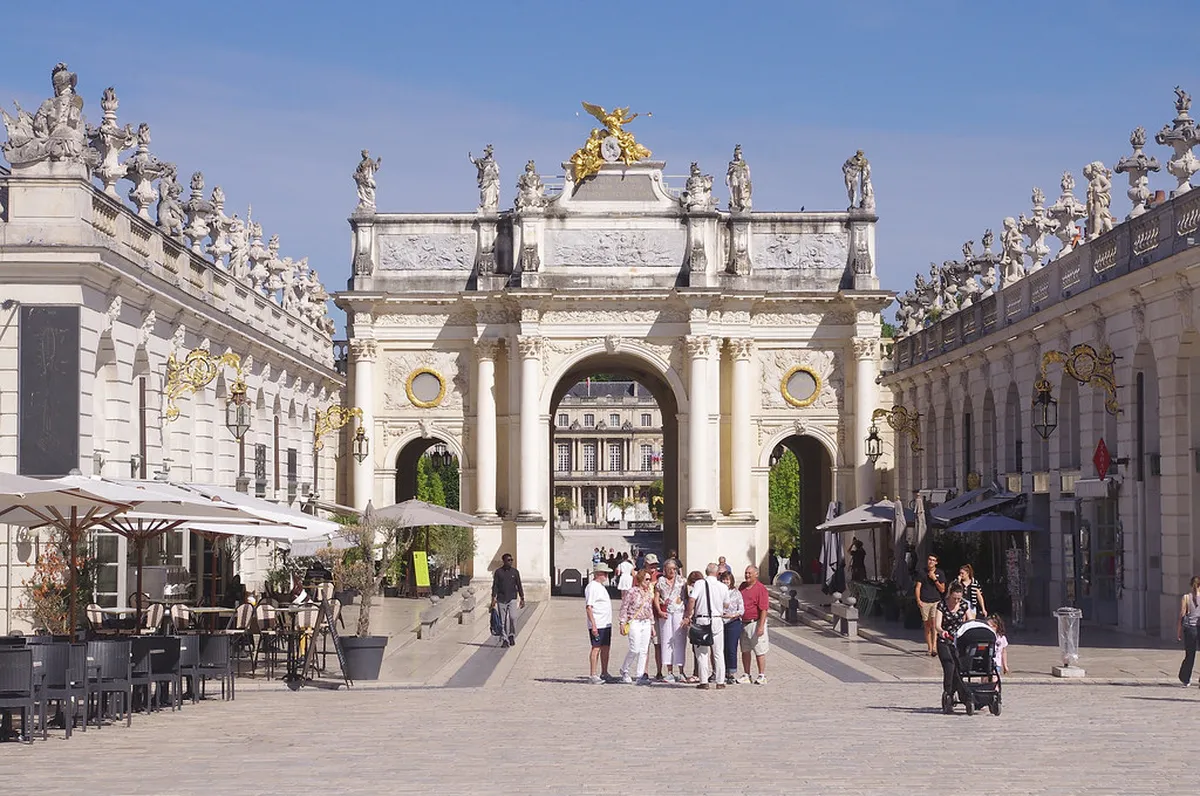
Next is the Héré Arch, which provides a gateway to the second square. This triumphal arch celebrates the peace and prosperity of the French kingdom. It sits on the site of the old city walls and gates. Passing through it feels like entering a different era of architectural history.
Beyond the arch lies the Place de la Carrière architecture which is much narrower and longer. Double rows of lime trees once provided shade for the king's carriages here. The buildings on this square have a more sober and uniform appearance. They lead the eye toward the impressive Governor's Palace at the far end.
The third part of the ensemble is the quiet Place d’Alliance nearby. This square is smaller and offers a more intimate and peaceful setting. It features a beautiful fountain that commemorates the treaty between France and Austria. Together, these three spaces form a perfect example of balanced urban planning.
Innovative Design Tactics Used by Héré
Héré faced several major challenges when he started his work in Nancy. The terrain between the old and new towns was uneven and swampy. He used innovative drainage systems to stabilize the ground for heavy stone buildings. These technical solutions are hidden beneath the beautiful paving we see today.
He also used visual tricks to make the squares appear more massive. The height of the buildings was carefully calculated to match the open space. This creates a sense of enclosure that feels comfortable rather than overwhelming. Emmanuel Héré urban design mastered the art of human-scale royal grandeur.
The use of wrought iron was another tactical choice for the architect. Heavy stone walls would have blocked the views between the different city areas. Transparent gates allowed the city to breathe while still defining the square's borders. These gates are famous for their gold leaf and intricate floral designs.
Héré integrated the surrounding nature into his urban plans quite masterfully as well. He ensured that gardens and parks were always within a short walking distance. The Pépinière Park was originally a royal nursery for the city's street trees. This greenery provides a soft contrast to the hard stone of the buildings.
The lighting of the squares was also a key part of the design. Héré positioned the buildings to catch the sunlight during the late afternoon hours. Even today, the stone glows with a warm honey color as the sun sets. This atmospheric effect makes the architecture feel alive and constantly changing.
The Symbolic Meaning of the Architecture
Every element in the squares was chosen to convey a specific message. The central statue of Louis XV was once the focal point of design. It represented the loyalty of Stanislas to the French king and crown. Today, a statue of Stanislas himself stands in that very same spot.
The ornate fountains depict Greek gods like Neptune and the goddess Amphitrite. These figures symbolize the power of the state over the natural elements. They add movement and sound to the otherwise static stone environments nearby. Water flows gracefully over lead statues that have survived for many centuries.
The ironwork by Jean Lamour features the royal lilies of the French monarchy. These motifs are woven into the fences and the many balconies above. They remind every citizen of the royal protection they enjoyed during that era. The gold accents highlight the most important parts of the visual composition.
Even the paving stones were laid in patterns that directed pedestrian traffic. Héré wanted the city to be functional as well as beautiful for everyone. The layout encouraged people to meet, talk, and conduct their daily business. This social aspect is a vital part of Emmanuel Héré urban design.
The buildings themselves housed the theater, the academy, and various government offices. By placing these together, Héré made Nancy a center of Enlightenment culture. The architecture reflected the intellectual ambitions of King Stanislas and his court. It remains a physical map of 18th-century philosophy and art.
Visiting Nancy's Architecture in 2025
Traveling to Nancy in 2025 is a treat for any architecture enthusiast. The city center is mostly pedestrianized, making it very easy to explore. You can walk from one end of the UNESCO site to another. Start your morning at a cafe in the main square for views.
Most of the historic sites are free to visit and open daily. The City Hall often hosts exhibitions in its grand ground-floor rooms. You can see the grand staircase which is a masterpiece of Héré's style. Be sure to bring a camera for the incredible evening light.
Consider booking a Nancy architecture walking tour for the best experience. Local guides can point out small details that most tourists often miss. They can explain the symbols hidden in the ironwork and the fountains. These tours usually last about two hours and are quite affordable.
- Place Stanislas: Free access, best visited at sunrise or late night.
- Héré Arch: Located between the two main squares, perfect for photos.
- Musée des Beaux-Arts: Located on the square, entry costs about 10 Euros.
- The Pépinière Park: A great spot for a picnic after your tour.
The best time to visit Nancy is during the late spring. The flowers in the squares are in full bloom by May. Autumn also offers beautiful colors that match the yellow stone of buildings. Winters are cold but the holiday lights make the squares look magical.
Frequently Asked Questions
What is unique about Emmanuel Héré urban design?
His design is unique because it perfectly connects a medieval town with a modern city. He used three distinct squares to create a sense of movement. The integration of gold-leaf ironwork and stone is unmatched in Europe. It remains one of the best examples of pre-modern urban planning.
Why is the Place Stanislas UNESCO ensemble protected?
UNESCO protects this site because it is an exceptional example of Enlightenment architecture. It represents a moment where urban design focused on beauty and public utility. The ensemble has remained largely unchanged since the mid-18th century. It serves as a global standard for harmonious city development and art.
Is Nancy a good destination for an architecture tour in 2025?
Yes, Nancy is a premier destination for architecture lovers in 2025. It offers a rare mix of 18th-century Baroque and late 19th-century Art Nouveau. The city is very walkable and has many high-quality museums and galleries. You can see centuries of design evolution within just a few blocks.
The Emmanuel Héré urban design legacy continues to define Nancy's unique character. His vision created a city that is both grand and deeply human. Whether you admire the ironwork or the stone facades, the quality is clear. Plan your visit to Nancy in 2025 to experience this masterpiece yourself. Do not miss the chance to see this historic UNESCO world heritage site in person.
Key Takeaways
- Emmanuel Héré was a master of 18th-century urban planning and royal design.
- The Place Stanislas ensemble connects three beautiful squares along a unified axis.
- Jean Lamour's gold-leaf ironwork is a defining feature of the Nancy landscape.
- The city is an easy day trip from Paris by high-speed train in 2025.
- Nancy offers a perfect blend of Baroque grandeur and welcoming public spaces.
Related reads: architecturebycity.com, architecture in nancy.