
Place de la Carrière Architecture: Nancy's Urban Gem
Explore the Place de la Carrière architecture within the Place Stanislas UNESCO ensemble. Learn about Nancy's urban design and book your 2025 tour today!
On this page
Place de la Carrière architecture is a masterpiece of Enlightenment planning. It connects the Old Town with the New Town in Nancy. This square belongs to the Place Stanislas UNESCO ensemble. It shows the transition from medieval chaos to neoclassical order.
The square serves as a majestic promenade leading to the Governor's Palace. Visitors in 2025 will find its proportions truly breathtaking. It remains one of the most significant urban spaces in Europe today. The area blends history with timeless French elegance.
Historical Evolution of Place de la Carrière Architecture
Stanislas Leszczynski commissioned this grand urban project in the eighteenth century. He was the former King of Poland and Duke of Lorraine. The square originally served as a training ground for knights and horses. The name Carrière refers to these early equestrian activities.
The new design focused on elegance and administrative power. Emmanuel Héré led the transformation of the medieval site. He replaced old structures with uniform neoclassical buildings. This created a sense of order and grandeur for the city.
The square served as a link between two distinct urban eras. It bridged the gap between the medieval streets and the new royal square. This spatial connection was a revolutionary idea in urban planning. It allowed for better movement and improved city aesthetics.
The transformation was completed between 1752 and 1755. It formed part of a larger plan to honor King Louis XV. Today, the square retains its historical integrity and charm. It is a vital part of Nancy's cultural identity.
Neoclassical Elements and Urban Layout
The Place de la Carrière architecture reflects Enlightenment values of symmetry. This rectangular square offers a tranquil atmosphere for all visitors. It measures approximately 290 meters in length and 50 meters wide. Four rows of clipped lime trees line the central promenade.
The buildings along the sides feature consistent heights and styles. They use the local yellow limestone typical of the Lorraine region. Ornate balconies and sculpted pediments decorate the elegant stone facades. These details showcase the refined taste of the eighteenth century.
Wrought iron gates stand at the entrances of the long square. These gates feature intricate gold leaf decorations and artistic motifs. They were created by the famous ironsmith Jean Lamour. These elements add a touch of luxury to the urban landscape.
The central walkway is perfect for a leisurely afternoon stroll. It provides excellent views of the surrounding architectural highlights. You can enjoy the shade under the perfectly maintained lime trees. This space feels both private and grand at the same time.
The Influence of Emmanuel Héré's Vision
The Emmanuel Héré urban design created a unified city center. He used perspective to draw the eye toward the Governor's Palace. His work balanced the scales of the different surrounding buildings. He successfully merged diverse architectural styles into one cohesive vision.
Héré designed the uniform facades to create visual harmony. He ensured that no single building dominated the open space. This approach was highly innovative for the mid-1700s era. It influenced urban planning across Europe for many decades.
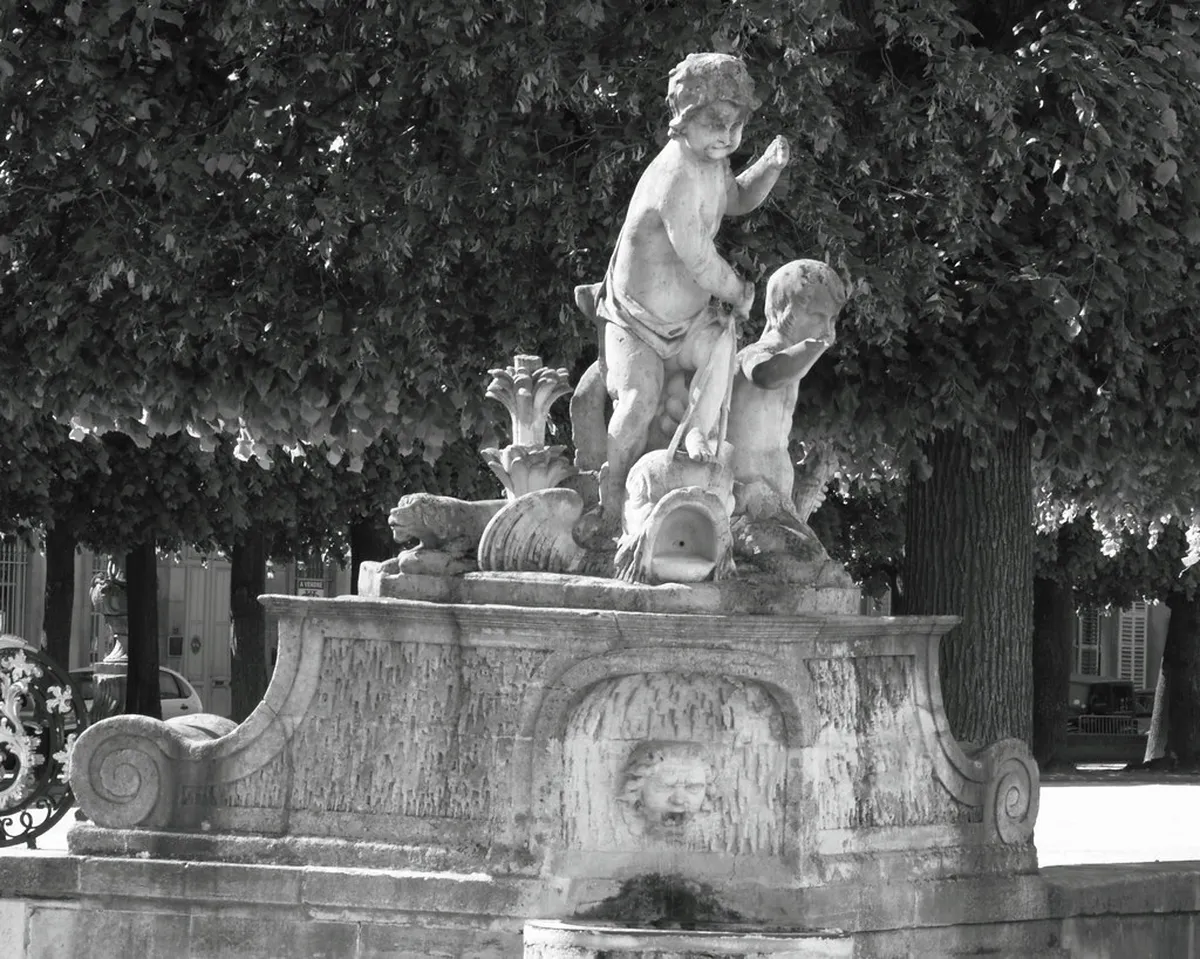
The architect also incorporated decorative fountains at the square's corners. These fountains feature mythological figures and classical water motifs. They provide a cooling effect during the warm summer months in Nancy. The sound of water adds to the peaceful environment.
Héré focused on the relationship between public space and private residences. The square serves as a front yard for the noble houses. It remains a prime example of successful urban integration today. The design feels modern despite being centuries old.
The Palais du Gouvernement and Hemicycle
The Palais du Gouvernement acts as a grand visual anchor. It stands at the northern end of the rectangular square. This building served as the seat of the French royal representative. It features an impressive facade with tall Ionic columns.
A semicircular colonnade, known as the Hemicycle, surrounds the palace front. This curved structure creates a sense of enclosure and intimacy. It mirrors the curves found in the nearby Place Stanislas design. The colonnade is decorated with statues and classical architectural ornaments.
The palace interior is occasionally open for special heritage days. It contains lavish rooms decorated in the Rococo and Neoclassical styles. The gardens behind the palace offer a quiet retreat from city life. They are part of the larger Pépinière Park complex.
The building represents the power and authority of the French crown. Its central position emphasizes the importance of the square's layout. Architecture enthusiasts will appreciate the fine stonework and precise proportions. It is a highlight of any visit to Nancy.
Planning Your Visit to Nancy in 2025
Visiting the square is free for all members of the public. It is located just steps away from the main tourist office. You can easily reach it on foot from the train station. Most visitors spend about one hour exploring the square's details.
Consider booking a Nancy architecture walking tour for expert insights. These tours often include access to hidden courtyards and private history. Guides can explain the subtle symbols hidden in the ironwork. This adds depth to your travel experience in France.
The best time for photography is during the early morning hours. The soft light highlights the golden tones of the limestone buildings. You will also find fewer crowds before the mid-day rush. Spring and autumn offer the most pleasant walking temperatures.
There are several small cafes located near the southern entrance. You can enjoy a coffee while admiring the historic views. Many shops in the area sell local crafts and delicacies. Nancy is famous for its bergamot candies and macarons.
Frequently Asked Questions
What architectural style is Place de la Carrière?
The square primarily features the Neoclassical style with Rococo decorative elements. It was designed to provide a sense of order and symmetry. The uniform facades and Ionic columns are classic Neoclassical traits. The wrought iron details often lean toward the Rococo style.
Who designed the Place de la Carrière architecture?
The square was designed by the French architect Emmanuel Héré. He worked under the patronage of Duke Stanislas Leszczynski. Héré was responsible for the entire UNESCO ensemble in Nancy. His vision transformed the city's urban landscape in the 1750s.
Is Place de la Carrière a UNESCO World Heritage site?
Yes, it has been a UNESCO site since 1983. It is part of a group including Place Stanislas and Place d'Alliance. UNESCO recognizes it as a unique example of Enlightenment urbanism. It is a well-preserved masterpiece of world architecture.
Can you visit the Palais du Gouvernement?
The palace is usually closed to the general public for daily visits. However, it often opens during the European Heritage Days in September. You can always admire the impressive exterior and the Hemicycle colonnade. The surrounding gardens are open to everyone throughout the year.
Place de la Carrière architecture remains a cornerstone of French urbanism. Its elegant lime trees and neoclassical facades invite endless exploration. This square is a must-see for anyone interested in history and design. Plan your trip to Nancy to experience this wonder in person. The city awaits with its unique blend of art and heritage.
Key Takeaways
- UNESCO recognition highlights its global architectural value.
- The square bridges Nancy's medieval and 18th-century districts.
- Visit early morning for the best photography lighting.
- The design represents the height of Enlightenment urban planning.
- Walking tours provide the best context for the site's history.
Related reads: architecturebycity.com, architecture in nancy.