
History of Jean Lamour Wrought Iron Gates in Nancy
Explore the Jean Lamour wrought iron gates history in Nancy. Discover the golden artistry of Place Stanislas in 2025. Plan your historic French visit today!
On this page
Nancy, France, holds a golden secret within its city center that attracts millions of visitors every single year. The Jean Lamour wrought iron gates history defines the beauty of Nancy, France, and its rich royal heritage. These stunning masterpieces stand proudly within the Place Stanislas UNESCO ensemble for everyone to see. King Stanislas Leszczyński commissioned this incredible work of art during the middle of the eighteenth century.
The gates represent a peak of artistic achievement in the field of decorative ironwork and metal craft. Visitors from around the world marvel at the intricate golden details and the elegant curves of the iron. This article explores the origins, the craftsmanship, and the lasting legacy of these famous French historical landmarks. Understanding the history helps you appreciate the incredible effort required to build such massive, delicate structures. Get ready to dive into the story of the man who turned heavy iron into golden lace.
The Master Behind the Gates: Jean Lamour
Jean Lamour was a master locksmith and metalworker who was born in Nancy in the year 1698. He spent his entire life perfecting the art of shaping metal into beautiful and functional works of art. His talent caught the attention of the exiled King of Poland, Stanislas, who ruled over the Lorraine. Lamour worked closely with the famous architect Emmanuel Héré to design the layout of the new city square.
The craftsman used his expertise to create patterns that were previously thought impossible to achieve with raw iron. His work helped define the broader architecture in Nancy during the height of the Enlightenment period. Lamour operated a large workshop where many skilled apprentices helped him realize his grand and ambitious artistic visions. He was not just a laborer but a true artist who understood the play of light and shadow.
Lamour spent several years of intense labor perfecting the design and the execution of these six iconic gates. He developed new tools and methods to ensure the iron was both durable and incredibly fine in appearance. The master locksmith eventually wrote a detailed book documenting his innovative metalworking methods for future generations of artists. Today, his name remains synonymous with the golden age of French metalwork and classic Rococo decorative style.
The collaboration between the locksmith and the king created a legacy that survives well into the modern era. Lamour received great honors during his lifetime for the beauty he brought to the streets of Nancy city. His workshop became a center of excellence that influenced metalworkers across the entire continent of Europe for years. You can still feel his presence when you walk past the towering iron structures in the square today.
Symbolism and Design of the Golden Gates
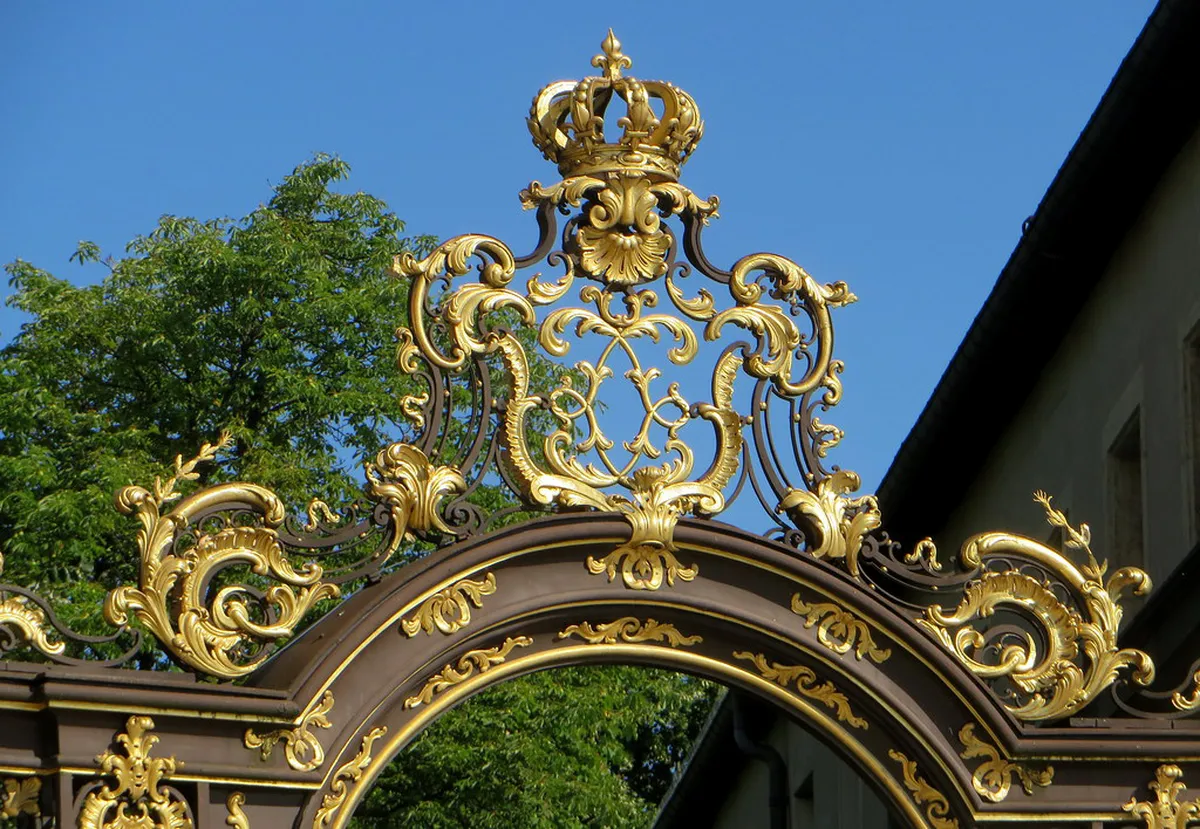
The gates feature many intricate motifs that represent the supreme power and the generosity of the ruling king. You will see classic royal symbols like the fleur-de-lis and laurel wreaths throughout the heavy iron panels. The designs also include beautiful representations of the Roman god Apollo, who symbolized the sun and the light. These specific details were carefully chosen to flatter King Louis XV, who was the son-in-law of King Stanislas.
Every single curve of the ironwork serves a specific decorative and political purpose within the grander square design. The gates are not merely functional barriers but serve as grand triumphal arches made of light and metal. They connect the main square to the surrounding royal parks, the government buildings, and the local residential areas. Lamour successfully integrated the official coat of arms of the city into the central part of the gates.
The use of gold leaf on the iron was a deliberate choice to show off the region's wealth. This gilding reflects the sunlight during the day and creates a warm, inviting glow for all evening visitors. The scrolls and floral patterns represent the natural beauty found in the gardens surrounding the central city palace. Looking closely at the metalwork reveals tiny details like leaves, acorns, and classical Greek architectural border patterns.
These gates served as a visual reminder of the peace and prosperity brought by the reign of Stanislas. They turned a simple public space into a majestic outdoor throne room that welcomed people from every class. The symmetry of the gates provides a sense of balance and harmony to the entire urban landscape of Nancy. Many modern artists still study these designs to understand the principles of Rococo balance and decorative flow.
The Construction and Gilding Process
Constructing these massive gates required an enormous amount of raw iron and hundreds of hours of manual labor. Lamour and his large team worked tirelessly between 1752 and 1755 to complete the entire set of gates. Workers used intense fire and heavy hammers to shape each individual piece of metal by hand in the forge. The process involved creating thousands of separate pieces that were later joined together into the final massive assemblies.
Gilding the gates gave them their famous shine, which earned Nancy the nickname of the beautiful Golden City. Artisans applied very thin layers of genuine gold leaf to the finished iron surfaces using traditional glue and brushes. This bright finish protects the underlying iron from rust while creating a spectacular and expensive visual effect for viewers. The total cost of the materials was considered astronomical even by the standards of the eighteenth-century royal budget.
The technical challenge of hanging such heavy gates required advanced engineering skills and very strong stone support pillars. Each gate had to swing smoothly on its hinges despite weighing several tons in total of solid metal. Lamour personally supervised the installation of every section to ensure the alignment was perfect across the entire square. The completion of the project was celebrated with a grand festival that involved the entire population of Nancy.
The gilding process must be repeated every few decades to maintain the brilliant luster of the golden metal surfaces. Historical records show that the original gold was of the highest quality available in the French kingdom then. Modern restorers use similar traditional techniques to ensure the gates look exactly as they did in the past. This dedication to craftsmanship ensures that the history of the gates remains visible to all modern-day travelers.
Integration with Place Stanislas UNESCO Ensemble
The gates form a vital part of the functional layout of the Place Stanislas UNESCO ensemble in Nancy. They frame the four corners of the square to create a sense of enclosure and grand royal intimacy. Stanislas wanted a space that felt like an outdoor royal reception hall for the citizens and the visitors. The gates perfectly balance the heavy stone architecture of the surrounding town hall and the local opera house.
Walking through the gates feels like entering a different and more elegant era of classic French history and art. The UNESCO designation protects these gates as rare masterpieces of human creative genius and significant historical urban design. They are recognized as some of the finest examples of Rococo ironworks currently existing in the entire world. Photographers often wait for the perfect sunset to capture the spectacular golden glow of the gates each evening.
The gates act as a transition point between the old medieval city and the newer Enlightenment era urban expansions. They allow for a flow of traffic while maintaining the grand aesthetic standards of the royal city planning. The placement of the fountains next to the gates adds a sense of movement and sound to the space. You can spend hours studying how the gates interact with the shadows of the surrounding lime tree rows.
The ensemble represents one of the earliest examples of modern urban planning that prioritized beauty and public access. Without the gates, the square would feel like an empty void rather than a cohesive architectural masterpiece of art. They provide the necessary vertical interest to break up the flat expanse of the large paved public square. Their preservation is a top priority for the French government and the local cultural heritage organizations in Nancy.
Preserving the Gates for 2025 and Beyond
Maintenance of the Jean Lamour gates is a constant and delicate task for the specialized city conservation teams. Restoration experts periodically clean the metal and re-apply fresh gold leaf to the many intricate surface details. Pollution and harsh winter weather can cause damage to the fine ironwork over the passing of many decades. The city of Nancy invests heavily in preserving these historic urban treasures for the enjoyment of future generations.
Visitors in 2025 can see the gates in their most vibrant and historically accurate condition following recent repairs. Strict local rules prevent any modern construction from overshadowing these iconic and irreplaceable French historical landmarks and sites. You can join many local tours to learn more about the specific conservation efforts used to protect the metal. The gates remain completely free for the public to enjoy at any time of the day or night.
Technological advances now allow experts to monitor the structural health of the iron without damaging the old gold leaf. Laser cleaning methods are sometimes used to remove dirt and grime from the deepest crevices of the metalwork. These modern tools ensure that the delicate details created by Lamour stay sharp and visible for many centuries. The commitment to preservation shows how much the people of Nancy value their unique and beautiful artistic history.
As you plan your trip, consider visiting during the early morning hours to see the gates without any crowds. The morning light hits the gold leaf at an angle that highlights the three-dimensional quality of the smithing. It is a peaceful time to reflect on the immense skill required to build these enduring symbols of Nancy. The gates stand as a testament to the power of human art to transcend the limits of time.
Frequently Asked Questions
What is the significance of the Jean Lamour gates?
The Jean Lamour gates are significant because they represent the peak of Rococo metalwork and eighteenth-century urban design. They were commissioned to celebrate the reign of King Stanislas and the beauty of the city of Nancy. These gates are a key reason why the square is listed as a UNESCO World Heritage site today.
Can you visit the gates for free?
Yes, you can visit the gates for free because they are located in a public square in Nancy. Place Stanislas is open twenty-four hours a day, allowing you to view the ironwork at any time. There are no tickets or entry fees required to admire these golden historical masterpieces in person.
When is the best time to see the golden gates?
The best time to see the gates is during the golden hour just before the sun sets completely. The low light reflects off the gold leaf and creates a stunning visual effect across the entire square. Nighttime is also wonderful because the city lights make the gold glitter against the dark night sky.
How much gold was used on the gates?
While the exact weight of the gold used is not recorded, thousands of sheets of gold leaf were applied. The gilding process was one of the most expensive parts of the entire construction project in the 1750s. Restorers continue to use large amounts of gold leaf during modern maintenance cycles to keep them bright.
The Jean Lamour wrought iron gates history is a story of incredible craftsmanship, royal ambition, and lasting urban beauty. These golden gates remain the beating heart of Nancy and a symbol of the city's rich cultural identity. Visiting them allows you to step back into the eighteenth century and experience the grandeur of the Lorraine. For the best experience, consider booking a Nancy architecture walking tour to see them with an expert. Make sure to bring your camera to capture the golden light of this historic French treasure in 2025.
Key Takeaways
- Jean Lamour was the master locksmith who created the gates between 1752 and 1755.
- The gates are a central part of the Place Stanislas UNESCO ensemble in Nancy, France.
- The ironwork is covered in real gold leaf, which requires regular restoration to maintain its shine.
- The design features royal symbolism, including the fleur-de-lis and images of the Roman god Apollo.
- Visitors can view these historic masterpieces for free in the public square at any time.
Related reads: architecturebycity.com, place de la carriere architecture, emmanuel here urban design.