
Église des Cordeliers Architecture Guide
Discover the stunning Église des Cordeliers architecture in Nancy, France. Explore this 2025 guide for history, tombs, and travel tips. Plan your visit now!
On this page
The Église des Cordeliers architecture remains one of the most significant sights in Nancy today. This 15th-century structure represents a vital part of the deep historical identity of Lorraine. Visitors will discover a unique blend of simple Gothic lines and very ornate Renaissance details. The church serves as a sanctuary for the history of the local ducal dynasty. It provides a peaceful atmosphere for anyone interested in medieval history and sacred design.
This landmark is located in the heart of the beautiful and historic district of Nancy. Exploring this site allows you to connect with the royal past of the French region. The year 2025 is an excellent time to witness the ongoing preservation of this monument. You can admire the stone craftsmanship that has survived through many centuries of European history. Each corner of the building tells a story about the religious traditions of Nancy.
The Historical Origins of the Church
Duke René II commissioned this church following his famous victory at the Battle of Nancy. The building was dedicated to Saint Francis of Assisi and served the Franciscan friars. Construction began in 1477 and concluded with the church's consecration in the year 1487. The structure was designed to serve as a symbolic resting place for the Dukes of Lorraine. It stands today as a testament to the political power of the medieval Lorraine state.
The friars who lived here followed the strict rules of the Franciscan order for centuries. Their presence shaped the simple and humble design of the original church exterior and interior. Despite this simplicity, the church became a central point for the city's spiritual life. It has survived wars, revolutions, and periods of neglect throughout its long and storied existence. Today, it forms an essential part of the Museum of Lorraine complex in Nancy.
The church underwent significant restorations during the 19th century to repair damage from the Revolution. Architects worked diligently to preserve the original medieval features while ensuring the building's structural integrity. These efforts saved many of the interior treasures that visitors can still see in 2025. The site now functions as a museum space that displays precious religious and royal artifacts. Learning about this history provides a deeper context for the surrounding city streets.
Understanding the historical context helps visitors appreciate the unique nature of the Église des Cordeliers architecture. The building reflects the transition from the Middle Ages into the early modern era. Its walls have witnessed the rise and fall of various European empires and regional rulers. This longevity makes the church a cornerstone of the regional cultural heritage of France. It remains a must-see destination for history buffs visiting the city this year.
The connection between the church and the neighboring ducal palace is very physically and historically evident. Rulers could easily access the church directly from their private living quarters in the palace. This arrangement highlights the close relationship between the church and the state in medieval Nancy. You can still feel this connection while walking through the ancient halls of the site today. It remains a powerful symbol of the city's unique architectural and political history.
Exploring the Église des Cordeliers Architecture
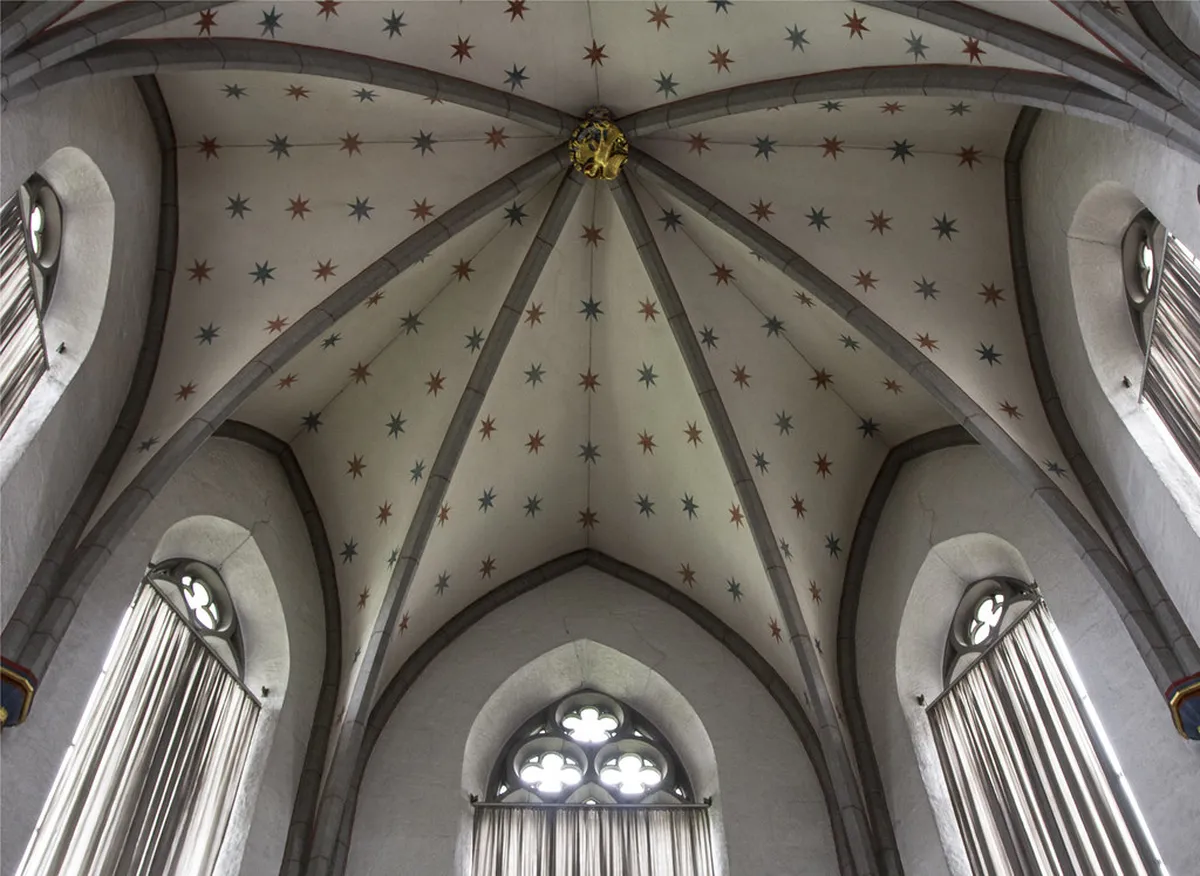
The primary style of the church is a very austere and refined version of late Gothic design. It features a single long nave that lacks side aisles or a complex transept. This architectural choice reflects the Franciscan commitment to simplicity and clear focus on the altar. The space creates a sense of openness that is quite different from larger Gothic cathedrals. It is a key example of Nancy's historic Old Town architecture from the 15th century.
Large pointed windows line the upper walls of the nave to bring in natural light. These windows are decorated with intricate tracery that adds a delicate touch to the stone walls. The light interacts with the interior surfaces to create a serene and contemplative environment. Most of the original stained glass was lost over time but has been carefully replaced. The modern glass respects the historical aesthetic of the building while providing new artistic value.
The wooden roof of the church is another notable feature of the internal structure. It creates a warm and natural atmosphere that contrasts with the cold stone of the walls. This ceiling design is typical of the regional style found in Lorraine during the medieval period. It helps to distribute sound evenly throughout the space during musical or religious events. You will find that the acoustics inside the nave are remarkably clear and very vibrant.
The exterior of the church is equally impressive for its restrained and balanced proportions. A simple but elegant portal serves as the main entrance for visitors and local residents. It features small sculptures that represent the religious figures associated with the Franciscan order. The facade does not use the heavy ornamentation found in later Baroque structures in the city. Instead, it relies on clean lines and high-quality masonry to impress the viewer.
Structural integrity has been a priority for the local authorities who manage the site today. The church remains in excellent condition because of regular maintenance and professional conservation projects. You can see the high level of care in the well-preserved stone joints and surfaces. Visiting this site allows you to see how medieval builders worked with local limestone materials. It is a fantastic place to study the evolution of masonry in northeastern France.
The Magnificent Chapel of the Dukes
The Chapelle Ronde is perhaps the most famous part of the Église des Cordeliers architecture. This rotunda was added to the church in the early 17th century by the ruling family. It was inspired by the Medici Chapel in Florence and features a distinct Renaissance style. The circular design contrasts sharply with the long Gothic nave of the main church building. It represents a shift toward more elaborate and classical forms of Nancy religious architecture.
The dome of the chapel is decorated with beautiful trompe-l'oeil paintings and intricate stone carvings. These decorations create an illusion of depth and grandeur within the relatively small circular space. The ceiling features the coats of arms of the various branches of the Lorraine family. It serves as a visual genealogy of the dynasty that ruled the region for centuries. The level of detail in the plasterwork is truly exceptional for the period.
Inside the chapel, several black marble altars stand against the circular walls. These altars are dedicated to the memory of the dukes and their family members. The use of dark stone creates a somber but very regal atmosphere for the tombs. Light enters through the lantern at the top of the dome to illuminate the interior. This dramatic lighting effect highlights the high-quality materials used in the construction of the chapel.
The chapel remains one of the finest examples of the Italian influence on French architecture. It shows how the dukes of Lorraine brought international artistic trends to their capital city. The structure has been carefully restored to reveal the original colors of the interior decorations. You can spend a long time admiring the complex geometry of the floor and walls. It is a highlight of any architectural tour of the city in 2025.
Visitors often find the transition from the church to the chapel to be very striking. You move from the simple medieval nave into a rich and colorful Renaissance world. This architectural journey reflects the changing tastes and ambitions of the Lorraine ducal family. The chapel remains a place of great dignity and historical importance for the local community. It is a masterpiece of design that deserves its international reputation for excellence.
Artistic Treasures and Notable Tombs
The church houses a remarkable collection of funerary monuments and ancient stone sculptures. The tomb of René II is a particularly fine example of early Renaissance art in France. It features a life-sized reclining figure of the duke carved from high-quality white marble. The base of the tomb is decorated with scenes from his life and military victories. This monument is a key focal point for anyone interested in royal history.
Another significant treasure is the gisant of Philippa of Guelders, which is famous for its realism. The sculptor captured the fine details of her clothing and her peaceful facial expression perfectly. This work is considered one of the best examples of 16th-century sculpture in the region. It shows the high level of artistic skill present in Nancy during the ducal era. You can see many other smaller tombs of family members nearby.
The walls of the church are also home to various religious paintings and historic altarpieces. These artworks depict scenes from the Bible and the lives of the Franciscan saints. Many of these pieces were donated by the dukes to show their religious devotion. They have been preserved as part of the Museum of Lorraine's permanent collection. The colors remain surprisingly vibrant thanks to the controlled environment within the historic church.
The sculptural quality of the monuments throughout the nave is consistently very high. Every tomb was designed to convey a message of power, piety, and lasting family legacy. You can spend hours examining the symbols and inscriptions carved into the ancient stone surfaces. These details provide a fascinating look at the culture and beliefs of the Renaissance period. The church acts as a gallery of the finest art produced in Lorraine.
Preserving the heritage of these monuments is a central goal for the museum curators in Nancy. They use modern technology to monitor the condition of the stone and the painted surfaces. Visitors are asked to follow strict rules to help protect these fragile and historic objects. By visiting the church, you contribute to the ongoing support of these vital conservation efforts. It is a rare opportunity to see such a concentrated collection of royal art.
Planning Your Visit to Nancy in 2025
Visiting the Église des Cordeliers is a straightforward and very rewarding experience for modern travelers. The church is typically open from Tuesday to Sunday throughout the entire year of 2025. It is best to visit in the morning to avoid the largest tourist crowds. You can purchase a combined ticket that includes entry to the neighboring Museum of Lorraine. This allows you to explore the full history of the city in one trip.
The location of the church in the Ville Vieille makes it very easy to reach. You can enjoy a pleasant Nancy architecture walking tour that includes this site and the palace. The surrounding streets are filled with charming cafes and small shops for you to enjoy. The area is largely pedestrian-friendly, making it a safe place for families to walk together. Most of the main city attractions are within walking distance of each other.
Entry fees for the church and museum are very reasonable for the value provided. Standard adult tickets usually cost around 5 to 10 euros depending on the season. Discounts are often available for students, seniors, and groups of more than ten people. It is a good idea to check the official museum website for updated pricing. This will help you plan your travel budget accurately for your stay in Nancy.
Guided tours are highly recommended for those who want to learn the specific architectural details. Professional guides can point out subtle features that you might miss on your own. They offer tours in several languages, including French, English, and German, during the peak season. You can book these tours in advance at the local tourism office or online. A guide can bring the stories of the dukes and friars to life.
Seasonal events in Nancy sometimes take place within the church or the cloister area. These can include classical music concerts or special historical exhibitions during the summer months. Winter brings a festive atmosphere to the city with the famous Saint Nicholas celebrations in December. The church provides a beautiful backdrop for these important local cultural and religious traditions. Always check the local event calendar before you finalize your 2025 travel dates.
Frequently Asked Questions
Is entry to the Église des Cordeliers free for visitors?
Entry to the church usually requires a paid ticket as part of the Museum of Lorraine. The fees are quite affordable and support the maintenance of the historic site. You should check for free admission days during special national heritage events in France.
How old is the Église des Cordeliers architecture?
The main structure of the church was built between 1477 and 1487 after a famous battle. The Ducal Chapel was added later in the early 17th century to house royal tombs. This makes the oldest parts of the building over 500 years old today.
Where is the church located in Nancy?
The church is situated in the Ville Vieille district on the Grande Rue. It is located right next to the Palais des Ducs de Lorraine in the city center. You can easily find it by walking north from the famous Place Stanislas.
The Église des Cordeliers architecture is a true gem of the Lorraine region and French history. It offers a rare look at the artistic and religious life of the medieval ducal court. You will find incredible beauty in the simple nave and the ornate Renaissance Ducal Chapel. Plan your visit in 2025 to experience this historical site for yourself in person. Do not miss the chance to see the royal tombs of the legendary Dukes of Lorraine.
Key Takeaways
- Visit the Chapelle Ronde to see the stunning Renaissance dome and marble altars.
- Book a combined ticket with the Museum of Lorraine for the best overall value.
- Check the 2025 opening hours on the official website before your arrival in Nancy.
- Look for the tomb of René II to see master-level 15th-century stone carving.
Related reads: architecturebycity.com, architecture in nancy, nancy cathedral baroque facade.