
Chapelle de la Miséricorde Architecture in Nice Guide
Discover the Chapelle de la Miséricorde architecture in Nice. Explore this Baroque masterpiece with our detailed guide to its history and design. Visit today!
On this page
The Chapelle de la Miséricorde architecture is a true marvel of the Baroque era. This stunning building sits in the heart of Old Nice in France. It remains one of the most important religious sites in the city. Visitors often admire its unique shape and rich interior details.
This chapel represents the height of eighteenth-century artistic achievement. It serves as a focal point for the historic Cours Saleya market. Many travelers visit Nice specifically to see this architectural gem. It offers a peaceful escape from the busy city streets outside.
You will find the design both complex and inviting. The building showcases the incredible talent of its original creators. It stands as a testament to the religious history of the region. Exploring this site is a highlight of any trip to Nice in 2025.
The History of Niçois Baroque Churches
The history of religious design in Nice is very deep. This city features a unique collection of Niçois Baroque churches. These structures often reflect the influence of the Kingdom of Piedmont-Sardinia. Architects during this time focused on creating emotional experiences for visitors.
Baroque style arrived in Nice during the seventeenth and eighteenth centuries. Local designers adapted Italian trends to fit the coastal landscape. They used vibrant colors and dramatic shapes to inspire awe. This period marked a golden age for ecclesiastical construction in the region.
Many of these churches served local religious brotherhoods. These groups wanted to demonstrate their faith through grand buildings. The competition between different orders led to incredible artistic innovations. You can see this legacy in the many chapels still standing today.
Religious life was central to the identity of Old Nice residents. The churches were more than just places for prayer. They were community hubs and symbols of local prestige. Today, they remain essential parts of the city's cultural heritage.
Unique Facade of Chapelle de la Miséricorde Architecture
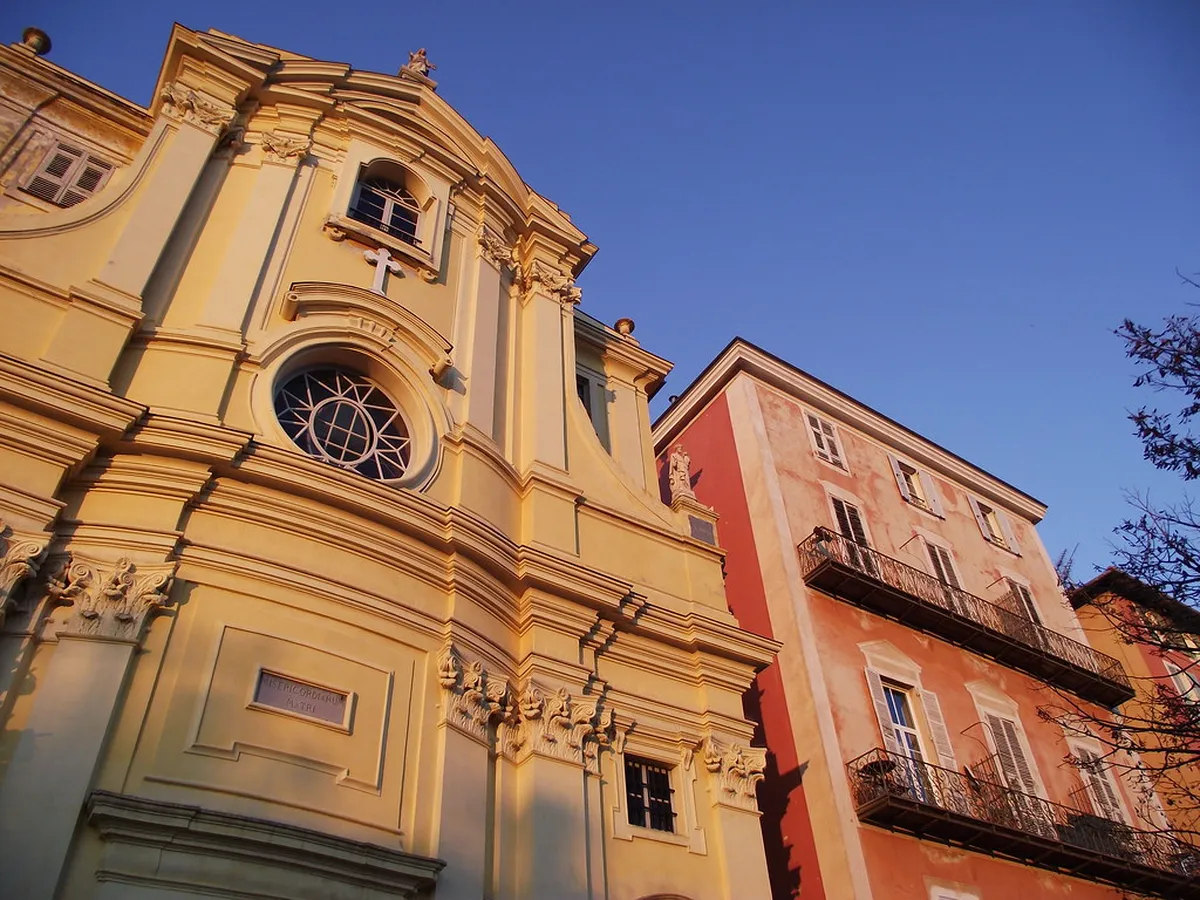
The exterior of the building is instantly recognizable to visitors. It features a stunning concave and convex design pattern. This creates a sense of fluid movement in the stone facade. It is a classic hallmark of the high Baroque style.
High Corinthian columns support the structure's impressive vertical height. These elements guide the viewer's eyes toward the upper balcony. Detailed carvings of angels and saints decorate the stone surfaces. The craftsmanship displayed here is truly world-class for its era.
The facade interacts beautifully with the changing Mediterranean light. In the morning, the shadows accentuate the deep curves. By the afternoon, the stone glows with a warm golden hue. It is a favorite subject for architectural photographers visiting France.
The narrow street layout makes the building feel even taller. It dominates the square without feeling overly heavy or dark. This balance of scale and detail is very hard to achieve. It shows the mastery of the eighteenth-century building techniques used here.
The Elliptical Plan and Interior Art
The interior layout uses a sophisticated elliptical floor plan. This shape was very popular during the Baroque movement. It helps the acoustics and creates a feeling of vastness. You will notice how the space seems to expand upward.
Rich frescoes cover the vaulted ceiling with incredible detail. These paintings tell religious stories through bright and bold colors. The artists used perspective to make the ceiling look like the sky. It is one of the best examples of architecture in Nice to explore.
Gold leaf and marble accents fill the sanctuary with light. Every corner of the interior features intricate plasterwork and carvings. These decorations were intended to represent the glory of heaven. The level of detail remains impressive even after several centuries.
Six side chapels surround the central nave of the building. Each one contains unique altarpieces and religious relics. These smaller spaces allow for quiet reflection and prayer. They also showcase different aspects of local artistic traditions.
The Genius of Architect Bernardo Vittone
Bernardo Vittone was the primary architect for this project. He was a famous designer from the Piedmont region of Italy. Vittone was known for his complex geometric building plans. He brought a sense of mathematical order to artistic expression.
His work in Nice highlights the strong links with Turin. Vittone used light to transform the interior atmosphere of the chapel. He placed windows strategically to illuminate the decorative elements. This technique creates a heavenly glow inside the main dome.
Vittone combined structural engineering with beautiful aesthetic choices. He managed to fit a grand design into a tight urban space. His influence shaped the development of the Baroque style in Nice. Scholars still study his work for its innovative use of space.
The chapel is often cited as his finest work outside Italy. It captures his ability to create harmony within complex shapes. Visiting this site offers a rare look at his architectural brilliance. It is a must-see for anyone interested in historical design.
Preservation and Cultural Value in Nice
This building is classified as a historic monument in France. Strict preservation rules ensure that its beauty remains intact for years. Restoration teams work carefully to protect the original materials. They use traditional methods to repair the stone and paint.
The chapel still serves as a home for the Black Penitents. This ancient brotherhood has protected the site for centuries. Their presence adds a layer of living history to the building. They maintain the traditions and rituals of the past today.
Local authorities recognize the site as a major cultural asset. It draws thousands of tourists to the Old Nice area annually. This tourism helps fund the ongoing maintenance of the structure. It is a vital part of the city's economic and cultural life.
Preserving such a complex building requires constant effort and care. The salty sea air can damage the old stone surfaces. Experts monitor the humidity and temperature inside the chapel regularly. Their work ensures that the art remains vibrant for future generations.
Visitor Tips for the Cours Saleya Area
The chapel is located on the famous Cours Saleya square. This area is known for its daily flower and food markets. You should arrive early to enjoy the market before visiting. The atmosphere is lively and full of local French culture.
Check the opening hours before planning your specific visit. The chapel is typically open on Tuesday afternoons for the public. It is a great stop during a Vieux Nice architectural walking tour of the area. Entry is usually free, but small donations are welcome.
Please remember to dress respectfully when entering the holy space. Keep noise levels low to respect those who are praying. Photography is often allowed, but you should avoid using a flash. This helps protect the delicate frescoes from light damage.
Useful visitor details:
- Location: 1 Place du Gouvernement, 06300 Nice
- Cost: Free admission (donations encouraged)
- Best Time: Tuesday mornings or early afternoons
- Nearby: Flower Market and Palais Lascaris
Frequently Asked Questions
What is the Chapelle de la Miséricorde architectural style?
The chapel is a prime example of the Piedmontese Baroque style. It features curved lines, complex geometry, and an elliptical floor plan. This style was very popular in the eighteenth century. It focuses on using light and shadow to create drama.
Can I take photos inside the Chapelle de la Miséricorde?
Yes, photography is generally permitted for tourists inside the chapel. However, you must turn off your camera flash to protect the art. Please be respectful of people who are there for religious reasons. It is best to visit during quiet hours for photos.
When was the Chapelle de la Miséricorde built?
Construction on the chapel began in 1740 and ended in 1770. It was designed by the Italian architect Bernardo Vittone. The building served the religious brotherhood known as the Black Penitents. It has remained a significant landmark in Nice since its completion.
Is entry to the chapel free for visitors?
Entry is typically free for all visitors to the chapel in 2025. The brotherhood relies on small donations to help with building maintenance. It is polite to leave a few euros if you enjoy your visit. This supports the preservation of this historic site.
The Chapelle de la Miséricorde architecture is an essential stop in Nice. It combines historical depth with incredible artistic beauty for every visitor. Make sure to include this Baroque masterpiece in your 2025 travel plans. Experience the spiritual and architectural heart of Old Nice today.
Key Takeaways
- Marvel at the rare elliptical floor plan and frescoes.
- Visit on Tuesday afternoons for the best access times.
- Appreciate the genius of architect Bernardo Vittone's work.
- Combine your visit with the Cours Saleya flower market.
- Support local preservation efforts with a small voluntary donation.
Related reads: architecturebycity.com, cathedrale sainte reparate interior.