
Discover the Cathédrale Sainte-Réparate Interior
Explore the grand Cathédrale Sainte-Réparate interior in Nice. Discover Baroque art, ornate altars, and history in this 2025 guide. Plan your visit today!
On this page
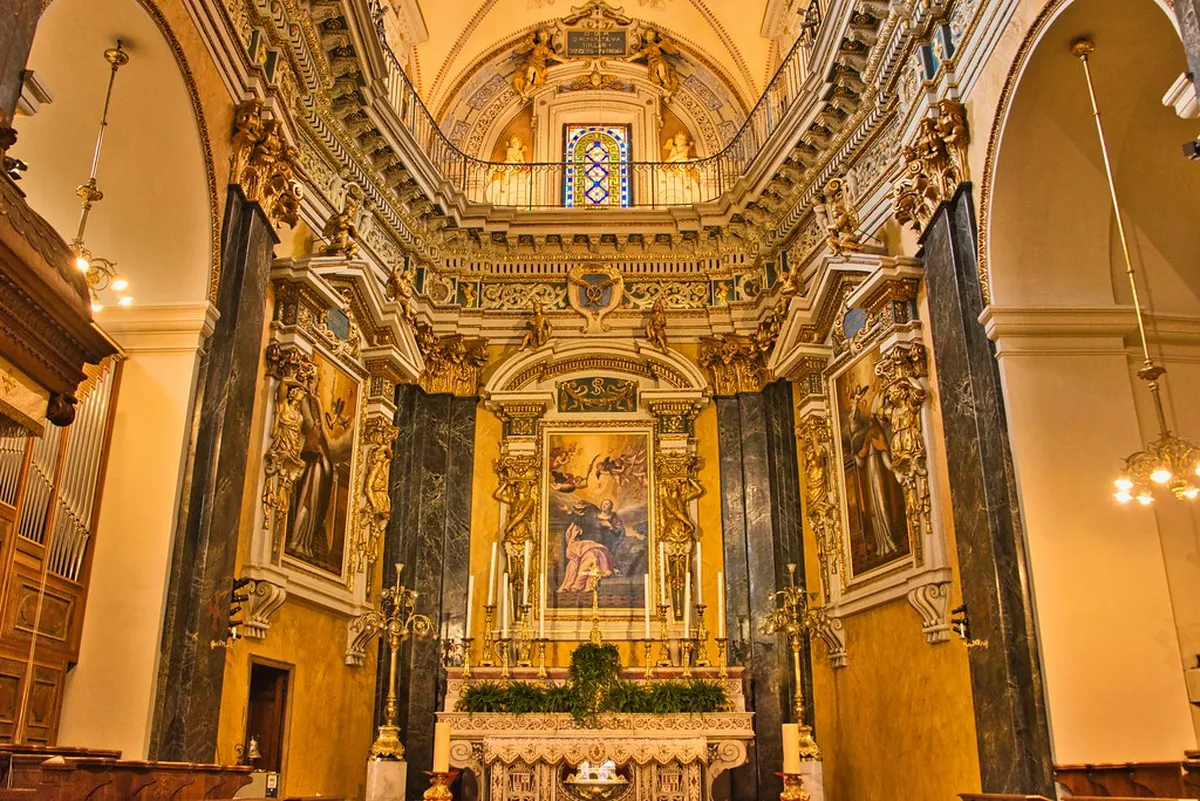
The Cathédrale Sainte-Réparate interior offers a breathtaking look into French history. Located in the heart of Old Nice, this building is a Baroque masterpiece. Visitors will find gold leaf, intricate stucco, and beautiful marble everywhere. It stands as a symbol of the city's deep spiritual heritage.
This cathedral serves as the main church for the Diocese of Nice. It was built to honor a young martyr from the third century. The current design reflects the artistic trends of the seventeenth century. It is a key stop for anyone exploring Niçois Baroque churches today.
Stepping inside reveals a world of light and shadow. The architecture guides your eyes toward the massive dome above. You will notice the rich colors on every single wall. Each corner of the building tells a story about the local community. It remains a peaceful sanctuary in the middle of a busy city.
Planning a trip to Nice in 2025 should include this site. The interior is free to enter for all respectful visitors. You can enjoy the cool air while admiring the historic art. This guide will help you understand every detail of this stunning space.
Origins of the Cathédrale Sainte-Réparate Interior
The site of the cathedral has a very long history. A small parish church stood here during the Middle Ages. In 1650, local leaders decided to build something much larger. They wanted a space that matched the growing power of Nice. This change marked the start of the Baroque era here.
Architect Jean-André Guibert designed the new structural layout. He drew inspiration from famous churches found in Rome. His plan focused on creating a wide and open central space. The construction took many decades to complete fully. Workers finished the main body of the church by 1699.
The Cathédrale Sainte-Réparate interior reflects the Counter-Reformation style. This style aimed to inspire awe through grand visual displays. Designers used expensive materials to show the glory of the church. You can see the transition from simple stone to ornate marble. These changes occurred as the city became more wealthy over time.
Later additions in the nineteenth century updated the facade. However, the inner core retains its original seventeenth-century charm. It is part of a larger Vieux Nice architectural walking tour for history lovers. The building has survived wars and political shifts through the centuries. It still stands as a testament to local craftsmanship.
Decorative Elements of the Grand Central Nave
The central nave is the widest part of the cathedral. It features high ceilings decorated with white and gold stucco. The light flows in through windows placed high above the floor. This creates a bright and welcoming atmosphere for all guests. You will feel the massive scale as you walk toward the altar.
The ceiling artwork depicts scenes from the life of Saint Réparate. These paintings use soft colors to create a sense of peace. Skilled artists used plaster to create three-dimensional decorative patterns. These details add texture and depth to the flat surfaces. Look closely at the angels carved into the cornices.
Large pillars support the weight of the heavy vaulted roof. These pillars are covered in fine marble and decorative panels. The ground is made of polished stone that reflects the candlelight. Small wooden pews offer a place for quiet reflection and prayer. The symmetry of the nave creates a very balanced feeling.
Gold leaf accents highlight the most important parts of the structure. This was a common technique used in grand Baroque buildings. It helps to direct the attention of the visitor forward. The nave serves as the perfect path toward the sacred choir. You will enjoy the rhythmic pattern of the arches and columns.
Masterpieces Found in the Ten Side Chapels
The cathedral features ten unique side chapels along the walls. Each chapel was originally funded by a local trade guild. These groups wanted to honor their own patron saints with art. You will see different styles of marble in every small alcove. Some chapels focus on dark stones while others are very bright.
The Chapel of the Holy Sacrament is one of the most famous. It features incredible gold work and a very ornate altar. Another chapel honors Saint Rosalie, who protected the city from plague. These spaces display some of the best baroque altarpieces in Nice for public viewing. Each painting tells a specific story from the Bible.
The wood carvings in these chapels are exceptionally detailed. Many frames are covered in genuine gold and silver leaf. You can see the names of local families inscribed on the floors. These chapels served as private places for prayer for centuries. They represent the diverse history of the people living in Nice.
Take your time to walk slowly past each small room. Notice the small candles lit by modern visitors near the statues. The craftsmanship shows a high level of skill from local artists. Some chapels also contain relics of saints kept in glass cases. These artifacts are very important to the local religious community.
The High Altar and Relics of Saint Réparate
The high altar is the most important part of the cathedral. It is located at the very end of the long nave. Designers used the finest marble to create this impressive structure. It features a mix of red, green, and white stone colors. The altar stands as a focal point for every religious service.
Beneath the main altar lie the relics of Saint Réparate. She is the patron saint of both the cathedral and Nice. Tradition says her body arrived in a boat guided by angels. Her story is a central part of the local identity. Many people visit the church specifically to honor her memory.
The choir area surrounding the altar features beautiful wooden stalls. These seats were used by the clergy during long ceremonies. The wood is dark and polished to a very high shine. You can see intricate carvings on the arms of each chair. This area is often blocked off but remains clearly visible.
Above the altar, you will find a large decorative canopy. This structure adds to the sense of height and importance. The organ pipes are also visible in the gallery nearby. These pipes produce a powerful sound during Sunday morning services. The music fills the entire building with a deep resonance.
Architectural Highlights of the Famous Cupola
The cupola is perhaps the most famous feature of the cathedral. From the outside, it is covered in bright Genoese tiles. Inside, the dome provides a sense of infinite vertical space. It sits directly above the crossing of the main transept. The light from the dome illuminates the center of the church.
The interior of the dome features painted clouds and heavenly figures. These images are meant to represent the glory of paradise. Small windows at the base of the dome let in sunshine. This light creates a glowing effect on the gold decorations. It is a stunning example of Baroque engineering and art.
The transition from the square base to the round dome is seamless. Architects used clever geometric shapes to bridge the two different forms. This area is often the most photographed part of the interior. You should look directly up to appreciate the full scale. The height of the dome is truly impressive to see.
The colors inside the dome match the rest of the cathedral. You will see shades of blue, gold, and soft white. The paintings are cleaned regularly to maintain their original vibrance. This care ensures that the art remains clear for future generations. It serves as a crowning jewel for the entire building.
Essential Visitor Guide for Nice in 2025
Visiting the cathedral is a simple and rewarding experience in 2025. It is located in Place Rossetti, a busy square in Nice. You can find many cafes nearby for a quick snack. The church is usually open from early morning until the evening. Admission is free, making it great for budget travelers.
Please remember to dress respectfully when entering the sacred space. You should cover your shoulders and avoid wearing very short clothing. Keep your voice low to respect those who are praying. Photography is allowed but you should not use a flash. Always check the schedule for mass times before your visit.
The cathedral can get quite busy during the summer months. To avoid crowds, try to visit on a weekday morning. The interior remains cool even when the French sun is hot. It is a perfect place to rest during a long walk. You will find several informative signs inside the building.
- Location: 3 Pl. Rossetti, 06300 Nice, France
- Hours: Generally 9:00 AM to 6:00 PM daily
- Cost: Free entry for all visitors
- Best Time: Early morning or late afternoon
Frequently Asked Questions
Is the Cathédrale Sainte-Réparate interior free to visit?
Yes, the interior of the cathedral is free for everyone to enter. You do not need a ticket to explore the nave. However, donations are always welcome to help maintain the building. Please be mindful of ongoing religious services during your visit.
What is the best time to see the cathedral without crowds?
The best time to visit is early on a weekday morning. Most tour groups arrive after 10:00 AM in the morning. Visiting late in the afternoon also offers a quieter experience. Sunday mornings are busy due to the multiple mass services held.
Who is buried in the Cathédrale Sainte-Réparate in Nice?
The cathedral houses the relics of Saint Réparate, the city's patron. Several former bishops of Nice are also buried within the church. You can see memorial plaques for important local figures on the walls. The side chapels also contain remains of significant community leaders.
The Cathédrale Sainte-Réparate interior is a must-see for any visitor to Nice. Its blend of Baroque art and local history is truly unique. You will leave with a better understanding of the city's cultural soul. Make sure to include this historic gem in your 2025 travel plans. For more local tips, check out our guide to architecture in Nice today.
Key Takeaways
- Marvel at the gold-leaf stucco and 17th-century Baroque design elements.
- Visit the relics of Saint Réparate located beneath the high altar.
- Explore ten unique side chapels funded by historic local trade guilds.
- Enjoy free admission while respecting the quiet and dress code rules.
Related reads: architecturebycity.com, chapelle de la misericorde architecture.