
Baroque Altarpieces in Nice: A Guide to Sacred Art
Explore stunning Baroque altarpieces in Nice. Learn about art history in Niçois Baroque churches during your 2025 visit to France. Start your tour now!
On this page
Traveling to the French Riviera offers a unique chance to explore the historic beauty of Old Nice. You can find many stunning Baroque altarpieces in Nice while walking through the narrow cobblestone streets. These religious structures reflect the deep cultural heritage of the Savoyard period in French history. Art lovers will appreciate the intricate details of gold leaf and marble found in every church.
The local architectural style often draws inspiration from the theatrical designs found in major Italian cities. Each chapel within these churches tells a story of faith through its elaborate and colorful decorations. Visiting these sites in 2025 provides an authentic glimpse into the spiritual life of the past. This guide highlights the best locations to view these masterworks during your next Mediterranean vacation.
The Golden Age of Niçois Baroque Art
The seventeenth century marked a significant period for artistic growth throughout the vibrant city of Nice. Local religious orders funded the creation of massive altars to display their wealth and spiritual power. These Baroque altarpieces in Nice were designed to capture light and create a sense of movement. Artists used expensive materials like Carrara marble and gold to craft these impressive sacred monuments.
The influence of the Counter-Reformation played a vital role in the design of these religious spaces. Churches needed to become more engaging to draw worshippers back into the fold of the faith. The dramatic use of shadows and bright colors became a hallmark of this new artistic movement. This style transformed simple parish churches into grand stages for the performance of the liturgy.
Historians often look at the connection between Nice and the nearby Italian regions for artistic clues. Many artists traveled from Piedmont to bring their expertise in woodcarving and fresco painting here. The result is a unique blend of styles that separates Nice from other French coastal towns. Exploring Niçois Baroque churches reveals the evolution of this regional artistic identity over several decades.
Current restoration efforts in 2025 ensure that these historical treasures remain visible for future generations. Specialists carefully clean the delicate surfaces to reveal the original colors hidden under centuries of dust. Modern lighting systems now illuminate the altars to highlight the skill of the original master craftsmen. You should plan your visit during the morning to see the sunlight hitting the golden surfaces.
Masterpieces of Cathédrale Sainte-Réparate
The Cathédrale Sainte-Réparate stands as a monumental landmark in the heart of the historic Old Town. It serves as the main seat of the Bishop of Nice and holds great religious significance. The interior design reflects the height of the Baroque era with its grand proportions and details. You will find ten distinct chapels inside, each featuring a unique and beautifully crafted altarpiece.
The high altar is a true masterpiece that dominates the view of the entire central nave. It was completed in the late seventeenth century using multiple types of precious colored marble pieces. Detailed statues of saints stand guard around the central tabernacle in a display of divine power. Check out the cathedrale sainte-reparate interior to see the incredible detail of the Corinthian columns.
One of the most famous side altars is dedicated to Saint Rosalie and features ornate carvings. The use of perspective in the surrounding paintings creates an illusion of great depth and space. Visitors can spend hours admiring the delicate floral patterns carved into the dark wood of the pews. This cathedral perfectly illustrates how Baroque art aims to overwhelm the senses of every single observer.
The cathedral is open daily and entry is free for all visitors throughout the entire year. Please remember to dress respectfully as this remains an active place of worship for the local community. Flash photography is often restricted to protect the sensitive pigments used in the historic religious paintings. A small donation helps support the ongoing maintenance of these priceless examples of European art history.
Elegance at Chapelle de la Miséricorde
The Chapelle de la Miséricorde is often cited as the jewel of the Baroque movement in Nice. Located on the Cours Saleya, it features a stunning elliptical floor plan and a grand facade. The interior space creates a harmonious atmosphere that highlights the beauty of the central altarpiece. This location is a must-visit for anyone interested in the architectural history of the Mediterranean coast.
The main altarpiece features a famous painting by the artist Jean-Baptiste Mignard from the seventeenth century. It depicts the Virgin Mary and the Christ Child surrounded by a host of celestial angels. The frame itself is a work of art, featuring complex scrolls and gilded wood carvings. You can learn more about this site by reading about chapelle de la misericorde architecture online.
The use of light within this chapel is particularly clever and enhances the golden altarpieces. High windows allow natural light to filter down and illuminate the marble surfaces at different angles. This creates a heavenly glow that changes throughout the day as the sun moves across the sky. The acoustic properties of the space also make it a popular venue for sacred music concerts.
Visiting hours for the chapel can be limited so it is best to check the schedule beforehand. It typically opens to the public on Tuesday afternoons and during special religious festival days in 2025. The quiet atmosphere provides a peaceful escape from the busy market stalls of the nearby Cours Saleya. Many tourists find this chapel to be the most moving spiritual experience in all of Old Nice.
Materials and Symbolic Techniques
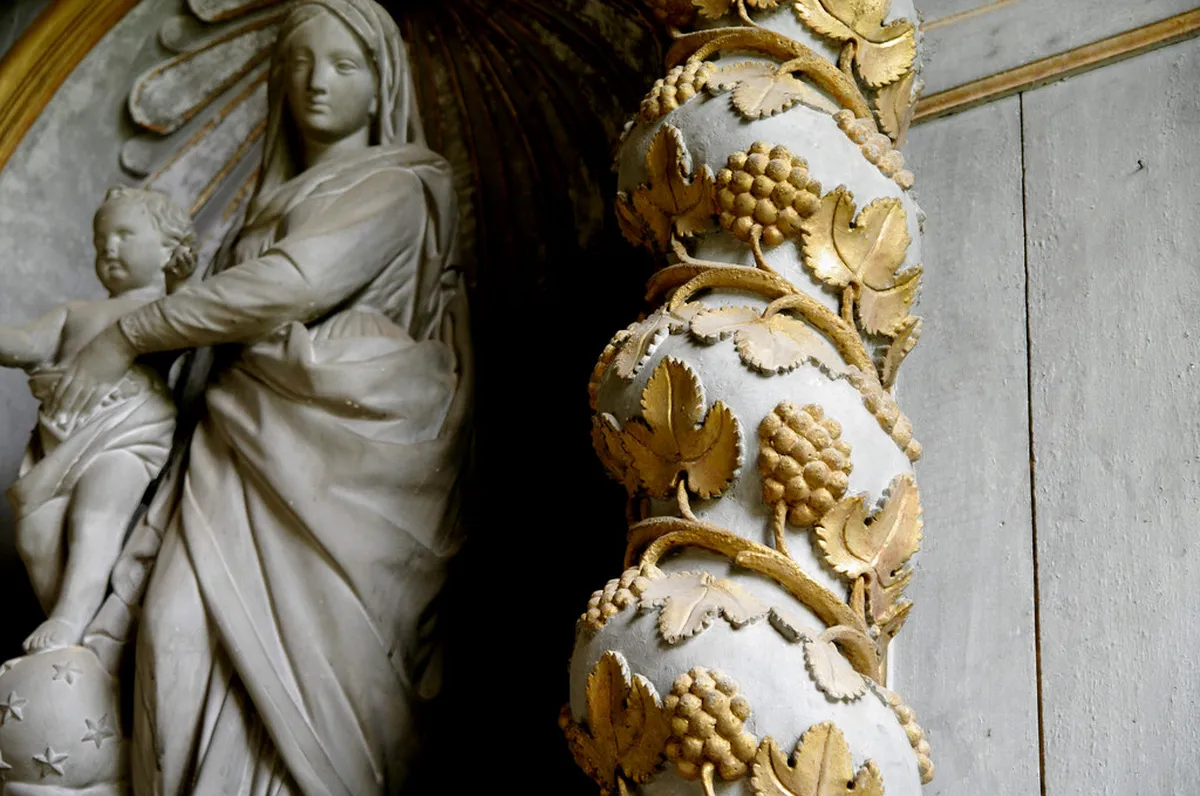
Crafting these altarpieces required a high level of skill and a deep knowledge of various materials. Artisans used stucco to create three-dimensional figures that seem to emerge from the church walls. This material allowed for greater detail than stone and could be painted to look like marble. The technique of faux painting saved money while still providing a luxurious appearance for the congregation.
Gilding was the final step in creating the radiant look of these incredible Baroque sacred objects. Gold leaf was applied thinly over a red clay base to give the metal a warm tone. This process made the altars shine even in the dim light of a candlelit evening service. The reflection of light symbolized the presence of God within the sanctuary of the local church.
Inlays of semi-precious stones were also used to decorate the fronts of the most important altars. Materials like lapis lazuli and jasper added bursts of color to the predominantly white marble structures. These expensive additions were often gifted by wealthy local families as a sign of their piety. Each material chosen had a specific symbolic meaning within the context of Catholic religious tradition.
The overall effect was to create a "total work of art" that integrated architecture and sculpture. Nothing was left to chance in the design of these complex and highly detailed religious monuments. You can still see the tool marks left by the carvers on some of the older pieces. This connection to the human hand makes the art feel more personal and deeply meaningful today.
Visiting Hidden Gems in Old Nice
Beyond the main cathedrals, smaller churches in the Old Town host equally impressive Baroque altarpieces. The Church of Saint-Jacques-le-Majeur features a spectacular ceiling fresco and several ornate side chapels. Local residents often call this church "Gésu" in reference to the famous Jesuit church in Rome. The altarpieces here are known for their dramatic use of movement and complex sculptural arrangements.
Another important stop is the Church of Saint-François-de-Paule near the famous Nice opera house. This church offers a more sober version of the Baroque style but remains incredibly elegant inside. Its main altar features clean lines and high-quality marble work that showcases late Baroque artistic trends. The peaceful courtyard outside provides a moment of reflection after viewing the rich interior decorations.
Walking between these sites allows you to see the architectural diversity of the historic city center. The narrow streets often hide the grand facades of these buildings until you are directly in front. Look for the colorful tiles on the domes as you explore the rooftops from various viewpoints. This exploration is a highlight of any cultural tour of the French Riviera in the year 2025.
Guided tours are available for those who want to learn the specific stories behind each piece. Many local guides specialize in the history of the House of Savoy and its artistic legacy. They can point out small details that the casual visitor might miss during a quick walk through. Booking a tour in advance is recommended during the busy summer months to ensure a spot.
Preserving the Heritage of Nice
The preservation of these Baroque altarpieces is a priority for the local government and religious groups. Fluctuations in humidity and temperature can cause damage to the fragile wood and gilded surfaces. Specialists use modern technology to monitor the conditions inside each church throughout the entire year. Restoration projects are often funded through a combination of public grants and private donations.
Educational programs help the local youth understand the importance of their unique artistic and cultural heritage. Schools often organize trips to these churches to teach students about the history of their city. By fostering an appreciation for the past, the community ensures the future of these historic sites. You might see restoration artists at work if you visit during the off-peak travel season.
The city of Nice is currently seeking UNESCO World Heritage status for its historic urban ensemble. The concentration of Baroque architecture is a major factor in this prestigious international application process. Recognition would bring even more resources to protect these beautiful altarpieces and sacred buildings. This effort highlights the global significance of the art found in the churches of Nice.
Visitors are encouraged to follow all local rules to help maintain the integrity of the art. Simple actions like not touching the marble can prevent the erosion of the delicate surface details. By being a responsible tourist, you contribute to the longevity of these magnificent cultural treasures. Enjoy the beauty of the Baroque era while respecting the sacred nature of the environment.
Frequently Asked Questions
What is the most famous Baroque altarpiece in Nice?
The altarpiece in the Chapelle de la Miséricorde is widely considered the most significant example. It features exceptional paintings and intricate gold carvings that define the local Niçois Baroque style. Many experts praise its harmonious design and its perfect integration into the surrounding architecture.
Are the churches in Nice open to tourists for free?
Most churches in the Old Town allow visitors to enter without paying an admission fee. They rely on small donations from tourists to help pay for the lighting and maintenance costs. Please check the specific opening times as some locations close during the middle of the day.
Can I take photos of the altarpieces?
Photography is usually allowed as long as you do not use a camera flash. Strong light can damage the old pigments and distract other people who are praying inside. Always look for signs near the entrance that explain the specific rules for each building.
When is the best time to visit these churches?
The morning light provides the best conditions for seeing the gold leaf on the altars. Try to visit during the weekdays to avoid the crowds that gather for Sunday mass services. Late spring and early fall offer pleasant weather for walking between the different church locations.
Exploring the Baroque altarpieces in Nice provides a deep connection to the history of the region. These masterpieces of art and faith continue to inspire visitors with their beauty and grandeur. Make sure to include a tour of these churches in your 2025 travel plans to France. The stunning visual experience will certainly be a highlight of your Mediterranean coastal vacation.
Key Takeaways
- Visit Cathédrale Sainte-Réparate for its massive marble high altar and side chapels.
- See the Mignard painting at the Chapelle de la Miséricorde on Cours Saleya.
- Plan visits for the morning to capture the best natural light on the gold.
Related reads: architecturebycity.com, architecture in nice, belle epoque architecture in nice.