
Belle Époque Architecture in Nice Guide
Explore the stunning Belle Époque architecture in Nice. Discover grand hotels and historic villas in this 2025 guide to the French Riviera's golden age.
On this page
Nice is famous for its stunning Belle Époque architecture in Nice. This style flourished between the late 19th century and the start of World War I. Wealthy travelers from across Europe flocked to the French Riviera for winter sun. They built grand palaces and elegant villas that still define the city skyline today in 2025.
The term Belle Époque translates to the Beautiful Era in English. This period represented a time of peace, prosperity, and optimism for France. Architectural designs became more playful and decorative during these years. Architects wanted to showcase the wealth and status of their elite international clients. You can see this legacy in every corner of the city today.
This historical overview explores the buildings that shaped the identity of the French Riviera. We will look at grand hotels, private residences, and public spaces. Many of these structures are now protected as historical monuments. Learning about architecture in Nice helps visitors appreciate the city's rich heritage. Let us dive into the history of this golden age.
Origins of Belle Époque Architecture in Nice
The arrival of the railway in 1864 changed Nice forever. It connected the sunny coast to major cities like Paris and London. Rich aristocrats began spending their winters on the Mediterranean coast. They needed grand spaces to live and entertain their guests. This demand sparked a massive building boom across the entire city.
Architects from across Europe arrived to work on these luxury projects. They moved away from the strict rules of earlier neoclassical designs. The new style embraced curves, floral motifs, and varied materials. You can see the influence of the Italian Renaissance and French Baroque. Every building was designed to be a unique work of art.
The era lasted roughly from 1871 until the start of the Great War. During this time, the population of Nice grew very quickly. New neighborhoods emerged to house the visiting upper classes and their staff. Builders used high-quality stone, marble, and intricate wrought iron. The results were majestic structures that continue to inspire architects today.
The local government also invested in public infrastructure during this period. They built casinos, theaters, and wide avenues for the public to enjoy. These projects helped create a cohesive and elegant urban environment. The city became a symbol of modern luxury and artistic expression. It remains one of the best places to study this specific era.
The Promenade des Anglais Coastal Legacy
The waterfront is the heart of the city's architectural identity. It features a long line of impressive facades facing the sea. These buildings served as the primary backdrop for social life in Nice. The 19th-century elite would stroll here to see and be seen. The Promenade des Anglais architecture reflects this high-society lifestyle perfectly.
Most buildings along the promenade feature large balconies and tall windows. These elements allowed residents to enjoy the sea air and natural light. White facades were popular to reflect the intense Mediterranean sun. Many structures also include decorative friezes and ornate stone carvings. These details add a sense of movement to the long street.
Walking along the promenade feels like stepping back into the year 1900. You will pass former private mansions that are now luxury apartments. Each building has a story to tell about the famous people who stayed there. The scale of these projects was truly massive for the time. They required hundreds of skilled laborers to complete the detailed masonry.
Maintenance of these historic buildings is a priority for the city in 2025. Strict rules ensure that renovations preserve the original design features. Owners must use specific colors and materials during any restoration work. This dedication keeps the promenade looking as beautiful as it did a century ago. It remains the most iconic street in the south of France.
The Rise of Grand Hotels and Palaces
Grand hotels are the crown jewels of the city's historic districts. These massive buildings were designed to house hundreds of royal guests. They featured ballroom spaces, dining halls, and sprawling gardens. The goal was to provide every possible comfort to the wealthy travelers. Many of these hotels still operate as luxury destinations today.
The Hotel Negresco is perhaps the most famous example in the city. Its pink dome is visible from far down the coast. You can learn more about the Hotel Negresco history to see its impact. It combines elements of different styles to create a unique visual experience. The interior is just as grand as the exterior facade.
Another famous landmark is the Palais Regina in the Cimiez district. It was built specifically for Queen Victoria of the United Kingdom. The building features an impressive metal structure designed by Gustave Eiffel. It sits on a hill overlooking the sea and the old town. The Regina represents the peak of luxury during the Belle Époque.
These hotels often used the latest technology of the early 20th century. They had early elevators, central heating, and private bathrooms. Such features were very rare in residential buildings at the time. The architects focused on blending these modern comforts with classical beauty. The result was a new standard for international hospitality.
Today, visitors can still enjoy tea or dinner in these historic halls. Many hotels have small museums or tours for interested guests. They offer a rare glimpse into the lifestyle of the Gilded Age. Staying in one of these rooms is a highlights for many travelers. It allows you to experience history in a very personal way.
Residential Splendor in the Cimiez District
The Cimiez neighborhood became the preferred choice for private winter villas. It is located on a hill away from the busy harbor area. The air was considered healthier and the views were more panoramic. Architects built dozens of spectacular mansions for the European nobility here. Many of these homes are tucked away in lush private gardens.
The Cimiez architecture guide shows many diverse styles in one area. You will find homes inspired by Swiss chalets and Italian palazzos. Some villas even feature Moorish or Oriental design elements. This mix of styles is a key trait of the period. Architects were free to experiment with exotic and eclectic ideas.
Large iron gates and stone walls often surround these private estates. Inside, the homes feature high ceilings and painted plaster moldings. Stained glass windows were also a common feature in these residences. They often depicted natural scenes like flowers, birds, or ocean waves. These artistic touches made every villa feel like a personal sanctuary.
Today, many of these grand villas have been divided into apartments. This transition helped preserve the buildings while meeting modern housing needs. The neighborhood remains one of the most prestigious areas in Nice. Walking through these quiet streets is a peaceful way to see history. You can still feel the elegance of the past in every stone.
Defining Features of the Belle Époque Style
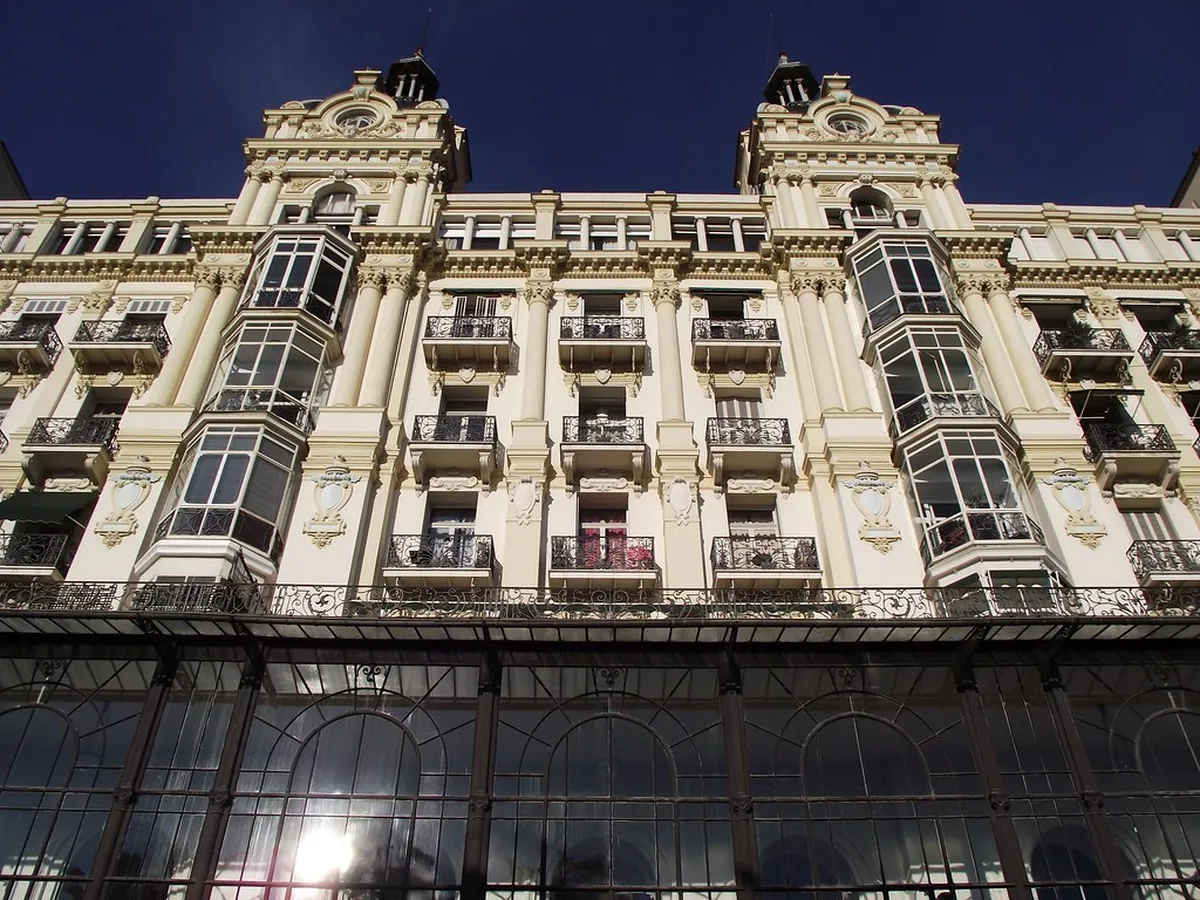
You can identify Belle Époque buildings by several key visual elements. Look for rounded corners on street intersections and curved balconies. Architects used these shapes to soften the appearance of large stone structures. Many buildings also feature prominent domes or decorative turrets on their roofs. These features create a varied and interesting skyline for the city.
Wrought iron is another essential material for this specific architectural style. It was used for balcony railings, gate designs, and support beams. The metalwork often features intricate swirls and floral patterns. You can see fine examples at the Villa Massena architecture site. Skilled blacksmiths created these pieces by hand over many months.
Ceramic tiles and mosaics were frequently used for exterior decoration. They added color and texture to the otherwise plain stone facades. Look for friezes that run along the top of the buildings. These often show scenes from mythology or local nature. The use of color was much bolder than in previous centuries.
Loggias and covered porches were also very popular in Mediterranean designs. They provided shade while allowing residents to enjoy the outdoor views. The use of columns and arches gave these spaces a classical feel. Many of these features were inspired by the proximity to Italy. They perfectly suited the warm climate of the French Riviera.
Finally, the use of white and pastel colors is very common. These light shades help keep the buildings cool during the hot summer. They also create a bright and cheerful atmosphere in the streets. The contrast with the blue sea and green palms is stunning. This color palette is a defining part of the Nice aesthetic.
Preserving the Golden Age for the Future
Nice is currently working hard to maintain its historic urban landscape. The city recently received UNESCO World Heritage status for its winter resort heritage. This title brings more funding and protection for these historic buildings. It ensures that the Belle Époque spirit remains for future generations. Restoration projects are happening throughout the city center in 2025.
Local laws prevent developers from tearing down these beautiful older structures. Any new buildings must complement the existing historic style of the area. This helps the city grow without losing its unique visual charm. Visitors can see many ongoing projects where facades are being cleaned. The white stone shines brilliantly once the old dust is removed.
Educational programs also help locals understand the value of their homes. Many historical societies offer walking tours and public lectures about local history. This knowledge creates a sense of pride within the local community. People are more likely to care for buildings they truly understand. The city's history is a shared treasure for all residents.
Tourism plays a major role in the preservation of these grand sites. The revenue from visitors helps pay for expensive maintenance and security. When you visit a museum or stay in a hotel, you help. Your interest keeps the history of the Belle Époque alive and well. It is a beautiful cycle of appreciation and protection.
Frequently Asked Questions
What is the best way to see Belle Époque buildings?
A walking tour is the best way to see the architecture. Start at the Promenade des Anglais and walk toward Cimiez. Most major sites are within walking distance of each other. Wear comfortable shoes and bring a camera for the facades.
Are these historic buildings open to the public?
Many grand hotels and museums are open to the public daily. Private villas are usually closed as they are now residential apartments. You can still admire their stunning exteriors from the public sidewalk. Check the opening hours for places like Villa Massena before visiting.
When was the Belle Époque period in Nice?
The period lasted from roughly 1871 to 1914 in Nice. It was a time of rapid growth for the French Riviera. Most of the iconic grand hotels were built during these decades. The era ended abruptly with the start of the first World War.
Nice remains a living museum of the golden age of European travel. The Belle Époque style defines the charm and elegance of the city today. We hope this guide helps you enjoy your next architectural walk. Please share this article with other history and travel lovers you know. Explore more of the city's wonders on your next trip to France.
Key Takeaways
- The Belle Époque lasted from 1871 to 1914 in Nice.
- Grand hotels like the Negresco are iconic architectural landmarks.
- Look for domes, wrought iron, and pastel colors on facades.
- Cimiez is the best neighborhood for viewing historic private villas.
- Nice is a UNESCO site dedicated to this winter resort history.
Related reads: architecturebycity.com, nicois baroque churches.