
Cimiez Neighborhood Architecture Guide: Top Nice Sights
Discover our Cimiez neighborhood architecture guide for your 2025 trip. Explore Roman ruins and grand Belle Époque palaces. Plan your perfect Nice walking tour today!
On this page
Cimiez stands as the most elegant district in Nice, France. This hilltop area showcases centuries of diverse European history. Our Cimiez neighborhood architecture guide helps you find hidden gems. Visitors in 2025 will discover Roman ruins and grand palaces.
The neighborhood sits high above the busy city center. It offers a quieter atmosphere for dedicated architecture lovers. You will see a unique mix of historical layers here. Every street corner reveals a different era of design.
Getting to Cimiez is easy via the local bus network. Lines five and eighteen run frequently from the main square. The walk uphill is steep but very scenic for hikers. Most travelers spend at least a full day exploring here.
Ancient Roots: The Cemenelum Roman Ruins
Roman influence defines the earliest layers of Cimiez architecture. The ancient city of Cemenelum served as a provincial capital. You can still see the stone amphitheater today. It once held thousands of eager Roman spectators.
The thermal baths offer insight into ancient engineering. Stone foundations reveal complex heating systems used centuries ago. These ruins sit near the modern archaeological museum. Exploring these sites provides a look at Nice's origins.
Visit the museum between 10:00 AM and 6:00 PM daily. Entry fees typically cost around 10 euros for adults. This site remains one of the most important Cemenelum Roman ruins in France. Wear comfortable shoes to walk the uneven grounds.
The archaeological park includes a small olive grove. These ancient trees provide shade for resting after your tour. Many families enjoy picnics near the historic stone walls. The park is a peaceful escape from the city.
Spiritual Heritage at Monastère de Cimiez
The Monastère de Cimiez showcases stunning religious architecture. Franciscan monks have lived here since the 16th century. Its facade features intricate details and warm terracotta tones. The church interior contains valuable artworks by Louis Bréa.
The peaceful cloister offers a quiet retreat for visitors. Archways create a rhythmic pattern around the central courtyard. You can admire the Monastère de Cimiez architecture for free. The site reflects deep spiritual traditions in Nice.
Don't miss the monastery gardens during your visit. These are the oldest gardens on the French Riviera. They offer panoramic views over the city and sea. Roses bloom beautifully here during the spring months.
The gardens are open to the public without charge. Visit early in the morning for the best light. You can see the entire Baie des Anges below. It is a perfect spot for quiet reflection.
Cimiez Neighborhood Architecture Guide: Belle Époque Gems
The Belle Époque era transformed Cimiez into a luxury destination. Aristocrats from across Europe built massive winter residences here. The Excelsior Regina Palace is the most famous example. It was built specifically for Queen Victoria’s frequent visits.
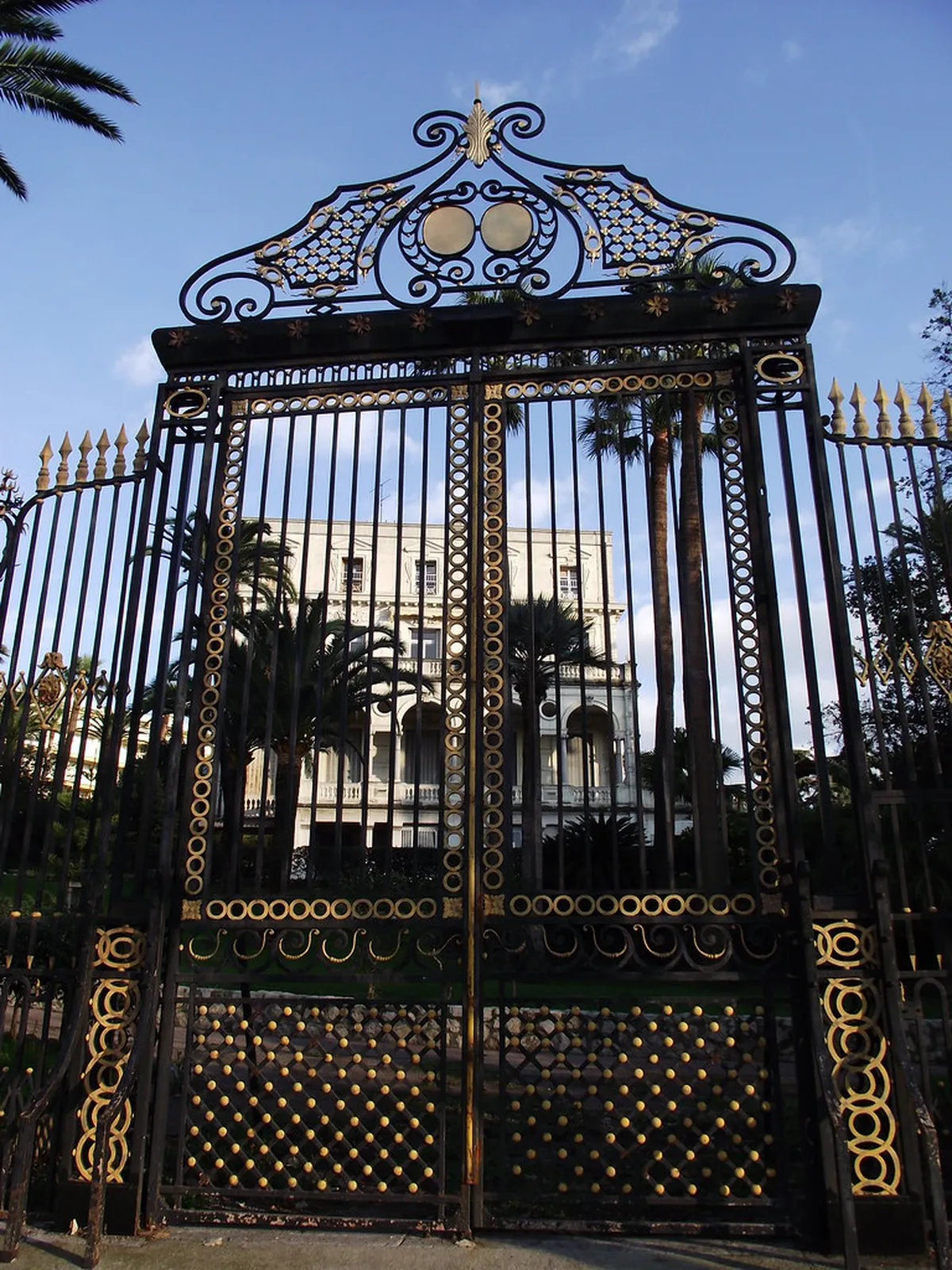
This massive building features ornate white facades and ironwork. Its crown-like roof ornaments stand out against the blue sky. Many other villas in the area display similar Belle Époque architecture in Nice. These structures define the neighborhood's sophisticated character.
Walking along Boulevard de Cimiez reveals numerous grand gates. Each entrance leads to a unique architectural masterpiece. Look for the colorful tiles and decorative stone carvings. These details represent the wealth of the 19th century.
Many buildings in this area now serve as apartments. You can still admire the grand exteriors from the street. The architectural scale is truly impressive for any visitor. Take your time to enjoy the historic atmosphere.
Modernist Styles and the Matisse Museum
The Matisse Museum sits inside a 17th-century Genoese villa. Its deep red exterior contrasts with the surrounding olive trees. The building underwent significant renovations to house modern art. Architects added a contemporary entrance to improve visitor flow.
Inside, the layout balances historic charm with functional design. Large windows allow natural light to illuminate the masterpieces. The Matisse Museum building design is truly unique. It bridges the gap between old and new styles.
Admission costs about 10 euros for a full day pass. This ticket often includes access to other municipal museums. Check the official website for seasonal holiday closing times. The museum is a must-see for design lovers.
The museum store offers great books on local design. You can find detailed guides about the museum's history. It is a wonderful place to buy unique gifts. The staff are very helpful and speak English.
Mid-Century Design at the Marc Chagall Museum
The Marc Chagall National Museum offers a different style. Architect André Hermant designed this building in the 1960s. It features clean lines and large stone surfaces. The design focuses on the artist's spiritual message.
Natural light plays a vital role in the museum's layout. Large windows look out onto a Mediterranean garden. This creates a peaceful atmosphere for viewing the mosaics. The building serves as a perfect home for large canvases.
The museum is located at the base of Cimiez hill. Visitors can walk here from the main train station. Entry prices usually range from 8 to 10 euros. It is a key part of any architectural tour.
Enjoy a coffee at the small outdoor museum cafe. The cafe sits within a beautiful garden setting. It offers a great view of the modern facade. This is a relaxing way to end your day.
Tips for Viewing Cimiez Architecture
Capturing the beauty of Cimiez requires the right timing. Early morning light softens the white Belle Époque facades. The golden hour makes the red villa walls glow. You will find many Nice architecture photography spots in this district.
Use a wide-angle lens for the Roman ruins. This helps capture the scale of the ancient amphitheater. Frame the monastery through the arches of the garden. These compositions create depth and interest in your photos.
Respect the privacy of local residents while taking pictures. Many grand buildings are now private apartment complexes. Stay on public sidewalks for the best street-view shots. Always look up to spot hidden roof details.
Wear comfortable walking shoes for the hilly streets. Bring a bottle of water during the summer months. The neighborhood is very safe for solo travelers. Enjoy the unique history of this beautiful French district.
Frequently Asked Questions
What is the most famous building in the Cimiez neighborhood?
The Excelsior Regina Palace is the most iconic building. It was built for Queen Victoria in the 1890s. Its grand facade represents the peak of Belle Époque design. You can see it from many parts of Nice.
Are the Cimiez Roman ruins open to the public?
Yes, the ruins are part of a public park. The amphitheater is visible for free from the paths. Access to the baths requires a museum ticket. The museum is open most days of the week.
How do I get to Cimiez from the Nice city center?
Take bus lines five or eighteen from the center. The ride takes about fifteen to twenty minutes. You can also walk uphill in thirty minutes. The bus is the most comfortable option for tourists.
When is the best time to visit Cimiez?
Spring and fall offer the best weather for walking. Temperatures are mild and the gardens are in bloom. Summer can be very hot for exploring outdoor ruins. Winter is quiet but the museums remain open.
Cimiez offers a rich blend of history and style. From Roman stones to grand palaces, there is much to see. This Cimiez neighborhood architecture guide ensures you miss nothing. Start planning your 2025 trip to this historic Nice district today!
Key Takeaways
- Explore the Roman amphitheater for a look at ancient history.
- Visit the Excelsior Regina Palace for Belle Époque grandeur.
- Walk through the monastery gardens for free panoramic city views.
- Check the Matisse Museum for a mix of old and new design.