
Discover Cemenelum Roman Ruins in Nice
Visit the Cemenelum Roman ruins in Nice during 2025. Explore ancient baths and an amphitheater in our guide. Book your tour of this historic site today!
On this page
The Cemenelum Roman ruins offer a fascinating window into the ancient history of the beautiful city of Nice. Visitors can explore the remains of a once-thriving provincial capital nestled within the modern Cimiez hill district. This archaeological site remains one of the most important historical landmarks found anywhere in southern France today.
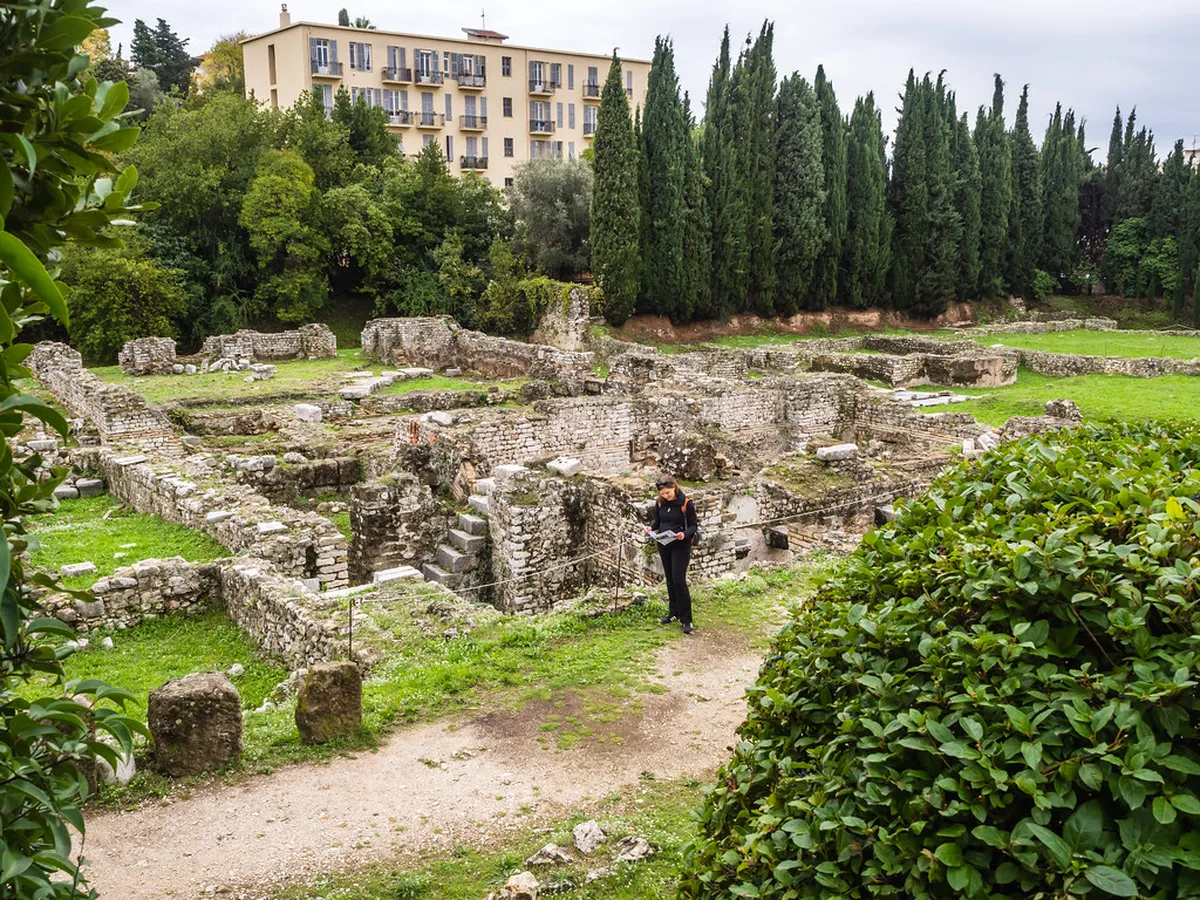
Ancient Romans established this site to serve as the administrative center for the strategic Alpes Maritimae province. The ruins include a grand amphitheater, extensive thermal baths, and well-preserved streets from the first century. Exploring these monuments allows travelers to understand the deep roots of architecture in Nice and surrounding regions.
In 2025, the site continues to draw history buffs and architecture enthusiasts from across the entire globe. You will find the ruins conveniently located near other major cultural attractions in the quiet Cimiez neighborhood. Planning a visit to this site provides a peaceful escape from the busy coastal streets of Nice.
The Ancient Origins of Cemenelum
Cemenelum was founded by the Romans during the first century BC under the rule of Emperor Augustus. The city served as a vital military and administrative hub for the Roman Empire in Gaul territory. It was specifically built to control the important trade routes crossing through the rugged maritime alpine passes.
The urban layout of the city followed a traditional Roman grid system designed for efficiency and social organization. You can still see the traces of these ancient streets when walking through the archaeological park area today. These ruins provide essential context for any Cimiez neighborhood architecture guide written about the area.
At its peak, Cemenelum supported a population of several thousand citizens who enjoyed modern Roman lifestyle comforts. The city featured impressive public buildings, private villas, and complex water systems that were advanced for the time. Historians believe the site remained an active and powerful urban center until the fourth century AD.
The eventual decline of the city occurred as the population moved closer to the safer coastal shores. Much of the original stonework was repurposed for new construction projects in the growing medieval town of Nice. Fortunately, the most significant public monuments were left largely intact for future generations to study and admire.
The Grand Amphitheater of the Cemenelum Roman Ruins
The amphitheater is perhaps the most iconic structure still standing within the Cemenelum Roman ruins site today. It was built during the first century AD and could comfortably hold over five thousand eager ancient spectators. This arena hosted gladiatorial matches, wild animal hunts, and various other forms of popular Roman public entertainment.
Its elliptical shape and sturdy stone construction demonstrate the incredible engineering skills possessed by ancient Roman builders. While it is smaller than the Colosseum in Rome, it remains a remarkably well-preserved example of provincial architecture. Spectators would enter through vaulted passages that are still visible to tourists visiting the historic site in 2025.
The arena floor was once covered in sand to absorb the blood of the combatants during the games. Today, the space is often used for cultural events and jazz festivals during the warm summer months. Sitting on the ancient stone benches provides a powerful connection to the people who gathered here centuries ago.
Archaeologists have carefully restored sections of the seating area to ensure the safety of all modern-day visitors. You can walk around the entire perimeter of the amphitheater to appreciate its scale from many different angles. It stands as a silent witness to the long and complex history of the French Riviera region.
Ancient Thermal Baths and Engineering Marvels
The Cemenelum site features three distinct thermal bath complexes that served as the social heart of the city. These baths were essential for hygiene, relaxation, and conducting daily business meetings among the local Roman elite. Visitors can explore the remains of the North, East, and West bathhouses within the designated archaeological zone.
The bathhouses utilized a sophisticated heating system known as a hypocaust to warm the floors and the water. This engineering feat involved circulating hot air from a furnace through empty spaces beneath the heavy stone tiles. It is truly remarkable to see these ancient heating channels still intact after nearly two thousand long years.
Each bath complex contained several rooms with varying temperatures to provide a complete and healthy bathing experience. You will find the frigidarium for cold plunges, the tepidarium for warm relaxation, and the caldarium for steaming. Information plaques located around the ruins explain how each specific room functioned for the ancient Roman citizens.
The intricate drainage systems and lead pipes found here reveal the advanced understanding of Roman plumbing and sanitation. These ruins offer a unique opportunity to see the practical side of ancient life away from the temples. Taking the time to study these bath complexes is a highlight for any visitor to the site.
How to Visit Cemenelum in 2025
Planning your trip to the Cemenelum Roman ruins is easy if you know the current costs and hours. The site is located at 160 Avenue des Arènes de Cimiez in the upper part of Nice. Most visitors choose to take the local number five or thirty-three bus from the modern city center.
- Admission Price: Entry costs approximately five euros for adults, which includes the museum access.
- Operating Hours: The site is open from 10:00 to 18:00 daily, except for most Tuesdays.
- Best Time: Visit during the early morning to avoid the midday sun and the largest tour groups.
- Accessibility: Much of the outdoor site is accessible, though some paths feature uneven ancient stones.
The ticket you purchase also grants you entry to the Archaeological Museum located directly on the park grounds. This museum houses an impressive collection of artifacts found during the various excavations of the Cemenelum city site. You can see ancient coins, delicate jewelry, ceramic pottery, and marble statues that decorated the local Roman villas.
Spending at least two hours at the site will allow you to see both the ruins and museum. There are several shaded benches available throughout the park where you can rest and enjoy the quiet atmosphere. Do not forget to bring water and comfortable walking shoes for your exploration of the outdoor ruins.
Architectural Context within the Cimiez District
The Cemenelum Roman ruins sit adjacent to several other significant architectural landmarks within the historic Cimiez district. Just a few steps away, you will find the beautiful seventeenth-century building that houses the famous Matisse Museum. This red-walled villa provides a striking visual contrast to the grey ancient stones of the nearby Roman amphitheater.
Nearby, the Monastere de Cimiez architecture offers a glimpse into the religious life of Nice during the medieval period. The monastery was built on the site of an ancient temple, showing the layers of history in Nice. Exploring both sites together gives travelers a complete timeline of how the city of Nice has evolved.
The surrounding neighborhood is also famous for its grand Belle Époque palaces and lush Mediterranean gardens and parks. You can see how modern architects drew inspiration from the classical proportions found in the local Roman remains. This blend of ancient and modern styles makes Cimiez a unique destination for fans of historic building design.
Walking through the olive groves that surround the ruins creates a peaceful and reflective mood for all visitors. Many of these ancient trees are hundreds of years old and have seen the city change through time. This area remains one of the most prestigious and beautiful parts of Nice for locals and tourists alike.
Frequently Asked Questions
Are the Cemenelum Roman ruins worth visiting for families?
The ruins are a great destination for families because children can explore the large outdoor amphitheater freely. The site is educational and offers plenty of space for kids to walk around in the fresh air. You can also visit the nearby park for a family picnic after seeing the ancient Roman monuments.
What is the best way to get to the ruins from the Promenade des Anglais?
The easiest way to reach the site is by taking a local bus or a short taxi ride. You can take the number 5 bus from the city center directly to the Cimiez district stop. This journey takes about fifteen minutes and offers views of the historic architecture in Nice along the way.
Can I see the ruins without paying for the archaeological museum?
The entry ticket covers both the archaeological site and the museum as a single combined cultural experience. You cannot purchase a separate ticket for just the outdoor ruins at the entrance gate today. However, the price is very affordable and provides excellent value for all types of budget-conscious travelers.
Is the Cemenelum amphitheater still used for live performances today?
The amphitheater occasionally hosts live concerts and cultural festivals during the busy summer season in Nice. It is a popular venue for the Nice Jazz Festival which takes place every year in July. Checking the local event calendar before your visit can help you find special performances held at the site.
The Cemenelum Roman ruins are a must-see destination for anyone visiting the city of Nice in 2025. These ancient remains provide a deep connection to the Roman past of the French Riviera and its people. You will leave with a greater appreciation for the history and the enduring architecture of this stunning region. Make sure to add this historic site to your travel itinerary for an unforgettable experience in France.
Key Takeaways
- Explore a well-preserved Roman amphitheater that once seated over five thousand ancient spectators.
- Learn about ancient Roman engineering by visiting the three distinct thermal bath complexes on site.
- Visit the Archaeological Museum of Nice-Cimiez to see artifacts discovered within the local city ruins.
- Enjoy the historic atmosphere of the Cimiez district while exploring the ancient Roman provincial capital.
Related reads: architecturebycity.com, matisse museum building design, belle epoque architecture in nice.